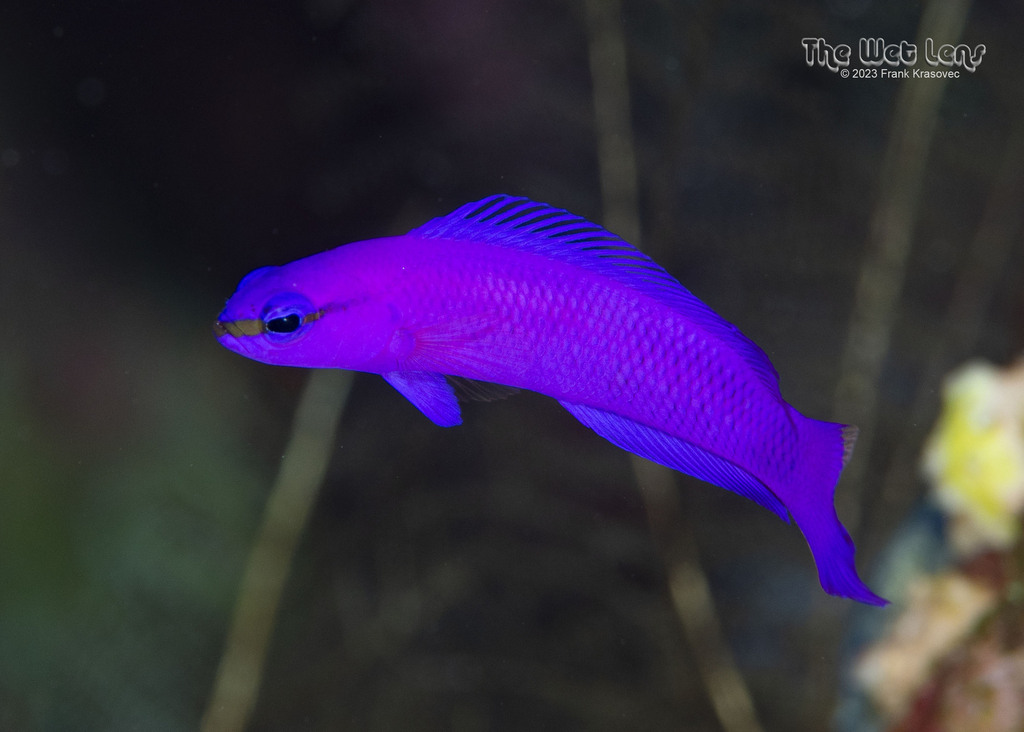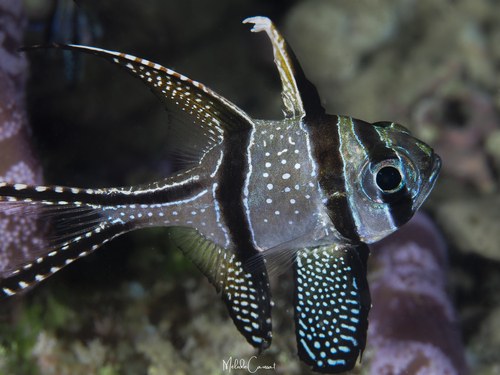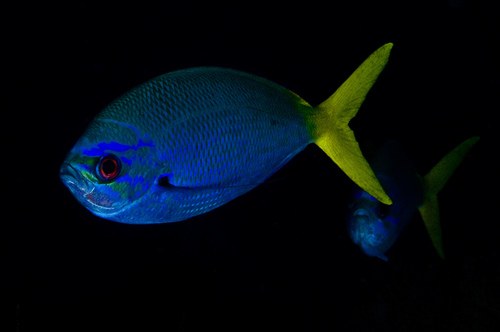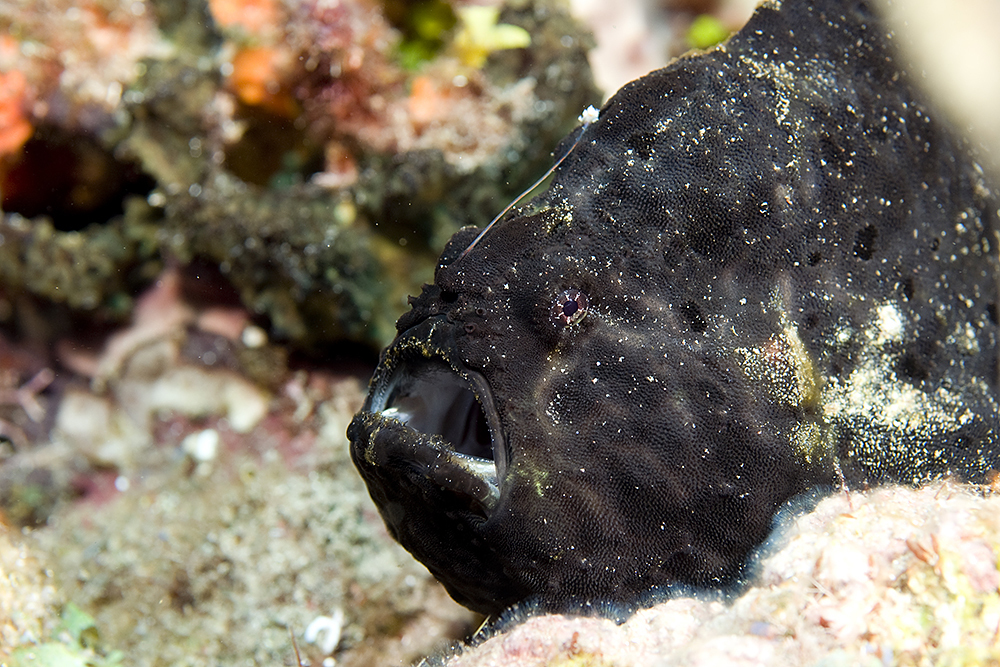
Blue Dot/Blue Spotted Jawfish
opistognathus rosenblatti
In Stock
Common stock
Wild Caught
Moderate care
With Caution
SKU: ML-MF-0109
The Blue Dot Jawfish captivates with its vibrant colors and unique burrowing behavior.
Pricing for Verified Importers
Log in to see wholesale prices and order.
Export Size
up to 10.0 cm
Origin
Indo-Pacific
Temperature
24.0–28.0°C
Min. Tank Size
100 L
Salinity
35.000–35.000 ppt
pH
8.10–8.40
Diet
carnivore
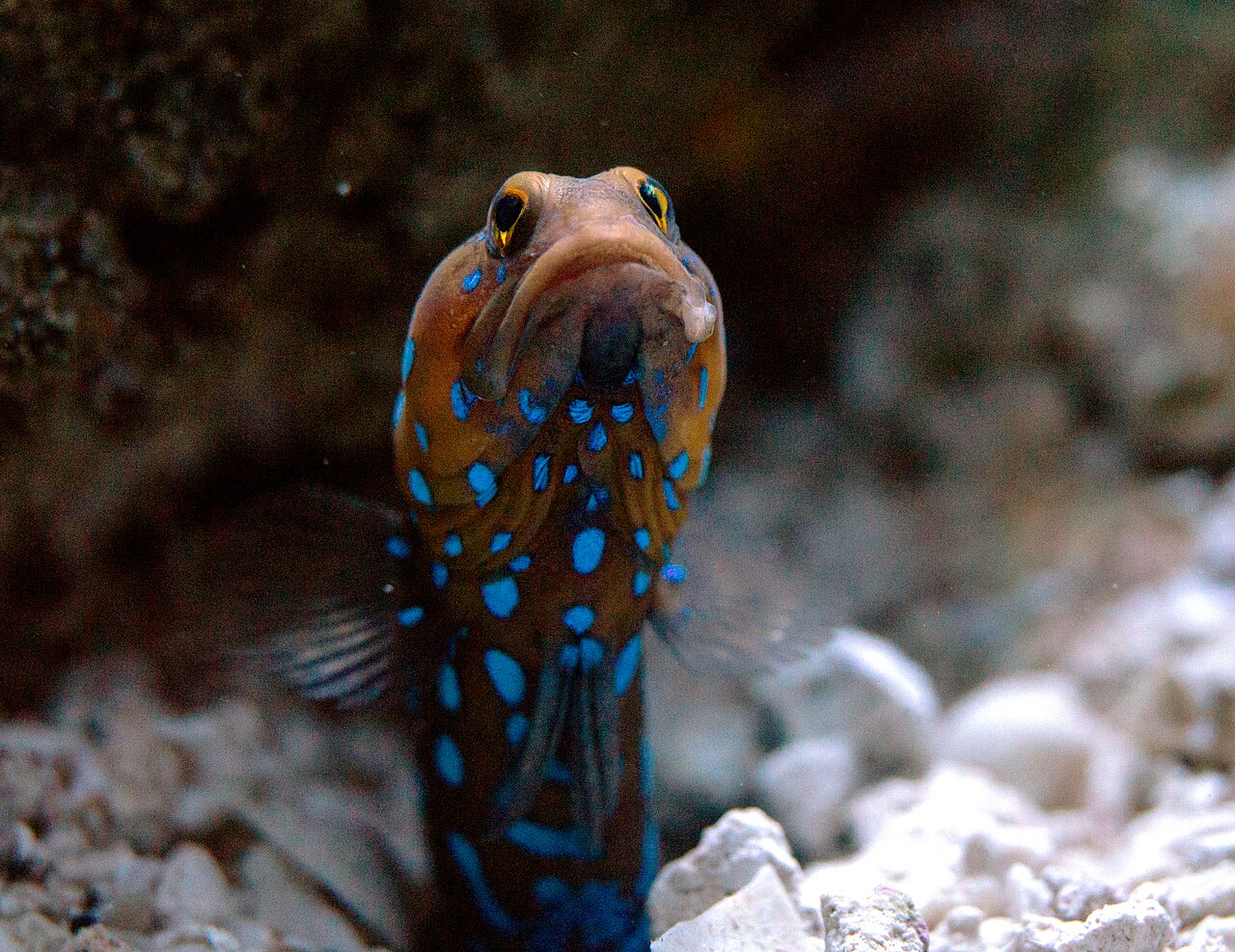
The Blue Dot or Blue Spotted Jawfish (Opistognathus rosenblatti) is a stunning marine fish known for its striking blue spots that contrast beautifully against its pale body. This species typically reaches a maximum size of about 10 cm, making it an ideal choice for both home aquariums and retail displays. As a member of the jawfish family, it possesses a distinctive elongated body and large, expressive eyes that enhance its charm.
In terms of behavior, the Blue Dot Jawfish is a natural burrower, often creating elaborate tunnels in sandy substrates. This not only provides it with a secure hiding spot from predators but also serves as an effective hunting ground for small invertebrates and zooplankton. Its social nature often leads it to interact with other tank mates, although it can be territorial, especially during breeding seasons. Observers are often captivated by its unique head-up posture as it peeks from its burrow to survey its surroundings.
Native to the coral reefs of the Indo-Pacific region, particularly around Bali, Indonesia, the Blue Dot Jawfish thrives in shallow waters where it can easily find sandy substrates for burrowing. Its habitat is often characterized by vibrant coral formations and diverse marine life, making it a crucial species for ecological stability within these environments. The health of the Blue Dot Jawfish is closely linked to the overall health of its coral reef habitat, highlighting the importance of conservation efforts in these regions.
Overall, the Blue Dot Jawfish not only adds a splash of color to aquariums but also represents the delicate balance of marine ecosystems. Its captivating behavior and stunning appearance make it a sought-after species for both collectors and enthusiasts alike.
In terms of behavior, the Blue Dot Jawfish is a natural burrower, often creating elaborate tunnels in sandy substrates. This not only provides it with a secure hiding spot from predators but also serves as an effective hunting ground for small invertebrates and zooplankton. Its social nature often leads it to interact with other tank mates, although it can be territorial, especially during breeding seasons. Observers are often captivated by its unique head-up posture as it peeks from its burrow to survey its surroundings.
Native to the coral reefs of the Indo-Pacific region, particularly around Bali, Indonesia, the Blue Dot Jawfish thrives in shallow waters where it can easily find sandy substrates for burrowing. Its habitat is often characterized by vibrant coral formations and diverse marine life, making it a crucial species for ecological stability within these environments. The health of the Blue Dot Jawfish is closely linked to the overall health of its coral reef habitat, highlighting the importance of conservation efforts in these regions.
Overall, the Blue Dot Jawfish not only adds a splash of color to aquariums but also represents the delicate balance of marine ecosystems. Its captivating behavior and stunning appearance make it a sought-after species for both collectors and enthusiasts alike.
When caring for the Blue Dot Jawfish, maintaining optimal water parameters is crucial. This species prefers a temperature range of 24-28°C with a salinity level around 1.020 to 1.025 ppt. A pH level between 8.1 and 8.4 is ideal for their well-being. It is essential to provide a minimum tank size of 100 liters, with a sandy substrate to facilitate their burrowing behavior.
Feeding the Blue Dot Jawfish involves a varied diet; they are carnivorous and thrive on high-quality frozen or live foods, including brine shrimp, mysis shrimp, and small pieces of fish. It's important to feed them in small amounts multiple times a day to ensure they receive adequate nutrition and to prevent overfeeding.
In terms of compatibility, Blue Dot Jawfish can be kept with a variety of other marine fish, though caution should be exercised when introducing them to more aggressive species. It is advisable to house them in pairs or small groups, but ensure that there is enough space to minimize territorial disputes. Acclimation should be gradual to reduce stress, and a quarantine period of at least two weeks is recommended to monitor for any signs of disease before introducing them to the main display tank.
Feeding the Blue Dot Jawfish involves a varied diet; they are carnivorous and thrive on high-quality frozen or live foods, including brine shrimp, mysis shrimp, and small pieces of fish. It's important to feed them in small amounts multiple times a day to ensure they receive adequate nutrition and to prevent overfeeding.
In terms of compatibility, Blue Dot Jawfish can be kept with a variety of other marine fish, though caution should be exercised when introducing them to more aggressive species. It is advisable to house them in pairs or small groups, but ensure that there is enough space to minimize territorial disputes. Acclimation should be gradual to reduce stress, and a quarantine period of at least two weeks is recommended to monitor for any signs of disease before introducing them to the main display tank.
The Blue Dot Jawfish is suitable for shipping, provided that proper precautions are taken. Packing density should be low to minimize stress during transit, ideally shipping no more than 1-2 individuals per bag. Temperature sensitivity is a factor; maintain shipping temperatures between 24-26°C. This species is not listed under CITES, making it easier to export, but local regulations must always be followed.
Species Parameters
Max Adult Size
10.0 cm
Origin
Indo-Pacific
Diet
carnivore
Temp Min
24.0 °C
Temp Max
28.0 °C
Salinity Min
35.000
Salinity Max
35.000
pH Min
8.10
pH Max
8.40
Min Tank
100 L