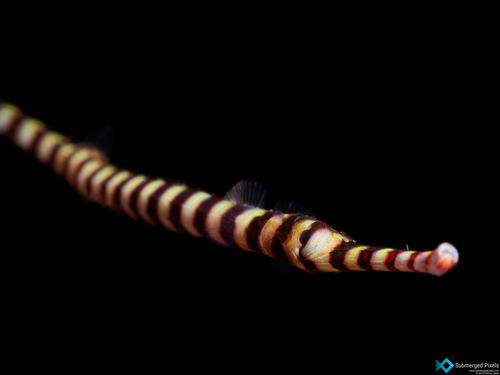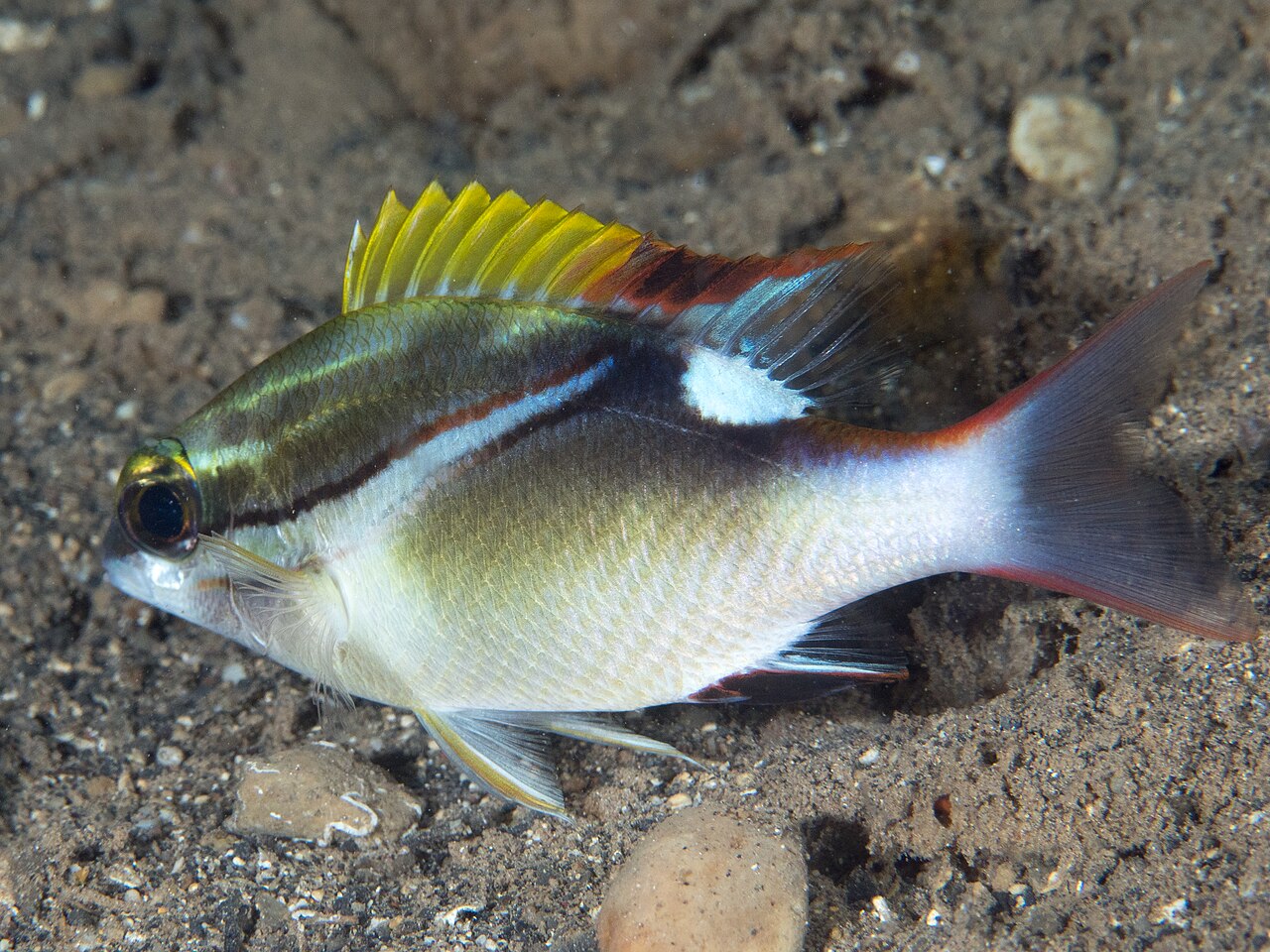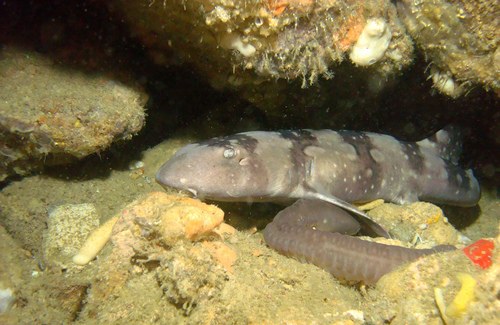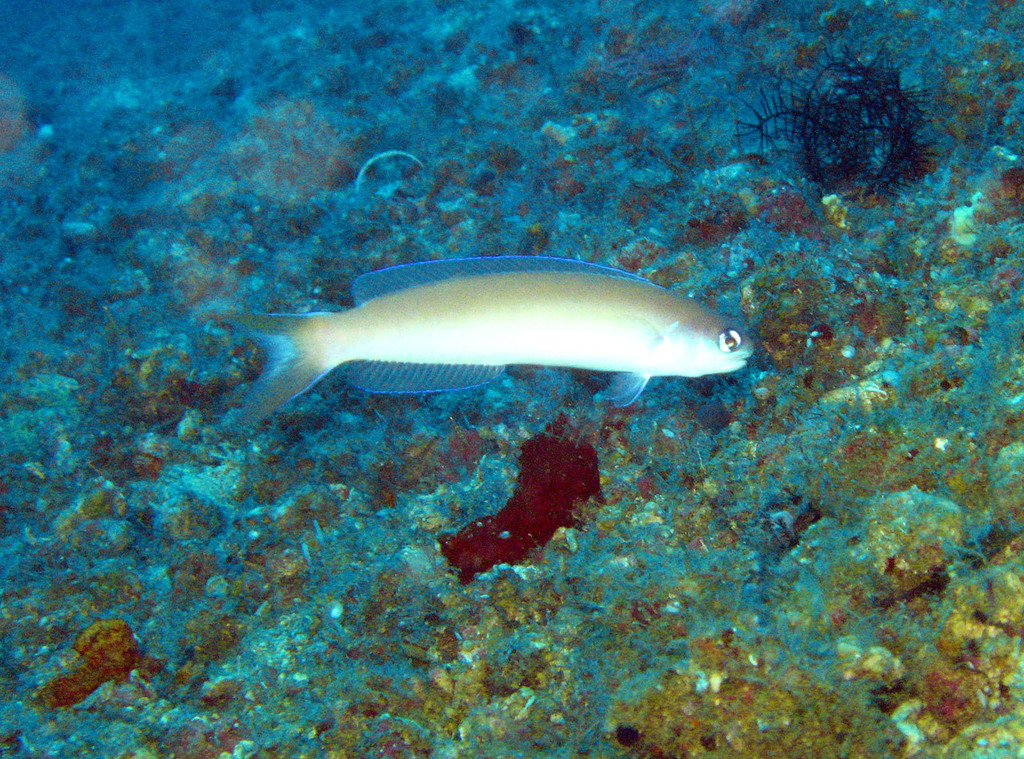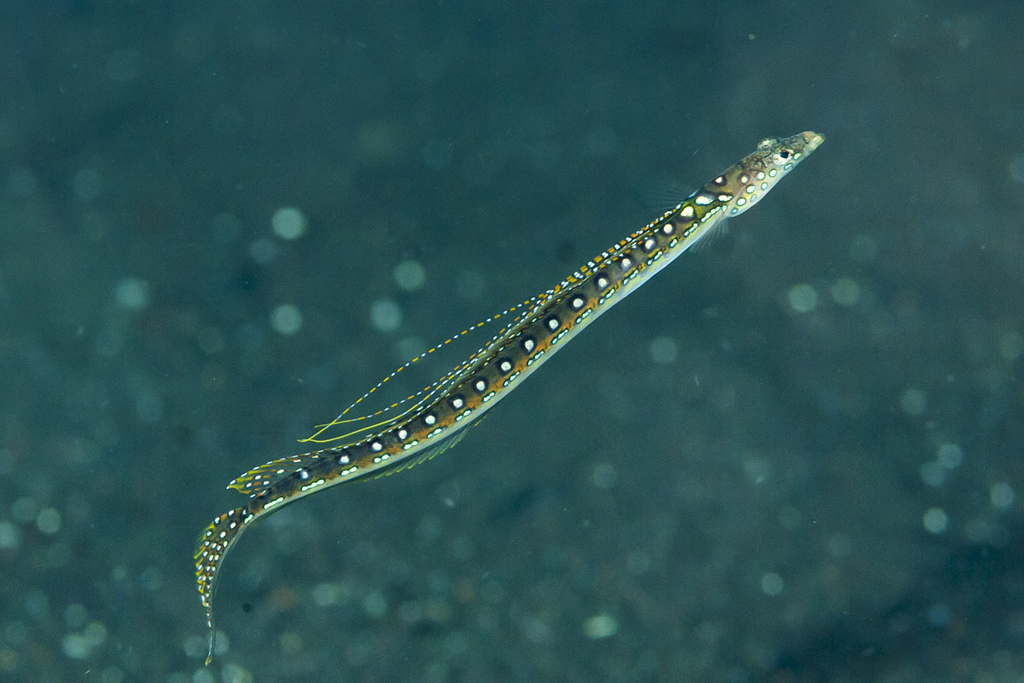
Blue Spotted sand diver
trichonotus setiger pair
In Stock
Common stock
Wild Caught
Moderate care
With Caution
SKU: ML-MF-0124
The Blue Spotted Sand Diver is a stunning marine fish known for its vibrant coloration and unique behavior.
Pricing for Verified Importers
Log in to see wholesale prices and order.
Export Size
up to 15.0 cm
Origin
Coral Triangle
Temperature
24.0–28.0°C
Min. Tank Size
200 L
Salinity
1.020–1.025 ppt
pH
8.10–8.40
Diet
carnivore
The Blue Spotted Sand Diver (Trichonotus setiger) is a captivating marine fish found in the shallow waters of the Coral Triangle. This species is characterized by its striking blue spots against a pale body, which provides excellent camouflage among sandy substrates. The Blue Spotted Sand Diver typically inhabits sandy and rubble substrates in lagoons and outer reef slopes, where it can be seen darting in and out of hiding spots, showcasing its agility and grace.
In terms of behavior, Blue Spotted Sand Divers are known for their peaceful and social nature. They often form small groups, making them a delightful addition to community tanks. Their unique feeding behavior involves burrowing into the sand to search for small invertebrates, which is a display of their natural hunting instincts. Their active and inquisitive demeanor can provide hours of entertainment for aquarium enthusiasts.
The coloration of the Blue Spotted Sand Diver makes it a desired species for aquarium displays. The vibrant blue spots, combined with their smooth, elongated bodies, make them visually striking. As adults, these fish can grow to a maximum length of approximately 15 cm, but they remain relatively small, making them suitable for various aquarium sizes. Their adaptability to different environments within their natural habitat contributes to their popularity among marine fish collectors.
Overall, the Blue Spotted Sand Diver is not just a beautiful species; it also brings a sense of movement and life to any aquarium. Their unique behaviors and social nature make them a fascinating addition to marine collections, appealing to both novice and experienced aquarists alike.
In terms of behavior, Blue Spotted Sand Divers are known for their peaceful and social nature. They often form small groups, making them a delightful addition to community tanks. Their unique feeding behavior involves burrowing into the sand to search for small invertebrates, which is a display of their natural hunting instincts. Their active and inquisitive demeanor can provide hours of entertainment for aquarium enthusiasts.
The coloration of the Blue Spotted Sand Diver makes it a desired species for aquarium displays. The vibrant blue spots, combined with their smooth, elongated bodies, make them visually striking. As adults, these fish can grow to a maximum length of approximately 15 cm, but they remain relatively small, making them suitable for various aquarium sizes. Their adaptability to different environments within their natural habitat contributes to their popularity among marine fish collectors.
Overall, the Blue Spotted Sand Diver is not just a beautiful species; it also brings a sense of movement and life to any aquarium. Their unique behaviors and social nature make them a fascinating addition to marine collections, appealing to both novice and experienced aquarists alike.
To successfully maintain Blue Spotted Sand Divers, it's essential to provide them with stable water parameters. They thrive in temperatures ranging from 24°C to 28°C, with a salinity level between 1.020 and 1.025 ppt. A pH level of 8.1 to 8.4 is ideal for their health and well-being. It's recommended to have a minimum tank size of 200 liters to ensure adequate swimming space and to accommodate their social behavior.
Feeding Blue Spotted Sand Divers is relatively straightforward, as they are primarily carnivores. A diet rich in high-quality frozen or live foods, such as brine shrimp, mysis shrimp, and small crustaceans, will promote their growth and vibrancy. Compatibility with other species is generally good, but care should be taken to avoid aggressive tank mates that may stress them.
Acclimation is crucial for the successful introduction of Blue Spotted Sand Divers into a new environment. A slow acclimation process, involving drip acclimation for several hours, is recommended to reduce the stress of transportation. Quarantine procedures should also be followed to prevent the introduction of diseases into the main display tank. Overall, with proper care and attention, these stunning fish can thrive in a well-maintained marine aquarium.
Feeding Blue Spotted Sand Divers is relatively straightforward, as they are primarily carnivores. A diet rich in high-quality frozen or live foods, such as brine shrimp, mysis shrimp, and small crustaceans, will promote their growth and vibrancy. Compatibility with other species is generally good, but care should be taken to avoid aggressive tank mates that may stress them.
Acclimation is crucial for the successful introduction of Blue Spotted Sand Divers into a new environment. A slow acclimation process, involving drip acclimation for several hours, is recommended to reduce the stress of transportation. Quarantine procedures should also be followed to prevent the introduction of diseases into the main display tank. Overall, with proper care and attention, these stunning fish can thrive in a well-maintained marine aquarium.
Blue Spotted Sand Divers are suitable for shipping, provided they are packed securely to minimize movement during transit. A packing density of 1-2 fish per liter is recommended to ensure they have adequate space. They are sensitive to temperature fluctuations, so maintaining a stable temperature between 24°C and 28°C during shipping is crucial. Currently, there are no CITES restrictions on this species, allowing for compliant export.
Species Parameters
Max Adult Size
15.0 cm
Origin
Coral Triangle
Diet
carnivore
Temp Min
24.0 °C
Temp Max
28.0 °C
Salinity Min
1.020
Salinity Max
1.025
pH Min
8.10
pH Max
8.40
Min Tank
200 L