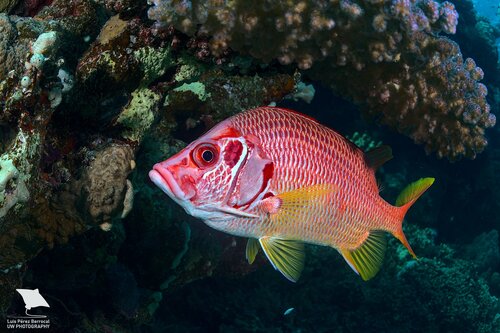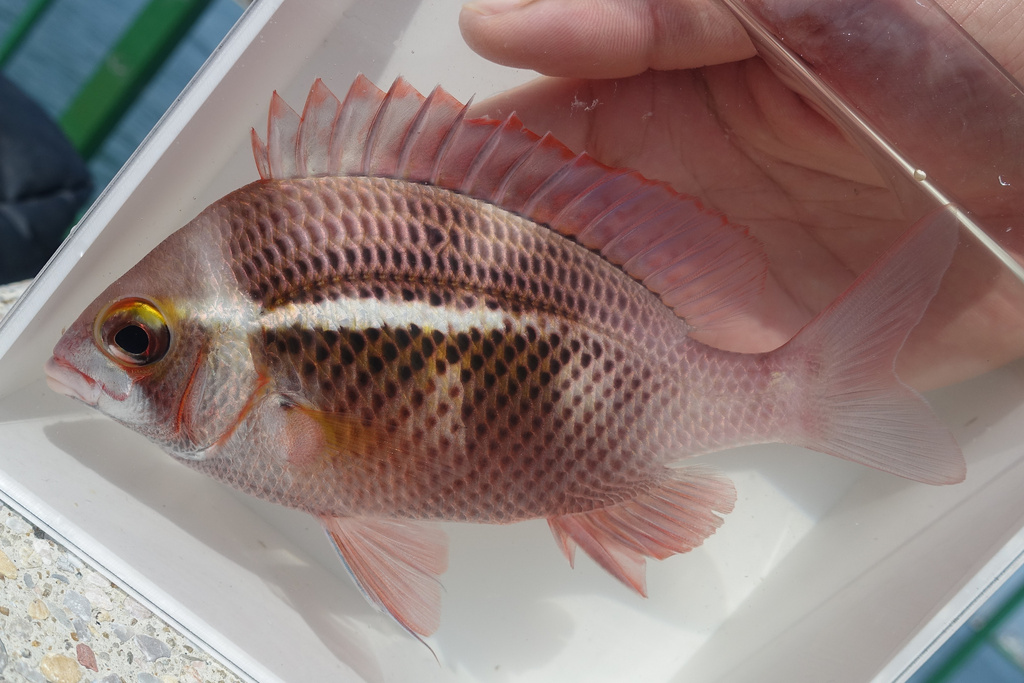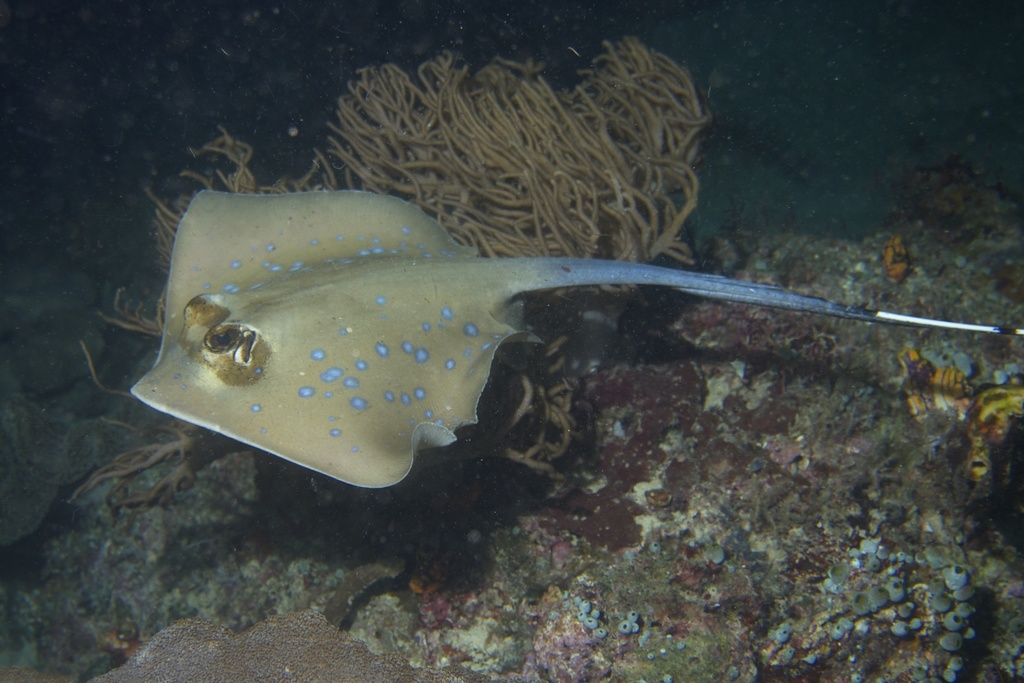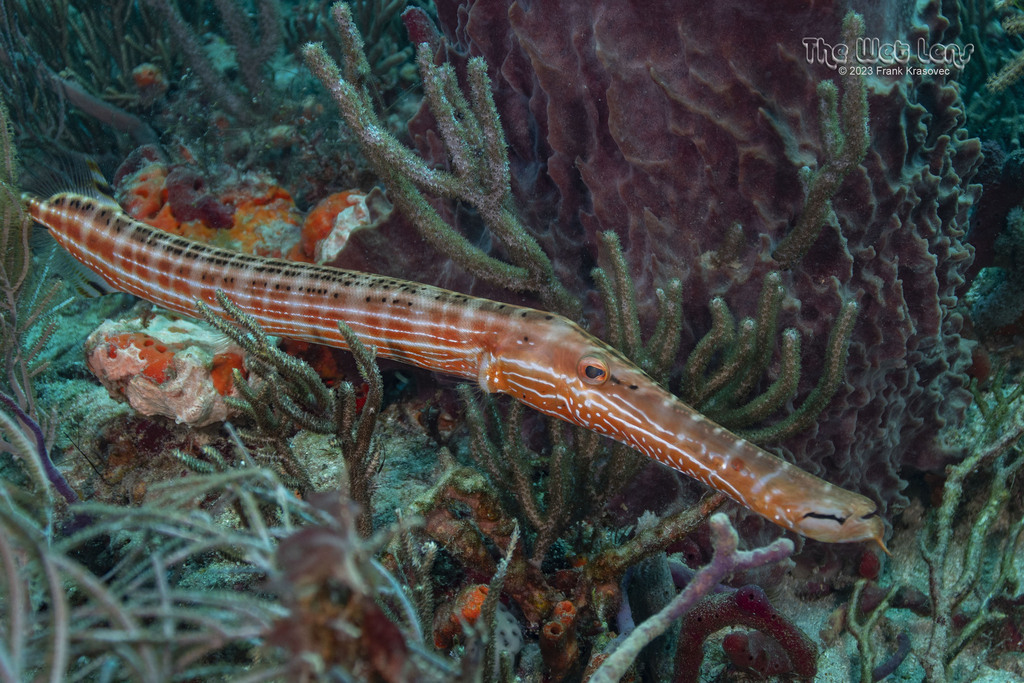
Flying Fish
cheilopogon doederleinii
In Stock
Common stock
Wild Caught
Moderate care
With Caution
SKU: ML-MF-0363
Flying Fish are renowned for their remarkable gliding abilities, making them a spectacular sight.
Pricing for Verified Importers
Log in to see wholesale prices and order.
Export Size
up to 30.0 cm
Origin
Indo-Pacific
Temperature
24.0–28.0°C
Min. Tank Size
300 L
Salinity
30.000–35.000 ppt
pH
7.50–8.50
Diet
carnivore
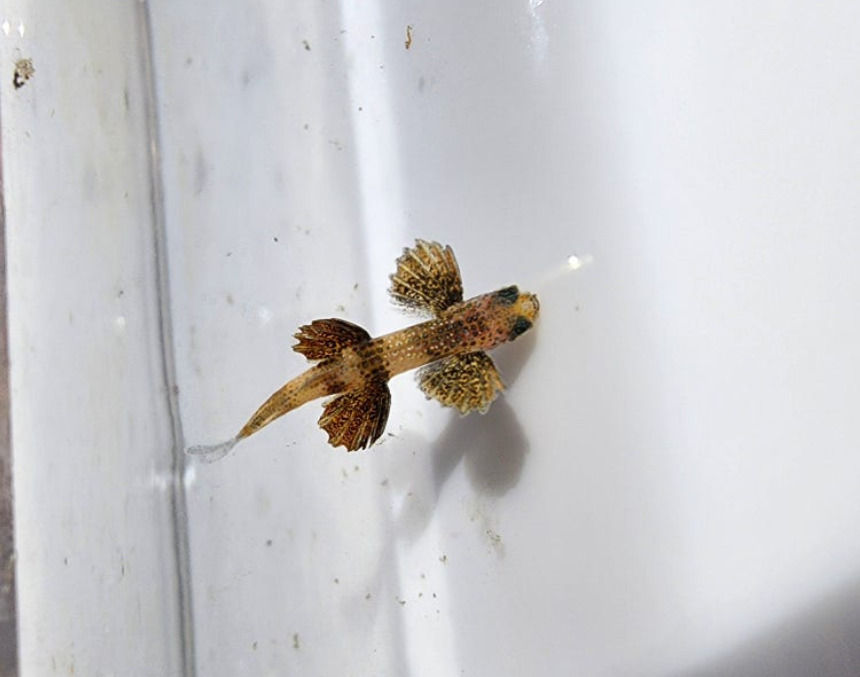
The Flying Fish (Cheilopogon doederleinii) is a unique marine species known for its incredible ability to glide over the water's surface. This remarkable adaptation allows them to escape predators and is facilitated by their streamlined bodies and long, wing-like pectoral fins. Found primarily in warm, tropical waters, these fish are most commonly encountered in the open ocean, where they can be seen leaping out of the water and gliding for considerable distances.
In terms of appearance, Flying Fish are characterized by their elongated bodies that can reach lengths of up to 30 centimeters. Their coloration typically ranges from a silvery-blue to a more muted gray, allowing them to blend seamlessly with their ocean surroundings. The pectoral fins are particularly striking, often extending beyond the body and enabling the fish to achieve impressive aerial feats. These adaptations not only enhance their chances of survival but also make them a fascinating species for aquarists and marine enthusiasts alike.
Behaviorally, Flying Fish are social creatures that often form schools, providing both safety in numbers and opportunities for foraging. They primarily feed on plankton, small fish, and other marine organisms, showcasing their role in the ocean's food web. Their gliding behavior, which can reach distances of over 200 meters, is not just a means of evasion; it is also a method for covering large areas in search of food.
Habitat-wise, Flying Fish thrive in warm, temperate, and tropical waters, often found in the open ocean but can also be observed near coastal areas. They prefer well-oxygenated waters with a salinity that reflects their marine environment. Understanding their natural habitat is essential for successful cultivation and importation, ensuring that these extraordinary fish adapt well to aquarium settings.
In terms of appearance, Flying Fish are characterized by their elongated bodies that can reach lengths of up to 30 centimeters. Their coloration typically ranges from a silvery-blue to a more muted gray, allowing them to blend seamlessly with their ocean surroundings. The pectoral fins are particularly striking, often extending beyond the body and enabling the fish to achieve impressive aerial feats. These adaptations not only enhance their chances of survival but also make them a fascinating species for aquarists and marine enthusiasts alike.
Behaviorally, Flying Fish are social creatures that often form schools, providing both safety in numbers and opportunities for foraging. They primarily feed on plankton, small fish, and other marine organisms, showcasing their role in the ocean's food web. Their gliding behavior, which can reach distances of over 200 meters, is not just a means of evasion; it is also a method for covering large areas in search of food.
Habitat-wise, Flying Fish thrive in warm, temperate, and tropical waters, often found in the open ocean but can also be observed near coastal areas. They prefer well-oxygenated waters with a salinity that reflects their marine environment. Understanding their natural habitat is essential for successful cultivation and importation, ensuring that these extraordinary fish adapt well to aquarium settings.
For importers and retailers looking to care for Flying Fish, it is crucial to maintain optimal water parameters. The ideal temperature range for these fish is between 24-28°C. Salinity levels should be maintained between 30-35 ppt, and pH levels should be kept in the range of 7.5 to 8.5 to mimic their natural environment. A minimum tank size of 300 liters is recommended to provide adequate swimming space and reduce stress.
Feeding Flying Fish requires a diet rich in protein, as they are carnivorous. They should be provided with high-quality flakes, pellets, and live or frozen food such as shrimp or small fish. Ensuring a varied diet will promote health and vitality. Compatibility with other species should be approached with caution; while they can coexist with other non-aggressive fish, it is vital to avoid keeping them with larger, predatory species that may see them as prey.
Acclimation is a critical process when introducing Flying Fish to a new environment. Gradually acclimate them to changes in water temperature and parameters over several hours. Quarantine procedures are also recommended for new shipments to monitor for any signs of disease before introducing them to the main aquarium. This will help maintain the health of both the Flying Fish and the existing tank inhabitants.
Feeding Flying Fish requires a diet rich in protein, as they are carnivorous. They should be provided with high-quality flakes, pellets, and live or frozen food such as shrimp or small fish. Ensuring a varied diet will promote health and vitality. Compatibility with other species should be approached with caution; while they can coexist with other non-aggressive fish, it is vital to avoid keeping them with larger, predatory species that may see them as prey.
Acclimation is a critical process when introducing Flying Fish to a new environment. Gradually acclimate them to changes in water temperature and parameters over several hours. Quarantine procedures are also recommended for new shipments to monitor for any signs of disease before introducing them to the main aquarium. This will help maintain the health of both the Flying Fish and the existing tank inhabitants.
Flying Fish are suitable for shipping under specific conditions. They should be packed in well-oxygenated bags with sufficient water to accommodate their needs during transit. A packing density of 1 fish per 10 liters is advisable to prevent stress and injury. Temperature sensitivity is moderate, requiring a stable temperature environment during shipping. Proper insulation and temperature control are essential. Currently, there are no CITES restrictions on Flying Fish, making them more accessible for export.
Species Parameters
Max Adult Size
30.0 cm
Origin
Indo-Pacific
Diet
carnivore
Temp Min
24.0 °C
Temp Max
28.0 °C
Salinity Min
30.000
Salinity Max
35.000
pH Min
7.50
pH Max
8.50
Min Tank
300 L