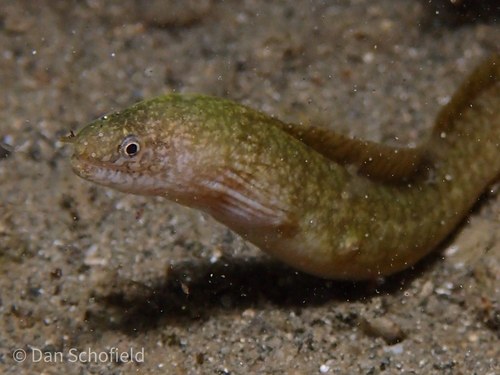

Glass-eye
heteropriacanthus cruentatus
In Stock
Common stock
Wild Caught
Moderate care
With Caution
SKU: ML-MF-0182
The Glass-eye is a captivating marine fish known for its striking appearance and unique behaviors.
Pricing for Verified Importers
Log in to see wholesale prices and order.
Export Size
up to 25.0 cm
Origin
Indo-Pacific
Temperature
24.0–28.0°C
Min. Tank Size
150 L
Salinity
1.020–1.025 ppt
pH
8.10–8.40
Diet
carnivore
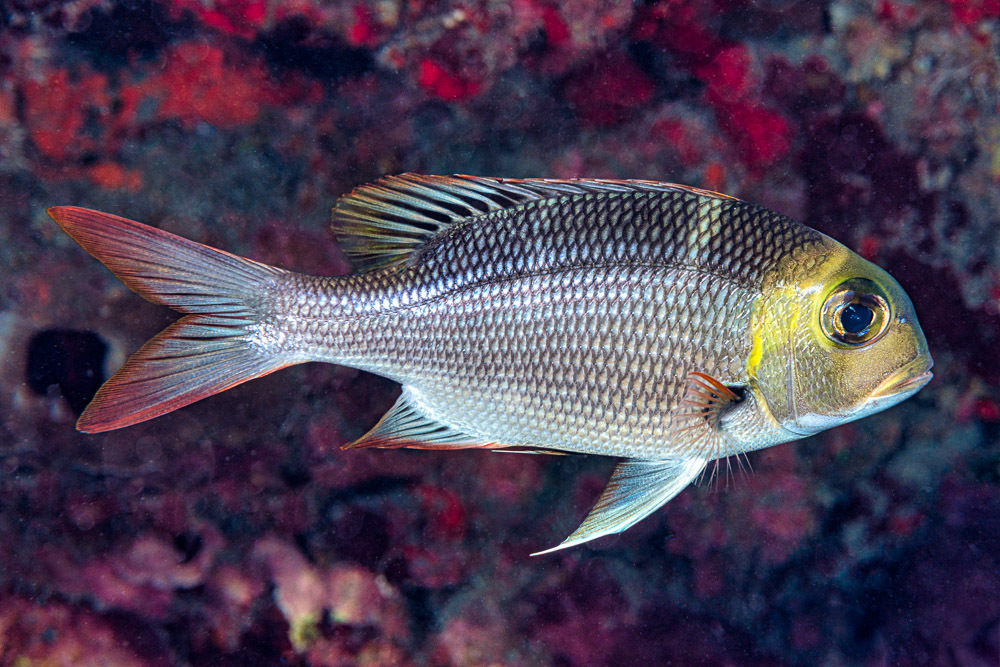
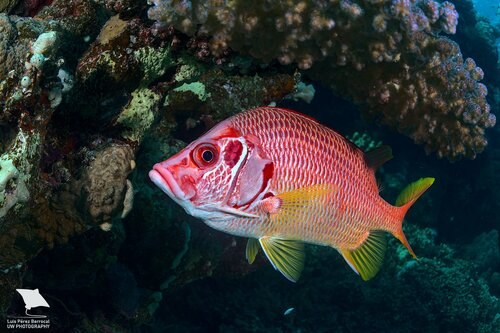
The Glass-eye (Heteropriacanthus cruentatus) is a marine fish that stands out due to its large, reflective eyes and streamlined body. Native to the Indo-Pacific region, this species is easily recognizable by its shimmering, silvery skin that reflects light, giving it a glass-like appearance. This characteristic not only enhances its beauty but also provides camouflage among the coral reefs and rocky substrates where it typically resides.
In terms of behavior, Glass-eyes are known to be social creatures, often found in small to medium-sized schools. They prefer shallow waters, generally inhabiting depths of up to 50 meters, where they can be seen darting among coral formations. Their diet primarily consists of small invertebrates and plankton, making them opportunistic feeders. As a nocturnal species, they are more active during twilight hours, which adds to their allure for aquarium enthusiasts.
Glass-eyes typically reach a maximum size of about 25 cm in length, making them a suitable option for various aquarium sizes. Their vibrant appearance and lively nature make them a favorite among reef aquarists, contributing to their popularity in the marine trade. As they adapt well to aquarium life, they can thrive in environments that closely resemble their natural habitats, including ample hiding spots and swimming space.
Overall, the Glass-eye is a stunning addition to any marine aquarium, known for its beauty and dynamic behavior. Their unique characteristics and social nature make them a fascinating species to observe, providing both importers and hobbyists with a rewarding experience.
In terms of behavior, Glass-eyes are known to be social creatures, often found in small to medium-sized schools. They prefer shallow waters, generally inhabiting depths of up to 50 meters, where they can be seen darting among coral formations. Their diet primarily consists of small invertebrates and plankton, making them opportunistic feeders. As a nocturnal species, they are more active during twilight hours, which adds to their allure for aquarium enthusiasts.
Glass-eyes typically reach a maximum size of about 25 cm in length, making them a suitable option for various aquarium sizes. Their vibrant appearance and lively nature make them a favorite among reef aquarists, contributing to their popularity in the marine trade. As they adapt well to aquarium life, they can thrive in environments that closely resemble their natural habitats, including ample hiding spots and swimming space.
Overall, the Glass-eye is a stunning addition to any marine aquarium, known for its beauty and dynamic behavior. Their unique characteristics and social nature make them a fascinating species to observe, providing both importers and hobbyists with a rewarding experience.
When caring for Glass-eyes in a marine aquarium, maintaining optimal water parameters is crucial. Aim for a temperature range of 24-28°C, with a salinity of 1.020-1.025 ppt. The pH should be kept between 8.1 and 8.4 for ideal conditions. A minimum tank size of 150 liters is recommended to provide ample space for swimming and social interaction.
Feeding Glass-eyes is straightforward, as they are carnivorous and thrive on a varied diet that includes high-quality flake foods, frozen mysis shrimp, and small live foods. It is essential to feed them multiple times a day to ensure they receive adequate nutrition.
In terms of compatibility, Glass-eyes are generally peaceful fish that can coexist with a variety of other marine species. However, they may become territorial if kept in smaller spaces or with aggressive tank mates. Acclimation to a new environment should be gradual; use a drip method over several hours to minimize stress. Quarantine new arrivals for at least two weeks to prevent potential diseases from affecting the main tank population. Proper care and attention will ensure that these stunning fish thrive in captivity.
Feeding Glass-eyes is straightforward, as they are carnivorous and thrive on a varied diet that includes high-quality flake foods, frozen mysis shrimp, and small live foods. It is essential to feed them multiple times a day to ensure they receive adequate nutrition.
In terms of compatibility, Glass-eyes are generally peaceful fish that can coexist with a variety of other marine species. However, they may become territorial if kept in smaller spaces or with aggressive tank mates. Acclimation to a new environment should be gradual; use a drip method over several hours to minimize stress. Quarantine new arrivals for at least two weeks to prevent potential diseases from affecting the main tank population. Proper care and attention will ensure that these stunning fish thrive in captivity.
Glass-eyes are suitable for shipping due to their hardiness, but care must be taken during transport. Use insulated packaging with adequate water volume to minimize stress and ensure temperature stability. Ideal shipping temperatures range from 24-26°C. As of now, there are no CITES restrictions on this species, facilitating smoother export processes.
Species Parameters
Max Adult Size
25.0 cm
Origin
Indo-Pacific
Diet
carnivore
Temp Min
24.0 °C
Temp Max
28.0 °C
Salinity Min
1.020
Salinity Max
1.025
pH Min
8.10
pH Max
8.40
Min Tank
150 L