Monodactylus argenteus
silver moonyfish
In Stock
Common stock
Wild Caught
Moderate care
With Caution
SKU: ML-MF-0094
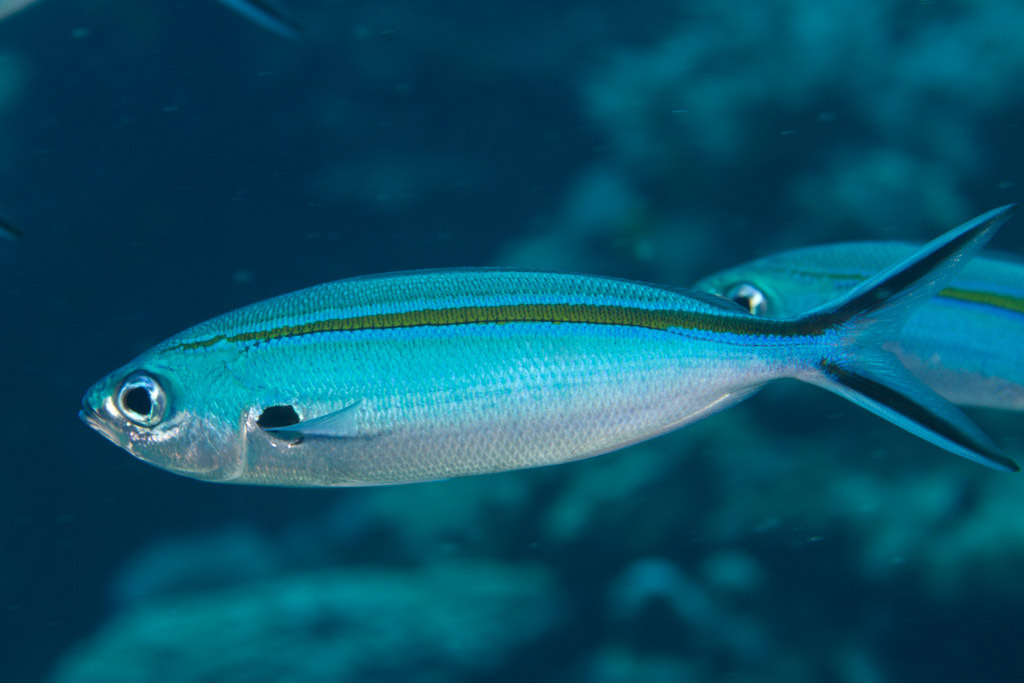
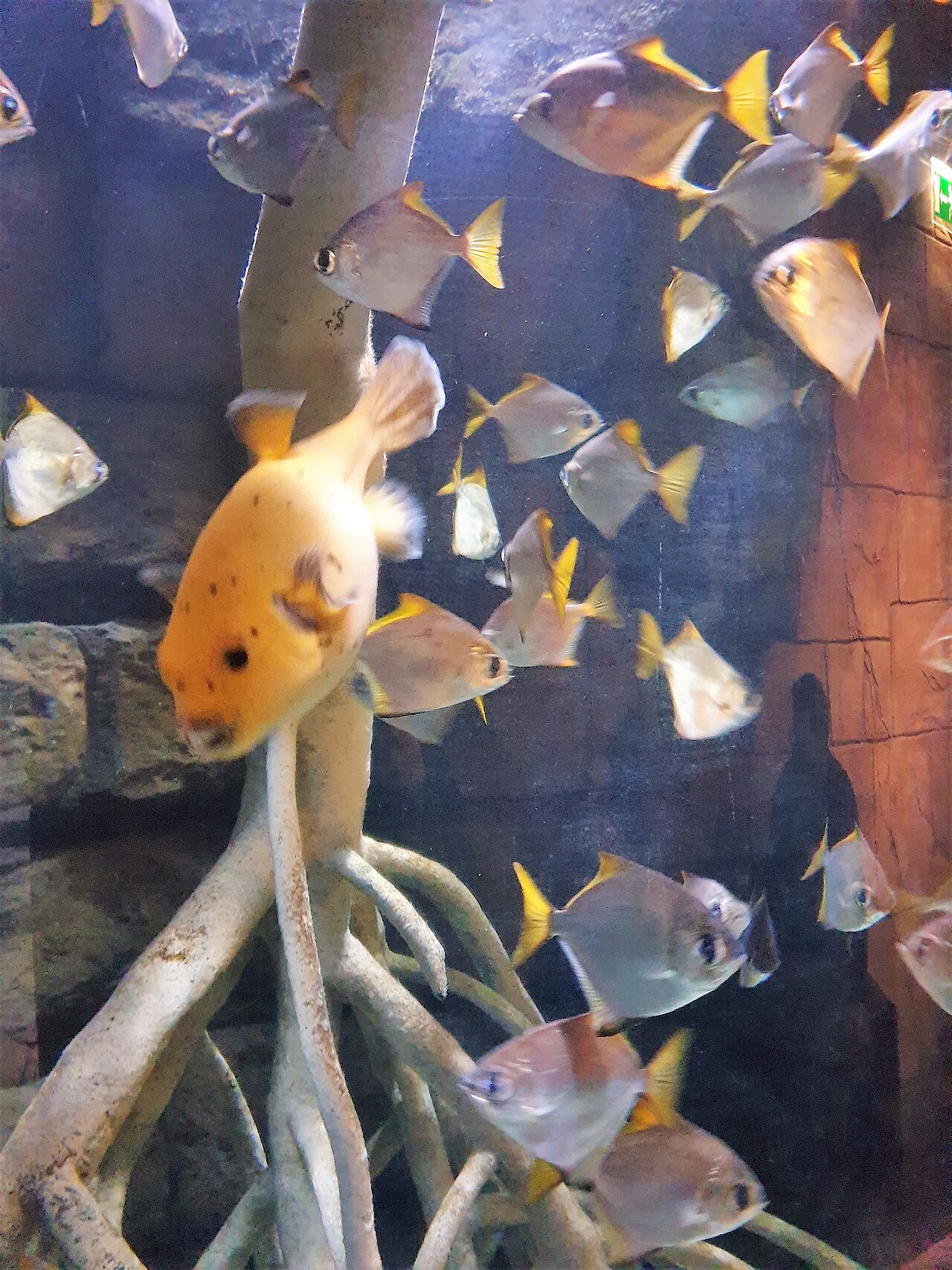
The Monodactylus argenteus, or silver moonyfish, captivates with its shimmering body and unique shape.
Pricing for Verified Importers
Log in to see wholesale prices and order.
Export Size
up to 25.0 cm
Origin
Indo-Pacific
Temperature
24.0–28.0°C
Min. Tank Size
200 L
Salinity
25.000–35.000 ppt
pH
7.50–8.50
Diet
herbivore
The Monodactylus argenteus, commonly known as the silver moonyfish, is a striking marine species found primarily in the shallow coastal waters of the Indo-Pacific region. This species is easily recognized by its distinctive, laterally compressed body and silver coloration, which glimmers under sunlight, reflecting the hues of its environment. Adult silver moonyfish can reach sizes up to 25 cm (10 inches) in length, showcasing a beautiful blend of silver and yellow when fully mature.
In terms of behavior, silver moonyfish are known for their schooling nature, often found in groups that enhance their safety from predators. They are generally peaceful and can coexist with various other species in a communal aquarium setting. Their natural habitat includes estuaries and lagoons, where they inhabit sandy and muddy substrates, often seeking shelter among seagrass and coral reefs. This species is predominantly diurnal, foraging for food during the day and resting at night.
Silver moonyfish are primarily herbivorous, feeding on algae and detritus in their natural habitat. Their diet can be supplemented with high-quality flakes, spirulina, and other vegetable-based foods in captivity. This adaptability in diet makes them suitable for a range of aquarium environments, provided their dietary needs are met.
Overall, the silver moonyfish is not only an attractive addition to marine aquariums but also an interesting species to observe due to its unique swimming patterns and social behavior. Importers and retailers can benefit from offering this captivating species as it appeals to both novice and experienced marine aquarium enthusiasts.
In terms of behavior, silver moonyfish are known for their schooling nature, often found in groups that enhance their safety from predators. They are generally peaceful and can coexist with various other species in a communal aquarium setting. Their natural habitat includes estuaries and lagoons, where they inhabit sandy and muddy substrates, often seeking shelter among seagrass and coral reefs. This species is predominantly diurnal, foraging for food during the day and resting at night.
Silver moonyfish are primarily herbivorous, feeding on algae and detritus in their natural habitat. Their diet can be supplemented with high-quality flakes, spirulina, and other vegetable-based foods in captivity. This adaptability in diet makes them suitable for a range of aquarium environments, provided their dietary needs are met.
Overall, the silver moonyfish is not only an attractive addition to marine aquariums but also an interesting species to observe due to its unique swimming patterns and social behavior. Importers and retailers can benefit from offering this captivating species as it appeals to both novice and experienced marine aquarium enthusiasts.
When keeping Monodactylus argenteus, it is essential to maintain optimal water parameters to ensure their health and vitality. The ideal water temperature ranges from 24°C to 28°C (75°F to 82°F), with a salinity of 25-35 ppt. Furthermore, maintaining a pH between 7.5 and 8.5 is crucial for their well-being. A minimum tank size of 200 liters is recommended to provide adequate swimming space and stability in water conditions.
Feeding should be varied, with a diet primarily composed of herbivore pellets, spirulina, and fresh vegetables to replicate their natural feeding habits. Compatibility is generally good with non-aggressive fish, making them suitable for community tanks; however, caution should be taken with more aggressive species that may pose a threat.
Acclimation is critical when introducing these fish to a new environment. A slow drip acclimation process over several hours is recommended to reduce stress. Quarantine new arrivals for at least two weeks to monitor for any signs of disease before introducing them to the main display tank. Regular water quality testing and maintenance are essential to keep the fish healthy and thriving in captivity.
Feeding should be varied, with a diet primarily composed of herbivore pellets, spirulina, and fresh vegetables to replicate their natural feeding habits. Compatibility is generally good with non-aggressive fish, making them suitable for community tanks; however, caution should be taken with more aggressive species that may pose a threat.
Acclimation is critical when introducing these fish to a new environment. A slow drip acclimation process over several hours is recommended to reduce stress. Quarantine new arrivals for at least two weeks to monitor for any signs of disease before introducing them to the main display tank. Regular water quality testing and maintenance are essential to keep the fish healthy and thriving in captivity.
Monodactylus argenteus is suitable for shipping due to its hardiness and adaptability. Packing density should be moderate, allowing for adequate oxygen and water circulation during transport. Temperature sensitivity should be observed, ideally maintaining a range of 24°C to 28°C during shipping. There are no CITES restrictions on this species, which facilitates international trade.
Species Parameters
Max Adult Size
25.0 cm
Origin
Indo-Pacific
Diet
herbivore
Temp Min
24.0 °C
Temp Max
28.0 °C
Salinity Min
25.000
Salinity Max
35.000
pH Min
7.50
pH Max
8.50
Min Tank
200 L