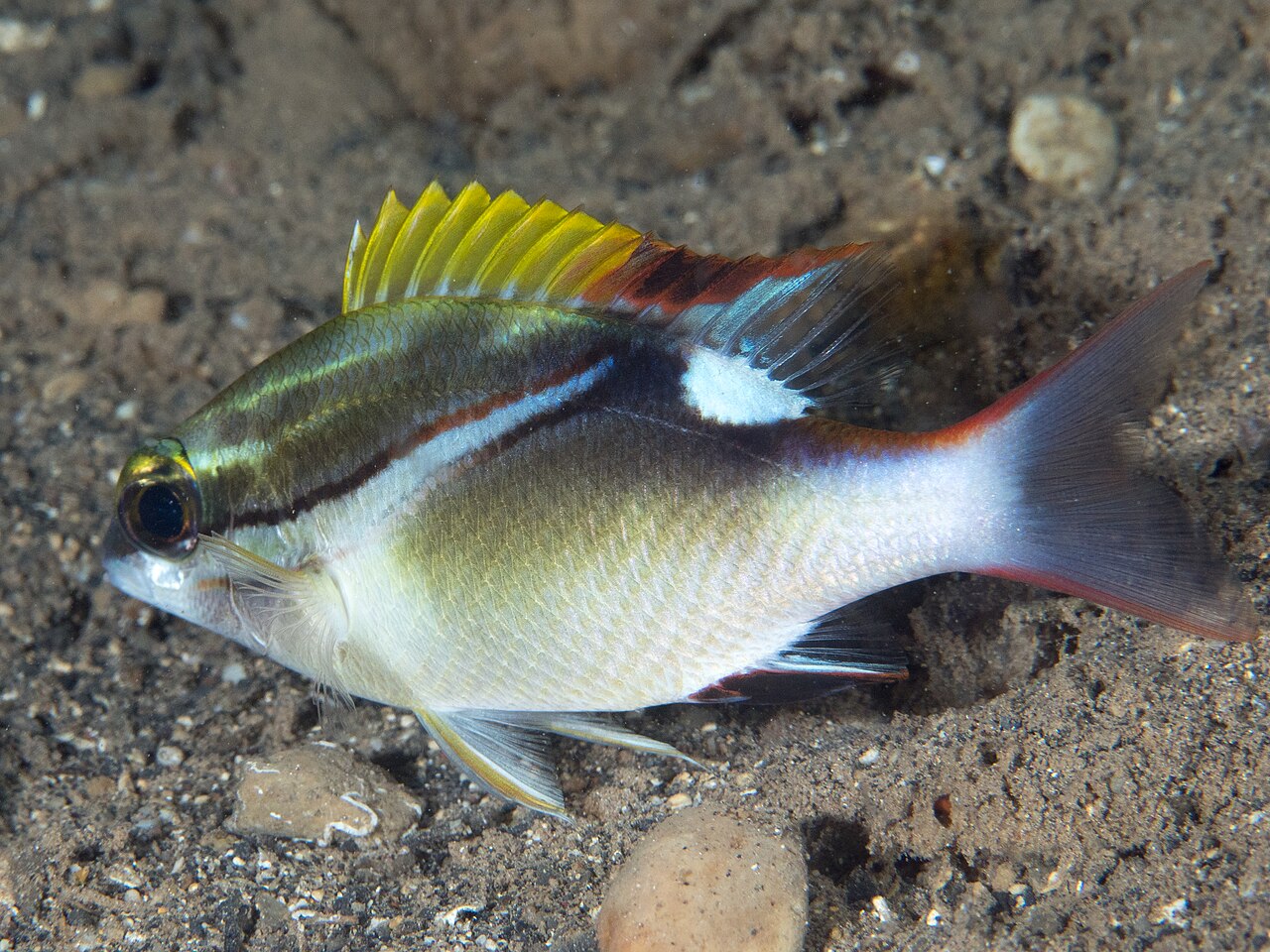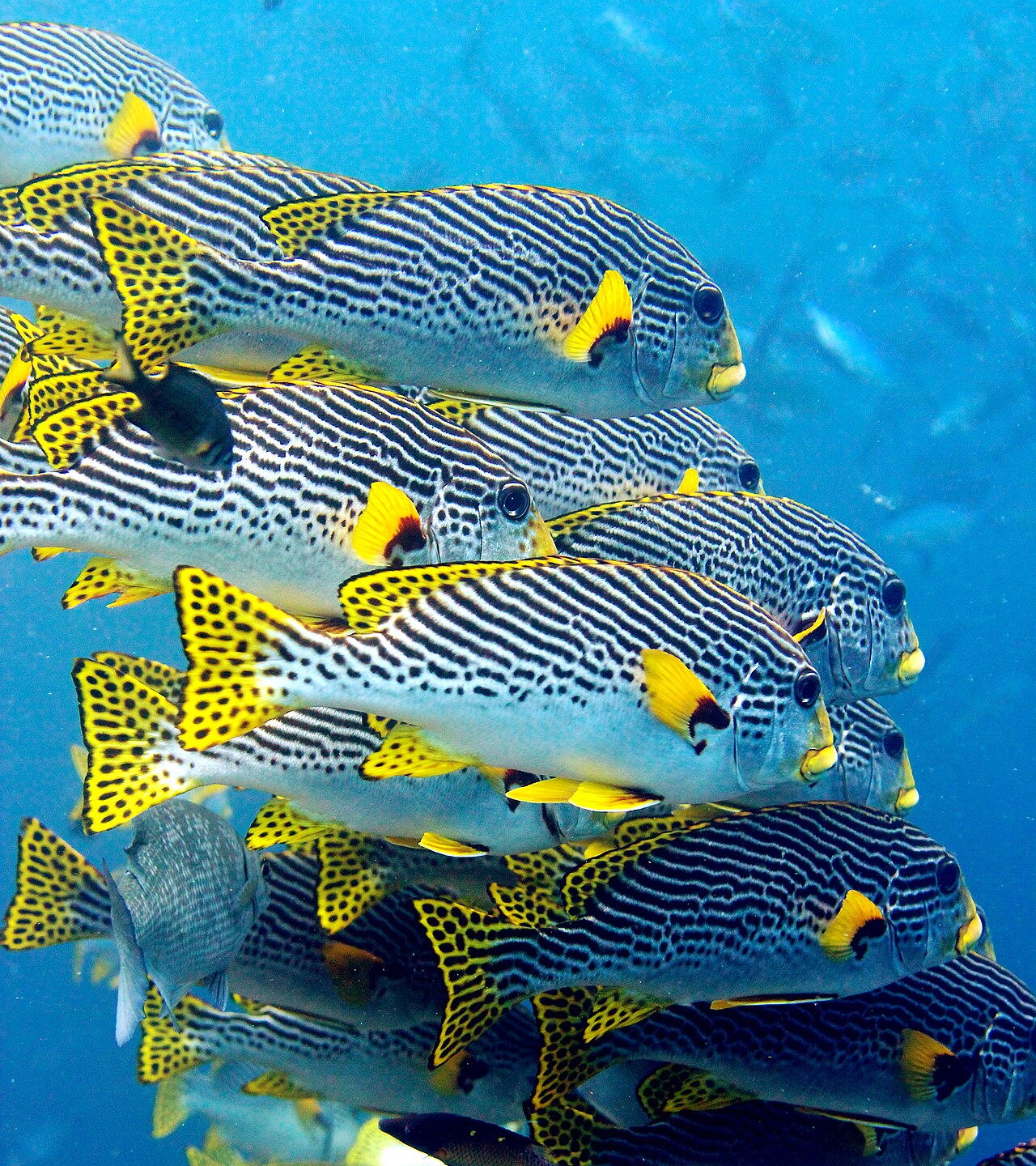
Oblique-banded Sweetlips/Yellowbanded sweetlips
plectorhinchus lineatus
In Stock
Common stock
Wild Caught
Moderate care
With Caution
SKU: ML-MF-0265
The Oblique-banded Sweetlips stands out for its striking yellow and black stripes, captivating both aquarists and divers.
Pricing for Verified Importers
Log in to see wholesale prices and order.
Export Size
up to 50.0 cm
Origin
Indo-Pacific
Temperature
24.0–28.0°C
Min. Tank Size
300 L
Salinity
1.020–1.025 ppt
pH
8.10–8.40
Diet
carnivore
The Oblique-banded Sweetlips (Plectorhinchus lineatus) is a visually striking marine fish known for its unique coloration and engaging behavior. This species exhibits a distinctive pattern of yellow and black bands, which not only serves as a form of camouflage in its natural habitat but also makes it a popular choice among aquarium enthusiasts. Adult sweetlips can reach up to 50 cm in length, showcasing an impressive morphology that adds a dynamic presence to any marine display.
In the wild, Oblique-banded Sweetlips are typically found in shallow, coral-rich environments of the Indo-Pacific region, particularly around the Coral Triangle. They prefer areas with ample hiding spots among rocks and coral structures, which provide protection from predators. Juveniles are often seen in shallower waters, while adults tend to inhabit deeper reefs. Their social nature allows them to form small schools, often seen hovering near the reef structures.
Behaviorally, these fish are known for their curious and somewhat playful demeanor. They are diurnal, actively foraging during the day for small invertebrates and crustaceans. Their feeding habits include picking at coral and searching through crevices, which is essential for their diet. This foraging behavior not only aids in their growth but also contributes to the health of the reef ecosystem.
As a species, they are relatively hardy but should be kept in well-maintained environments to thrive. Their vibrant colors and lively behavior make them a highlight in any marine aquarium, while their role in the reef ecosystem underscores their importance in marine biodiversity.
In the wild, Oblique-banded Sweetlips are typically found in shallow, coral-rich environments of the Indo-Pacific region, particularly around the Coral Triangle. They prefer areas with ample hiding spots among rocks and coral structures, which provide protection from predators. Juveniles are often seen in shallower waters, while adults tend to inhabit deeper reefs. Their social nature allows them to form small schools, often seen hovering near the reef structures.
Behaviorally, these fish are known for their curious and somewhat playful demeanor. They are diurnal, actively foraging during the day for small invertebrates and crustaceans. Their feeding habits include picking at coral and searching through crevices, which is essential for their diet. This foraging behavior not only aids in their growth but also contributes to the health of the reef ecosystem.
As a species, they are relatively hardy but should be kept in well-maintained environments to thrive. Their vibrant colors and lively behavior make them a highlight in any marine aquarium, while their role in the reef ecosystem underscores their importance in marine biodiversity.
For aquarium importers and retailers, maintaining the health of the Oblique-banded Sweetlips is crucial. Optimal water parameters include a temperature range of 24-28°C, with a salinity level between 1.020-1.025 ppt and a pH between 8.1-8.4. These conditions mimic their natural habitat, ensuring the fish adapt well to aquarium life.
Feeding should consist of a varied diet rich in marine proteins, including small pellets, live or frozen foods such as shrimp, and other meaty offerings to support their carnivorous nature. It's imperative to monitor their feeding closely, as overfeeding can lead to health issues. Compatibility with other species is generally good, but caution should be exercised with aggressive tank mates, as sweetlips can be timid.
Acclimation should be gradual to reduce stress; consider using the drip acclimation method to introduce them into new environments. Quarantine is recommended for at least two weeks before adding them to a display tank to prevent the spread of potential diseases. Providing ample hiding spots and open swimming space will contribute to a healthy and thriving environment for these beautiful fish.
Feeding should consist of a varied diet rich in marine proteins, including small pellets, live or frozen foods such as shrimp, and other meaty offerings to support their carnivorous nature. It's imperative to monitor their feeding closely, as overfeeding can lead to health issues. Compatibility with other species is generally good, but caution should be exercised with aggressive tank mates, as sweetlips can be timid.
Acclimation should be gradual to reduce stress; consider using the drip acclimation method to introduce them into new environments. Quarantine is recommended for at least two weeks before adding them to a display tank to prevent the spread of potential diseases. Providing ample hiding spots and open swimming space will contribute to a healthy and thriving environment for these beautiful fish.
Oblique-banded Sweetlips are suitable for air freight, provided they are packed securely in oxygenated bags. Optimal packing density should allow for 1-2 fish per liter to minimize stress. They are sensitive to temperature fluctuations, so maintaining a stable environment during transport is critical. No specific CITES restrictions apply to this species, making it easier for importers.
Species Parameters
Max Adult Size
50.0 cm
Origin
Indo-Pacific
Diet
carnivore
Temp Min
24.0 °C
Temp Max
28.0 °C
Salinity Min
1.020
Salinity Max
1.025
pH Min
8.10
pH Max
8.40
Min Tank
300 L