Spotted Garden Eel
Heteroconger hassi
In Stock
Common stock
Wild Caught
Moderate care
With Caution
SKU: CB-MF-0410
The Spotted Garden Eel is a captivating marine species known for its unique appearance and fascinating behavior.
Pricing for Verified Importers
Log in to see wholesale prices and order.
Export Size
up to 45.0 cm
Origin
Indo-Pacific
Temperature
24.0–28.0°C
Min. Tank Size
200 L
Salinity
30.000–35.000 ppt
pH
7.50–8.50
Diet
carnivore
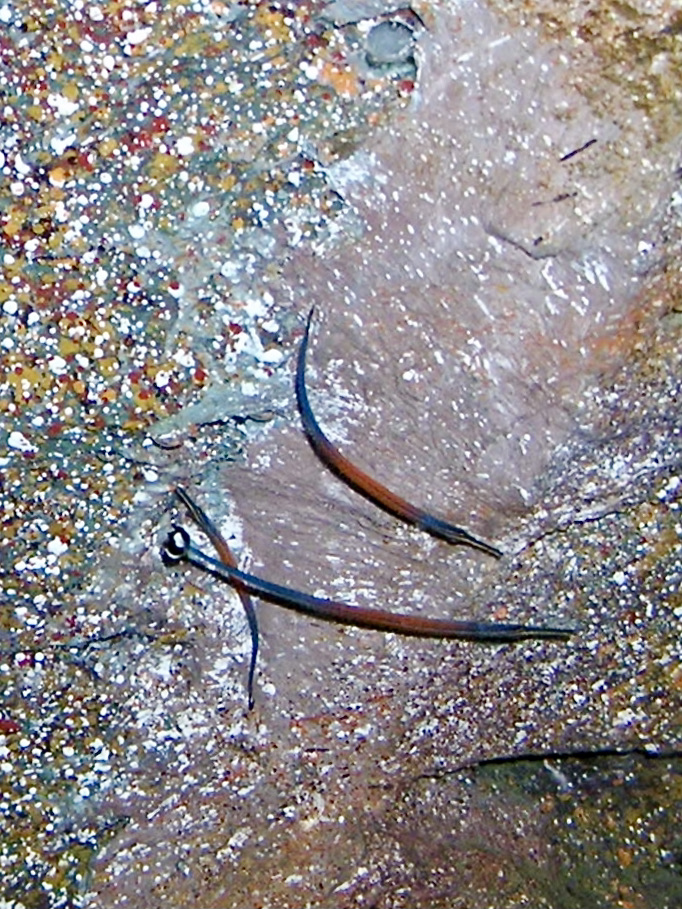
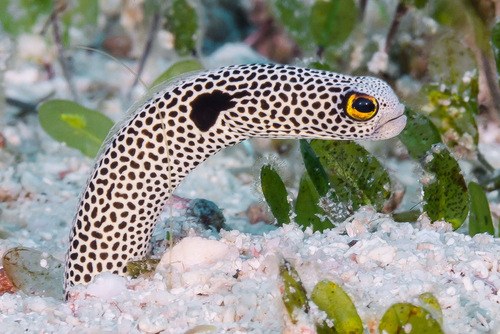
The Spotted Garden Eel (Heteroconger hassi) is a distinctive marine fish native to the Indo-Pacific region, particularly abundant in shallow sandy or muddy substrates. These eels are often found in colonies, where they burrow into the substrate, leaving only their elongated bodies and heads visible, creating a striking visual effect. Their coloration typically features a light background adorned with numerous dark spots, which helps them blend into their environment and avoid predators.
In terms of behavior, Spotted Garden Eels are known for their social nature, often seen emerging from their burrows in unison. This collective behavior not only provides safety in numbers but also aids in foraging for plankton and small invertebrates, their primary diet. Unlike many other eel species, they do not swim freely in the water column but prefer to remain anchored in their burrows, darting in and out to feed or escape threats.
Their habitat is primarily located in sandy or muddy substrates of reefs and coastal marine environments, where they can find ample food and protection from larger predators. These eels contribute to the health of their ecosystem by participating in the benthic community, which plays a crucial role in nutrient cycling.
The Spotted Garden Eel is not only an intriguing species for aquarists but also serves as a vital component of marine biodiversity. Their unique behaviors and social structures make them a fascinating subject of study for marine biologists and enthusiasts alike.
In terms of behavior, Spotted Garden Eels are known for their social nature, often seen emerging from their burrows in unison. This collective behavior not only provides safety in numbers but also aids in foraging for plankton and small invertebrates, their primary diet. Unlike many other eel species, they do not swim freely in the water column but prefer to remain anchored in their burrows, darting in and out to feed or escape threats.
Their habitat is primarily located in sandy or muddy substrates of reefs and coastal marine environments, where they can find ample food and protection from larger predators. These eels contribute to the health of their ecosystem by participating in the benthic community, which plays a crucial role in nutrient cycling.
The Spotted Garden Eel is not only an intriguing species for aquarists but also serves as a vital component of marine biodiversity. Their unique behaviors and social structures make them a fascinating subject of study for marine biologists and enthusiasts alike.
For successful care of Spotted Garden Eels, maintain a minimum tank size of 200 liters to provide ample space for burrowing and swimming. Ideal water parameters include a temperature range of 24-28°C, salinity of 30-35 ppt, and a pH level between 7.5 and 8.5. It is crucial to create a sandy substrate that allows these eels to burrow, mimicking their natural habitat.
Feeding should consist of high-quality marine pellets, frozen mysis shrimp, and other small seafood items, ensuring they receive a balanced diet rich in protein. Feed them multiple small portions daily rather than one large meal to prevent overfeeding and ensure they can consume their food efficiently.
Compatibility-wise, Spotted Garden Eels are generally peaceful but can be shy. They do well with other non-aggressive species, but it’s advisable to avoid housing them with larger predatory fish that may see them as prey. Acclimation to a new tank should be gradual, using the drip acclimation method to minimize stress.
Quarantine new arrivals for at least 2 weeks to prevent the introduction of diseases. Monitor their behavior closely during this period, ensuring they eat well and show no signs of distress. With proper care, Spotted Garden Eels can thrive in both home aquariums and retail environments.
Feeding should consist of high-quality marine pellets, frozen mysis shrimp, and other small seafood items, ensuring they receive a balanced diet rich in protein. Feed them multiple small portions daily rather than one large meal to prevent overfeeding and ensure they can consume their food efficiently.
Compatibility-wise, Spotted Garden Eels are generally peaceful but can be shy. They do well with other non-aggressive species, but it’s advisable to avoid housing them with larger predatory fish that may see them as prey. Acclimation to a new tank should be gradual, using the drip acclimation method to minimize stress.
Quarantine new arrivals for at least 2 weeks to prevent the introduction of diseases. Monitor their behavior closely during this period, ensuring they eat well and show no signs of distress. With proper care, Spotted Garden Eels can thrive in both home aquariums and retail environments.
Spotted Garden Eels are suitable for shipping, provided they are packed securely to prevent movement. Use appropriate insulation and aeration in shipping bags to maintain water quality during transit. They are sensitive to temperature fluctuations, so shipping should occur within their ideal range of 24-28°C. These eels are not listed under CITES, simplifying export procedures.
Species Parameters
Max Adult Size
45.0 cm
Origin
Indo-Pacific
Diet
carnivore
Temp Min
24.0 °C
Temp Max
28.0 °C
Salinity Min
30.000
Salinity Max
35.000
pH Min
7.50
pH Max
8.50
Min Tank
200 L