Oriental Sweetlips
plectorhinchus vittatus
In Stock
Common stock
Wild Caught
Moderate care
With Caution
SKU: ML-MF-0261
The Oriental Sweetlips captivates with its vibrant colors and dynamic behavior.
Pricing for Verified Importers
Log in to see wholesale prices and order.
Export Size
up to 40.0 cm
Origin
Indo-Pacific
Temperature
24.0–28.0°C
Min. Tank Size
500 L
Salinity
1.020–1.025 ppt
pH
8.10–8.40
Diet
carnivore
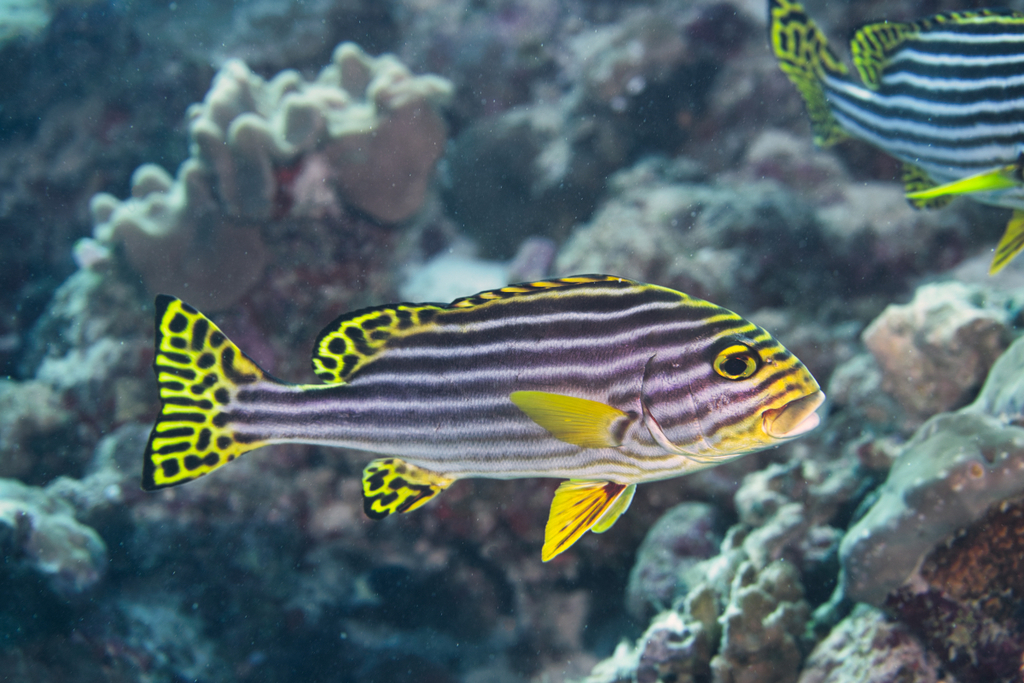
The Oriental Sweetlips (Plectorhinchus vittatus) is a striking marine fish native to the coral reefs of the Indo-Pacific region. This species is known for its distinctive appearance, featuring bold yellow and black stripes that provide excellent camouflage among the coral structures. As juveniles, they exhibit a more muted coloration, which evolves into the vibrant pattern seen in adults. Their large, protruding mouths and rounded bodies make them easily recognizable among reef inhabitants.
In terms of natural history, Oriental Sweetlips are typically found in shallow coral reefs and sandy substrates, where they seek shelter during the day. They are primarily nocturnal feeders, venturing out at night to forage for crustaceans, small fish, and other invertebrates. Their feeding habits and social behavior are fascinating; they are often seen in small groups, which helps provide safety in numbers against predators.
Behaviorally, Oriental Sweetlips are known for their curious and interactive nature. They often engage with divers, showcasing their playful side. This species communicates through body language and color changes, which can indicate stress or excitement. Their social structure is important, as they often establish hierarchies within their groups, displaying dominance through posturing.
Habitat-wise, these fish thrive in warm, shallow waters typically ranging from 1 to 30 meters deep. They prefer areas with rich coral growth, which offers ample food and shelter. As reef dwellers, they play a crucial role in maintaining the ecological balance by controlling invertebrate populations and contributing to the overall health of the reef ecosystem.
In terms of natural history, Oriental Sweetlips are typically found in shallow coral reefs and sandy substrates, where they seek shelter during the day. They are primarily nocturnal feeders, venturing out at night to forage for crustaceans, small fish, and other invertebrates. Their feeding habits and social behavior are fascinating; they are often seen in small groups, which helps provide safety in numbers against predators.
Behaviorally, Oriental Sweetlips are known for their curious and interactive nature. They often engage with divers, showcasing their playful side. This species communicates through body language and color changes, which can indicate stress or excitement. Their social structure is important, as they often establish hierarchies within their groups, displaying dominance through posturing.
Habitat-wise, these fish thrive in warm, shallow waters typically ranging from 1 to 30 meters deep. They prefer areas with rich coral growth, which offers ample food and shelter. As reef dwellers, they play a crucial role in maintaining the ecological balance by controlling invertebrate populations and contributing to the overall health of the reef ecosystem.
For importers and retailers, ensuring optimal conditions for Oriental Sweetlips is essential for their health and well-being. They thrive in water temperatures between 24°C to 28°C, with a salinity range of 1.020 to 1.025 ppt. pH levels should be maintained between 8.1 and 8.4. A minimum tank size of 500 liters is recommended to accommodate their active swimming behavior and social needs.
Feeding should consist of a varied diet that includes high-quality marine pellets, frozen shrimp, and other meaty foods to mimic their natural diet in the wild. It’s important to feed them multiple times a day to ensure proper nutrition and growth. In terms of compatibility, Oriental Sweetlips can be kept with other reef species but should be monitored closely, as they may exhibit territorial behavior, especially during mating season.
Acclimation is critical; it is advisable to use a drip acclimation method to minimize stress when introducing them to a new environment. Quarantine new arrivals for at least two weeks to prevent the spread of disease and monitor their health before introducing them to the main display tank.
Feeding should consist of a varied diet that includes high-quality marine pellets, frozen shrimp, and other meaty foods to mimic their natural diet in the wild. It’s important to feed them multiple times a day to ensure proper nutrition and growth. In terms of compatibility, Oriental Sweetlips can be kept with other reef species but should be monitored closely, as they may exhibit territorial behavior, especially during mating season.
Acclimation is critical; it is advisable to use a drip acclimation method to minimize stress when introducing them to a new environment. Quarantine new arrivals for at least two weeks to prevent the spread of disease and monitor their health before introducing them to the main display tank.
Oriental Sweetlips are suitable for air shipping due to their hardiness, but care must be taken regarding packing density to avoid stress. They should be packed with ample water and oxygen to maintain optimal conditions. Ideal shipping temperatures range from 24°C to 26°C. While not CITES listed, they should be handled with care to ensure their health during transport.
Species Parameters
Max Adult Size
40.0 cm
Origin
Indo-Pacific
Diet
carnivore
Temp Min
24.0 °C
Temp Max
28.0 °C
Salinity Min
1.020
Salinity Max
1.025
pH Min
8.10
pH Max
8.40
Min Tank
500 L