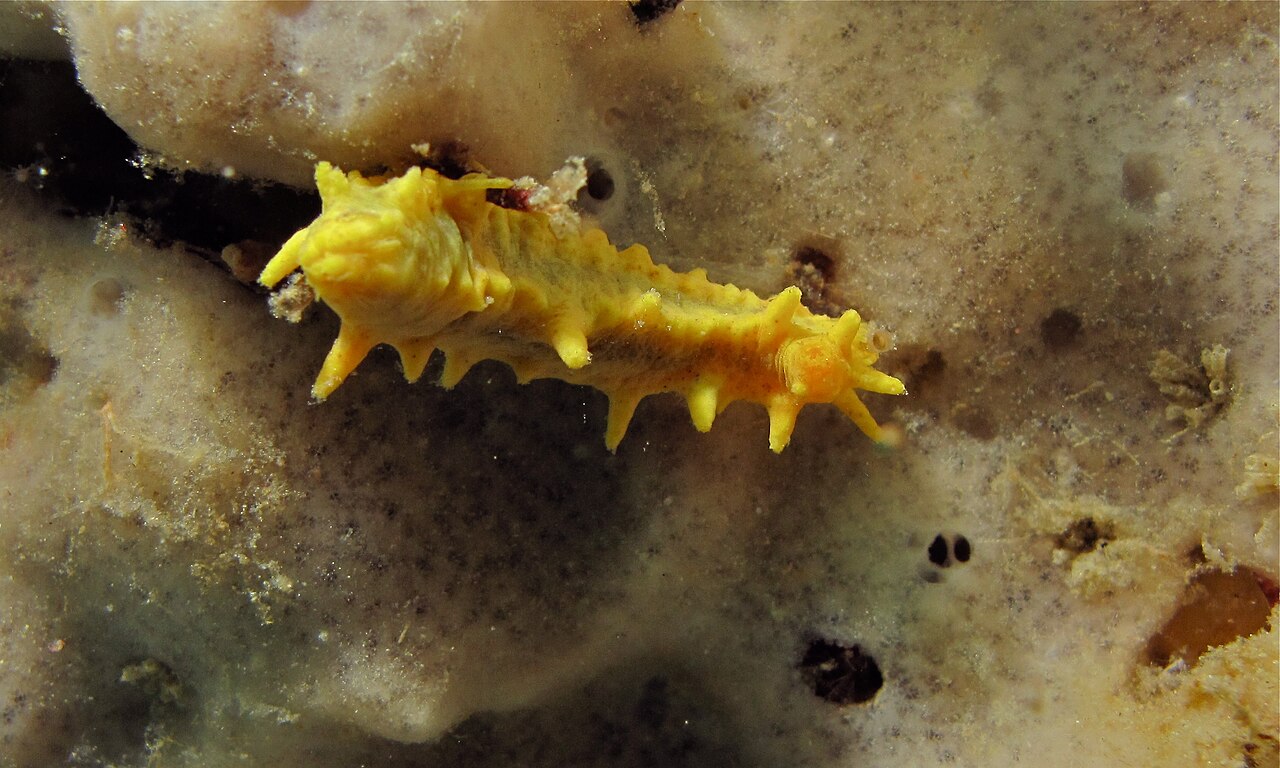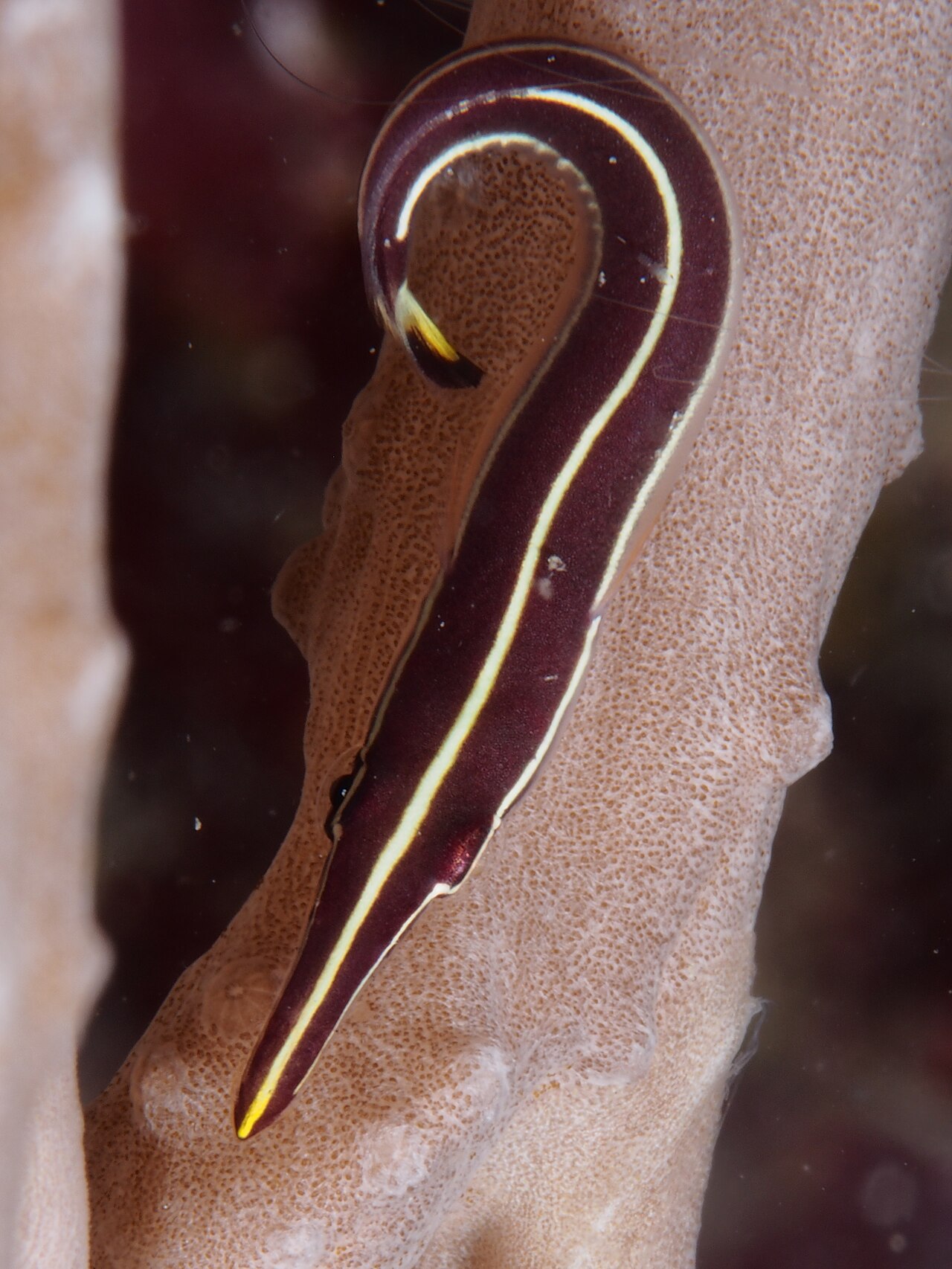
Headstripe longfin/Cephalotaenia Longfish
plesiops cephalotaenia
In Stock
Common stock
Wild Caught
Moderate care
With Caution
SKU: ML-MF-0090
The Headstripe longfin is a stunning marine fish known for its vibrant coloration and elongated fins.
Pricing for Verified Importers
Log in to see wholesale prices and order.
Export Size
up to 25.0 cm
Origin
Coral Triangle
Temperature
24.0–28.0°C
Min. Tank Size
150 L
Salinity
30.000–35.000 ppt
pH
8.10–8.40
Diet
carnivore
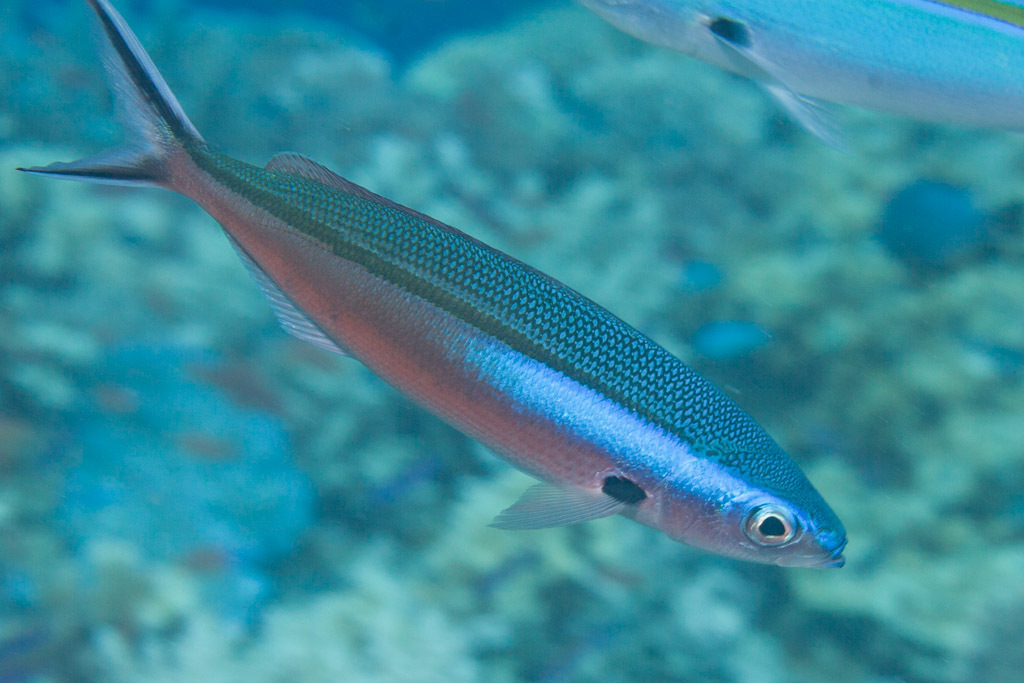
The Headstripe longfin (Cephalotaenia longfish) is a unique marine species native to the Coral Triangle, specifically found in the waters surrounding Bali, Indonesia. This fish is characterized by its striking elongated body and long, flowing fins that create a dramatic appearance as it swims gracefully through its habitat. Typically sporting a combination of vivid hues, including blues and reds, the Headstripe longfin is not only visually appealing but also an intriguing specimen for aquarium enthusiasts.
In terms of natural history, the Headstripe longfin is a carnivorous species, primarily feeding on small invertebrates and zooplankton. Its slender body shape allows it to navigate through coral reefs and rocky outcrops, where it finds ample food resources. This fish is known for its active behavior, often seen darting in and out of crevices and exhibiting a curious nature, which adds to its allure in a home aquarium setting.
The preferred habitat of the Headstripe longfin includes shallow reefs and coastal areas with plenty of structure and cover. These environments provide both food sources and protection from predators. The species thrives in areas with strong water currents, which help to deliver nutrients and food, making it an essential part of its ecosystem. Understanding its natural habitat is crucial for recreating an optimal environment in aquariums.
With proper care and conditions, the Headstripe longfin can thrive in captivity, making it a sought-after choice for marine aquarium importers and wholesalers. Its unique features and behavior make it a captivating addition to reef tanks, appealing to both novice and experienced aquarists alike.
In terms of natural history, the Headstripe longfin is a carnivorous species, primarily feeding on small invertebrates and zooplankton. Its slender body shape allows it to navigate through coral reefs and rocky outcrops, where it finds ample food resources. This fish is known for its active behavior, often seen darting in and out of crevices and exhibiting a curious nature, which adds to its allure in a home aquarium setting.
The preferred habitat of the Headstripe longfin includes shallow reefs and coastal areas with plenty of structure and cover. These environments provide both food sources and protection from predators. The species thrives in areas with strong water currents, which help to deliver nutrients and food, making it an essential part of its ecosystem. Understanding its natural habitat is crucial for recreating an optimal environment in aquariums.
With proper care and conditions, the Headstripe longfin can thrive in captivity, making it a sought-after choice for marine aquarium importers and wholesalers. Its unique features and behavior make it a captivating addition to reef tanks, appealing to both novice and experienced aquarists alike.
To successfully care for the Headstripe longfin, maintaining suitable water parameters is essential. The ideal temperature range for this species is between 24°C to 28°C, with a salinity level of 30-35 ppt. A pH range of 8.1 to 8.4 is recommended to replicate its natural environment. It is crucial to ensure excellent water quality through regular monitoring and filtration to keep the fish healthy and vibrant.
Feeding the Headstripe longfin involves providing a varied diet consisting primarily of high-quality frozen or live foods, such as brine shrimp, mysis shrimp, and other small marine invertebrates. This species is relatively social and can be kept in pairs or small groups, but it is important to monitor their interactions as they may exhibit territorial behavior.
Acclimation should be done gradually over several hours, allowing the fish to adjust to the new water conditions and reduce stress. Quarantine is also recommended for new arrivals to prevent the introduction of diseases into established systems. A minimum tank size of 150 liters is advised to provide ample swimming space and stable water conditions for the Headstripe longfin, ensuring a healthy and thriving environment.
Feeding the Headstripe longfin involves providing a varied diet consisting primarily of high-quality frozen or live foods, such as brine shrimp, mysis shrimp, and other small marine invertebrates. This species is relatively social and can be kept in pairs or small groups, but it is important to monitor their interactions as they may exhibit territorial behavior.
Acclimation should be done gradually over several hours, allowing the fish to adjust to the new water conditions and reduce stress. Quarantine is also recommended for new arrivals to prevent the introduction of diseases into established systems. A minimum tank size of 150 liters is advised to provide ample swimming space and stable water conditions for the Headstripe longfin, ensuring a healthy and thriving environment.
When shipping the Headstripe longfin, it is essential to maintain stable water temperatures between 24°C and 28°C to prevent stress and mortality. Packing density should be moderate to allow for adequate oxygen exchange during transit. The species is not listed under CITES, but proper documentation and compliance with export regulations are necessary to ensure a smooth shipping process.
Species Parameters
Max Adult Size
25.0 cm
Origin
Coral Triangle
Diet
carnivore
Temp Min
24.0 °C
Temp Max
28.0 °C
Salinity Min
30.000
Salinity Max
35.000
pH Min
8.10
pH Max
8.40
Min Tank
150 L