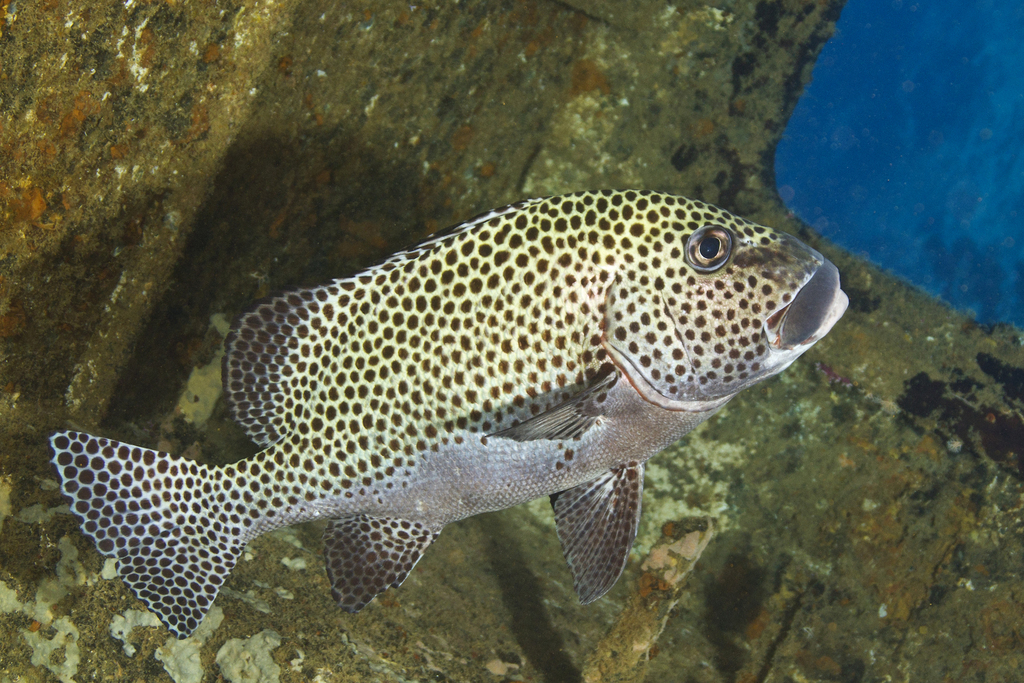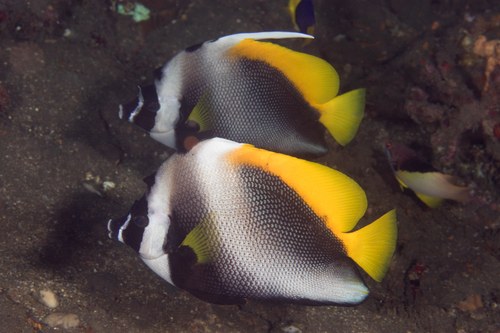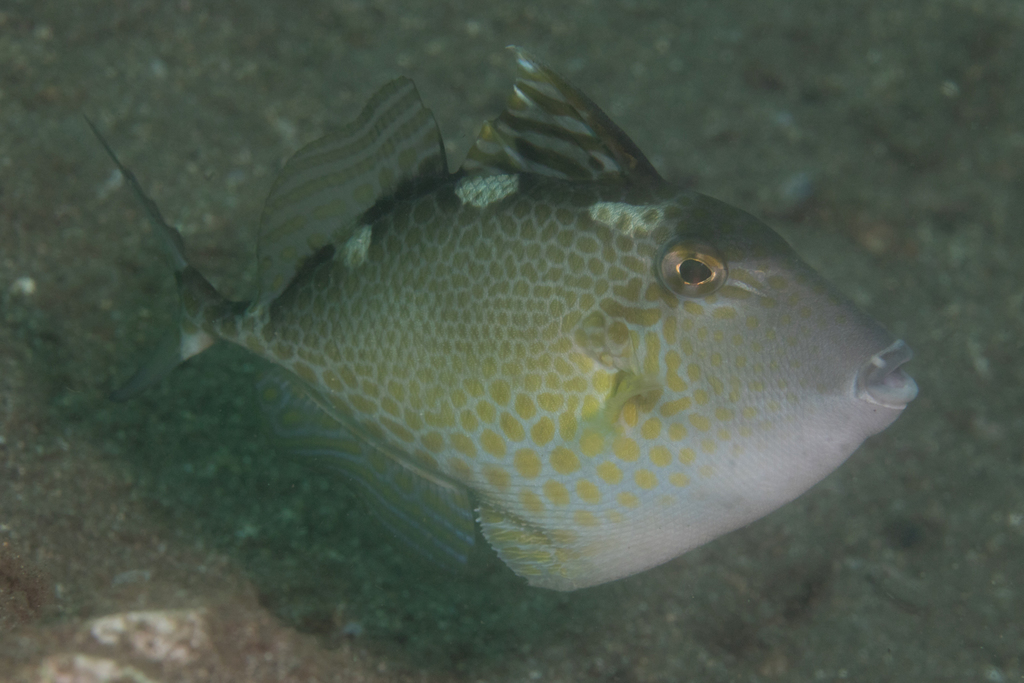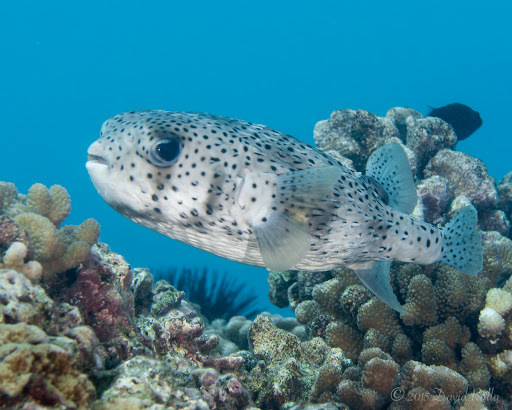
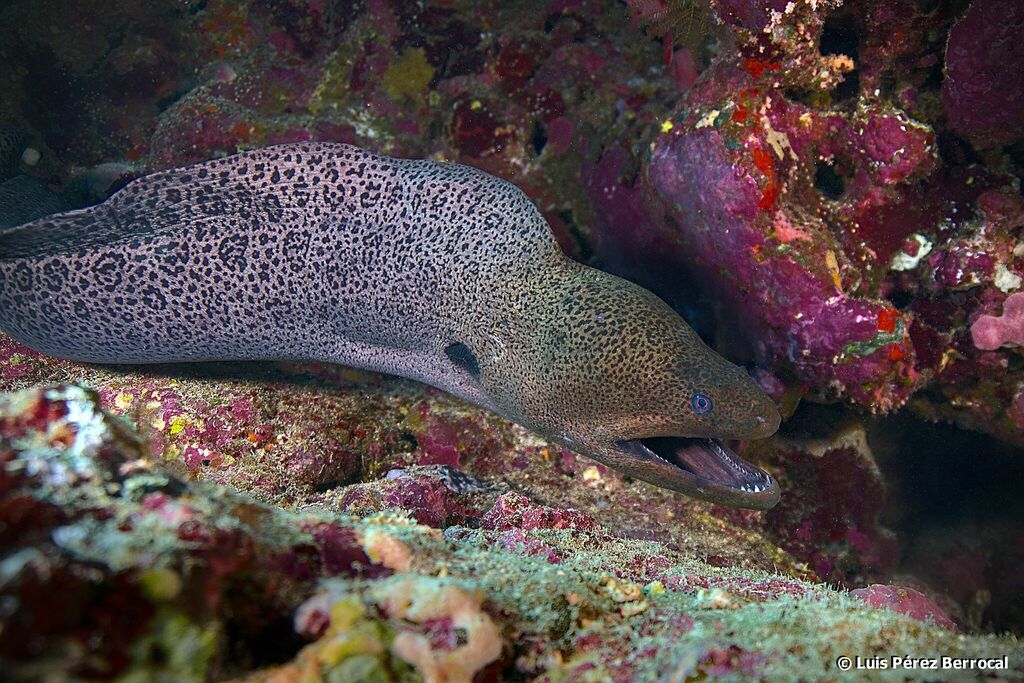
Giant moray/Moray Eel XL 100cm UP
gymnothorax javanicus
In Stock
Common stock
Wild Caught
Moderate care
With Caution
SKU: ML-MF-0189
The Giant Moray Eel is a captivating marine predator, known for its impressive size and unique behavior.
Pricing for Verified Importers
Log in to see wholesale prices and order.
Export Size
up to 300.0 cm
Origin
Indo-Pacific
Temperature
24.0–28.0°C
Min. Tank Size
500 L
Salinity
30.000–35.000 ppt
pH
8.10–8.40
Diet
carnivore
The Giant Moray Eel (Gymnothorax javanicus) is one of the largest moray eels, reaching lengths of over 3 meters, with individuals commonly found at sizes of 100 cm and above. This species is characterized by its elongated, snake-like body, which is covered in a mottled brown or greenish coloration that helps it blend seamlessly into its natural reef habitat. Its large, toothy jaws and expressive eyes give it a striking appearance, making it a popular choice for aquariums and marine exhibits.
Naturally, Giant Moray Eels inhabit coral reefs and rocky crevices in warm, tropical waters, primarily in the Indo-Pacific region. They are mostly nocturnal hunters, emerging from their hiding spots at night to feed on a variety of prey, including fish, crustaceans, and mollusks. Their excellent sense of smell and keen eyesight allow them to detect prey from a distance, while their agile bodies enable them to navigate through complex reef structures with ease.
Behaviorally, Giant Moray Eels are known for their solitary nature, often seen lurking in their preferred dens during the day. They display a fascinating mix of curiosity and caution, allowing divers and aquarium enthusiasts to observe their unique behaviors. Although they can be territorial, they rarely pose a threat to humans unless provoked. Their distinctive personalities and intelligent behaviors can make them both fascinating and rewarding to keep in aquariums.
In the wild, Giant Moray Eels play a crucial role in maintaining the balance of their ecosystem, helping to control the population of smaller fish and invertebrates. Their impressive size and adaptability make them a vital component of reef biodiversity, contributing to the overall health and stability of coral reef environments.
Naturally, Giant Moray Eels inhabit coral reefs and rocky crevices in warm, tropical waters, primarily in the Indo-Pacific region. They are mostly nocturnal hunters, emerging from their hiding spots at night to feed on a variety of prey, including fish, crustaceans, and mollusks. Their excellent sense of smell and keen eyesight allow them to detect prey from a distance, while their agile bodies enable them to navigate through complex reef structures with ease.
Behaviorally, Giant Moray Eels are known for their solitary nature, often seen lurking in their preferred dens during the day. They display a fascinating mix of curiosity and caution, allowing divers and aquarium enthusiasts to observe their unique behaviors. Although they can be territorial, they rarely pose a threat to humans unless provoked. Their distinctive personalities and intelligent behaviors can make them both fascinating and rewarding to keep in aquariums.
In the wild, Giant Moray Eels play a crucial role in maintaining the balance of their ecosystem, helping to control the population of smaller fish and invertebrates. Their impressive size and adaptability make them a vital component of reef biodiversity, contributing to the overall health and stability of coral reef environments.
For optimal care of Giant Moray Eels in an aquarium setting, it is essential to maintain stable water parameters. The recommended temperature range is between 24°C to 28°C, with a salinity of 30-35 ppt. A pH level of 8.1 to 8.4 is ideal to replicate their natural environment. Due to their size and territorial behavior, a minimum tank size of 500 liters is recommended, allowing ample space for swimming and hiding.
Feeding Giant Moray Eels is relatively straightforward, as they are carnivorous and will accept a diet of high-quality meaty foods. Options include fresh or frozen fish, shrimp, and squid. It is advisable to feed them several times a week, ensuring that the food is appropriately sized to prevent choking.
Compatibility with other species can be challenging, as they may exhibit aggressive behavior toward smaller fish. It is best to house them with larger, robust species that can withstand their predatory instincts. Proper acclimation is crucial when introducing them to a new environment; a gradual acclimation process helps reduce stress.
Quarantine of new arrivals for at least 2-4 weeks is highly recommended to prevent the introduction of parasites or diseases into the main display tank. Regular monitoring of water quality and eel health will ensure a thriving environment for these magnificent marine creatures.
Feeding Giant Moray Eels is relatively straightforward, as they are carnivorous and will accept a diet of high-quality meaty foods. Options include fresh or frozen fish, shrimp, and squid. It is advisable to feed them several times a week, ensuring that the food is appropriately sized to prevent choking.
Compatibility with other species can be challenging, as they may exhibit aggressive behavior toward smaller fish. It is best to house them with larger, robust species that can withstand their predatory instincts. Proper acclimation is crucial when introducing them to a new environment; a gradual acclimation process helps reduce stress.
Quarantine of new arrivals for at least 2-4 weeks is highly recommended to prevent the introduction of parasites or diseases into the main display tank. Regular monitoring of water quality and eel health will ensure a thriving environment for these magnificent marine creatures.
Giant Moray Eels are suitable for shipping when packed securely in well-oxygenated water at a stable temperature of 22°C to 26°C. It is important to use insulated boxes to maintain temperature during transit. A packing density of 1 eel per 100 liters of water is recommended to ensure adequate space and oxygen availability. As a species not listed under CITES, shipping regulations are less stringent, but adherence to local wildlife trade laws is essential.
Species Parameters
Max Adult Size
300.0 cm
Origin
Indo-Pacific
Diet
carnivore
Temp Min
24.0 °C
Temp Max
28.0 °C
Salinity Min
30.000
Salinity Max
35.000
pH Min
8.10
pH Max
8.40
Min Tank
500 L