Pacific Spaghetti eel
gorgasia japonica
In Stock
Common stock
Wild Caught
Moderate care
With Caution
SKU: ML-MF-0192
Discover the unique Pacific Spaghetti eel, a fascinating marine species from Bali.
Pricing for Verified Importers
Log in to see wholesale prices and order.
Export Size
up to 100.0 cm
Origin
Coral Triangle
Temperature
24.0–28.0°C
Min. Tank Size
200 L
Salinity
30.000–35.000 ppt
pH
8.00–8.40
Diet
carnivore
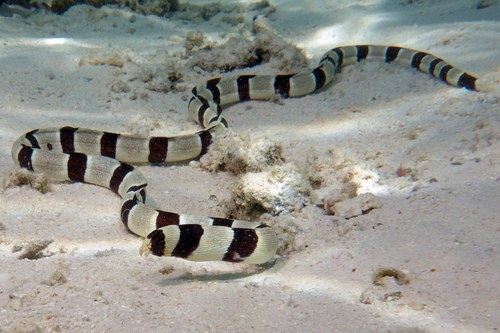
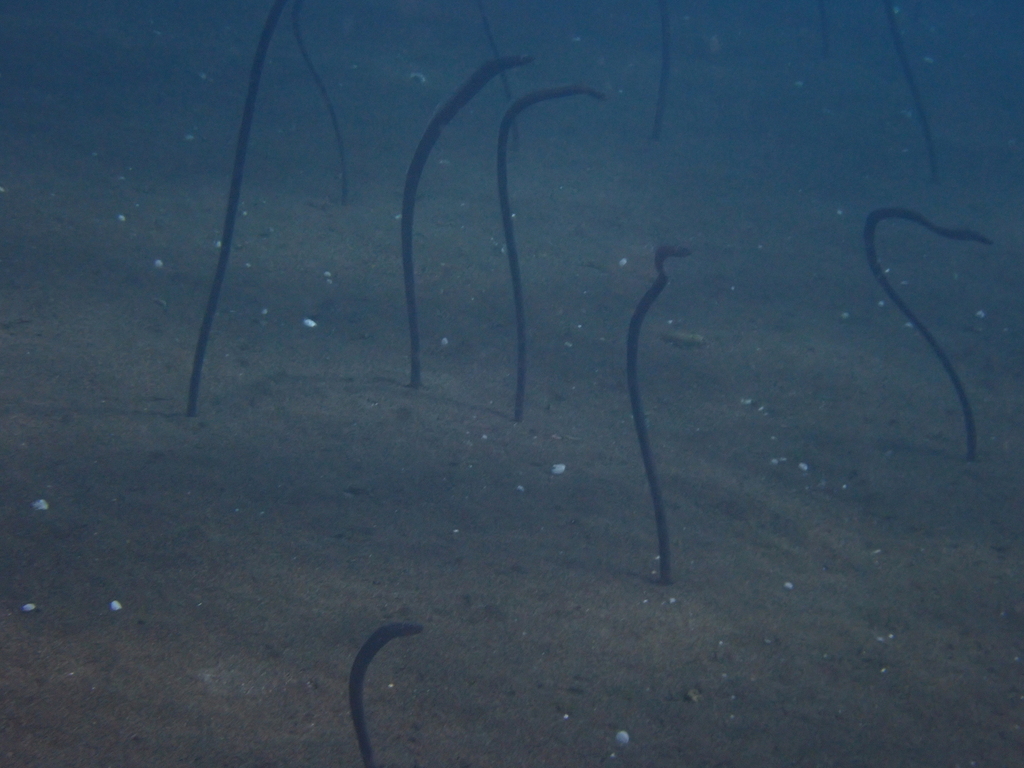
The Pacific Spaghetti eel (Gorgasia japonica) is a remarkable marine fish known for its elongated, slender body that resembles a piece of spaghetti, making it a captivating addition to any aquarium. These eels can be found in sandy or muddy substrates in shallow coastal waters, primarily in the Coral Triangle region of Southeast Asia. Their natural habitat includes reef environments where they hide among corals and debris, utilizing their camouflage to evade predators.
In terms of appearance, the Pacific Spaghetti eel showcases a pale coloration with dark, mottled patterns that help it blend seamlessly into its surroundings. They have a long, snake-like body that can reach lengths of up to 100 cm, although they are often seen at smaller sizes in aquariums. Their small, beady eyes and delicate fins contribute to their graceful swimming style, further enhancing their appeal to aquarists.
Behaviorally, these eels are typically nocturnal, emerging during the night to hunt for food. They primarily feed on small invertebrates and plankton, which they capture with their agile movements. Despite their eel-like appearance, they are generally non-aggressive and can be kept in community tanks with appropriate tank mates. Their shy nature means they prefer to have hiding spots available in the aquarium to feel secure.
The Pacific Spaghetti eel's unique characteristics and gentle temperament make it a highly sought-after species among marine enthusiasts. Their role in the ecosystem as both predator and prey highlights their importance in maintaining the balance of marine life in their native habitats.
In terms of appearance, the Pacific Spaghetti eel showcases a pale coloration with dark, mottled patterns that help it blend seamlessly into its surroundings. They have a long, snake-like body that can reach lengths of up to 100 cm, although they are often seen at smaller sizes in aquariums. Their small, beady eyes and delicate fins contribute to their graceful swimming style, further enhancing their appeal to aquarists.
Behaviorally, these eels are typically nocturnal, emerging during the night to hunt for food. They primarily feed on small invertebrates and plankton, which they capture with their agile movements. Despite their eel-like appearance, they are generally non-aggressive and can be kept in community tanks with appropriate tank mates. Their shy nature means they prefer to have hiding spots available in the aquarium to feel secure.
The Pacific Spaghetti eel's unique characteristics and gentle temperament make it a highly sought-after species among marine enthusiasts. Their role in the ecosystem as both predator and prey highlights their importance in maintaining the balance of marine life in their native habitats.
When caring for the Pacific Spaghetti eel, maintaining optimal water parameters is crucial for their health and well-being. Ideal water temperatures should range from 24°C to 28°C, with a salinity of 30-35 ppt. A pH level between 8.0 and 8.4 is recommended to mimic their natural environment. A minimum tank size of 200 liters is suggested, allowing ample space for swimming and hiding.
Feeding these eels requires a focus on a varied diet rich in protein. They thrive on a diet of live or frozen foods such as brine shrimp, mysis shrimp, and small pieces of fish. It’s essential to feed them small portions multiple times a week to prevent overfeeding, which can lead to water quality issues. As mostly solitary creatures, they can be kept with peaceful tank mates; however, caution should be taken with aggressive species that may harass them.
Acclimation is vital for the successful introduction of the Pacific Spaghetti eel into a new aquarium. It is recommended to use the drip acclimation method over several hours to reduce stress and ensure a smooth transition. Additionally, a quarantine period of at least two weeks is advisable to monitor for any signs of disease before introducing them to a larger aquarium setup.
Feeding these eels requires a focus on a varied diet rich in protein. They thrive on a diet of live or frozen foods such as brine shrimp, mysis shrimp, and small pieces of fish. It’s essential to feed them small portions multiple times a week to prevent overfeeding, which can lead to water quality issues. As mostly solitary creatures, they can be kept with peaceful tank mates; however, caution should be taken with aggressive species that may harass them.
Acclimation is vital for the successful introduction of the Pacific Spaghetti eel into a new aquarium. It is recommended to use the drip acclimation method over several hours to reduce stress and ensure a smooth transition. Additionally, a quarantine period of at least two weeks is advisable to monitor for any signs of disease before introducing them to a larger aquarium setup.
The Pacific Spaghetti eel is suitable for shipping, provided that proper precautions are taken. Packing density should allow for adequate space to prevent stress during transit. Temperature stability is critical; thus, maintaining a range of 24-28°C during shipping is essential. Ensure that the shipping containers are well-oxygenated and insulated to protect against temperature fluctuations. This species is not listed under CITES, simplifying export processes.
Species Parameters
Max Adult Size
100.0 cm
Origin
Coral Triangle
Diet
carnivore
Temp Min
24.0 °C
Temp Max
28.0 °C
Salinity Min
30.000
Salinity Max
35.000
pH Min
8.00
pH Max
8.40
Min Tank
200 L