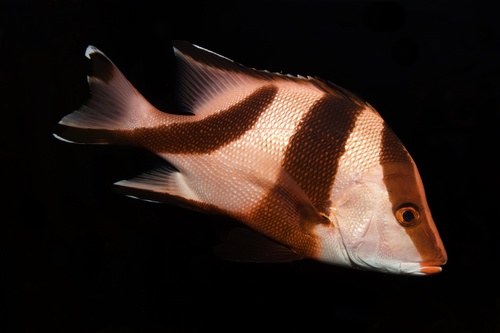
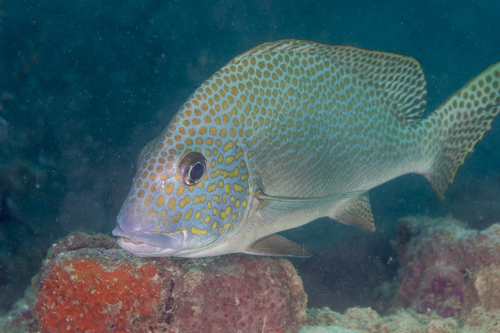
Painted Sweetlips
Plectorhynchus pictus
Limited
Scarce stock
Wild Caught
Moderate care
With Caution
SKU: D186
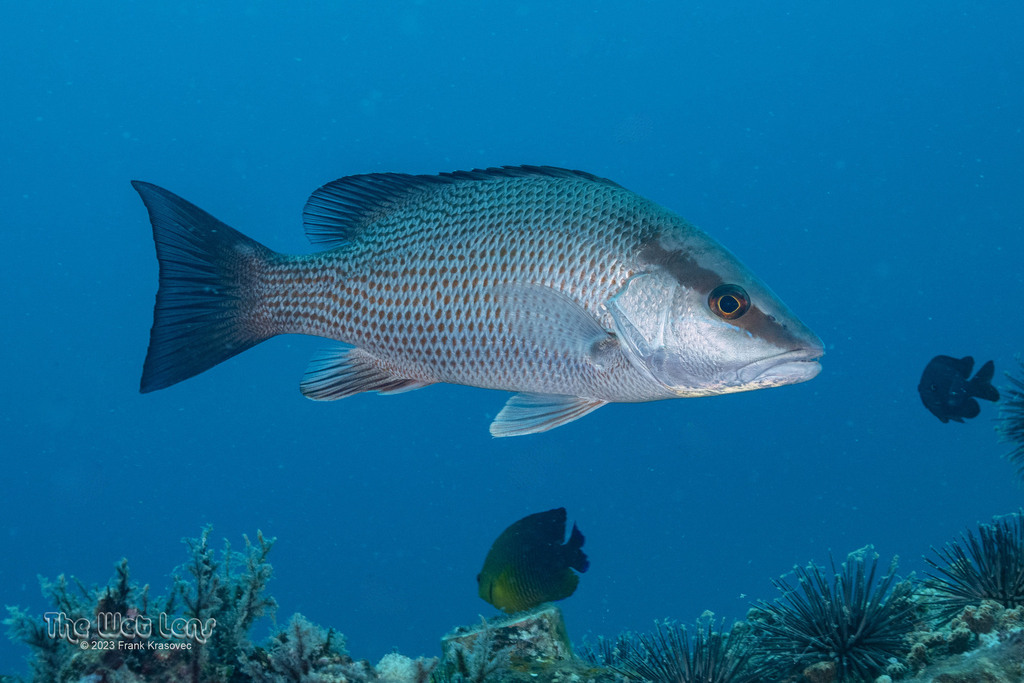
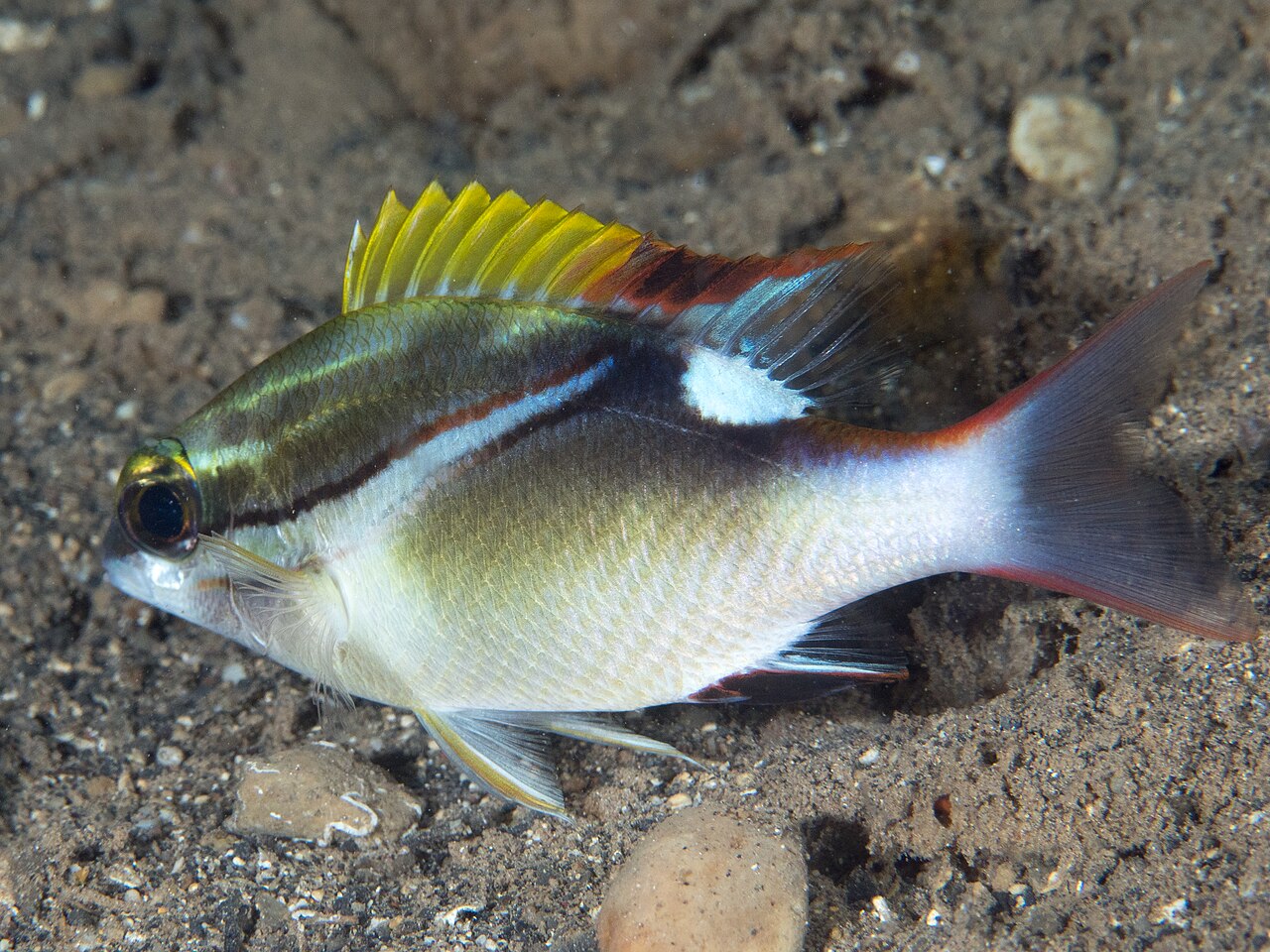
The Painted Sweetlips is a vibrant marine fish known for its striking coloration and inquisitive nature.
Pricing for Verified Importers
Log in to see wholesale prices and order.
Export Size
up to 40.0 cm
Origin
Indo-Pacific
Temperature
24.0–28.0°C
Min. Tank Size
200 L
Salinity
25.000–30.000 ppt
pH
8.00–8.40
Diet
carnivore
The Painted Sweetlips (Plectorhynchus pictus) is renowned for its vivid, colorful appearance, which makes it a popular choice among aquarium enthusiasts. This species features a distinctive pattern of yellow and black markings that enhance its visual appeal. Typically, the adult fish can reach a maximum size of around 40 cm, making it a striking centerpiece in larger marine aquariums.
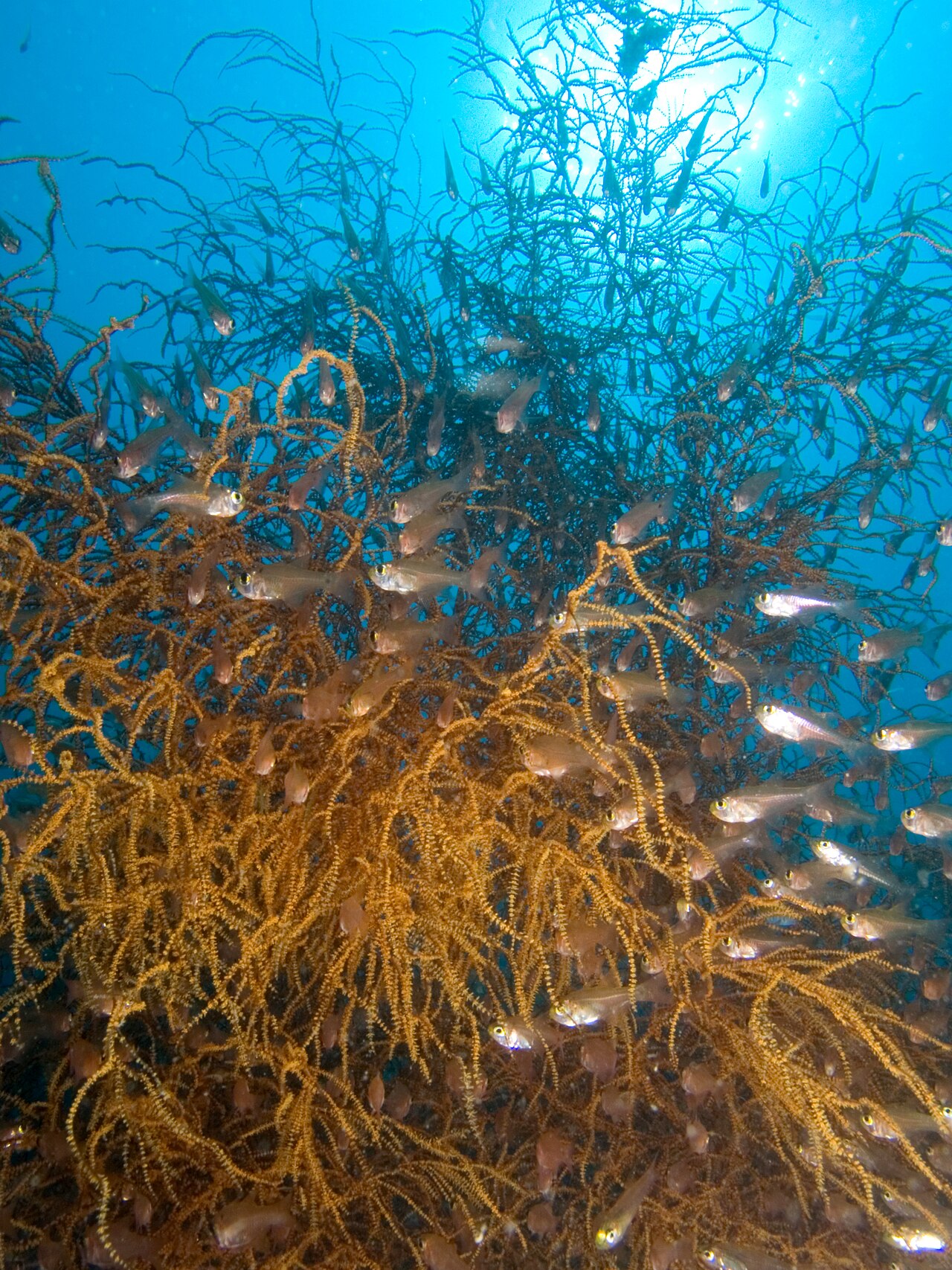
In the wild, Painted Sweetlips inhabit coral reefs and coastal waters throughout the Indo-Pacific region. They are often found in shallow lagoons and rocky areas, where they seek shelter among the coral formations. Their natural habitat provides them with abundant food sources and suitable breeding grounds. The species is known for its playful behavior, often swimming in schools and displaying curiosity towards divers and snorkelers.
These fish are diurnal, meaning they are most active during the day. They primarily feed on small crustaceans, mollusks, and other invertebrates. Their foraging behavior involves using their elongated mouths to sift through the sand and crevices of the reef, showcasing their intelligence and adaptability. While they can be territorial, they generally coexist well with other reef fish, making them suitable for community tanks.
The Painted Sweetlips is not only fascinating due to its beauty but also its role in the marine ecosystem as a predator of smaller invertebrates, helping to maintain a balanced reef environment. Their vibrant presence adds a dynamic element to any aquarium, making them a sought-after species for both importers and retailers alike.
In the wild, Painted Sweetlips inhabit coral reefs and coastal waters throughout the Indo-Pacific region. They are often found in shallow lagoons and rocky areas, where they seek shelter among the coral formations. Their natural habitat provides them with abundant food sources and suitable breeding grounds. The species is known for its playful behavior, often swimming in schools and displaying curiosity towards divers and snorkelers.
These fish are diurnal, meaning they are most active during the day. They primarily feed on small crustaceans, mollusks, and other invertebrates. Their foraging behavior involves using their elongated mouths to sift through the sand and crevices of the reef, showcasing their intelligence and adaptability. While they can be territorial, they generally coexist well with other reef fish, making them suitable for community tanks.
The Painted Sweetlips is not only fascinating due to its beauty but also its role in the marine ecosystem as a predator of smaller invertebrates, helping to maintain a balanced reef environment. Their vibrant presence adds a dynamic element to any aquarium, making them a sought-after species for both importers and retailers alike.
When caring for the Painted Sweetlips, it is essential to maintain stable water parameters to ensure their health and longevity. The ideal temperature range for this species is between 24°C to 28°C, with a salinity level of 25-30 ppt. The pH should be maintained between 8.0 and 8.4. A minimum tank size of 200 liters is recommended to provide ample space for swimming and exploring.
Feeding Painted Sweetlips can be done with a variety of high-quality marine foods, including pellets, flakes, and frozen or live foods such as shrimp and other small invertebrates. They benefit from a diverse diet to meet their nutritional needs. Compatibility-wise, they are best kept in larger community tanks with other non-aggressive species, as they can exhibit territorial behavior, especially during breeding.
Acclimation is crucial when introducing them to a new environment. Gradual acclimation over a period of several hours can help reduce stress. Quarantine is recommended for new arrivals to prevent the introduction of diseases into established tanks. Regular monitoring of their health and behavior is essential to ensure they thrive in captivity.
Feeding Painted Sweetlips can be done with a variety of high-quality marine foods, including pellets, flakes, and frozen or live foods such as shrimp and other small invertebrates. They benefit from a diverse diet to meet their nutritional needs. Compatibility-wise, they are best kept in larger community tanks with other non-aggressive species, as they can exhibit territorial behavior, especially during breeding.
Acclimation is crucial when introducing them to a new environment. Gradual acclimation over a period of several hours can help reduce stress. Quarantine is recommended for new arrivals to prevent the introduction of diseases into established tanks. Regular monitoring of their health and behavior is essential to ensure they thrive in captivity.
The Painted Sweetlips is suitable for air shipping due to its robustness. Packing density should be moderate to allow for adequate water circulation. They are sensitive to temperature fluctuations, so maintaining a stable shipping temperature between 24°C to 26°C is critical. This species is not listed under CITES, simplifying export regulations.
Species Parameters
Max Adult Size
40.0 cm
Origin
Indo-Pacific
Habitat
reef
Diet
carnivore
Temp Min
24.0 °C
Temp Max
28.0 °C
Salinity Min
25.000
Salinity Max
30.000
pH Min
8.00
pH Max
8.40
Min Tank
200 L