Red star
echinaster purpureus / echinaster luzonicus
In Stock
Common stock
Wild Caught
Moderate care
With Caution
SKU: ML-MF-0583
The Red Star is a vibrant and fascinating marine starfish, perfect for reef aquariums.
Pricing for Verified Importers
Log in to see wholesale prices and order.
Export Size
up to 30.0 cm
Origin
Indo-Pacific
Temperature
24.0–28.0°C
Min. Tank Size
100 L
Salinity
34.000–36.000 ppt
pH
8.10–8.40
Diet
omnivore
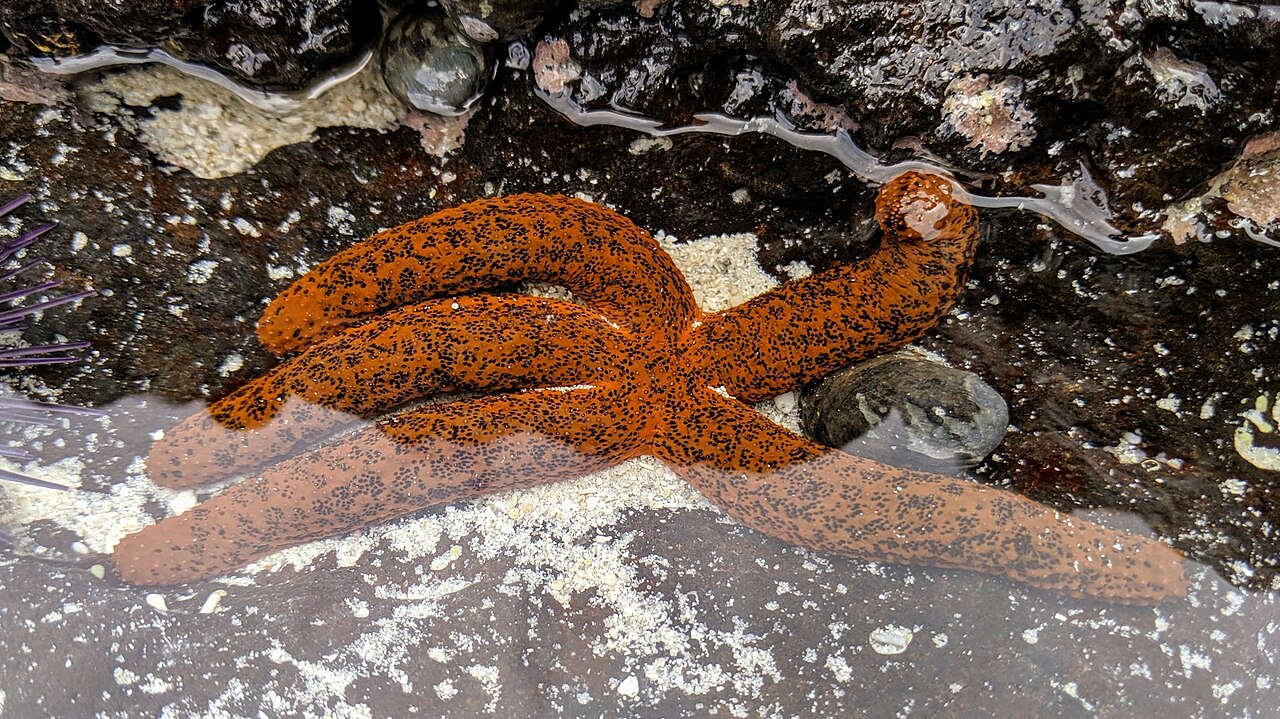
The Red Star (Echinaster purpureus / Echinaster luzonicus) is a striking marine starfish known for its vivid coloration and unique morphology. Characterized by its five elongated arms, the Red Star can vary in color from bright red to deep purple, creating a stunning visual impact in any aquarium setting. Its surface is covered in small, granular tubercles, giving it a textured appearance that contrasts beautifully with the smooth substrates typically found in its natural habitat.
In the wild, the Red Star inhabits shallow coastal waters, particularly in coral reefs and rocky substrates across the Indo-Pacific region. This starfish is a slow-moving benthic organism that plays an essential role in its ecosystem by feeding on detritus and small invertebrates, thereby helping to maintain the health of the reef environment. Its natural behaviors include slow locomotion using tube feet and the ability to regenerate lost arms, which is a fascinating aspect of its biology.
The Red Star exhibits a unique feeding strategy, utilizing its tube feet to pry open bivalves and other small organisms. Its diet primarily consists of detritus, algae, and small invertebrates, making it an important scavenger in its ecosystem. Observing the Red Star in an aquarium provides insight into its natural behavior and feeding practices, making it a captivating addition for marine enthusiasts.
As a species, the Red Star is relatively hardy, able to adapt to varying conditions, which makes it suitable for both novice and experienced aquarists. However, it requires a well-maintained environment to thrive, emphasizing the need for proper care and attention in both aquaculture and retail settings.
In the wild, the Red Star inhabits shallow coastal waters, particularly in coral reefs and rocky substrates across the Indo-Pacific region. This starfish is a slow-moving benthic organism that plays an essential role in its ecosystem by feeding on detritus and small invertebrates, thereby helping to maintain the health of the reef environment. Its natural behaviors include slow locomotion using tube feet and the ability to regenerate lost arms, which is a fascinating aspect of its biology.
The Red Star exhibits a unique feeding strategy, utilizing its tube feet to pry open bivalves and other small organisms. Its diet primarily consists of detritus, algae, and small invertebrates, making it an important scavenger in its ecosystem. Observing the Red Star in an aquarium provides insight into its natural behavior and feeding practices, making it a captivating addition for marine enthusiasts.
As a species, the Red Star is relatively hardy, able to adapt to varying conditions, which makes it suitable for both novice and experienced aquarists. However, it requires a well-maintained environment to thrive, emphasizing the need for proper care and attention in both aquaculture and retail settings.
To ensure the health and well-being of the Red Star, maintaining optimal water parameters is crucial. Ideal temperature ranges from 24°C to 28°C, with a salinity level of 34-36 ppt. The pH should be kept between 8.1 and 8.4, promoting optimal conditions for marine life. A minimum tank size of 100 liters is recommended to provide ample space for movement and feeding.
Feeding the Red Star is essential for its health and longevity. A varied diet that includes high-quality marine pellets, frozen or live foods such as mysis shrimp, and algae will promote optimal health. Compatibility with other tank inhabitants is generally good, although caution should be exercised with aggressive species.
Acclimation should occur over several hours with gradual introduction to the new environment, allowing the Red Star to adjust to changes in salinity and temperature. Quarantine is recommended for new arrivals to prevent the introduction of potential pathogens into established systems. Regular monitoring of water quality and behavior will help catch any issues early, ensuring a thriving aquarium environment for this vibrant starfish.
Feeding the Red Star is essential for its health and longevity. A varied diet that includes high-quality marine pellets, frozen or live foods such as mysis shrimp, and algae will promote optimal health. Compatibility with other tank inhabitants is generally good, although caution should be exercised with aggressive species.
Acclimation should occur over several hours with gradual introduction to the new environment, allowing the Red Star to adjust to changes in salinity and temperature. Quarantine is recommended for new arrivals to prevent the introduction of potential pathogens into established systems. Regular monitoring of water quality and behavior will help catch any issues early, ensuring a thriving aquarium environment for this vibrant starfish.
Shipping the Red Star is suitable via insulated containers to maintain stable temperatures during transit. Packing density should allow for adequate space to prevent stress and injury. Temperature sensitivity ranges from 20°C to 28°C, and care should be taken to monitor conditions during shipping. The Red Star is not listed under CITES, allowing for straightforward export regulations.
Species Parameters
Max Adult Size
30.0 cm
Origin
Indo-Pacific
Diet
omnivore
Temp Min
24.0 °C
Temp Max
28.0 °C
Salinity Min
34.000
Salinity Max
36.000
pH Min
8.10
pH Max
8.40
Min Tank
100 L