Nordotis discus discus
abalone
In Stock
Common stock
Wild Caught
Moderate care
With Caution
SKU: ML-MF-0507
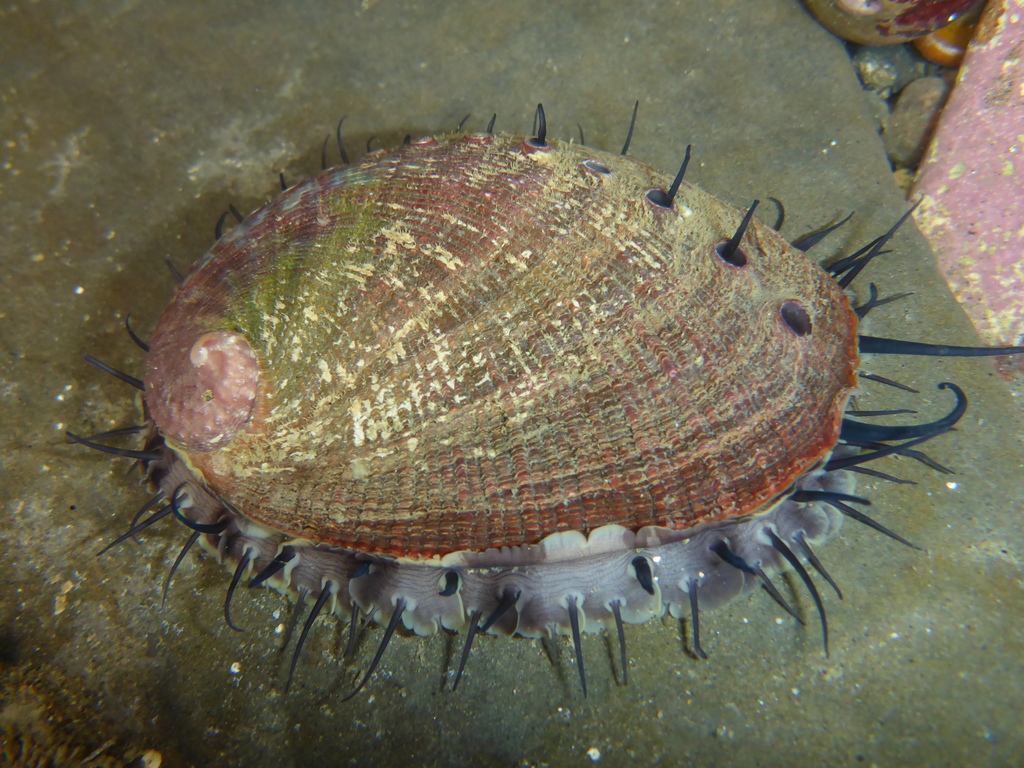
Nordotis discus discus, known as the abalone, is a unique marine species celebrated for its vibrant colors and ecological significance.
Pricing for Verified Importers
Log in to see wholesale prices and order.
Export Size
up to 15.0 cm
Origin
Coral Triangle
Temperature
20.0–26.0°C
Min. Tank Size
50 L
Salinity
30.000–35.000 ppt
pH
7.80–8.50
Diet
herbivore
Nordotis discus discus, commonly referred to as the abalone, is a fascinating marine species found primarily in the warm waters of the Coral Triangle, particularly around Bali, Indonesia. This species is renowned for its striking appearance, showcasing a range of vibrant colors that can vary based on environmental factors and diet. Adult abalones possess a distinct oval shell that is often adorned with intricate patterns, making them a popular choice among aquarium enthusiasts and collectors alike.
In their natural habitat, abalones thrive among rocky substrates, where they graze on algae and other marine vegetation. They play a crucial role in maintaining the health of marine ecosystems by controlling algal growth and providing food for various predators. Abalones are typically solitary creatures, displaying a shy demeanor, which makes them less aggressive compared to other marine species. They are known for their unique locomotion, using a muscular foot to adhere to surfaces while slowly moving across the ocean floor.
Behaviorally, abalones are generally nocturnal, preferring to forage during the night when they feel most secure. This behavior not only helps them avoid predators but also allows them to access food sources that may be less available during daylight hours. Their reproductive cycle is influenced by environmental conditions, with spawning typically occurring during warmer months when water temperatures rise.
Overall, Nordotis discus discus is not only an attractive addition to marine aquariums but also serves as an indicator of ocean health. Their presence in the wild reflects the quality of their environment, making them an important species for conservation efforts and marine biodiversity studies.
In their natural habitat, abalones thrive among rocky substrates, where they graze on algae and other marine vegetation. They play a crucial role in maintaining the health of marine ecosystems by controlling algal growth and providing food for various predators. Abalones are typically solitary creatures, displaying a shy demeanor, which makes them less aggressive compared to other marine species. They are known for their unique locomotion, using a muscular foot to adhere to surfaces while slowly moving across the ocean floor.
Behaviorally, abalones are generally nocturnal, preferring to forage during the night when they feel most secure. This behavior not only helps them avoid predators but also allows them to access food sources that may be less available during daylight hours. Their reproductive cycle is influenced by environmental conditions, with spawning typically occurring during warmer months when water temperatures rise.
Overall, Nordotis discus discus is not only an attractive addition to marine aquariums but also serves as an indicator of ocean health. Their presence in the wild reflects the quality of their environment, making them an important species for conservation efforts and marine biodiversity studies.
For successful care of Nordotis discus discus, maintaining optimal water parameters is essential. The ideal temperature range for these abalones is between 20°C and 26°C, with a salinity level of 30-35 ppt. Regular monitoring of pH is crucial, as they thrive in slightly alkaline conditions, ideally between 7.8 and 8.5. A well-maintained filtration system will help keep the water clean and stable.
Feeding abalones requires a varied diet consisting mainly of algae, seaweed, and high-quality herbivore pellets. It is important to provide food that mimics their natural diet to promote healthy growth and vibrant coloration. Compatibility with other marine species is generally good, as they are non-aggressive; however, caution should be exercised when housing them with more aggressive fish that may compete for food.
Acclimation should be conducted slowly to minimize stress. A gradual introduction over several hours will help them adjust to new water conditions. Additionally, a quarantine period of at least two weeks is recommended for new arrivals to prevent the introduction of diseases into established systems. During this time, monitor for any signs of stress or illness, ensuring a healthy transition into the main aquarium.
Feeding abalones requires a varied diet consisting mainly of algae, seaweed, and high-quality herbivore pellets. It is important to provide food that mimics their natural diet to promote healthy growth and vibrant coloration. Compatibility with other marine species is generally good, as they are non-aggressive; however, caution should be exercised when housing them with more aggressive fish that may compete for food.
Acclimation should be conducted slowly to minimize stress. A gradual introduction over several hours will help them adjust to new water conditions. Additionally, a quarantine period of at least two weeks is recommended for new arrivals to prevent the introduction of diseases into established systems. During this time, monitor for any signs of stress or illness, ensuring a healthy transition into the main aquarium.
Nordotis discus discus is suitable for shipping under controlled conditions. Packing density should allow for adequate water circulation and oxygenation, with a recommended maximum of 5-10 abalones per liter of water. Temperature sensitivity is a key consideration; maintaining a stable temperature of 20-24°C during transport is crucial to reduce stress. This species is not currently listed under CITES, but compliance with local regulations is essential for export operations.
Species Parameters
Max Adult Size
15.0 cm
Origin
Coral Triangle
Diet
herbivore
Temp Min
20.0 °C
Temp Max
26.0 °C
Salinity Min
30.000
Salinity Max
35.000
pH Min
7.80
pH Max
8.50
Min Tank
50 L