Spaghetti Eel
Moringua microchir
In Stock
Common stock
Wild Caught
Moderate care
With Caution
SKU: CB-MF-0409
Discover the unique Spaghetti Eel, a fascinating marine fish native to Bali.
Pricing for Verified Importers
Log in to see wholesale prices and order.
Export Size
up to 100.0 cm
Origin
Indo-Pacific
Temperature
24.0–28.0°C
Min. Tank Size
200 L
Salinity
30.000–35.000 ppt
pH
7.50–8.50
Diet
carnivore
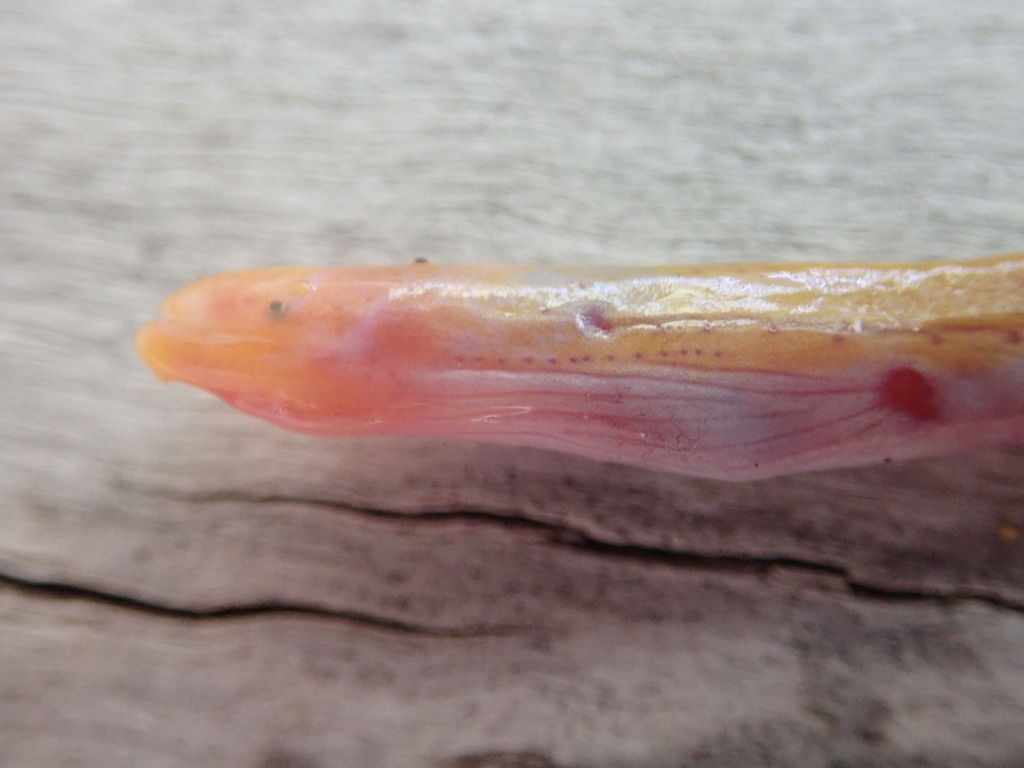
The Spaghetti Eel (Moringua microchir) is a striking marine fish known for its elongated, slender body that resembles a piece of spaghetti, hence its common name. This eel can reach lengths of up to 1 meter and is characterized by its smooth, slimy skin and a color palette that typically ranges from brown to olive green, camouflaging it well within its natural habitat. The Spaghetti Eel is primarily found in sandy or muddy substrates where it can easily burrow and hide from predators while hunting for prey.
In terms of behavior, the Spaghetti Eel is generally nocturnal, becoming more active during the night when it ventures out to hunt for small crustaceans, mollusks, and other small marine organisms. Its unique feeding strategy involves using its keen sense of smell to locate food buried in the substrate. Though it may appear solitary, it can often be found in loose groups during mating season, showcasing a more social aspect of their behavior.
This species thrives in shallow waters, typically inhabiting lagoons and reef areas across the Indo-Pacific region. They are often associated with coral reefs, where they find ample hiding spots and a diverse food supply. Their habitat preference not only provides safety from larger predators but also ensures they have access to the necessary nutrients for growth and reproduction.
The Spaghetti Eel's fascinating morphology and behavior make it a sought-after species for aquarium enthusiasts and researchers alike. Its unique adaptations for life in the marine environment highlight the incredible diversity found in aquatic ecosystems.
In terms of behavior, the Spaghetti Eel is generally nocturnal, becoming more active during the night when it ventures out to hunt for small crustaceans, mollusks, and other small marine organisms. Its unique feeding strategy involves using its keen sense of smell to locate food buried in the substrate. Though it may appear solitary, it can often be found in loose groups during mating season, showcasing a more social aspect of their behavior.
This species thrives in shallow waters, typically inhabiting lagoons and reef areas across the Indo-Pacific region. They are often associated with coral reefs, where they find ample hiding spots and a diverse food supply. Their habitat preference not only provides safety from larger predators but also ensures they have access to the necessary nutrients for growth and reproduction.
The Spaghetti Eel's fascinating morphology and behavior make it a sought-after species for aquarium enthusiasts and researchers alike. Its unique adaptations for life in the marine environment highlight the incredible diversity found in aquatic ecosystems.
For optimal care of Spaghetti Eels, maintain water parameters that mimic their natural habitat. The ideal temperature range is between 24°C to 28°C, with a salinity level of 30-35 ppt. pH levels should be maintained between 7.5 and 8.5 to promote healthy growth and activity. It is crucial to provide a sandy substrate in the aquarium, allowing the eels to burrow, which is essential for their comfort and natural behavior.
Feeding should consist of a varied diet rich in protein; they thrive on high-quality frozen or live foods such as shrimp, small fish, and other marine invertebrates. Regular feeding, ideally multiple times a week, will ensure they receive adequate nutrition. Compatibility in the tank can be achieved by housing them with other peaceful marine species, but caution should be taken to avoid aggressive tank mates that may disturb them.
Acclimation is critical when introducing Spaghetti Eels to an aquarium. Use a slow drip acclimation method over several hours to minimize stress. Quarantine new arrivals for at least two weeks before introducing them to the main tank to prevent the spread of potential diseases. Regular monitoring of their health and water quality will contribute to a thriving aquatic environment.
Feeding should consist of a varied diet rich in protein; they thrive on high-quality frozen or live foods such as shrimp, small fish, and other marine invertebrates. Regular feeding, ideally multiple times a week, will ensure they receive adequate nutrition. Compatibility in the tank can be achieved by housing them with other peaceful marine species, but caution should be taken to avoid aggressive tank mates that may disturb them.
Acclimation is critical when introducing Spaghetti Eels to an aquarium. Use a slow drip acclimation method over several hours to minimize stress. Quarantine new arrivals for at least two weeks before introducing them to the main tank to prevent the spread of potential diseases. Regular monitoring of their health and water quality will contribute to a thriving aquatic environment.
Spaghetti Eels are suitable for shipping with proper care. They should be packed in sturdy bags with adequate oxygen and minimal water to prevent stress during transport. Ideal shipping temperatures are between 24°C to 28°C, as they are sensitive to temperature fluctuations. Ensure compliance with CITES regulations, as this species is not currently listed, facilitating easier export processes.
Species Parameters
Max Adult Size
100.0 cm
Origin
Indo-Pacific
Diet
carnivore
Temp Min
24.0 °C
Temp Max
28.0 °C
Salinity Min
30.000
Salinity Max
35.000
pH Min
7.50
pH Max
8.50
Min Tank
200 L