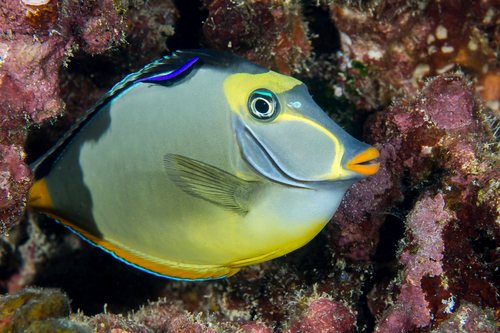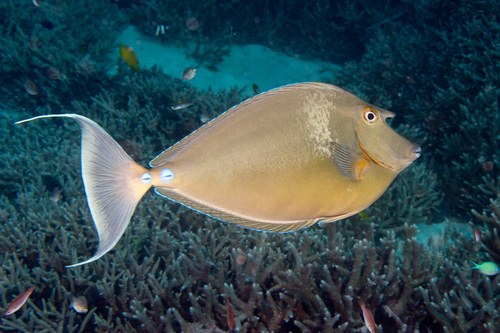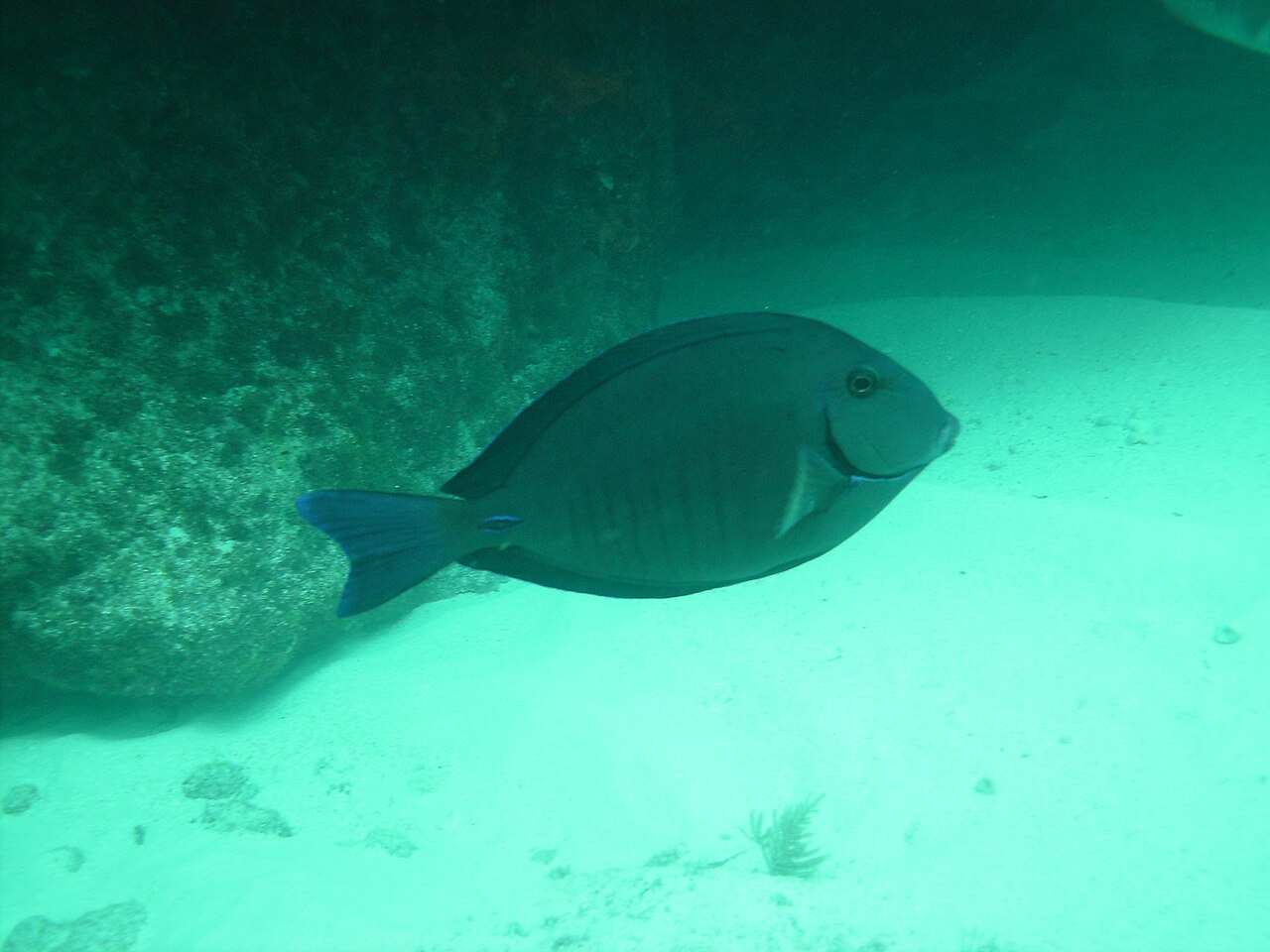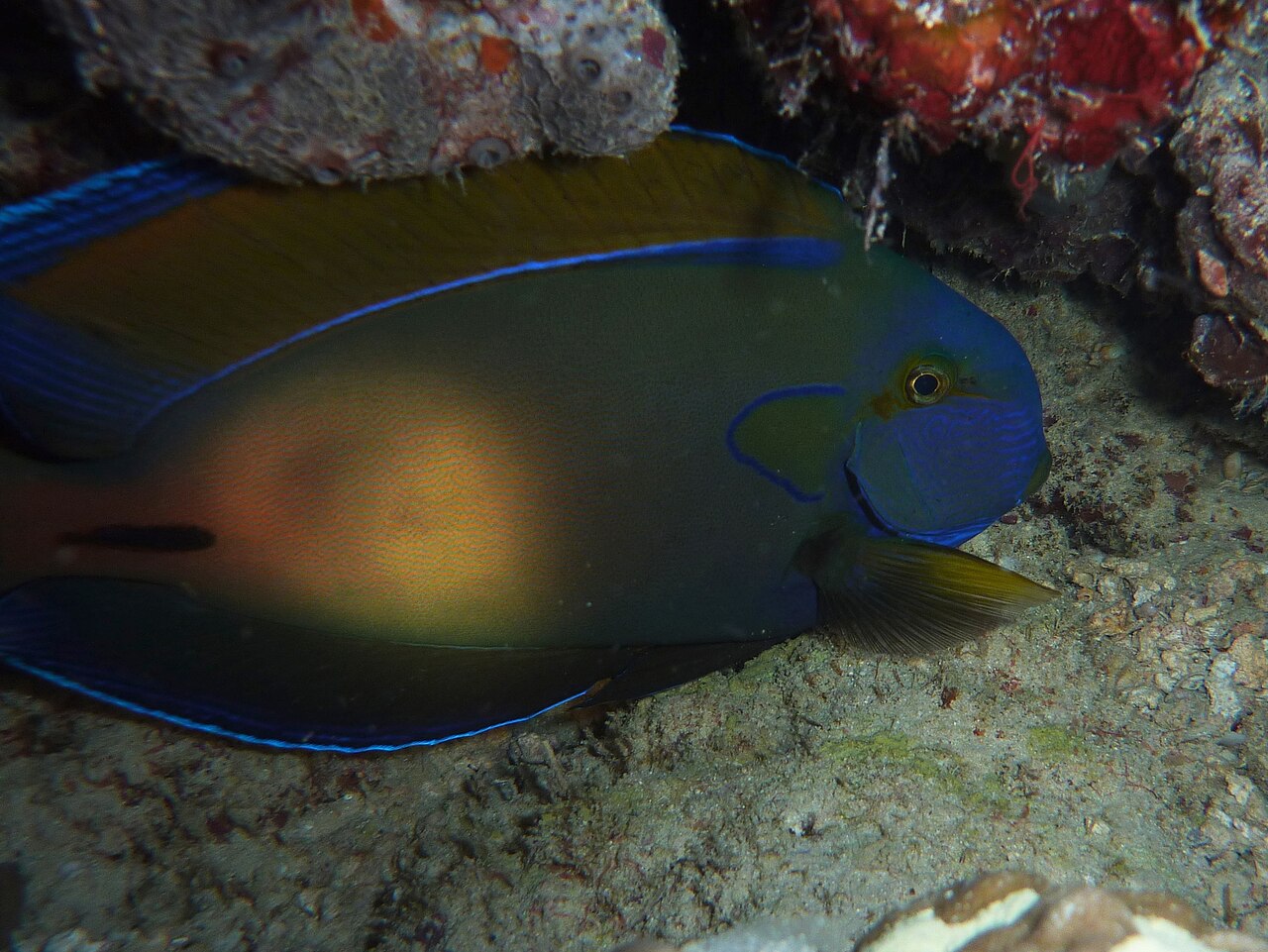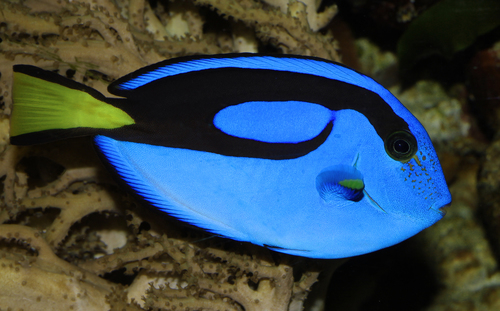
Blue Tang
Paracanthurus hepatus
In Stock
Common stock
Wild Caught
Moderate care
Reef Safe ✓
SKU: D154
The Blue Tang is a vibrant marine fish known for its striking blue color and unique shape, making it a favorite among aquarium enthusiasts.
Pricing for Verified Importers
Log in to see wholesale prices and order.
Export Size
up to 30.0 cm
Origin
Indo-Pacific
Temperature
24.0–28.0°C
Min. Tank Size
200 L
Salinity
35.000–35.000 ppt
pH
8.10–8.40
Diet
herbivore
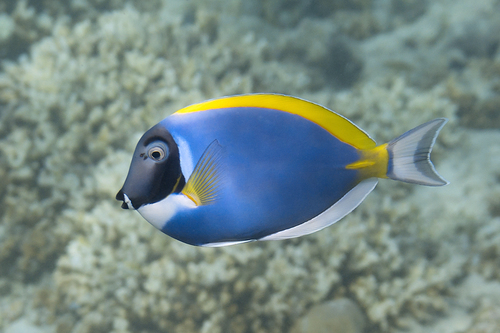
The Blue Tang (Paracanthurus hepatus), also known as the Palette Surgeonfish, is a stunning marine species renowned for its vivid blue body adorned with a yellow tail and distinctive black markings. This iconic fish has a unique oval shape and features a scalpel-like spine on each side of its tail, which it can use defensively against predators. Native to the warm waters of the Indo-Pacific, the Blue Tang thrives in coral reef environments where it plays a crucial role in maintaining the health of the ecosystem by grazing on algae.
In terms of behavior, Blue Tangs are social creatures, often found in small schools. They are known for their active swimming habits and playful interactions with one another. This species primarily feeds on algae, making it essential for controlling algal growth on reefs. Their vibrant coloration and dynamic movements make them a captivating addition to any marine aquarium.
Blue Tangs prefer shallow, reef-associated habitats, typically residing in depths of 1 to 50 meters. They are often observed among coral formations where they can find ample food sources. As diurnal fish, they are most active during the day, engaging in foraging and social interactions. The Blue Tang’s adaptability to various reef environments contributes to its popularity in the aquarium trade.
Overall, the Blue Tang is not only a beautiful species but also an important part of marine ecosystems. Its striking appearance and lively nature make it a sought-after fish for both hobbyists and retailers alike.
In terms of behavior, Blue Tangs are social creatures, often found in small schools. They are known for their active swimming habits and playful interactions with one another. This species primarily feeds on algae, making it essential for controlling algal growth on reefs. Their vibrant coloration and dynamic movements make them a captivating addition to any marine aquarium.
Blue Tangs prefer shallow, reef-associated habitats, typically residing in depths of 1 to 50 meters. They are often observed among coral formations where they can find ample food sources. As diurnal fish, they are most active during the day, engaging in foraging and social interactions. The Blue Tang’s adaptability to various reef environments contributes to its popularity in the aquarium trade.
Overall, the Blue Tang is not only a beautiful species but also an important part of marine ecosystems. Its striking appearance and lively nature make it a sought-after fish for both hobbyists and retailers alike.
For optimal care, Blue Tangs require stable water parameters. The ideal temperature range is between 24°C to 28°C, with a salinity of 1.020 to 1.025 ppt. Maintaining a pH level between 8.1 and 8.4 is critical for their health. A minimum tank size of 200 liters is recommended to accommodate their active swimming behavior and social needs.
In terms of diet, Blue Tangs are primarily herbivores, thriving on a diet rich in marine algae, spirulina, and high-quality flake or pellet food specifically designed for herbivorous fish. Regular feeding with varied options will ensure their health and vitality. Compatibility-wise, they are generally peaceful but can be territorial with their species, so providing ample space and hiding spots is essential.
Acclimation should be done gradually to avoid stress. The use of a drip acclimation method is recommended for introducing Blue Tangs into new environments. Quarantine is also advised for newly imported specimens to monitor for any signs of disease and ensure they are healthy before introducing them into a display tank.
In terms of diet, Blue Tangs are primarily herbivores, thriving on a diet rich in marine algae, spirulina, and high-quality flake or pellet food specifically designed for herbivorous fish. Regular feeding with varied options will ensure their health and vitality. Compatibility-wise, they are generally peaceful but can be territorial with their species, so providing ample space and hiding spots is essential.
Acclimation should be done gradually to avoid stress. The use of a drip acclimation method is recommended for introducing Blue Tangs into new environments. Quarantine is also advised for newly imported specimens to monitor for any signs of disease and ensure they are healthy before introducing them into a display tank.
Blue Tangs are suitable for shipping, but care must be taken to maintain appropriate temperatures during transit, ideally between 24°C and 28°C. Packing density should be moderate to prevent stress and injury. They are sensitive to temperature fluctuations and should be shipped in insulated boxes with adequate oxygen supply. This species is not listed under CITES, making it easier to export.
Species Parameters
Max Adult Size
30.0 cm
Origin
Indo-Pacific
Habitat
reef
Diet
herbivore
Temp Min
24.0 °C
Temp Max
28.0 °C
Salinity Min
35.000
Salinity Max
35.000
pH Min
8.10
pH Max
8.40
Min Tank
200 L