Hybrid Tang
Acanthurus spp.
In Stock
Common stock
Wild Caught
Moderate care
With Caution
SKU: CB-MF-0297
The Hybrid Tang offers stunning beauty and dynamic behavior, making it a sought-after species for aquarists.
Pricing for Verified Importers
Log in to see wholesale prices and order.
Export Size
up to 25.0 cm
Origin
Indo-Pacific
Temperature
24.0–28.0°C
Min. Tank Size
200 L
Salinity
1.020–1.025 ppt
pH
8.10–8.40
Diet
herbivore
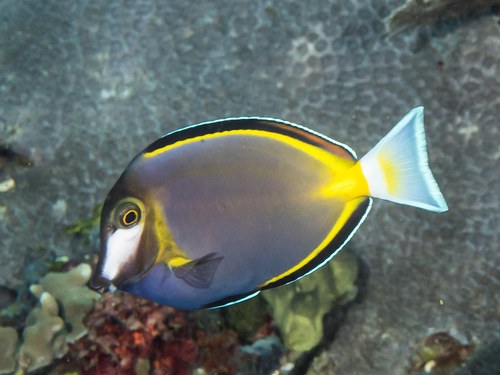
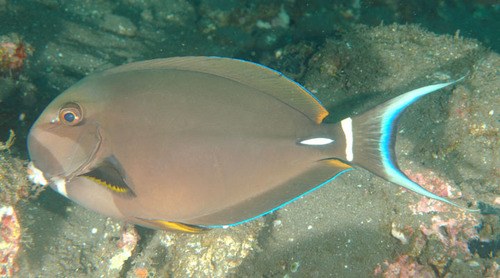
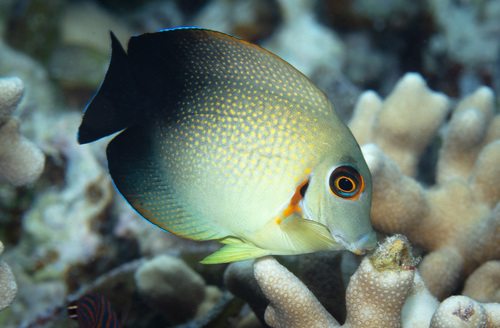
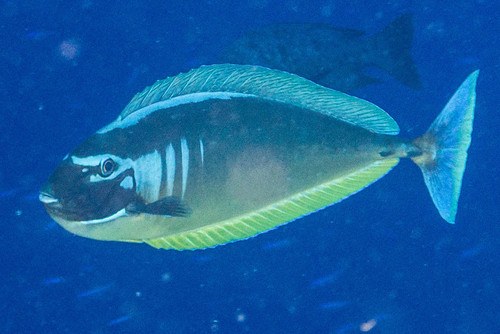
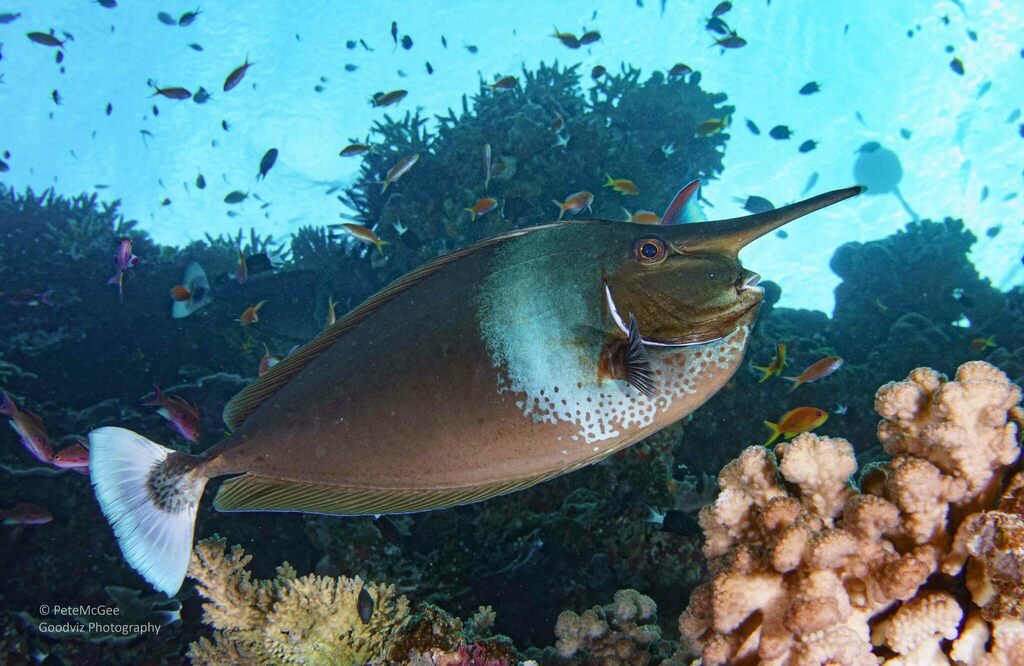
The Hybrid Tang, a captivating marine fish belonging to the Acanthurus genus, is renowned for its striking coloration and unique patterns. This species is a result of hybridization, displaying traits from multiple tang species, which contributes to its diverse appearance. Typically, the Hybrid Tang showcases vibrant blues, yellows, and blacks, making it a stunning addition to any reef aquarium. Its distinct shape, characterized by a laterally compressed body and a long, sharp tail spine, allows it to navigate through complex reef structures with ease.
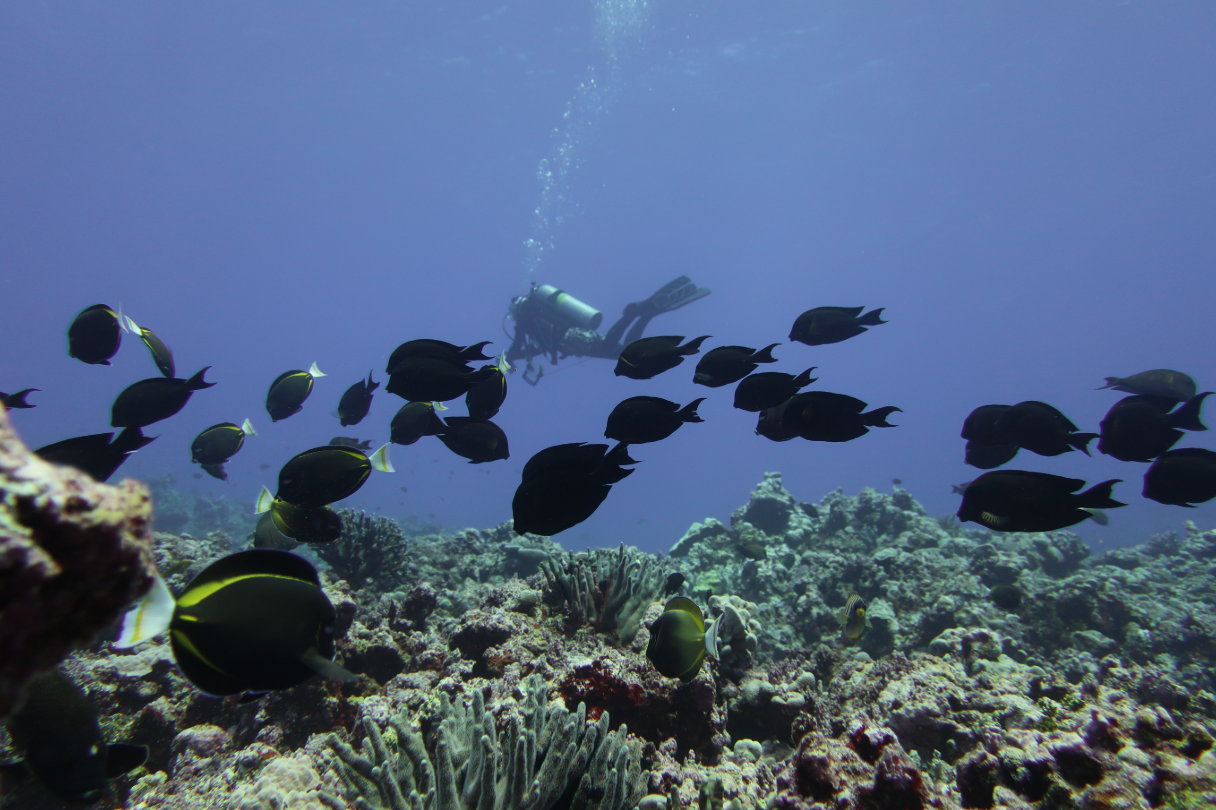
In the wild, Hybrid Tangs inhabit coral reefs and rocky substrates, where they play a vital role in maintaining the health of their ecosystem. Feeding primarily on algae, these fish help control algal growth, promoting a balanced environment. Their social behavior is quite fascinating; they often form schools, displaying a dynamic interaction that adds life to their surroundings. The Hybrid Tang is known for its active swimming patterns, often darting in and out of crevices, which can be mesmerizing to observe in an aquarium setting.
As with many marine species, the Hybrid Tang requires specific environmental conditions to thrive. They are typically found in the warm waters of the Indo-Pacific region, where the water temperature and salinity levels are optimal for their health. This species is particularly sensitive to changes in water quality, which emphasizes the importance of maintaining stable parameters in a captive environment to ensure their well-being.
In terms of behavior, Hybrid Tangs are known to be territorial, especially among males, which can lead to aggressive interactions if not properly managed in a community tank. When introducing them to a new environment, their adaptability and resilience can shine through, provided they are given the right conditions and care.
In the wild, Hybrid Tangs inhabit coral reefs and rocky substrates, where they play a vital role in maintaining the health of their ecosystem. Feeding primarily on algae, these fish help control algal growth, promoting a balanced environment. Their social behavior is quite fascinating; they often form schools, displaying a dynamic interaction that adds life to their surroundings. The Hybrid Tang is known for its active swimming patterns, often darting in and out of crevices, which can be mesmerizing to observe in an aquarium setting.
As with many marine species, the Hybrid Tang requires specific environmental conditions to thrive. They are typically found in the warm waters of the Indo-Pacific region, where the water temperature and salinity levels are optimal for their health. This species is particularly sensitive to changes in water quality, which emphasizes the importance of maintaining stable parameters in a captive environment to ensure their well-being.
In terms of behavior, Hybrid Tangs are known to be territorial, especially among males, which can lead to aggressive interactions if not properly managed in a community tank. When introducing them to a new environment, their adaptability and resilience can shine through, provided they are given the right conditions and care.
To successfully care for the Hybrid Tang, maintaining optimal water parameters is essential. The ideal temperature range is between 24-28°C, with a salinity of 1.020-1.025 ppt and a pH level between 8.1 and 8.4. A minimum tank size of 200 liters is recommended to provide ample swimming space and territory.
Feeding should consist of a varied diet, including high-quality marine algae, spirulina, and specialized tang pellets to ensure they receive the necessary nutrients. It's important to feed them multiple times a day to replicate their natural grazing habits. When it comes to compatibility, Hybrid Tangs generally do well with other peaceful fish but may show aggression towards similar species, particularly other tangs.
Acclimation is crucial; it is recommended to use the drip acclimation method to slowly introduce the fish to the new environment, minimizing stress. Quarantine procedures should be followed before introducing them to the main tank to prevent the spread of diseases. Regular monitoring of water quality and fish health will help ensure a thriving aquarium environment.
Feeding should consist of a varied diet, including high-quality marine algae, spirulina, and specialized tang pellets to ensure they receive the necessary nutrients. It's important to feed them multiple times a day to replicate their natural grazing habits. When it comes to compatibility, Hybrid Tangs generally do well with other peaceful fish but may show aggression towards similar species, particularly other tangs.
Acclimation is crucial; it is recommended to use the drip acclimation method to slowly introduce the fish to the new environment, minimizing stress. Quarantine procedures should be followed before introducing them to the main tank to prevent the spread of diseases. Regular monitoring of water quality and fish health will help ensure a thriving aquarium environment.
Hybrid Tangs are suitable for shipping, provided they are packed securely in well-oxygenated bags to minimize stress. The recommended packing density is 1 fish per 5-10 liters of water. They are sensitive to temperature fluctuations, so maintaining a stable temperature of 24-28°C during transport is critical. As of now, there are no CITES restrictions on this species.
Species Parameters
Max Adult Size
25.0 cm
Origin
Indo-Pacific
Diet
herbivore
Temp Min
24.0 °C
Temp Max
28.0 °C
Salinity Min
1.020
Salinity Max
1.025
pH Min
8.10
pH Max
8.40
Min Tank
200 L