Spot Cheeked Surgeonfish
Acanthurus nigrofuscus
Limited
Rare stock
Wild Caught
Moderate care
Reef Safe ✓
SKU: D150G
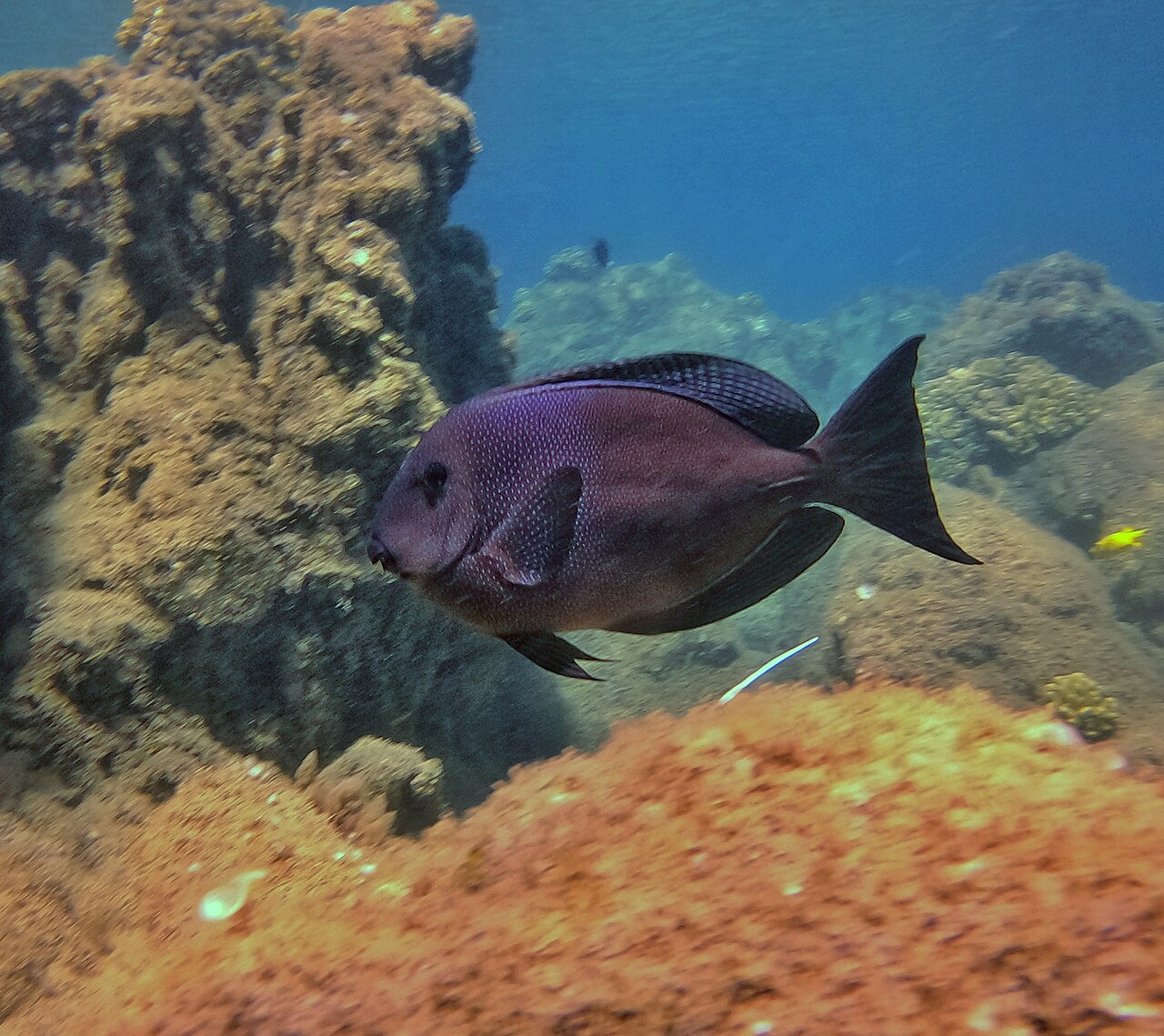
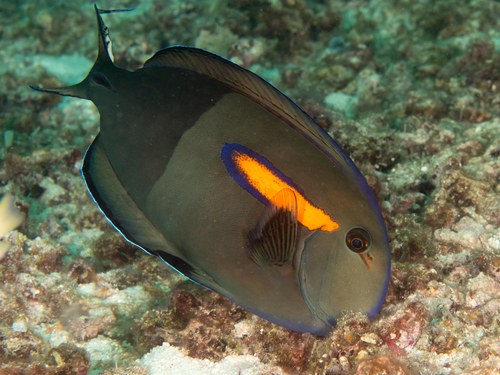
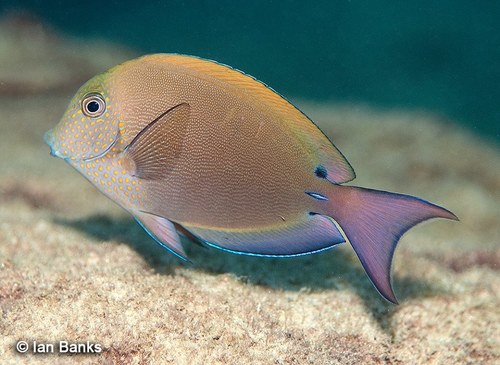
The Spot Cheeked Surgeonfish is a striking marine species known for its vibrant coloration and adaptability.
Pricing for Verified Importers
Log in to see wholesale prices and order.
Export Size
up to 30.0 cm
Origin
Indo-Pacific
Temperature
24.0–28.0°C
Min. Tank Size
200 L
Salinity
1.020–1.025 ppt
pH
8.10–8.40
Diet
herbivore
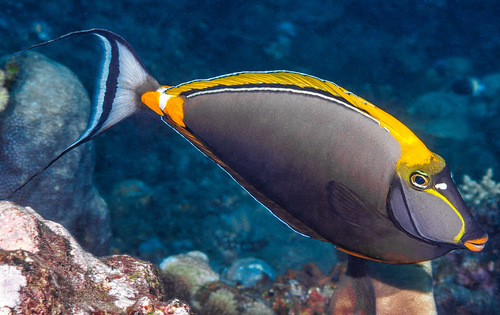
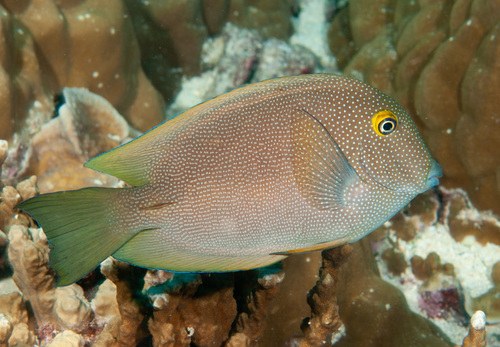
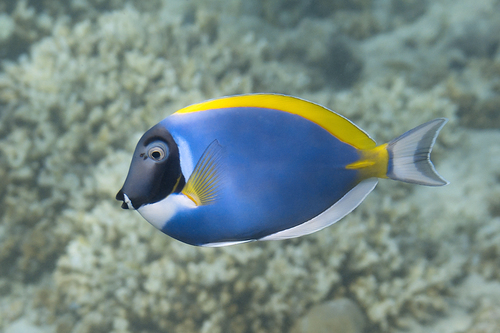
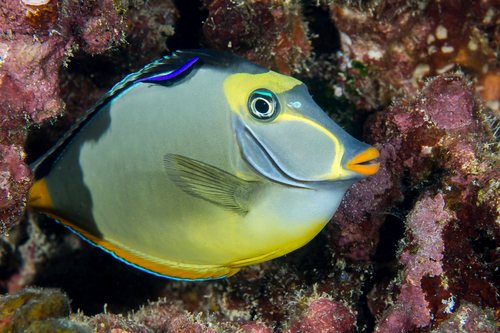
Acanthurus nigrofuscus, commonly known as the Spot Cheeked Surgeonfish, is an eye-catching addition to any marine aquarium. Characterized by its deep blue to brown body adorned with distinctive black spots on its cheeks, this species exhibits a striking appearance that captivates both novice and experienced aquarists. The dorsal fin is elongated and can be raised or lowered, showcasing its dynamic movements in the water. These fish typically grow to a maximum size of about 30 cm, making them a manageable option for many aquarium setups.
In their natural habitat, Spot Cheeked Surgeonfish are commonly found in coral reefs and rocky areas across the Indo-Pacific region, including the Coral Triangle. They thrive in shallow waters, usually at depths ranging from 1 to 30 meters. These fish are known for their herbivorous diet, primarily grazing on algae, which they play a crucial role in maintaining the health of coral reef ecosystems. Their presence helps control algae growth, ensuring that coral reefs remain vibrant and healthy.
Behaviorally, Acanthurus nigrofuscus is a social species often seen in small to medium-sized groups. They exhibit a level of territoriality, particularly males, who defend their feeding areas from intruders. This behavior can make them an engaging addition to community aquariums, although care should be taken when introducing them to avoid territorial disputes. Their lively nature and vibrant colors make them a favorite among aquarists who appreciate dynamic and active species in their tanks.
The Spot Cheeked Surgeonfish is not only visually appealing but also vital to the ecological balance of reef systems. As they graze on algae, they prevent overgrowth that can suffocate corals, illustrating the importance of this species in both natural and artificial environments.
In their natural habitat, Spot Cheeked Surgeonfish are commonly found in coral reefs and rocky areas across the Indo-Pacific region, including the Coral Triangle. They thrive in shallow waters, usually at depths ranging from 1 to 30 meters. These fish are known for their herbivorous diet, primarily grazing on algae, which they play a crucial role in maintaining the health of coral reef ecosystems. Their presence helps control algae growth, ensuring that coral reefs remain vibrant and healthy.
Behaviorally, Acanthurus nigrofuscus is a social species often seen in small to medium-sized groups. They exhibit a level of territoriality, particularly males, who defend their feeding areas from intruders. This behavior can make them an engaging addition to community aquariums, although care should be taken when introducing them to avoid territorial disputes. Their lively nature and vibrant colors make them a favorite among aquarists who appreciate dynamic and active species in their tanks.
The Spot Cheeked Surgeonfish is not only visually appealing but also vital to the ecological balance of reef systems. As they graze on algae, they prevent overgrowth that can suffocate corals, illustrating the importance of this species in both natural and artificial environments.
Caring for the Spot Cheeked Surgeonfish requires understanding their specific needs to ensure optimal health and longevity in captivity. Ideal water parameters include a temperature range of 24-28°C, a salinity level of 1.020-1.025 ppt, and a pH level between 8.1 and 8.4. A well-maintained aquarium with robust filtration and regular water changes is crucial to replicate their natural habitat.
Feeding should consist of a varied diet rich in marine algae, spirulina, and high-quality herbivore pellets. This species benefits from multiple feedings throughout the day to mimic natural grazing behavior. Compatibility-wise, they can coexist with other fish species, but care should be taken when introducing them to prevent aggression, particularly with other tangs or surgeonfish.
Acclimation is crucial for successful integration into an aquarium. It is recommended to use a slow drip acclimation method to ease the transition. Quarantine new arrivals for at least two weeks prior to adding them to the main tank to prevent potential disease transmission. Regular monitoring can help identify any health issues early, ensuring a thriving environment for the Spot Cheeked Surgeonfish.
Feeding should consist of a varied diet rich in marine algae, spirulina, and high-quality herbivore pellets. This species benefits from multiple feedings throughout the day to mimic natural grazing behavior. Compatibility-wise, they can coexist with other fish species, but care should be taken when introducing them to prevent aggression, particularly with other tangs or surgeonfish.
Acclimation is crucial for successful integration into an aquarium. It is recommended to use a slow drip acclimation method to ease the transition. Quarantine new arrivals for at least two weeks prior to adding them to the main tank to prevent potential disease transmission. Regular monitoring can help identify any health issues early, ensuring a thriving environment for the Spot Cheeked Surgeonfish.
The Spot Cheeked Surgeonfish is well-suited for shipping, provided that proper care is taken during transport. Packing should allow for adequate oxygenation and minimize stress, with a recommended density of 1 fish per 10 liters. They are sensitive to temperature fluctuations, so maintaining a stable environment is essential during transit. This species is not listed under CITES, allowing for easier exportation from Bali, Indonesia.
Species Parameters
Max Adult Size
30.0 cm
Origin
Indo-Pacific
Habitat
reef
Diet
herbivore
Temp Min
24.0 °C
Temp Max
28.0 °C
Salinity Min
1.020
Salinity Max
1.025
pH Min
8.10
pH Max
8.40
Min Tank
200 L