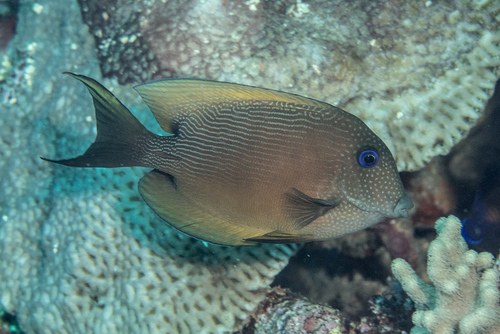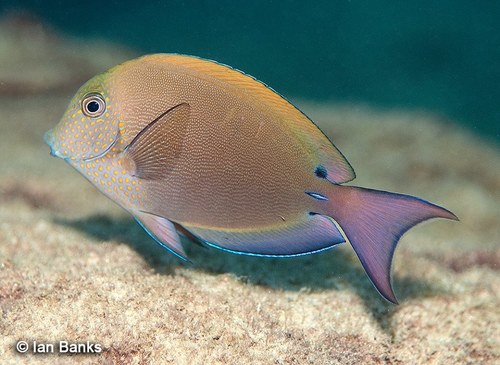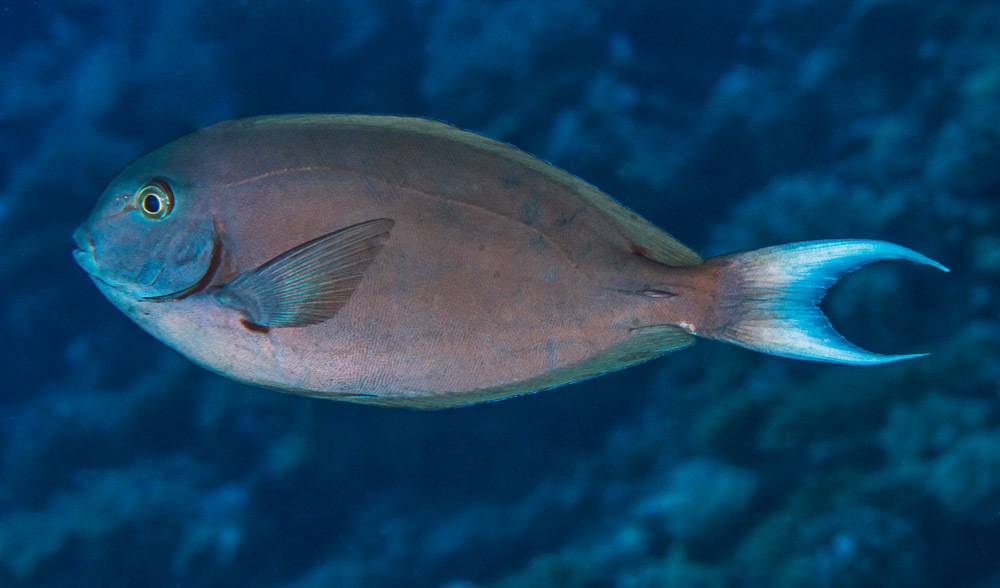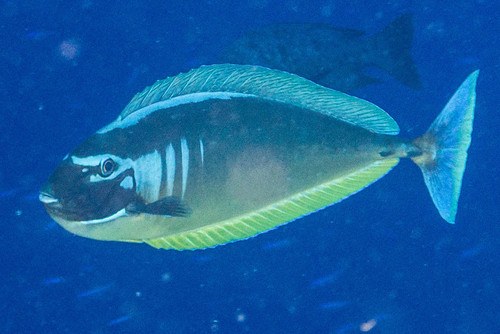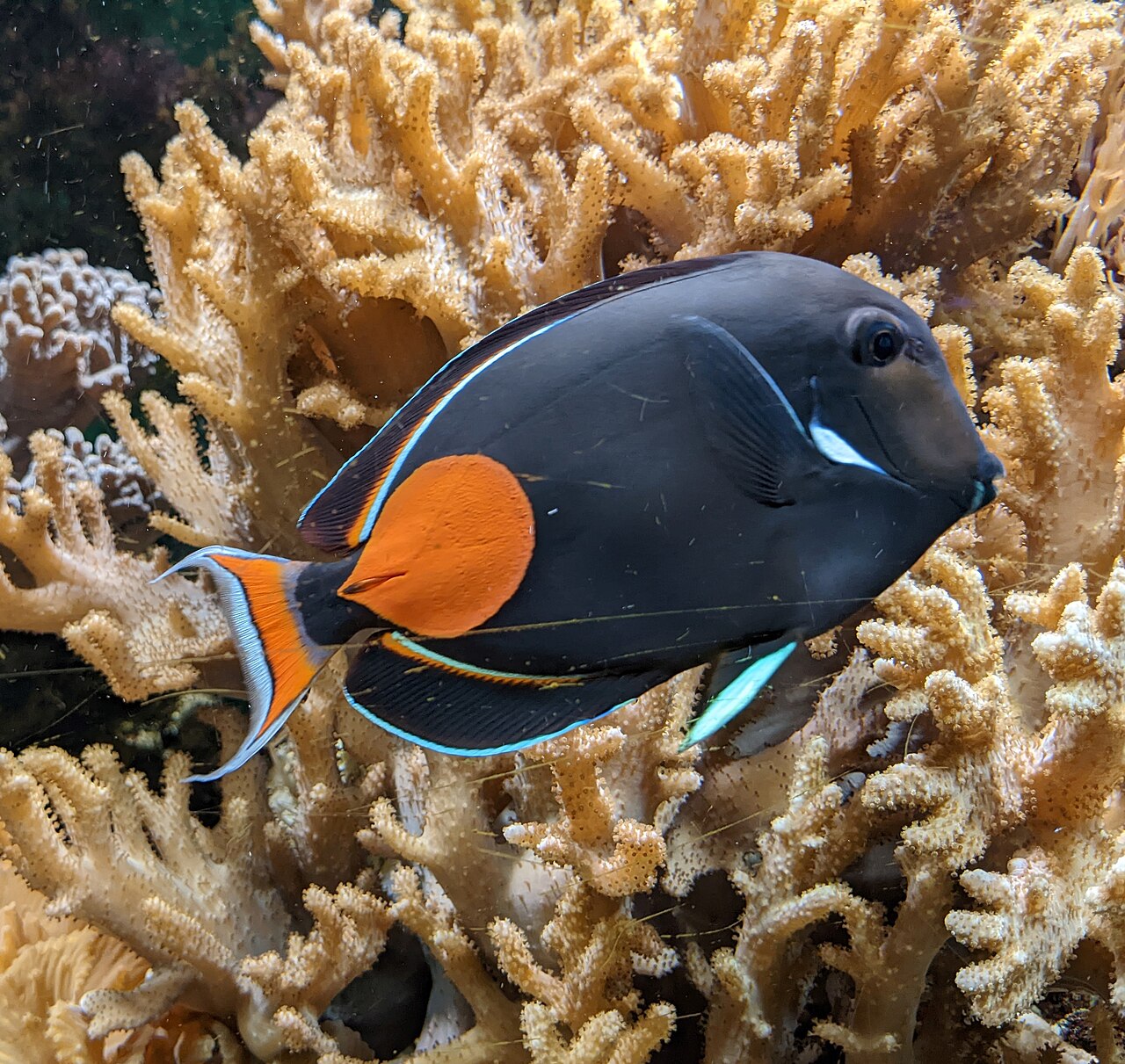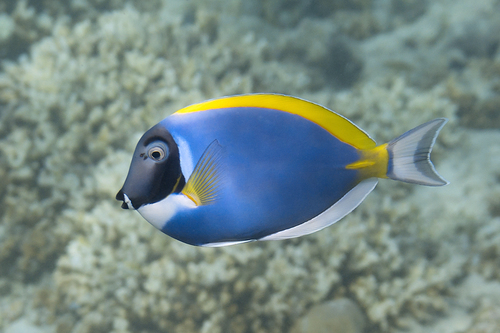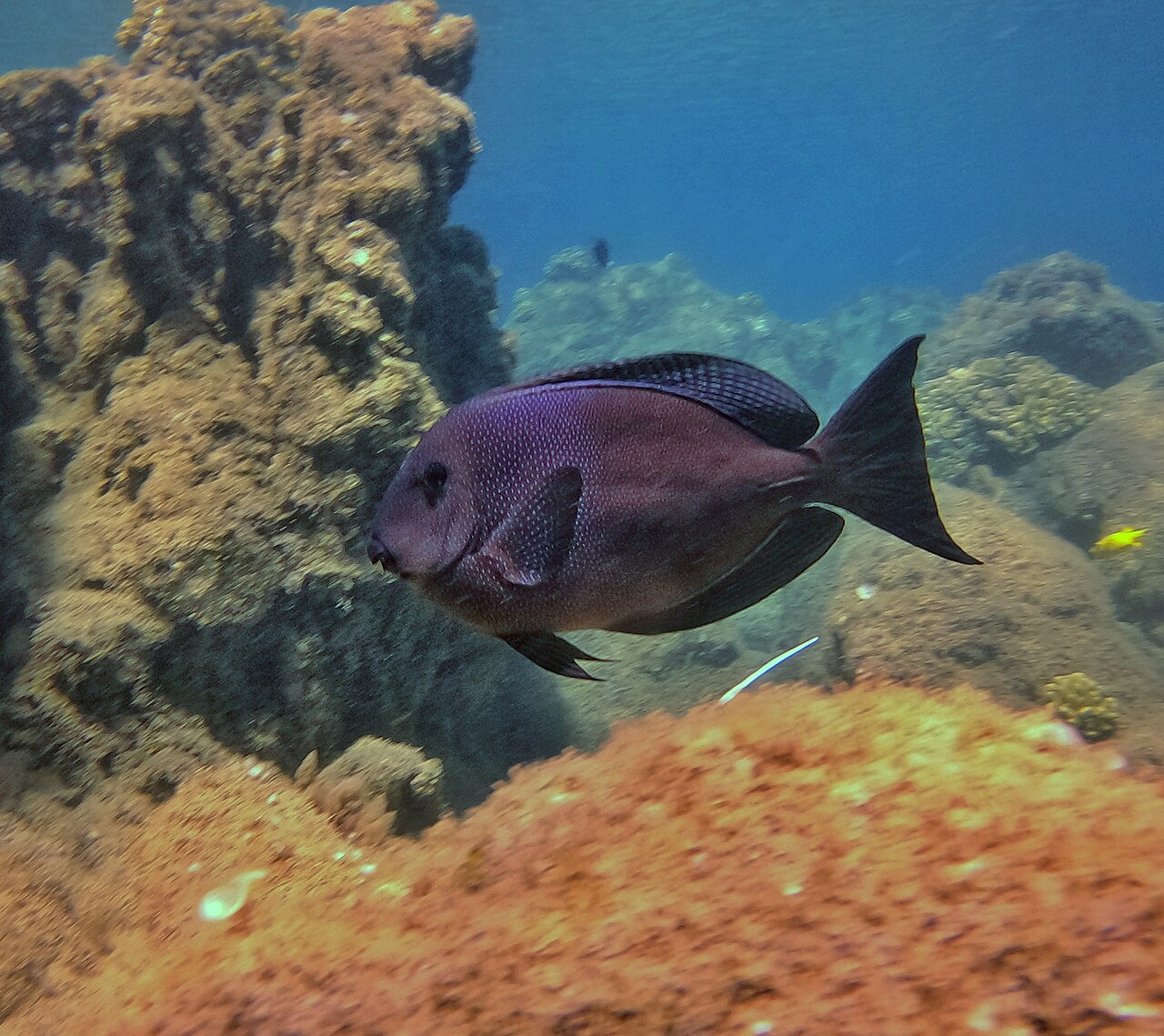
Striped-fin surgeonfish/Blue-spotted surgeonfish
ctenochaetus marginatus
In Stock
Common stock
Wild Caught
Moderate care
With Caution
SKU: ML-MF-0387
The Striped-fin surgeonfish is a vibrant addition to any marine aquarium, known for its striking colors and unique patterns.
Pricing for Verified Importers
Log in to see wholesale prices and order.
Export Size
up to 25.0 cm
Origin
Indo-Pacific
Temperature
24.0–28.0°C
Min. Tank Size
200 L
Salinity
1.020–1.025 ppt
pH
8.10–8.40
Diet
herbivore
The Striped-fin surgeonfish, also known as the Blue-spotted surgeonfish (Ctenochaetus marginatus), is a captivating species native to the coral reefs of the Indo-Pacific region. This marine fish is characterized by its stunning blue spots and a distinctively striped dorsal fin, which makes it a popular choice among aquarium enthusiasts. The coloration can vary from deep blue to bright yellow, depending on the individual and its environment, making each specimen unique.
In terms of natural history, Ctenochaetus marginatus primarily inhabits shallow waters, often found in reef-associated areas where they graze on algae and detritus. This species plays a crucial role in maintaining the health of coral reefs by controlling algae growth, which can otherwise overwhelm coral systems. They are typically seen in small groups, showcasing social behavior that includes grazing together and engaging in courtship displays during the breeding season.
Behaviorally, the Striped-fin surgeonfish is relatively peaceful, though they may exhibit territoriality, especially males during the breeding season. They are known to be active swimmers, frequently darting between rock crevices and coral formations. Their diet mainly consists of algae, making them herbivorous, and they have specialized teeth adapted for scraping algae off surfaces.
The habitat of the Striped-fin surgeonfish is primarily the coral reefs, where they thrive among the rich biodiversity. They prefer well-lit areas with ample algae growth, as this provides both food and shelter. Due to their specific habitat requirements, conservation efforts are essential to protect their natural environments from degradation and pollution.
In terms of natural history, Ctenochaetus marginatus primarily inhabits shallow waters, often found in reef-associated areas where they graze on algae and detritus. This species plays a crucial role in maintaining the health of coral reefs by controlling algae growth, which can otherwise overwhelm coral systems. They are typically seen in small groups, showcasing social behavior that includes grazing together and engaging in courtship displays during the breeding season.
Behaviorally, the Striped-fin surgeonfish is relatively peaceful, though they may exhibit territoriality, especially males during the breeding season. They are known to be active swimmers, frequently darting between rock crevices and coral formations. Their diet mainly consists of algae, making them herbivorous, and they have specialized teeth adapted for scraping algae off surfaces.
The habitat of the Striped-fin surgeonfish is primarily the coral reefs, where they thrive among the rich biodiversity. They prefer well-lit areas with ample algae growth, as this provides both food and shelter. Due to their specific habitat requirements, conservation efforts are essential to protect their natural environments from degradation and pollution.
For importers and retailers, providing optimal care for the Striped-fin surgeonfish is crucial for maintaining their health and vibrancy. The ideal water parameters include a temperature range of 24-28°C, salinity levels of 1.020-1.025 ppt, and a pH between 8.1 and 8.4. It's important to ensure stable water conditions, as fluctuations can stress these fish.
Feeding should consist of a varied diet, primarily herbivorous, including high-quality algae sheets, spirulina, and supplemented with marine-based foods to ensure balanced nutrition. Compatibility with other species is generally good, but caution should be taken when introducing them to tanks with overly aggressive fish, as they may become a target.
Acclimation is critical; a slow drip method over several hours is recommended to help them adjust to new water conditions. Quarantine for at least two weeks is advisable to monitor for any signs of disease or stress before introducing them to the main tank. Providing plenty of hiding spots and open swimming space will help reduce stress and promote natural behaviors.
Feeding should consist of a varied diet, primarily herbivorous, including high-quality algae sheets, spirulina, and supplemented with marine-based foods to ensure balanced nutrition. Compatibility with other species is generally good, but caution should be taken when introducing them to tanks with overly aggressive fish, as they may become a target.
Acclimation is critical; a slow drip method over several hours is recommended to help them adjust to new water conditions. Quarantine for at least two weeks is advisable to monitor for any signs of disease or stress before introducing them to the main tank. Providing plenty of hiding spots and open swimming space will help reduce stress and promote natural behaviors.
The Striped-fin surgeonfish is suitable for shipping and can be packed in standard marine fish export bags with adequate oxygen supply. Recommended packing density is one fish per 20 liters of water to minimize stress during transport. They are sensitive to temperature fluctuations; therefore, maintaining a stable temperature between 24-26°C during shipping is essential. This species is not currently listed under CITES, simplifying export regulations.
Species Parameters
Max Adult Size
25.0 cm
Origin
Indo-Pacific
Diet
herbivore
Temp Min
24.0 °C
Temp Max
28.0 °C
Salinity Min
1.020
Salinity Max
1.025
pH Min
8.10
pH Max
8.40
Min Tank
200 L