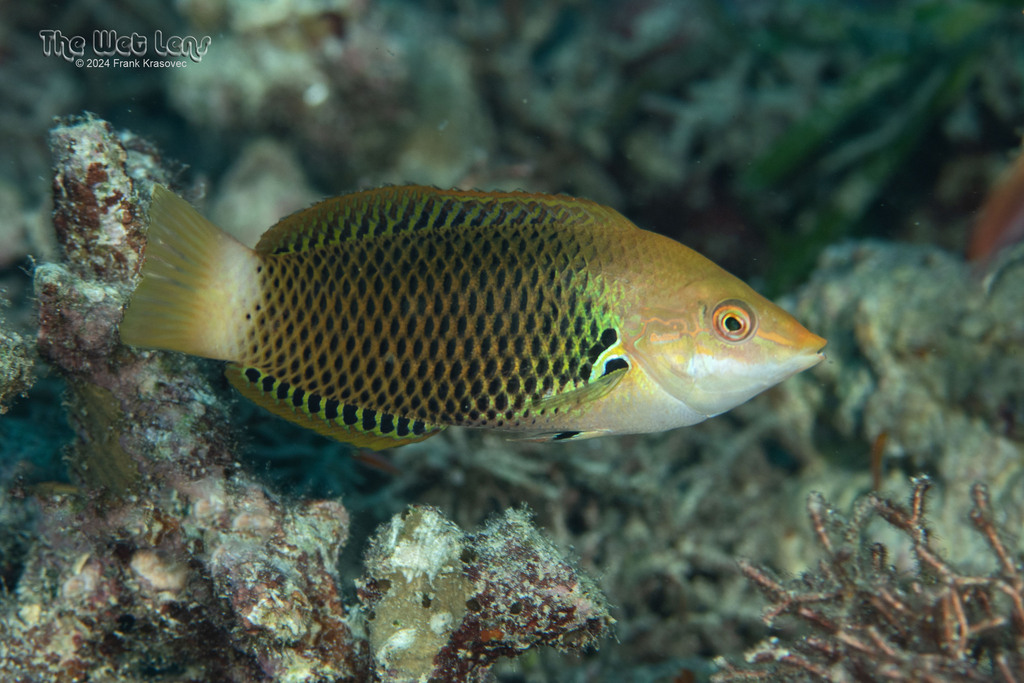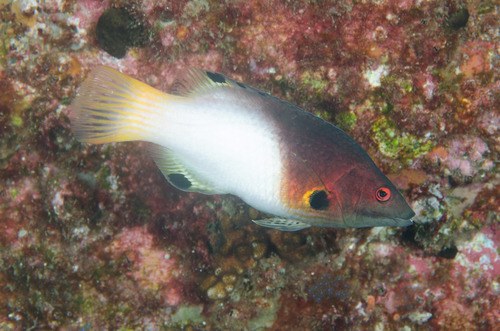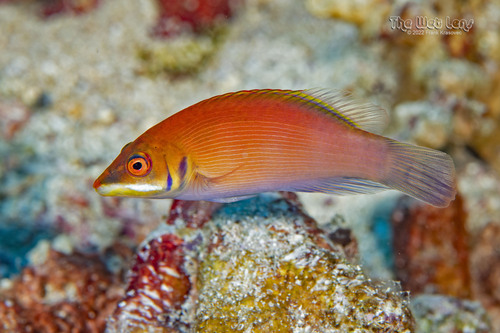
Common parrotfish
scarus psittacus
In Stock
Common stock
Wild Caught
Moderate care
With Caution
SKU: ML-MF-0431
The Common Parrotfish is a vibrant and vital species known for its unique beak-like teeth that help maintain coral reefs.
Pricing for Verified Importers
Log in to see wholesale prices and order.
Export Size
up to 50.0 cm
Origin
Indo-Pacific
Temperature
24.0–28.0°C
Min. Tank Size
200 L
Salinity
32.000–35.000 ppt
pH
8.10–8.40
Diet
herbivore
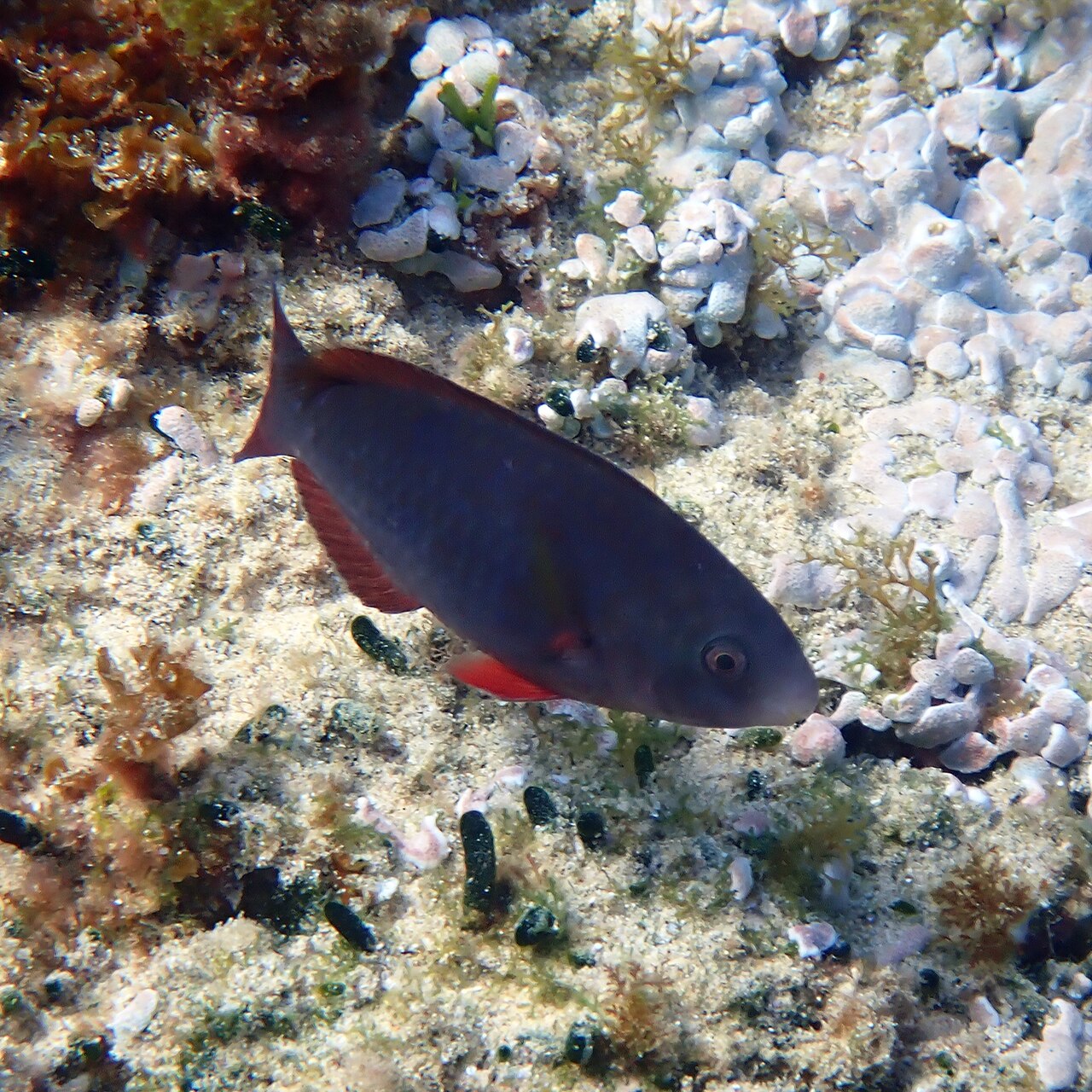
The Common Parrotfish (Scarus psittacus) is a striking marine fish found predominantly in the coral reefs of the Indo-Pacific region. Characterized by its bright colors and distinctive beak-like teeth, this species plays a crucial role in the ecological balance of reef environments. Adult parrotfish can reach lengths of up to 50 cm, showcasing a vibrant palette of greens, blues, and yellows that help them blend seamlessly into their surroundings. Their coloration can vary based on age and sex, with males often displaying more vivid hues.
In terms of behavior, Common Parrotfish are known for their grazing habits, primarily feeding on algae and small invertebrates found on coral surfaces. They use their beak-like teeth to scrape algae off rocks and coral, which helps to promote coral health by preventing algae overgrowth. Parrotfish are also known for their social behavior, often found in groups, which provides safety in numbers against predators. They are active during the day and retreat to sheltered areas at night, where they secrete a mucous cocoon to protect themselves from predators while they sleep.
Their habitat mainly consists of shallow coral reefs, where they thrive in warm, clear waters with plenty of algae and coral for feeding. These fish are highly adaptable, able to inhabit various reef types, including fringing and barrier reefs. As a species, they contribute significantly to the health of coral ecosystems, making them an important species for both ecological balance and the aquarium trade.
Overall, the Common Parrotfish is not just an attractive addition to aquariums but also a vital player in maintaining the health of marine ecosystems, making their conservation and responsible trade essential for future generations.
In terms of behavior, Common Parrotfish are known for their grazing habits, primarily feeding on algae and small invertebrates found on coral surfaces. They use their beak-like teeth to scrape algae off rocks and coral, which helps to promote coral health by preventing algae overgrowth. Parrotfish are also known for their social behavior, often found in groups, which provides safety in numbers against predators. They are active during the day and retreat to sheltered areas at night, where they secrete a mucous cocoon to protect themselves from predators while they sleep.
Their habitat mainly consists of shallow coral reefs, where they thrive in warm, clear waters with plenty of algae and coral for feeding. These fish are highly adaptable, able to inhabit various reef types, including fringing and barrier reefs. As a species, they contribute significantly to the health of coral ecosystems, making them an important species for both ecological balance and the aquarium trade.
Overall, the Common Parrotfish is not just an attractive addition to aquariums but also a vital player in maintaining the health of marine ecosystems, making their conservation and responsible trade essential for future generations.
For successful care of Common Parrotfish, it is essential to maintain stable water parameters. The ideal temperature range is between 24°C to 28°C with a salinity of 32-35 ppt. A pH level between 8.1 and 8.4 is recommended. Provide a minimum tank size of 200 liters to accommodate their active swimming behavior and ensure ample space for grazing.
Diet-wise, Common Parrotfish are primarily herbivores, requiring a diet rich in algae. High-quality marine algae, spirulina-based foods, and occasional high-protein supplements should be provided to ensure their nutritional needs are met. Regular feeding will promote healthy growth and vibrant coloration.
When introducing Common Parrotfish to a tank, gradual acclimation is crucial. Float the sealed bag in the tank for about 30 minutes before releasing them into the aquarium. It is also advisable to quarantine new arrivals for at least two weeks to prevent the introduction of diseases. They are generally compatible with other reef fish but may exhibit territorial behavior towards similar species, so careful selection of tank mates is recommended.
Diet-wise, Common Parrotfish are primarily herbivores, requiring a diet rich in algae. High-quality marine algae, spirulina-based foods, and occasional high-protein supplements should be provided to ensure their nutritional needs are met. Regular feeding will promote healthy growth and vibrant coloration.
When introducing Common Parrotfish to a tank, gradual acclimation is crucial. Float the sealed bag in the tank for about 30 minutes before releasing them into the aquarium. It is also advisable to quarantine new arrivals for at least two weeks to prevent the introduction of diseases. They are generally compatible with other reef fish but may exhibit territorial behavior towards similar species, so careful selection of tank mates is recommended.
Common Parrotfish are suitable for air shipping, provided they are packed securely in oxygenated bags. Maintain a temperature range of 24°C to 28°C during transit to minimize stress. The recommended packing density is one fish per 20-30 liters. As of the latest data, Scarus psittacus is not listed on CITES, making export regulations less stringent, but local laws should always be verified.
Species Parameters
Max Adult Size
50.0 cm
Origin
Indo-Pacific
Diet
herbivore
Temp Min
24.0 °C
Temp Max
28.0 °C
Salinity Min
32.000
Salinity Max
35.000
pH Min
8.10
pH Max
8.40
Min Tank
200 L