Bicolor Cleaner Wrasse
Labroides bicolor
In Stock
Common stock
Wild Caught
Moderate care
With Caution
SKU: CB-MF-0134
The Bicolor Cleaner Wrasse is renowned for its vibrant colors and essential role in reef health.
Pricing for Verified Importers
Log in to see wholesale prices and order.
Export Size
up to 11.0 cm
Origin
Indo-Pacific
Temperature
24.0–28.0°C
Min. Tank Size
150 L
Salinity
1.020–1.025 ppt
pH
8.10–8.40
Diet
carnivore
The Bicolor Cleaner Wrasse (Labroides bicolor) is a striking marine fish known for its vibrant blue and yellow coloration, which serves not only aesthetic purposes but also plays a crucial role in its ecological niche. This species is primarily found in the clear, shallow waters of coral reefs throughout the Indo-Pacific region. They exhibit a unique symbiotic relationship with other reef inhabitants, particularly larger fish, which seek their services for parasite removal. This cleaning behavior is essential for maintaining the health of reef ecosystems.
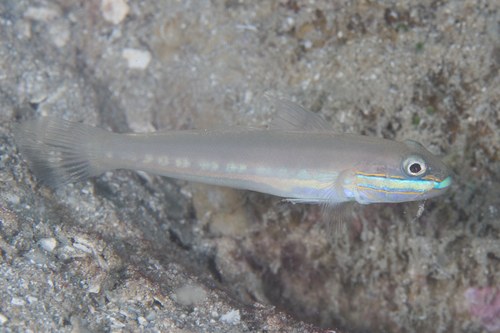
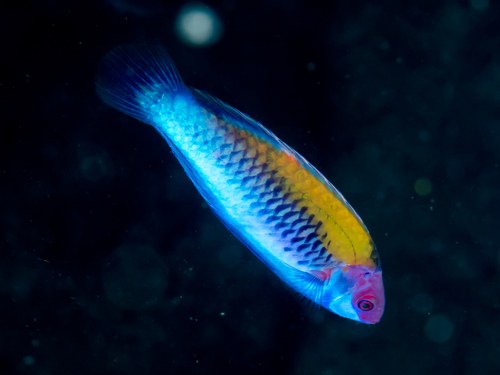
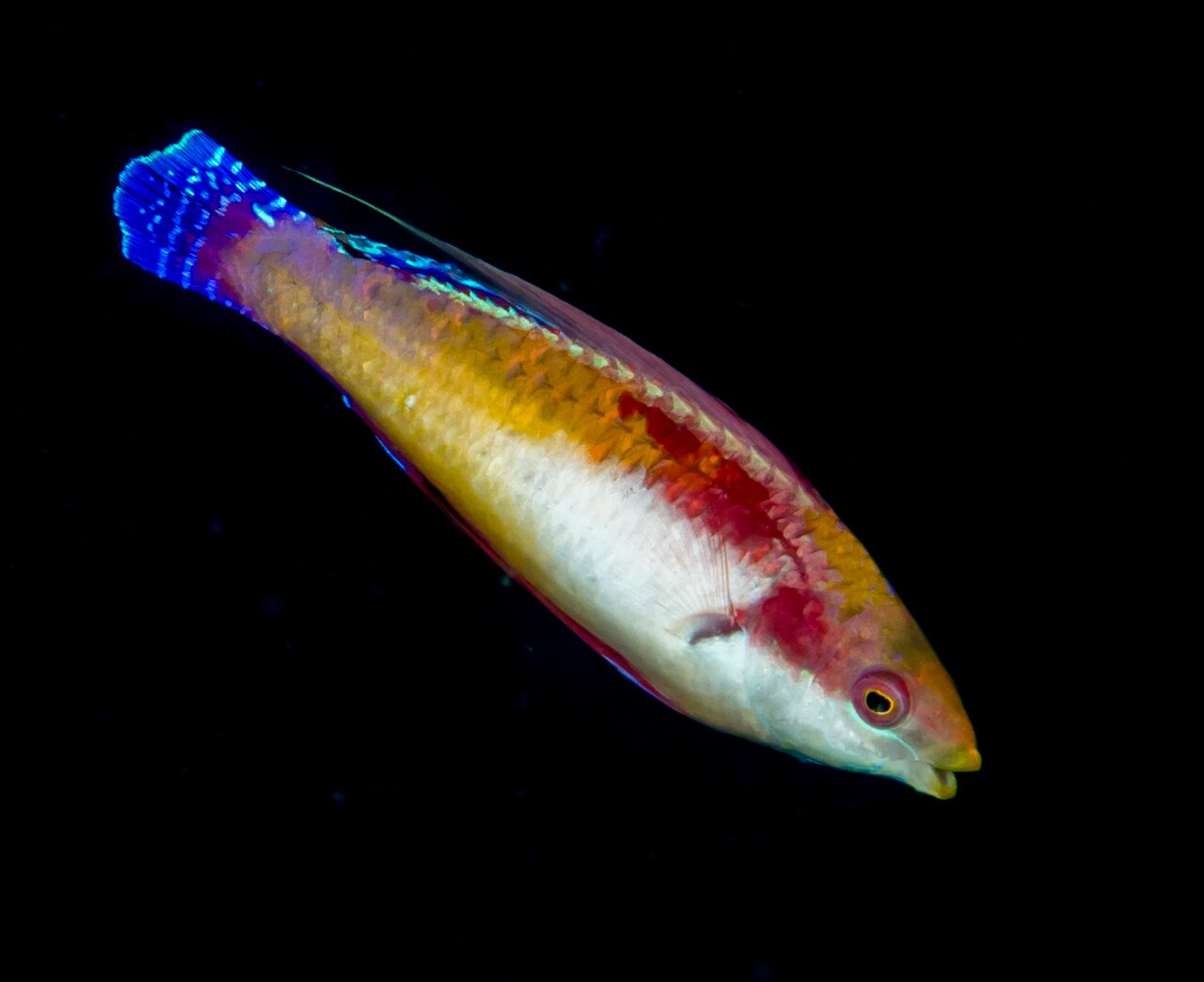
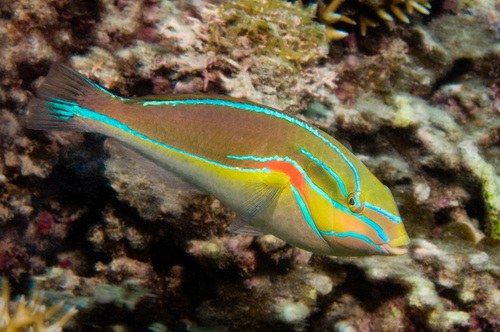
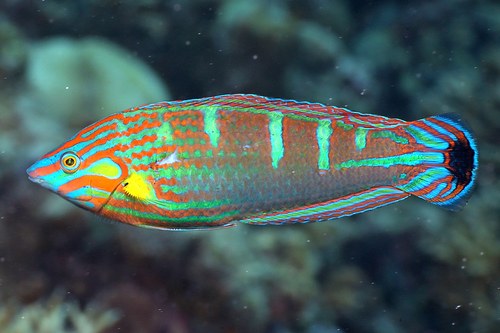
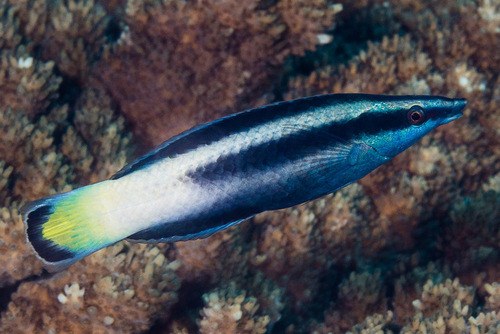
In terms of appearance, the Bicolor Cleaner Wrasse boasts a sleek body that can grow up to 11 cm in length. The vivid contrast between its blue head and yellow body makes it easily recognizable. This species is adapted to thrive in the dynamic environment of coral reefs, where it navigates through complex structures and interacts with a variety of marine life. The wrasse's distinctive coloration is not only a key identification feature but also plays a role in communication with other fish.
Behaviorally, Bicolor Cleaner Wrasses are known for their social interactions. They establish cleaning stations on the reef where they perform their cleaning services, attracting various fish species. This behavior is not just about food; it also involves intricate social dynamics, as cleaner wrasses must balance their role as a service provider with their own safety from predation. Their diet primarily consists of ectoparasites, dead tissue, and mucus from the fish they service, highlighting their importance in the health of reef fish populations.
In their natural habitat, Bicolor Cleaner Wrasses prefer areas with abundant coral cover where they can find shelter and food. They are typically found at depths ranging from 1 to 30 meters, and they thrive in stable, warm water conditions. The presence of this species is often an indicator of a healthy reef ecosystem, making their conservation vital for marine biodiversity.
In terms of appearance, the Bicolor Cleaner Wrasse boasts a sleek body that can grow up to 11 cm in length. The vivid contrast between its blue head and yellow body makes it easily recognizable. This species is adapted to thrive in the dynamic environment of coral reefs, where it navigates through complex structures and interacts with a variety of marine life. The wrasse's distinctive coloration is not only a key identification feature but also plays a role in communication with other fish.
Behaviorally, Bicolor Cleaner Wrasses are known for their social interactions. They establish cleaning stations on the reef where they perform their cleaning services, attracting various fish species. This behavior is not just about food; it also involves intricate social dynamics, as cleaner wrasses must balance their role as a service provider with their own safety from predation. Their diet primarily consists of ectoparasites, dead tissue, and mucus from the fish they service, highlighting their importance in the health of reef fish populations.
In their natural habitat, Bicolor Cleaner Wrasses prefer areas with abundant coral cover where they can find shelter and food. They are typically found at depths ranging from 1 to 30 meters, and they thrive in stable, warm water conditions. The presence of this species is often an indicator of a healthy reef ecosystem, making their conservation vital for marine biodiversity.
Importers and retailers should be aware that Bicolor Cleaner Wrasses require specific water parameters to thrive. Ideal temperature ranges between 24°C and 28°C, with a salinity of 1.020 to 1.025 ppt. A pH level between 8.1 and 8.4 is optimal for their health. It is recommended to maintain a minimum tank size of 150 liters to provide ample swimming space and stability in water conditions.
Feeding this species can be done with a varied diet, including high-quality frozen or live foods such as brine shrimp, mysis shrimp, and specialized marine flakes or pellets. Regular feeding is essential to accommodate their active metabolism and cleaning behavior. Compatibility with tank mates is generally good, but caution should be taken with aggressive species that may pose a threat to the wrasse.
Acclimation should be handled carefully, ideally through a drip method over several hours to minimize stress. Quarantine for at least two weeks is highly recommended to monitor for any signs of disease before introducing them to a display tank. Overall, with the right care and environment, Bicolor Cleaner Wrasses can thrive in captivity and continue to provide their beneficial cleaning services.
Feeding this species can be done with a varied diet, including high-quality frozen or live foods such as brine shrimp, mysis shrimp, and specialized marine flakes or pellets. Regular feeding is essential to accommodate their active metabolism and cleaning behavior. Compatibility with tank mates is generally good, but caution should be taken with aggressive species that may pose a threat to the wrasse.
Acclimation should be handled carefully, ideally through a drip method over several hours to minimize stress. Quarantine for at least two weeks is highly recommended to monitor for any signs of disease before introducing them to a display tank. Overall, with the right care and environment, Bicolor Cleaner Wrasses can thrive in captivity and continue to provide their beneficial cleaning services.
Bicolor Cleaner Wrasses are suitable for shipping under controlled conditions. It is essential to pack them securely with adequate oxygen and water to minimize stress during transit. Ideal shipping temperatures should be maintained between 24°C and 28°C. CITES status is not applicable, as this species is not listed. Optimal packing density should allow for sufficient water circulation while minimizing movement to prevent injury.
Species Parameters
Max Adult Size
11.0 cm
Origin
Indo-Pacific
Diet
carnivore
Temp Min
24.0 °C
Temp Max
28.0 °C
Salinity Min
1.020
Salinity Max
1.025
pH Min
8.10
pH Max
8.40
Min Tank
150 L