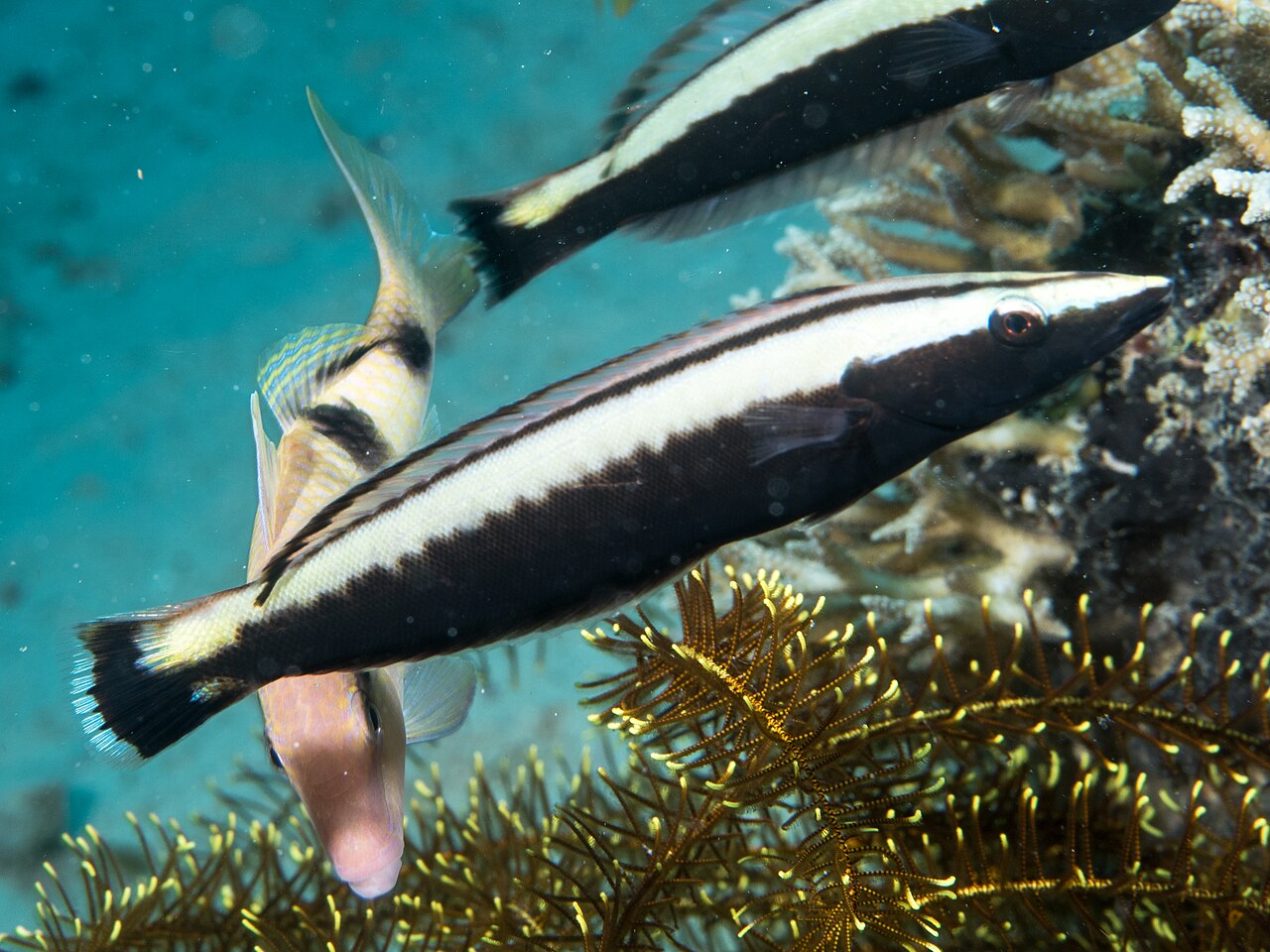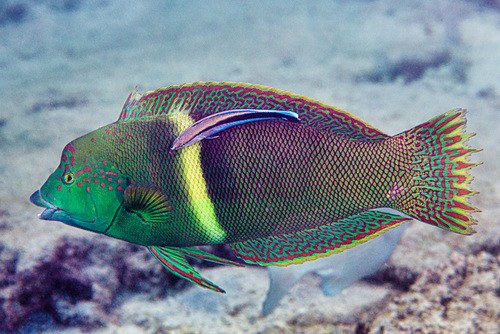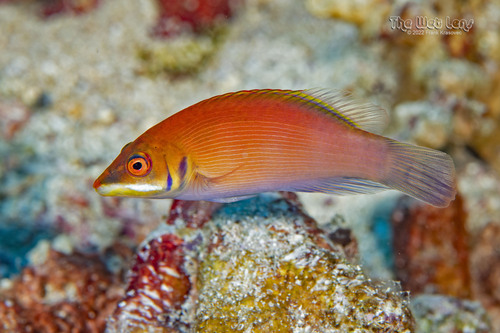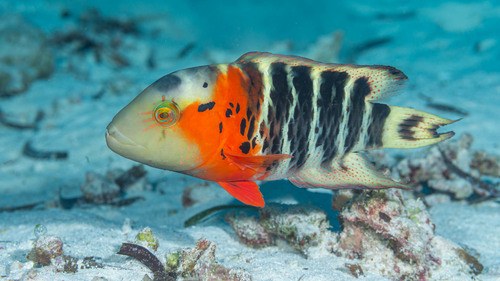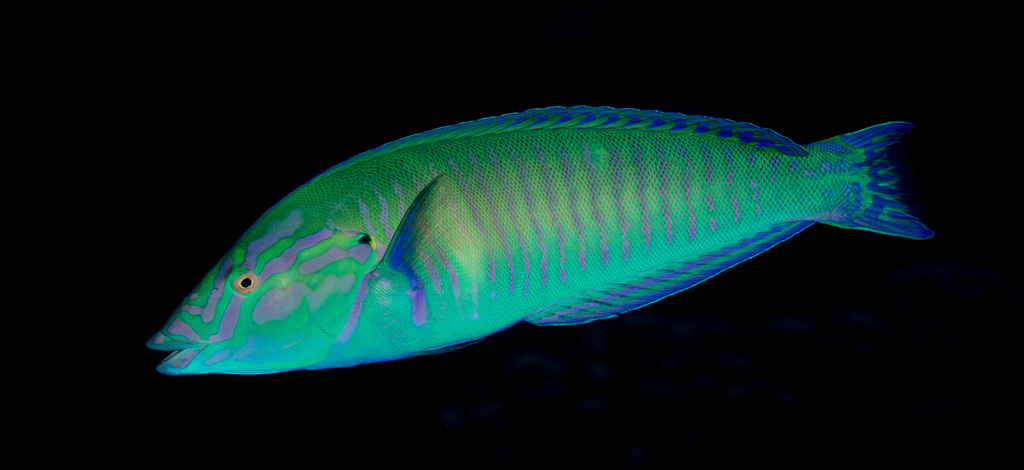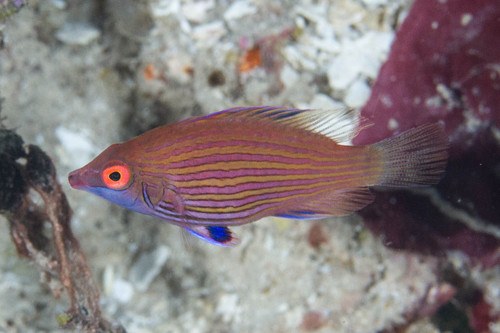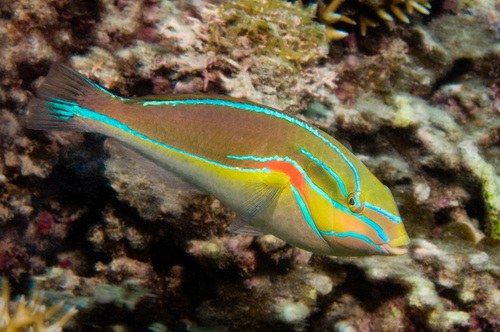
Orange-Axil Wrasse
Stethojulis bandanensis
In Stock
Common stock
Wild Caught
Moderate care
With Caution
SKU: CB-MF-0144
The Orange-Axil Wrasse is a vibrant marine fish known for its striking coloration and reef association.
Pricing for Verified Importers
Log in to see wholesale prices and order.
Export Size
up to 15.0 cm
Origin
Indo-Pacific
Temperature
24.0–28.0°C
Min. Tank Size
150 L
Salinity
1.020–1.025 ppt
pH
8.10–8.40
Diet
omnivore
The Orange-Axil Wrasse (Stethojulis bandanensis), commonly referred to as the red-shoulder wrasse, is a visually stunning species native to the East Indian Ocean, Australia, Indonesia, and the broader Indo-Pacific region. This marine fish is characterized by its vivid orange and blue coloration, with a distinctive orange stripe running along its body, making it a favorite among aquarium enthusiasts and collectors alike. They inhabit coral reefs, where they contribute to the ecological balance by preying on small invertebrates and algae, showcasing a fascinating behavior of cleaning the reef environment.
In terms of behavior, the Orange-Axil Wrasse is known for its active and curious nature. This species is often seen darting in and out of crevices and coral formations, displaying an inquisitive personality that captivates observers. They are diurnal and engage in various social interactions, often forming small groups. Their vibrant colors serve not only for attraction but also for communication within their species, particularly during mating rituals.
The natural habitat of the Orange-Axil Wrasse includes shallow coral reef environments where they find abundant shelter and food. They typically dwell at depths ranging from 1 to 30 meters, thriving in warm, clear waters rich in biodiversity. These fish prefer areas with plenty of rocks and coral, which provide both food sources and protection from predators. Their presence is an indicator of a healthy reef ecosystem, making them a crucial species in marine biodiversity.
Overall, the Orange-Axil Wrasse is more than just an ornamental fish; it plays a significant role in its natural habitat and exhibits fascinating behaviors that make it a sought-after species for marine aquarists and retailers alike.
In terms of behavior, the Orange-Axil Wrasse is known for its active and curious nature. This species is often seen darting in and out of crevices and coral formations, displaying an inquisitive personality that captivates observers. They are diurnal and engage in various social interactions, often forming small groups. Their vibrant colors serve not only for attraction but also for communication within their species, particularly during mating rituals.
The natural habitat of the Orange-Axil Wrasse includes shallow coral reef environments where they find abundant shelter and food. They typically dwell at depths ranging from 1 to 30 meters, thriving in warm, clear waters rich in biodiversity. These fish prefer areas with plenty of rocks and coral, which provide both food sources and protection from predators. Their presence is an indicator of a healthy reef ecosystem, making them a crucial species in marine biodiversity.
Overall, the Orange-Axil Wrasse is more than just an ornamental fish; it plays a significant role in its natural habitat and exhibits fascinating behaviors that make it a sought-after species for marine aquarists and retailers alike.
For successful care, maintaining optimal water parameters is crucial for the Orange-Axil Wrasse. Ideal conditions include a temperature range of 24-28°C, salinity between 1.020 to 1.025 ppt, and a pH level of 8.1 to 8.4. The tank should be well-filtered and equipped with plenty of live rock and hiding spots to mimic their natural habitat, allowing the fish to exhibit natural behaviors. A minimum tank size of 150 liters is recommended to provide ample swimming space and territory.
Feeding the Orange-Axil Wrasse is relatively straightforward, as they are omnivorous. A varied diet including high-quality flakes, pellets, and frozen foods such as brine shrimp, mysis shrimp, and finely chopped seafood will ensure their health and vitality. Regular feeding will promote color vibrancy and overall well-being. Compatibility-wise, they tend to do well with other peaceful marine species but can display territorial behavior, especially towards their own kind. Therefore, it is advisable to keep them in pairs or groups of the same species when possible.
Acclimation should be done gradually to minimize stress, ideally over a period of several hours. Quarantine new arrivals for at least two weeks to monitor for any signs of disease before introducing them to the main display tank. Regular water changes and tank maintenance are essential to keep the environment stable and conducive for this beautiful species.
Feeding the Orange-Axil Wrasse is relatively straightforward, as they are omnivorous. A varied diet including high-quality flakes, pellets, and frozen foods such as brine shrimp, mysis shrimp, and finely chopped seafood will ensure their health and vitality. Regular feeding will promote color vibrancy and overall well-being. Compatibility-wise, they tend to do well with other peaceful marine species but can display territorial behavior, especially towards their own kind. Therefore, it is advisable to keep them in pairs or groups of the same species when possible.
Acclimation should be done gradually to minimize stress, ideally over a period of several hours. Quarantine new arrivals for at least two weeks to monitor for any signs of disease before introducing them to the main display tank. Regular water changes and tank maintenance are essential to keep the environment stable and conducive for this beautiful species.
The Orange-Axil Wrasse is suitable for shipping and can be packed efficiently with appropriate care. It is recommended to use insulated boxes with adequate aeration and water to maintain optimal conditions during transit. The ideal shipping temperature should be maintained between 24-28°C. CITES status is not applicable for this species, allowing for straightforward export processes. Care should be taken to ensure minimal packing density to reduce stress during transport.
Species Parameters
Max Adult Size
15.0 cm
Origin
Indo-Pacific
Diet
omnivore
Temp Min
24.0 °C
Temp Max
28.0 °C
Salinity Min
1.020
Salinity Max
1.025
pH Min
8.10
pH Max
8.40
Min Tank
150 L