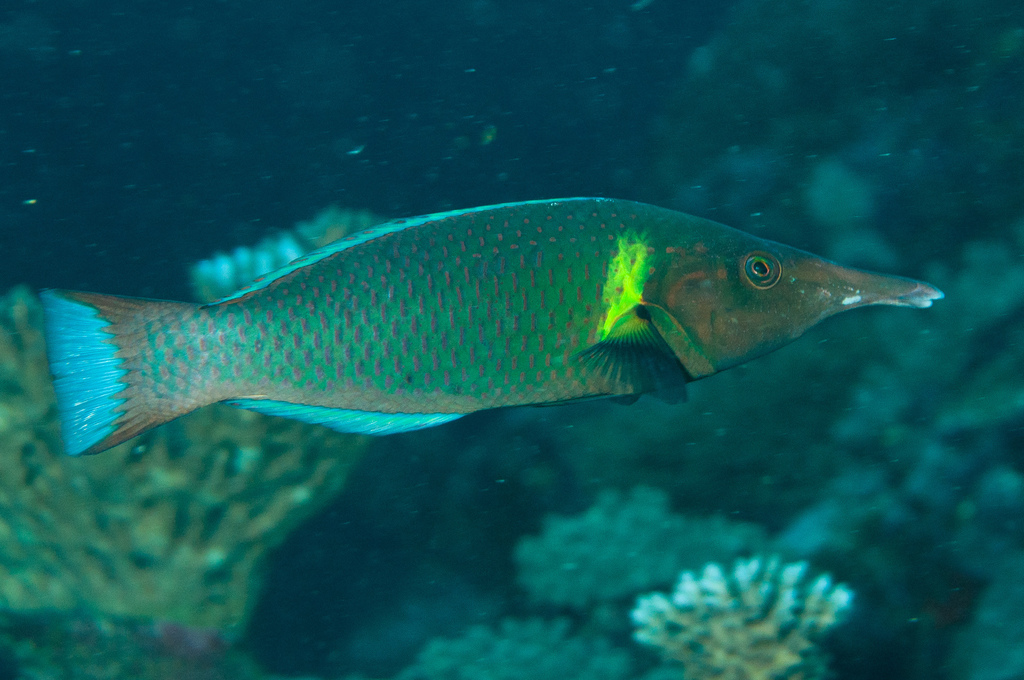
bird wrasse
gomphosus varius
In Stock
Common stock
Wild Caught
Moderate care
With Caution
SKU: ML-MF-0411
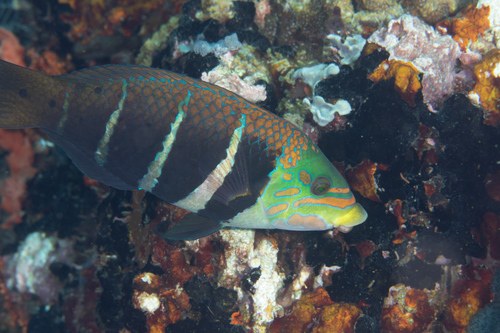
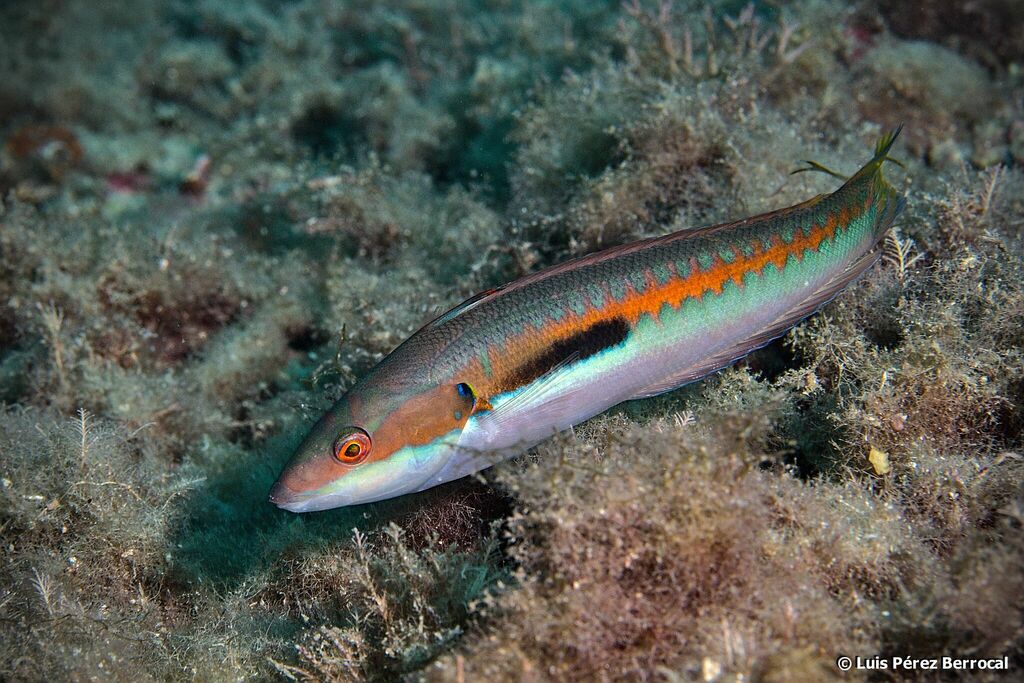
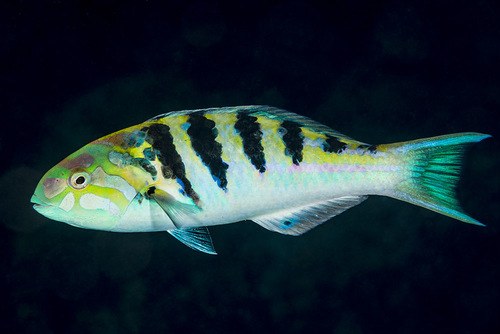
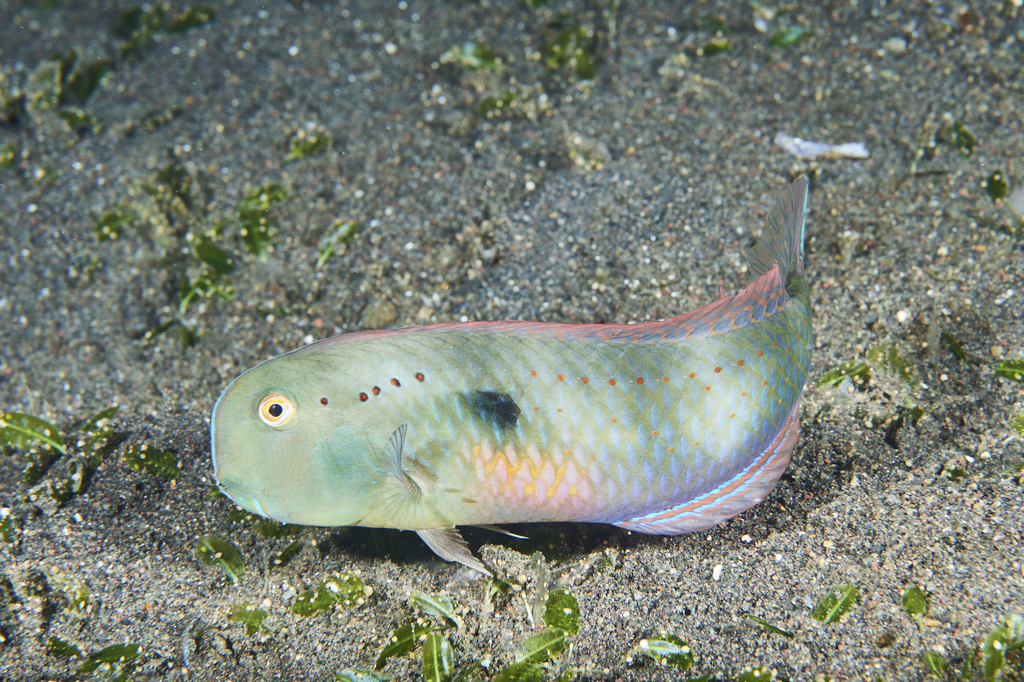
The bird wrasse is a vibrant marine fish known for its unique coloration and playful behavior.
Pricing for Verified Importers
Log in to see wholesale prices and order.
Export Size
up to 30.0 cm
Origin
Indo-Pacific
Temperature
24.0–28.0°C
Min. Tank Size
200 L
Salinity
1.020–1.025 ppt
pH
8.10–8.40
Diet
omnivore
The bird wrasse, scientifically known as Gomphosus varius, is a striking marine fish native to the coral reefs of the Indo-Pacific region. This species is renowned for its vibrant coloration, which can range from bright green to blue and yellow, making it a popular choice among aquarium enthusiasts. Adult males exhibit more vivid hues compared to females, particularly during mating displays. The fish's elongated body and distinctive beak-like snout contribute to its unique appearance, allowing it to forage effectively on the reef.
In terms of behavior, the bird wrasse is known for its active and inquisitive nature. It is a diurnal species, meaning it is most active during the day, often observed darting through the coral structures in search of food. This fish plays a significant role in its ecosystem, as it feeds primarily on zooplankton and small invertebrates, helping to maintain the balance within its habitat. Bird wrasses are often seen in pairs or small groups, exhibiting social interactions, especially during breeding seasons.
The natural habitat of the bird wrasse includes shallow coral reefs, lagoons, and sandy bottoms, where they can find plenty of hiding spots among the rocks and corals. They thrive in environments rich in biodiversity, which provides ample food sources and shelter. Their preference for warmer waters typically ranges between 24°C to 28°C, making them well-suited for reef aquariums that replicate their natural conditions. Conservation of their habitats is crucial, as these fish are sensitive to environmental changes and habitat degradation.
Overall, the bird wrasse's vibrant appearance and dynamic behavior make it a fascinating addition to marine aquariums. Their social nature and active lifestyle require careful consideration in terms of tank mates and environment to ensure their longevity and health in captivity.
In terms of behavior, the bird wrasse is known for its active and inquisitive nature. It is a diurnal species, meaning it is most active during the day, often observed darting through the coral structures in search of food. This fish plays a significant role in its ecosystem, as it feeds primarily on zooplankton and small invertebrates, helping to maintain the balance within its habitat. Bird wrasses are often seen in pairs or small groups, exhibiting social interactions, especially during breeding seasons.
The natural habitat of the bird wrasse includes shallow coral reefs, lagoons, and sandy bottoms, where they can find plenty of hiding spots among the rocks and corals. They thrive in environments rich in biodiversity, which provides ample food sources and shelter. Their preference for warmer waters typically ranges between 24°C to 28°C, making them well-suited for reef aquariums that replicate their natural conditions. Conservation of their habitats is crucial, as these fish are sensitive to environmental changes and habitat degradation.
Overall, the bird wrasse's vibrant appearance and dynamic behavior make it a fascinating addition to marine aquariums. Their social nature and active lifestyle require careful consideration in terms of tank mates and environment to ensure their longevity and health in captivity.
When caring for bird wrasses, it is essential to maintain stable water parameters to promote their health and well-being. The ideal temperature range is between 24°C and 28°C, with a salinity of 1.020 to 1.025 ppt. The pH should be maintained between 8.1 and 8.4 to mimic their natural habitat. A minimum tank size of 200 liters is recommended to provide adequate swimming space and territory.
Bird wrasses are omnivorous, thriving on a varied diet that includes high-quality pellets, frozen or live food such as brine shrimp, and small crustaceans. It is crucial to provide a balanced diet to support their nutritional needs and vibrant coloration. Compatibility is generally good with other reef-safe fish; however, caution should be taken when introducing them to aggressive or territorial species.
Acclimation should be done slowly to reduce stress, ideally over several hours using the drip acclimation method. Quarantine new arrivals for at least two weeks to monitor for any signs of disease and to prevent potential outbreaks in the main aquarium. Regular water quality checks and maintenance are vital to ensure a healthy environment for these active and colorful fish.
Bird wrasses are omnivorous, thriving on a varied diet that includes high-quality pellets, frozen or live food such as brine shrimp, and small crustaceans. It is crucial to provide a balanced diet to support their nutritional needs and vibrant coloration. Compatibility is generally good with other reef-safe fish; however, caution should be taken when introducing them to aggressive or territorial species.
Acclimation should be done slowly to reduce stress, ideally over several hours using the drip acclimation method. Quarantine new arrivals for at least two weeks to monitor for any signs of disease and to prevent potential outbreaks in the main aquarium. Regular water quality checks and maintenance are vital to ensure a healthy environment for these active and colorful fish.
Bird wrasses are suitable for shipping due to their hardy nature, but care must be taken during transit to minimize stress. Packing density should be moderate, allowing for sufficient water movement and aeration. They are sensitive to temperature fluctuations, so maintaining a stable temperature between 24°C and 28°C during shipping is essential. There are no specific CITES restrictions for this species, but it is always advisable to check local regulations before export.
Species Parameters
Max Adult Size
30.0 cm
Origin
Indo-Pacific
Diet
omnivore
Temp Min
24.0 °C
Temp Max
28.0 °C
Salinity Min
1.020
Salinity Max
1.025
pH Min
8.10
pH Max
8.40
Min Tank
200 L