Barred Thicklips
Hemigymnus fasciatus
In Stock
Common stock
Wild Caught
Moderate care
With Caution
SKU: CB-MF-0127
The Barred Thicklips is a vibrant marine fish known for its striking coloration and hardy nature.
Pricing for Verified Importers
Log in to see wholesale prices and order.
Export Size
up to 25.0 cm
Origin
Indo-Pacific
Temperature
24.0–28.0°C
Min. Tank Size
200 L
Salinity
30.000–35.000 ppt
pH
8.10–8.40
Diet
omnivore
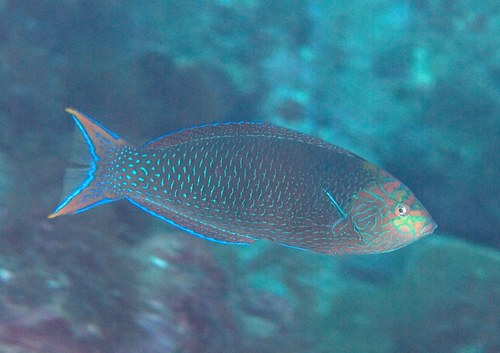
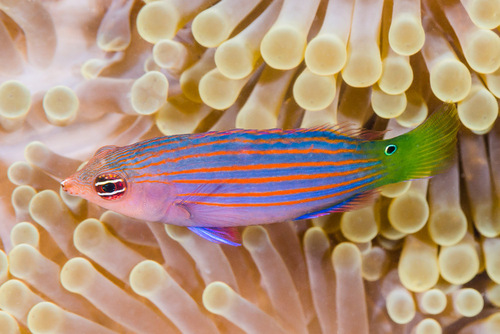
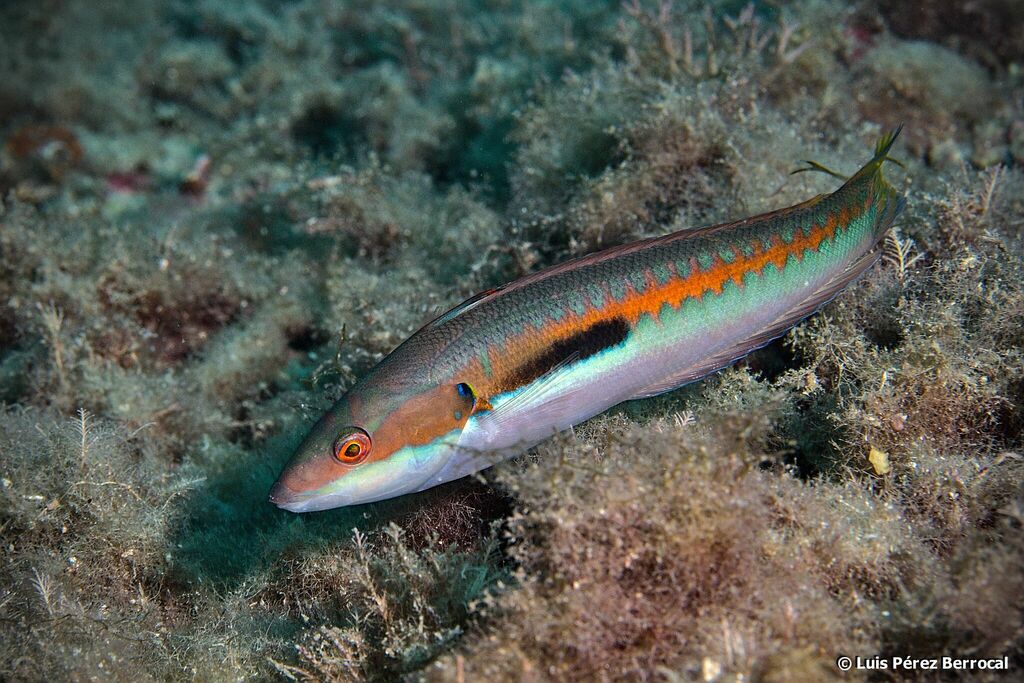
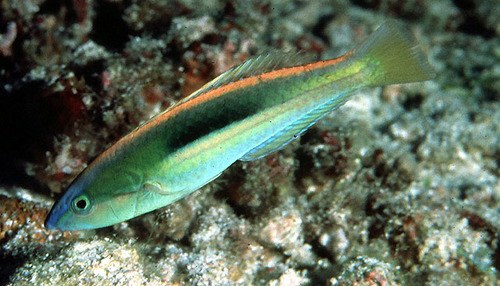
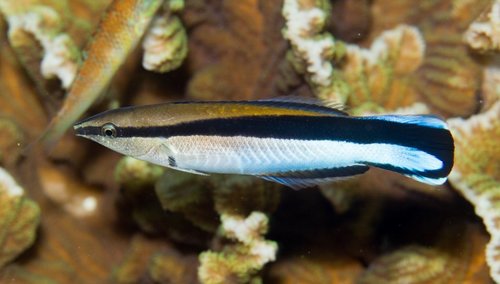
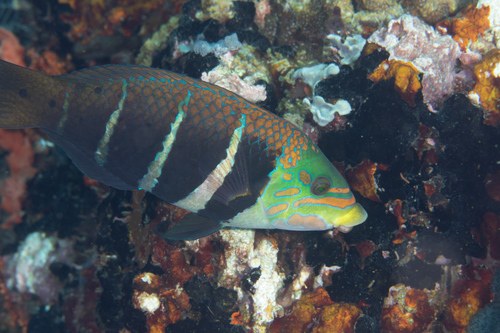
The Barred Thicklips (Hemigymnus fasciatus) is a distinctive marine species that captivates aquarists with its bold appearance and engaging behavior. This fish is characterized by its elongated body, large, thick lips, and a striking pattern of horizontal bars that run across its vibrant coloration. Typically found in shades of green to blue along with yellow and black markings, these fish are not only visually appealing but also exhibit dynamic movement within their habitats, making them a popular choice for both novice and experienced aquarists.
Native to the coral reefs of the Indo-Pacific region, the Barred Thicklips thrives in warm, shallow waters where it can find ample shelter among the intricate structures of live rock and coral. They are often seen in pairs or small groups, patrolling their territory and foraging for food. These fish play a crucial role in maintaining the health of coral reef ecosystems by grazing on algae and other organic matter, thus contributing to the balance of their environment.
In terms of behavior, Barred Thicklips are known to be relatively docile, making them compatible with a variety of other reef fish. They exhibit curious and playful behavior, particularly when acclimated to their surroundings. Their social nature allows them to adapt well in community tanks, where they can often be seen exploring and interacting with tank mates. However, caution should be taken when introducing them to more aggressive species, as their peaceful temperament may make them targets.
Overall, the Barred Thicklips is a beautiful and fascinating addition to any marine aquarium, providing both aesthetic appeal and ecological significance to the underwater world.
Native to the coral reefs of the Indo-Pacific region, the Barred Thicklips thrives in warm, shallow waters where it can find ample shelter among the intricate structures of live rock and coral. They are often seen in pairs or small groups, patrolling their territory and foraging for food. These fish play a crucial role in maintaining the health of coral reef ecosystems by grazing on algae and other organic matter, thus contributing to the balance of their environment.
In terms of behavior, Barred Thicklips are known to be relatively docile, making them compatible with a variety of other reef fish. They exhibit curious and playful behavior, particularly when acclimated to their surroundings. Their social nature allows them to adapt well in community tanks, where they can often be seen exploring and interacting with tank mates. However, caution should be taken when introducing them to more aggressive species, as their peaceful temperament may make them targets.
Overall, the Barred Thicklips is a beautiful and fascinating addition to any marine aquarium, providing both aesthetic appeal and ecological significance to the underwater world.
To ensure the optimal health of Barred Thicklips, specific water parameters must be maintained. A temperature range between 24°C to 28°C is ideal, with a salinity level of 30 to 35 ppt. The pH should be kept between 8.1 and 8.4 to mimic their natural habitat. A minimum tank size of 200 liters is recommended to provide sufficient swimming space and hiding spots, which are essential for their well-being.
Feeding the Barred Thicklips is straightforward, as they are omnivorous. A varied diet consisting of high-quality marine flakes, pellets, and frozen foods such as brine shrimp, mysis shrimp, and algae will keep them healthy and vibrant. Regular feeding, approximately 2-3 times a day, will help maintain their energy levels and enhance their coloration.
When introducing Barred Thicklips to a new environment, gradual acclimation is crucial. Using a drip acclimation method over several hours will help them adjust to the new water conditions without causing stress. Quarantine is also recommended for new arrivals to prevent the spread of disease and ensure they are healthy before being introduced to the main tank.
In terms of compatibility, Barred Thicklips tend to do well with other peaceful species but should be monitored when introduced to more aggressive fish. Providing ample hiding places can help reduce any territorial disputes and ensure a harmonious aquarium environment.
Feeding the Barred Thicklips is straightforward, as they are omnivorous. A varied diet consisting of high-quality marine flakes, pellets, and frozen foods such as brine shrimp, mysis shrimp, and algae will keep them healthy and vibrant. Regular feeding, approximately 2-3 times a day, will help maintain their energy levels and enhance their coloration.
When introducing Barred Thicklips to a new environment, gradual acclimation is crucial. Using a drip acclimation method over several hours will help them adjust to the new water conditions without causing stress. Quarantine is also recommended for new arrivals to prevent the spread of disease and ensure they are healthy before being introduced to the main tank.
In terms of compatibility, Barred Thicklips tend to do well with other peaceful species but should be monitored when introduced to more aggressive fish. Providing ample hiding places can help reduce any territorial disputes and ensure a harmonious aquarium environment.
Barred Thicklips are suitable for shipping, provided they are packed with care to minimize stress. A packing density of 1 fish per 5 liters of water is recommended to ensure adequate space. They are sensitive to temperature fluctuations, so maintaining a stable temperature of 24-28°C during transit is crucial. As of now, there are no specific CITES regulations affecting this species, allowing for export from Indonesia.
Species Parameters
Max Adult Size
25.0 cm
Origin
Indo-Pacific
Diet
omnivore
Temp Min
24.0 °C
Temp Max
28.0 °C
Salinity Min
30.000
Salinity Max
35.000
pH Min
8.10
pH Max
8.40
Min Tank
200 L