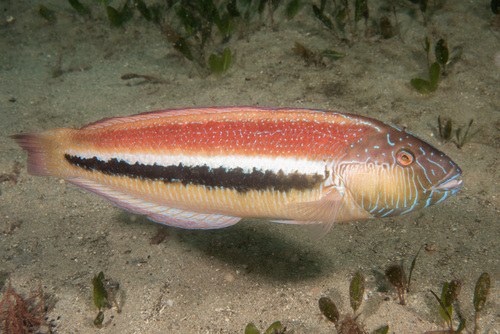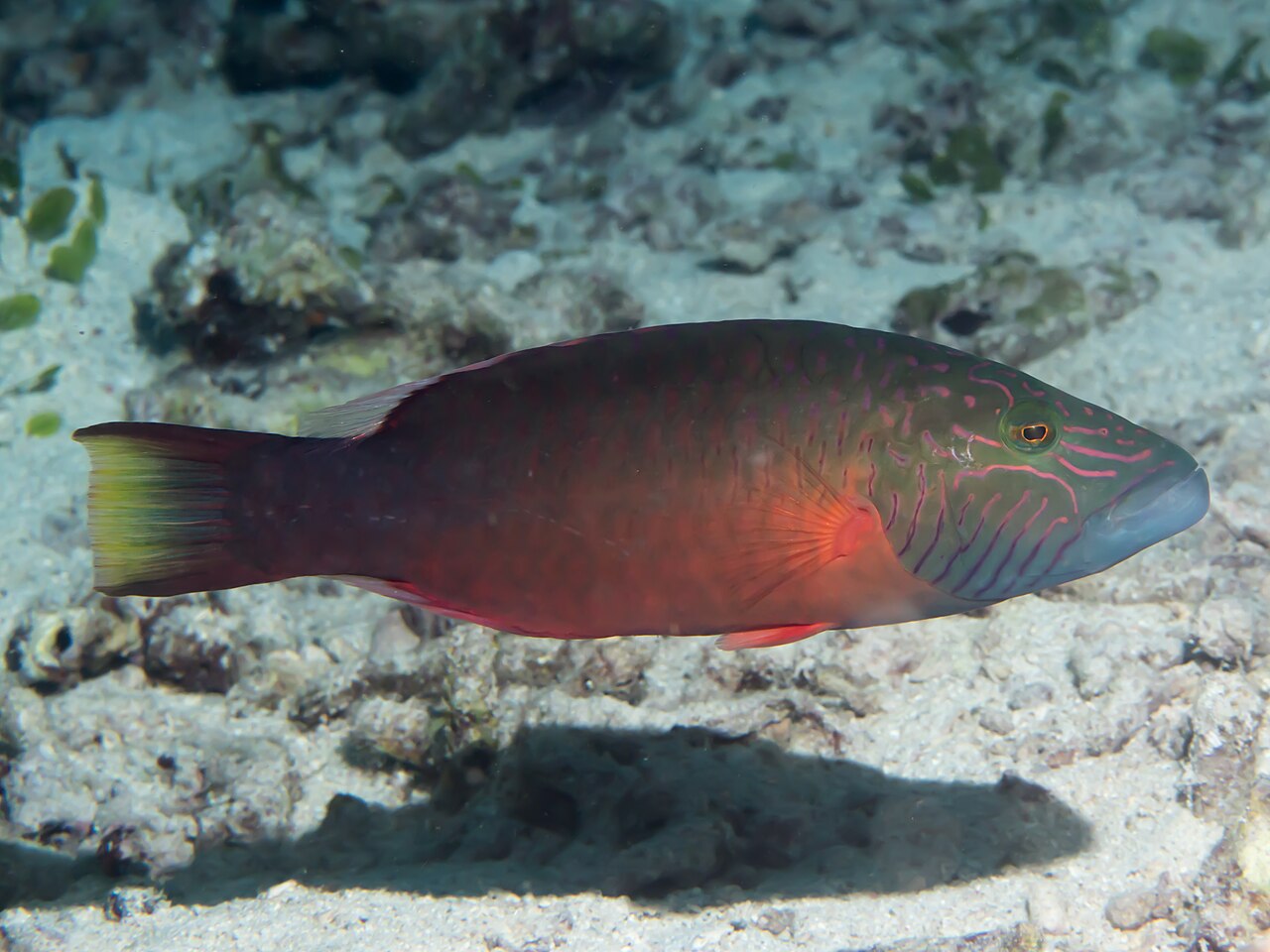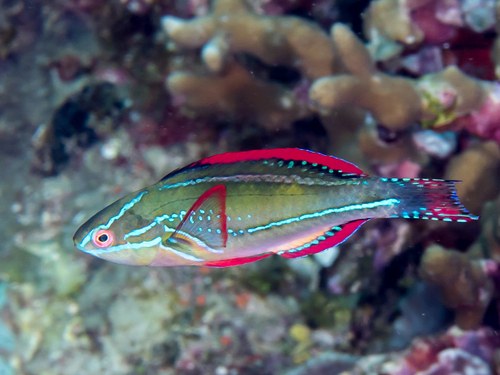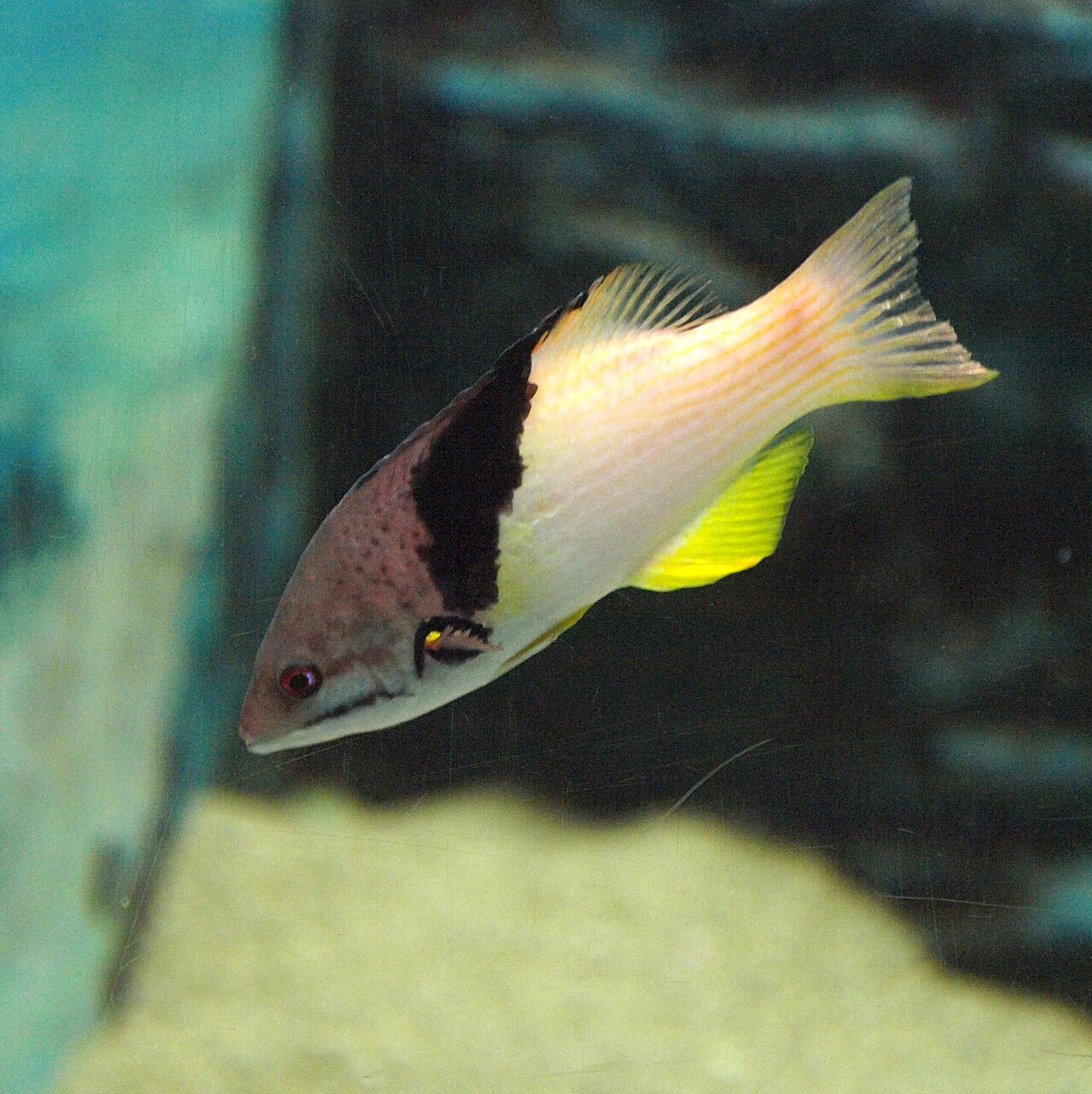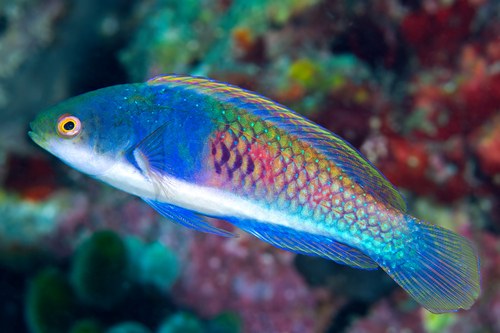
Blueside Wrasse
Cirrhilabrus cyanopleura
In Stock
Common stock
Wild Caught
Moderate care
With Caution
SKU: CB-MF-0097
Discover the vibrant Blueside Wrasse, a stunning marine fish native to Bali's coral reefs.
Pricing for Verified Importers
Log in to see wholesale prices and order.
Export Size
up to 9.0 cm
Origin
Indo-Pacific
Temperature
24.0–28.0°C
Min. Tank Size
100 L
Salinity
1.020–1.025 ppt
pH
8.10–8.40
Diet
carnivore
The Blueside Wrasse (Cirrhilabrus cyanopleura) is a captivating marine fish known for its striking coloration and dynamic behavior. Found primarily in the coral reefs of the Indo-Pacific region, this species displays a brilliant blend of blue and yellow hues, with males exhibiting particularly vivid colors during courtship displays. The Blueside Wrasse is a small fish, typically reaching a maximum size of about 9 cm, making it an ideal choice for both novice and experienced aquarists alike.
Natural history reveals that the Blueside Wrasse is a diurnal species, spending its days actively foraging among the reef's crevices and sand beds for small invertebrates and crustaceans. Their diet primarily consists of zooplankton, small crustaceans, and other tiny marine organisms. They are also known to exhibit interesting social behaviors, often forming small groups and displaying territoriality, especially during breeding seasons.
Inhabiting shallow reef environments, the Blueside Wrasse prefers sandy substrates often found near coral formations. These fish are most commonly observed at depths ranging from 10 to 30 meters, where they can easily find shelter and food. Their vibrant colors not only serve as a mating display but also provide camouflage among the colorful coral reefs, helping them evade predators.
This species is also notable for its reproductive habits, with males displaying bright colors to attract females during the mating season. Once a female is attracted, she will lay eggs in the substrate, where they are fertilized by the male. The fry then rely on the reef's abundant resources to grow, making this species a vital part of the marine ecosystem.
Natural history reveals that the Blueside Wrasse is a diurnal species, spending its days actively foraging among the reef's crevices and sand beds for small invertebrates and crustaceans. Their diet primarily consists of zooplankton, small crustaceans, and other tiny marine organisms. They are also known to exhibit interesting social behaviors, often forming small groups and displaying territoriality, especially during breeding seasons.
Inhabiting shallow reef environments, the Blueside Wrasse prefers sandy substrates often found near coral formations. These fish are most commonly observed at depths ranging from 10 to 30 meters, where they can easily find shelter and food. Their vibrant colors not only serve as a mating display but also provide camouflage among the colorful coral reefs, helping them evade predators.
This species is also notable for its reproductive habits, with males displaying bright colors to attract females during the mating season. Once a female is attracted, she will lay eggs in the substrate, where they are fertilized by the male. The fry then rely on the reef's abundant resources to grow, making this species a vital part of the marine ecosystem.
For importers and retailers, providing optimal care for the Blueside Wrasse is essential for maintaining their health and vibrancy. Ideal water parameters include a temperature range of 24-28°C, a salinity of 1.020-1.025 ppt, and a pH level between 8.1 and 8.4. It's crucial to maintain stable water conditions as this species is sensitive to fluctuations.
Feeding the Blueside Wrasse should focus on a varied diet, including high-quality marine flakes, frozen or live foods such as mysis shrimp, brine shrimp, and other small invertebrates. Regular feeding will help maintain their vibrant colors and overall health. Compatibility-wise, they generally coexist well with other peaceful species but may exhibit territorial behavior towards their own kind, especially males, so it's best to house them in pairs or groups with ample space.
Acclimation is a critical process; slowly introduce them to a new tank over several hours to minimize stress. A quarantine period of at least two weeks is recommended to monitor for any signs of disease before introducing them to a main display tank. Overall, with the right care and conditions, the Blueside Wrasse can thrive and become a stunning centerpiece in any marine aquarium.
Feeding the Blueside Wrasse should focus on a varied diet, including high-quality marine flakes, frozen or live foods such as mysis shrimp, brine shrimp, and other small invertebrates. Regular feeding will help maintain their vibrant colors and overall health. Compatibility-wise, they generally coexist well with other peaceful species but may exhibit territorial behavior towards their own kind, especially males, so it's best to house them in pairs or groups with ample space.
Acclimation is a critical process; slowly introduce them to a new tank over several hours to minimize stress. A quarantine period of at least two weeks is recommended to monitor for any signs of disease before introducing them to a main display tank. Overall, with the right care and conditions, the Blueside Wrasse can thrive and become a stunning centerpiece in any marine aquarium.
The Blueside Wrasse is suitable for shipping, provided they are packed with care to minimize stress. Optimal packing density should allow for adequate water circulation and space to avoid injury. Shipping temperatures should be maintained between 24-26°C to ensure their well-being during transit. This species is not listed under CITES, allowing for easier export processes.
Species Parameters
Max Adult Size
9.0 cm
Origin
Indo-Pacific
Diet
carnivore
Temp Min
24.0 °C
Temp Max
28.0 °C
Salinity Min
1.020
Salinity Max
1.025
pH Min
8.10
pH Max
8.40
Min Tank
100 L