Filamented Flasher Wrasse
Paracheilinus filamentosus
In Stock
Common stock
Wild Caught
Moderate care
With Caution
SKU: CB-MF-0093
The Filamented Flasher Wrasse dazzles with vibrant colors and dynamic behavior, making it a sought-after addition for marine aquariums.
Pricing for Verified Importers
Log in to see wholesale prices and order.
Export Size
up to 10.0 cm
Origin
Indo-Pacific
Temperature
24.0–28.0°C
Min. Tank Size
150 L
Salinity
35.000–35.000 ppt
pH
8.10–8.40
Diet
carnivore
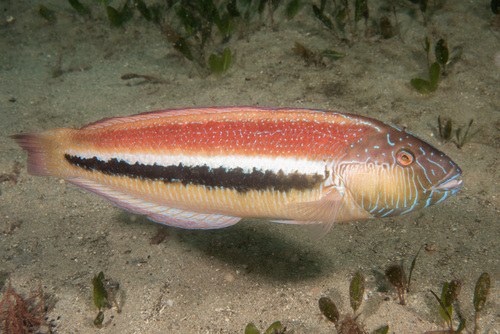
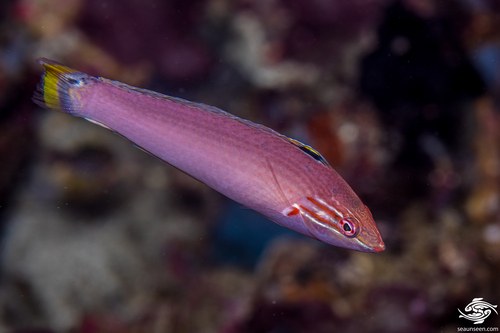
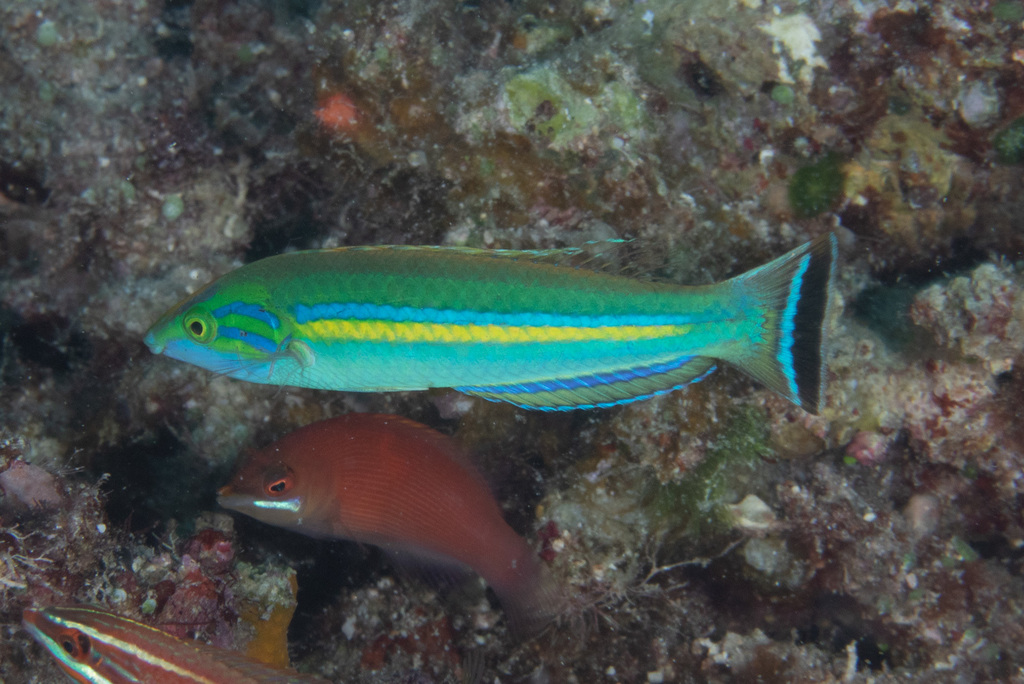
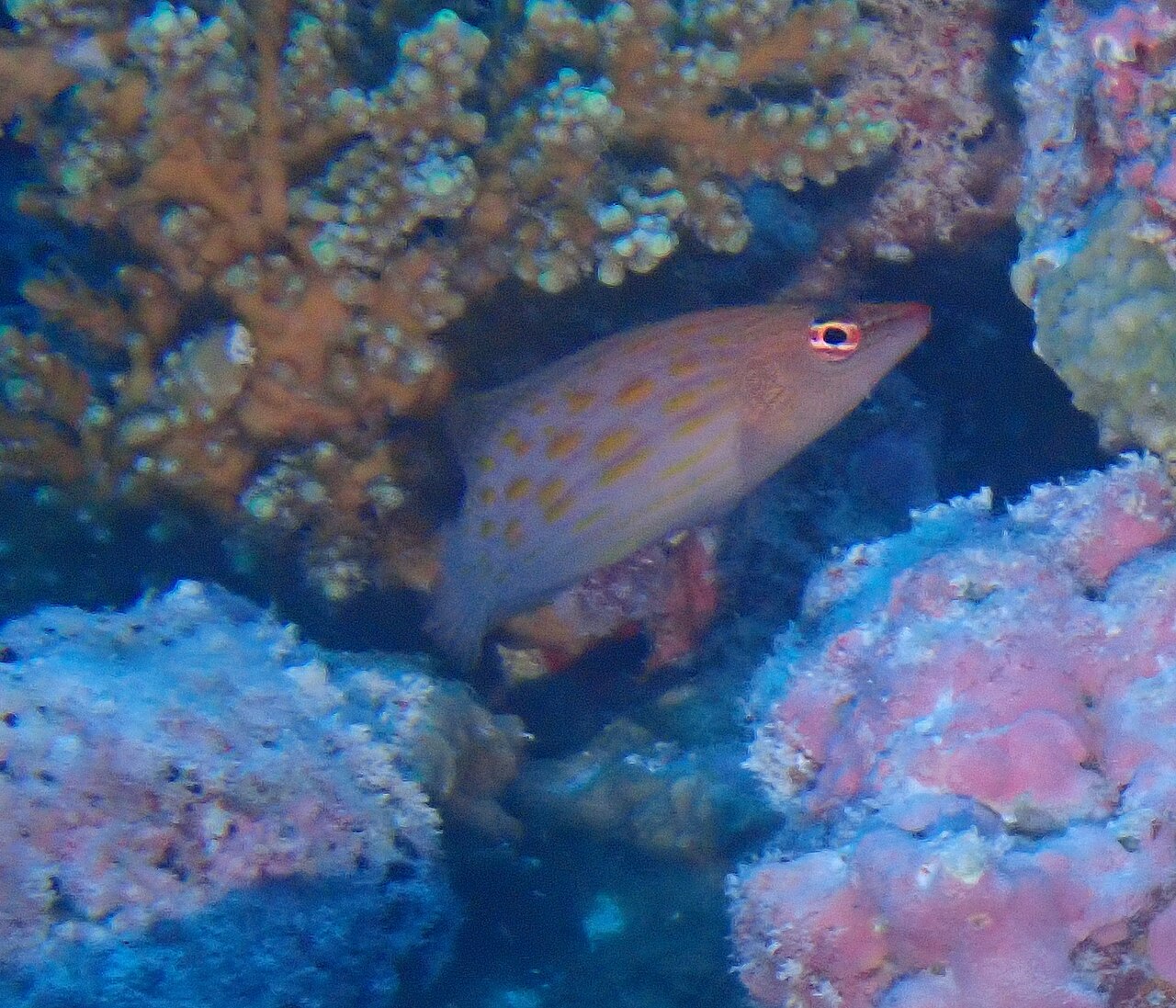
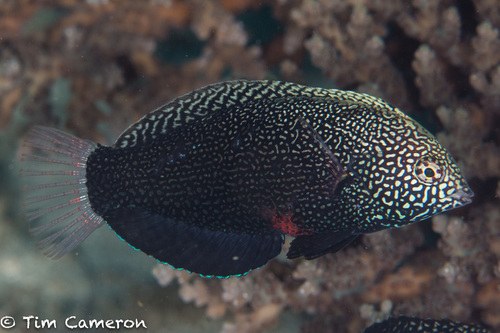
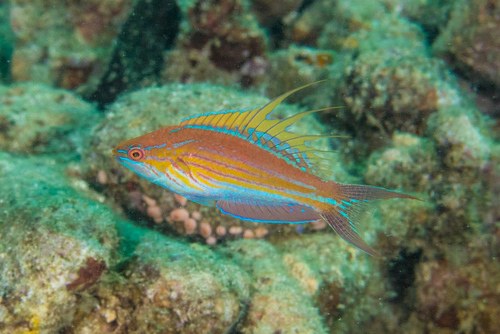
The Filamented Flasher Wrasse (Paracheilinus filamentosus) is a striking marine fish native to the coral reefs of the Indo-Pacific region. This species is renowned for its stunning coloration, featuring a blend of iridescent blue, yellow, and orange hues. Males are particularly notable for their elongated dorsal fin filaments, which they display prominently during courtship rituals, captivating both potential mates and observers alike. Their vibrant appearance, coupled with their active swimming behavior, makes them a highlight in any aquarium setting.
In terms of behavior, the Filamented Flasher Wrasse is known for its lively and inquisitive nature. Typically found in shallow reefs, this species prefers to inhabit areas with plenty of rock formations and coral cover, where it can seek shelter from predators. They are social fish, often seen in small groups, and exhibit fascinating behaviors such as darting in and out of crevices and performing intricate courtship displays. Their dynamic movements and playful interactions add a vibrant energy to the aquarium environment.
The natural habitat of the Filamented Flasher Wrasse is characterized by warm, clear waters with substantial coral structures. They thrive in environments that provide ample hiding spots and foraging opportunities, feeding primarily on small invertebrates and zooplankton. This species plays a crucial role in the reef ecosystem, contributing to the health and balance of their coral habitats through their feeding habits.
Due to their enchanting appearance and engaging behavior, the Filamented Flasher Wrasse has become a popular choice among marine aquarium enthusiasts. However, it is essential to ensure that they are kept in suitable environments that mimic their natural habitats for optimal health and well-being.
In terms of behavior, the Filamented Flasher Wrasse is known for its lively and inquisitive nature. Typically found in shallow reefs, this species prefers to inhabit areas with plenty of rock formations and coral cover, where it can seek shelter from predators. They are social fish, often seen in small groups, and exhibit fascinating behaviors such as darting in and out of crevices and performing intricate courtship displays. Their dynamic movements and playful interactions add a vibrant energy to the aquarium environment.
The natural habitat of the Filamented Flasher Wrasse is characterized by warm, clear waters with substantial coral structures. They thrive in environments that provide ample hiding spots and foraging opportunities, feeding primarily on small invertebrates and zooplankton. This species plays a crucial role in the reef ecosystem, contributing to the health and balance of their coral habitats through their feeding habits.
Due to their enchanting appearance and engaging behavior, the Filamented Flasher Wrasse has become a popular choice among marine aquarium enthusiasts. However, it is essential to ensure that they are kept in suitable environments that mimic their natural habitats for optimal health and well-being.
When importing Filamented Flasher Wrasse, it's crucial to maintain stable water parameters to ensure their health and vitality. Ideal conditions include a temperature range of 24-28°C, salinity of 1.020-1.025 ppt, and a pH level between 8.1 and 8.4. A minimum tank size of 150 liters is recommended to provide ample swimming space and hiding spots. This species thrives in well-filtered and oxygenated water, emphasizing the importance of regular water quality checks.
Feeding the Filamented Flasher Wrasse should primarily consist of high-quality marine pellets, frozen mysis shrimp, and finely chopped marine foods, catering to their carnivorous diet. It is advisable to feed them several small meals throughout the day to replicate their natural feeding behavior. Compatibility-wise, they generally do well with other peaceful species but may exhibit territoriality towards similar-looking wrasses. Therefore, careful selection of tank mates is essential.
Acclimation is critical for this species; a slow introduction to the new environment is recommended to reduce stress. Quarantine procedures should also be followed for new arrivals to prevent any potential disease spread. Observing their behavior during this period allows importers and retailers to ensure that they are healthy and ready for display in retail environments.
Feeding the Filamented Flasher Wrasse should primarily consist of high-quality marine pellets, frozen mysis shrimp, and finely chopped marine foods, catering to their carnivorous diet. It is advisable to feed them several small meals throughout the day to replicate their natural feeding behavior. Compatibility-wise, they generally do well with other peaceful species but may exhibit territoriality towards similar-looking wrasses. Therefore, careful selection of tank mates is essential.
Acclimation is critical for this species; a slow introduction to the new environment is recommended to reduce stress. Quarantine procedures should also be followed for new arrivals to prevent any potential disease spread. Observing their behavior during this period allows importers and retailers to ensure that they are healthy and ready for display in retail environments.
The Filamented Flasher Wrasse is suitable for shipping, provided that proper precautions are taken during transit. They should be packed in secure, insulated containers with adequate oxygen and water. A packing density of 1-2 fish per liter is recommended to minimize stress. Temperature sensitivity is a concern; therefore, maintaining a stable temperature between 24-26°C during shipping is essential. This species is not listed under CITES, allowing for easier exportation.
Species Parameters
Max Adult Size
10.0 cm
Origin
Indo-Pacific
Diet
carnivore
Temp Min
24.0 °C
Temp Max
28.0 °C
Salinity Min
35.000
Salinity Max
35.000
pH Min
8.10
pH Max
8.40
Min Tank
150 L