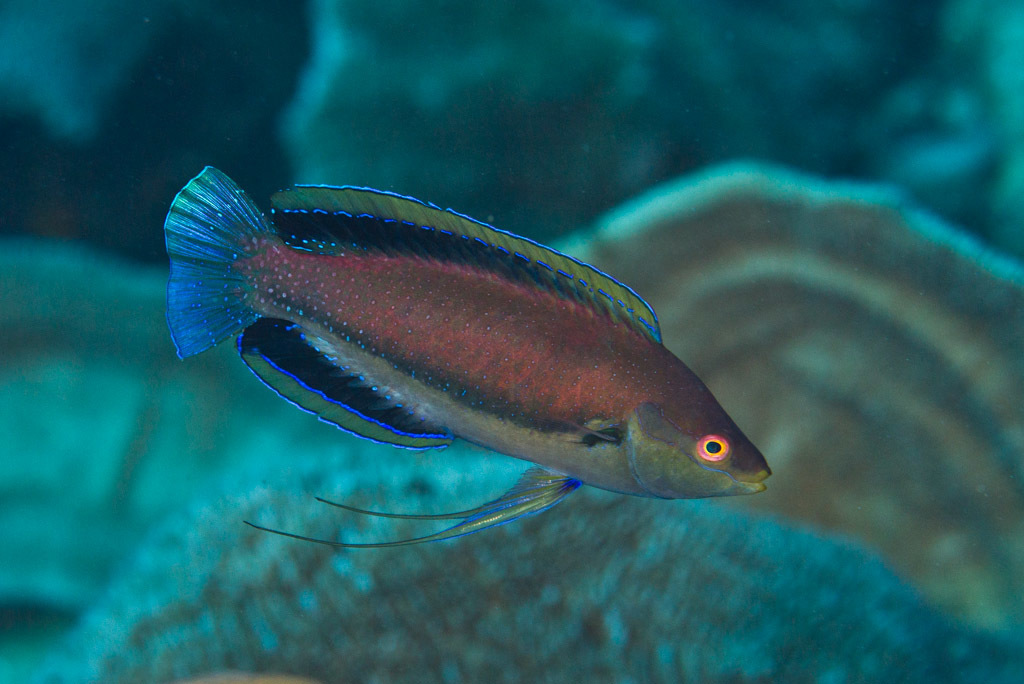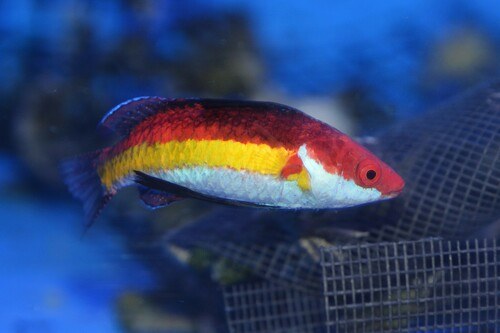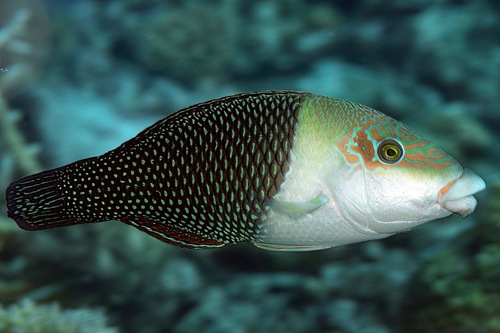
Half-and-Half Thicklip
Hemigymnus melapterus
In Stock
Occasional stock
Wild Caught
Moderate care
With Caution
SKU: D094
The Half-and-Half Thicklip is a striking marine fish, known for its vibrant coloration and adaptability.
Pricing for Verified Importers
Log in to see wholesale prices and order.
Export Size
up to 20.0 cm
Origin
Indo-Pacific
Temperature
24.0–28.0°C
Min. Tank Size
200 L
Salinity
32.000–35.000 ppt
pH
8.10–8.40
Diet
carnivore
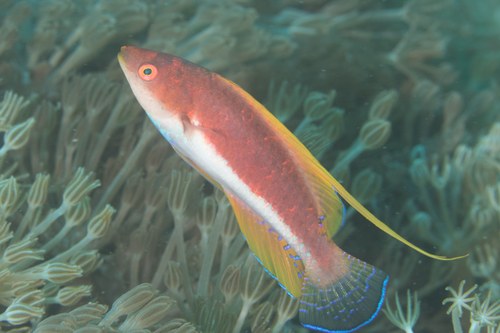
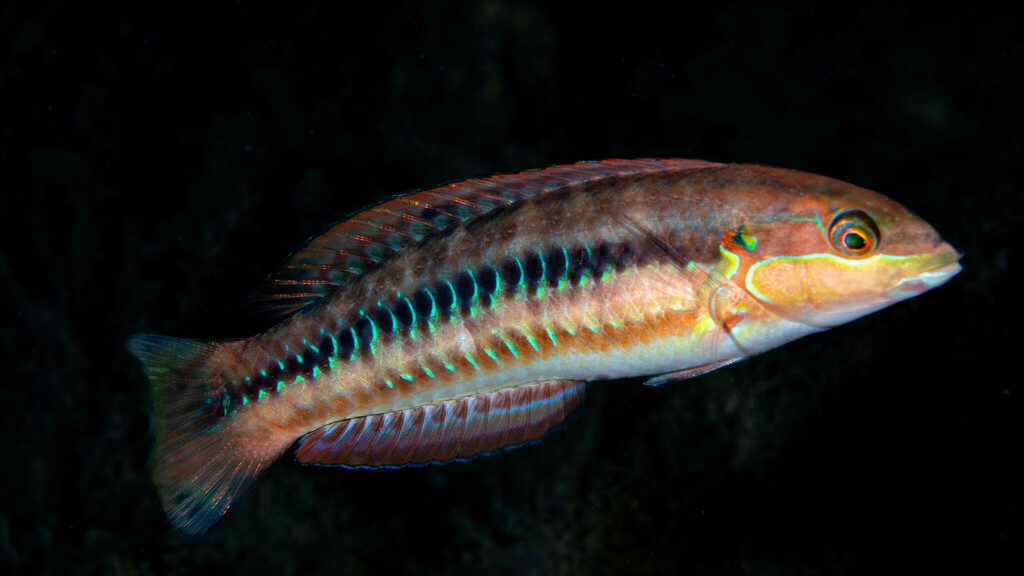
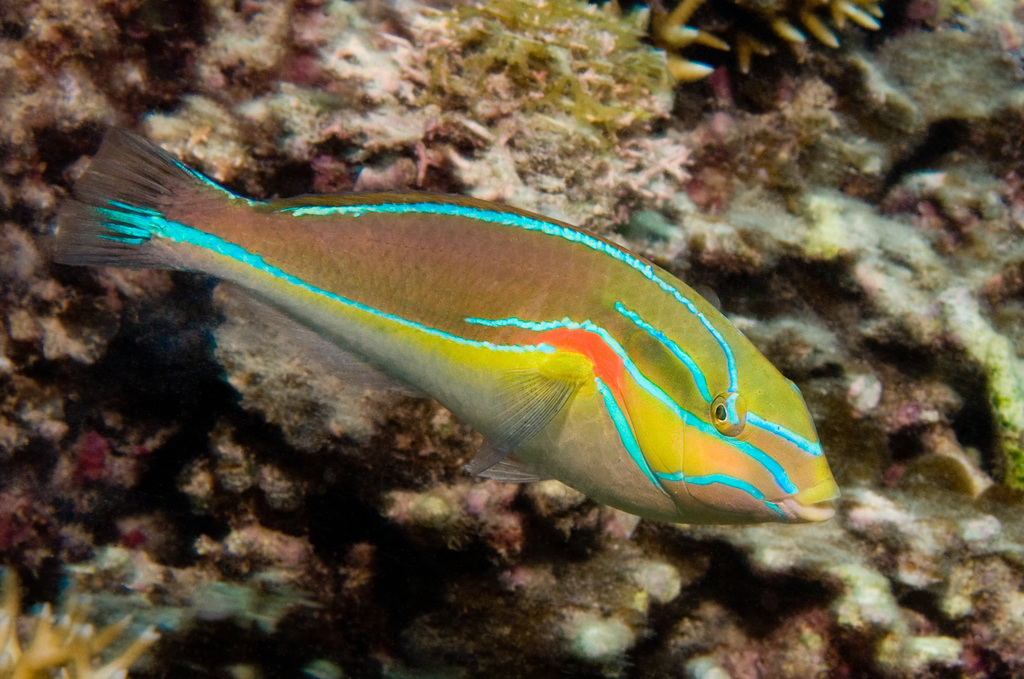
The Half-and-Half Thicklip, scientifically known as Hemigymnus melapterus, is a captivating species of wrasse native to the warm waters of the Indo-Pacific region. This marine fish is easily recognizable due to its unique color pattern, which features a striking contrast between its dark and light hues. The species typically displays a blackish-blue upper body that transitions to a lighter, almost white underside, making it a sought-after addition for both aquariums and marine enthusiasts. Beyond its aesthetic appeal, the Half-and-Half Thicklip plays a crucial role in its ecosystem, often found among coral reefs where it contributes to the health of these delicate environments.
In terms of behavior, the Half-and-Half Thicklip is known for its inquisitive nature and active lifestyle. These fish are generally found in shallow waters, where they forage for small invertebrates and algae, showcasing their diverse diet. Their social structure often sees them swimming in small groups, providing a dynamic display of movement and color in their natural habitat. This species is also known for its territorial behavior, especially during breeding seasons, where males exhibit vibrant colors to attract females and establish dominance.
The habitat of the Half-and-Half Thicklip primarily consists of coral reefs, rocky substrates, and sandy bottoms. They thrive in areas rich in biodiversity, where they can find ample food sources and shelter. This species prefers warmer waters, typically in the range of 24 to 28 degrees Celsius, and is often seen at depths of 5 to 30 meters. Their adaptability to various marine environments makes them resilient, but they remain sensitive to changes in water quality and habitat destruction due to human activities.
Overall, the Half-and-Half Thicklip is not only a beautiful specimen for aquarists but also an essential part of marine ecosystems, highlighting the importance of sustainable practices in the trade of marine species.
In terms of behavior, the Half-and-Half Thicklip is known for its inquisitive nature and active lifestyle. These fish are generally found in shallow waters, where they forage for small invertebrates and algae, showcasing their diverse diet. Their social structure often sees them swimming in small groups, providing a dynamic display of movement and color in their natural habitat. This species is also known for its territorial behavior, especially during breeding seasons, where males exhibit vibrant colors to attract females and establish dominance.
The habitat of the Half-and-Half Thicklip primarily consists of coral reefs, rocky substrates, and sandy bottoms. They thrive in areas rich in biodiversity, where they can find ample food sources and shelter. This species prefers warmer waters, typically in the range of 24 to 28 degrees Celsius, and is often seen at depths of 5 to 30 meters. Their adaptability to various marine environments makes them resilient, but they remain sensitive to changes in water quality and habitat destruction due to human activities.
Overall, the Half-and-Half Thicklip is not only a beautiful specimen for aquarists but also an essential part of marine ecosystems, highlighting the importance of sustainable practices in the trade of marine species.
When importing and caring for the Half-and-Half Thicklip, it is essential to maintain optimal water parameters to ensure their health and well-being. The ideal temperature range for this species is between 24°C and 28°C, with a salinity of 32-35 ppt for optimal osmoregulation. A pH level between 8.1 and 8.4 is recommended to mimic their natural habitat. For tank size, a minimum of 200 liters is advised to provide adequate swimming space and territory for this active fish.
Feeding the Half-and-Half Thicklip requires a varied diet that includes high-quality pellets, frozen or live foods such as brine shrimp, and small invertebrates. This species is primarily carnivorous, so a protein-rich diet is essential for their growth and coloration. Compatibility with other species should be approached with caution; while they can coexist with various marine fish, aggressive tank mates may provoke territorial behavior.
Acclimation is critical when introducing the Half-and-Half Thicklip to a new environment. A slow drip acclimation method is recommended to minimize stress and ensure a smooth transition. Quarantine procedures should also be followed to prevent the introduction of diseases into the main tank. Regular monitoring of water quality and fish behavior will help ensure a thriving aquarium environment for this stunning species.
Feeding the Half-and-Half Thicklip requires a varied diet that includes high-quality pellets, frozen or live foods such as brine shrimp, and small invertebrates. This species is primarily carnivorous, so a protein-rich diet is essential for their growth and coloration. Compatibility with other species should be approached with caution; while they can coexist with various marine fish, aggressive tank mates may provoke territorial behavior.
Acclimation is critical when introducing the Half-and-Half Thicklip to a new environment. A slow drip acclimation method is recommended to minimize stress and ensure a smooth transition. Quarantine procedures should also be followed to prevent the introduction of diseases into the main tank. Regular monitoring of water quality and fish behavior will help ensure a thriving aquarium environment for this stunning species.
The Half-and-Half Thicklip is suitable for shipping, given that proper care is taken during transit. Packing density should be moderate to ensure adequate oxygen levels, with individual fish ideally placed in 1-2 liters of water per specimen. Temperature sensitivity is a consideration, so shipping should occur within the temperature range of 24°C to 28°C to prevent stress. This species is not listed under CITES, but it is essential to comply with local regulations regarding marine life export.
Species Parameters
Max Adult Size
20.0 cm
Origin
Indo-Pacific
Habitat
reef
Diet
carnivore
Temp Min
24.0 °C
Temp Max
28.0 °C
Salinity Min
32.000
Salinity Max
35.000
pH Min
8.10
pH Max
8.40
Min Tank
200 L