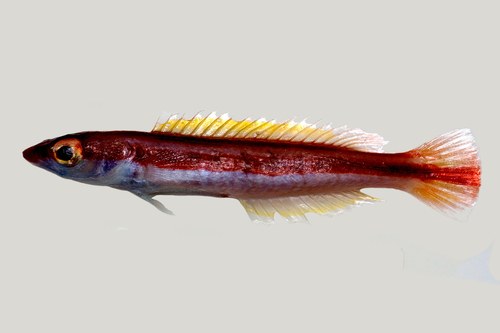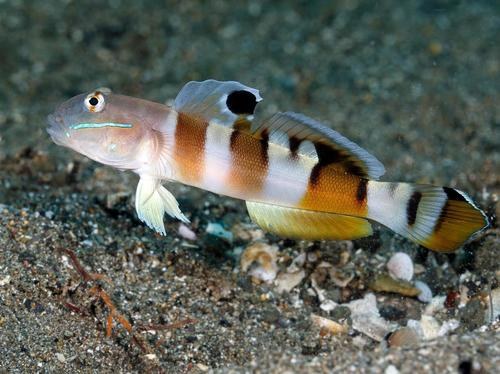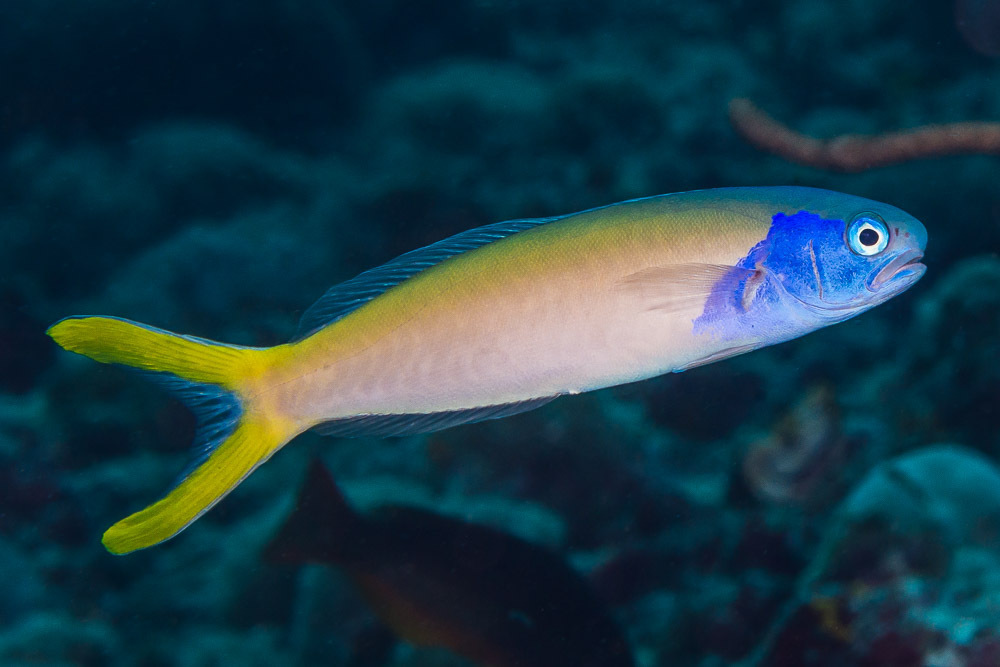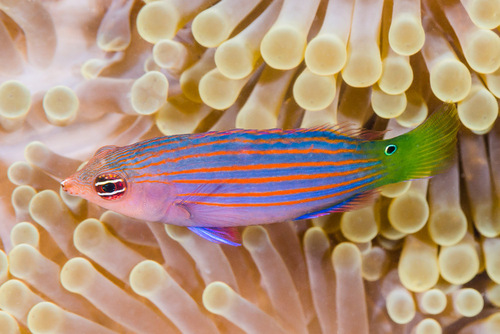
knobsnout parrotfish
scarus ovifrons
In Stock
Common stock
Wild Caught
Moderate care
With Caution
SKU: ML-MF-0430
The knobsnout parrotfish is renowned for its vibrant colors and unique snout shape.
Pricing for Verified Importers
Log in to see wholesale prices and order.
Export Size
up to 50.0 cm
Origin
Indo-Pacific
Temperature
24.0–28.0°C
Min. Tank Size
400 L
Salinity
30.000–35.000 ppt
pH
8.10–8.40
Diet
herbivore
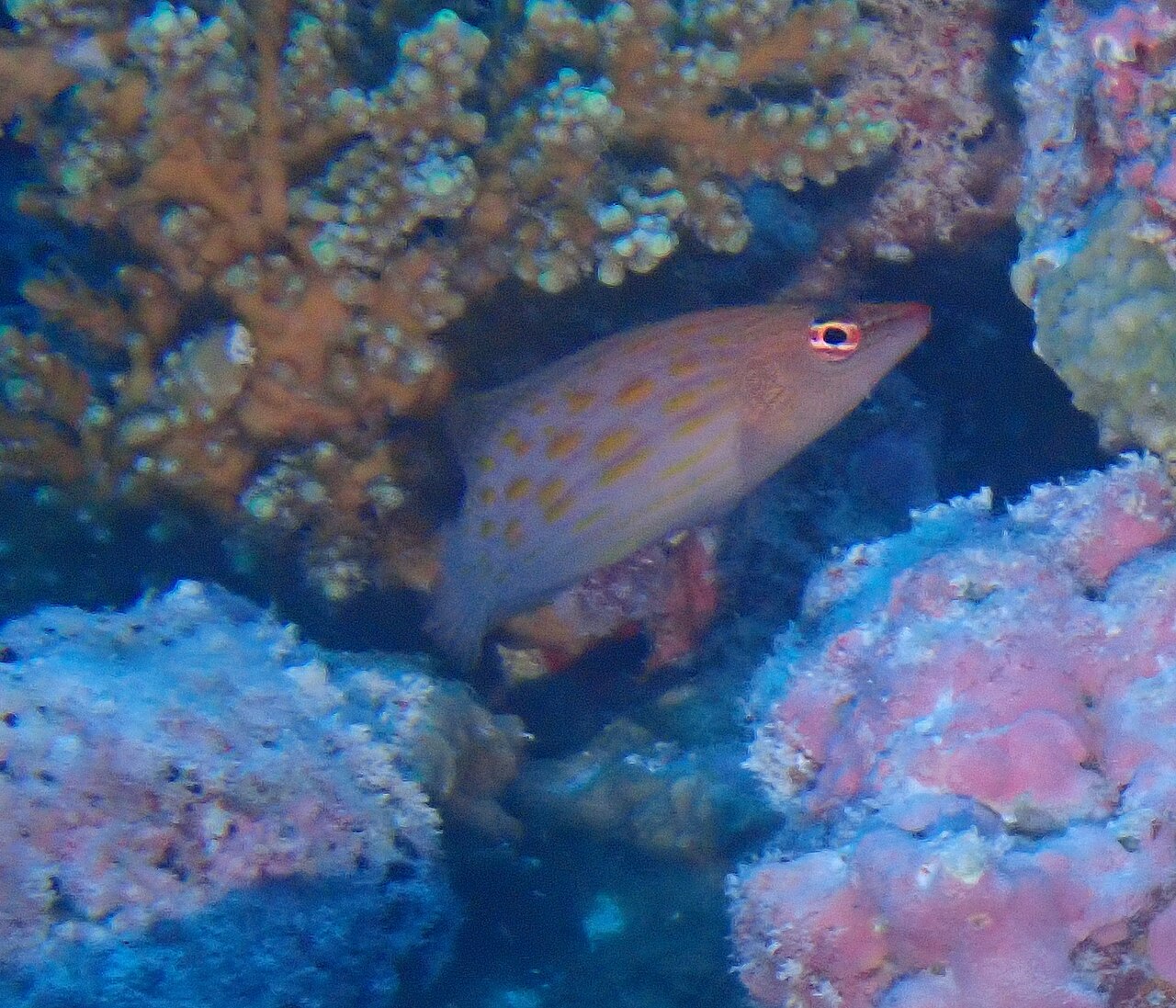
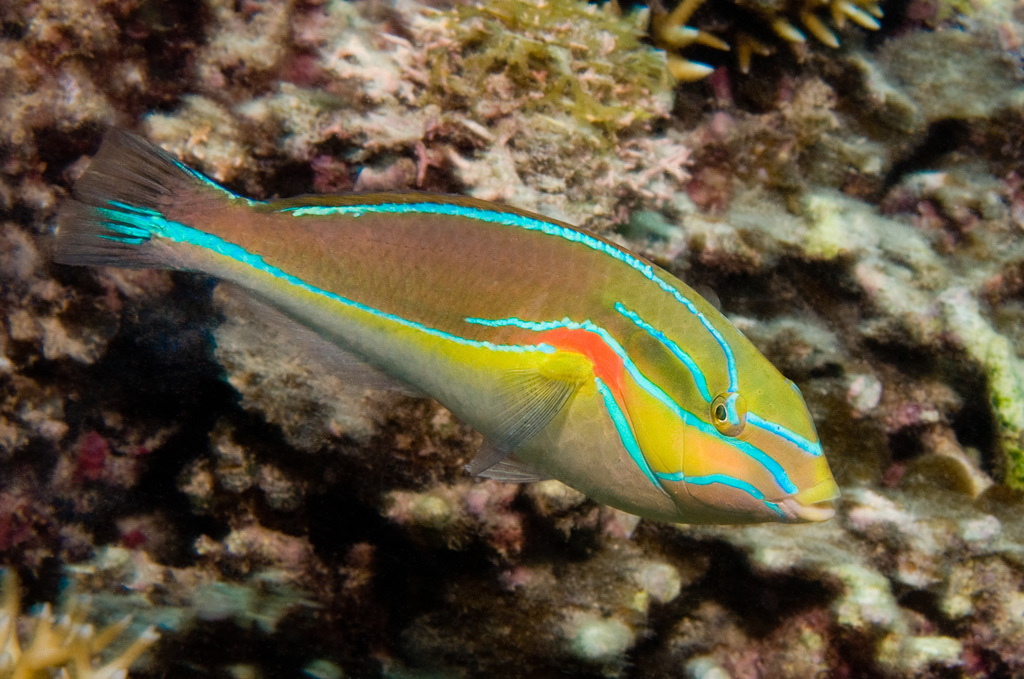
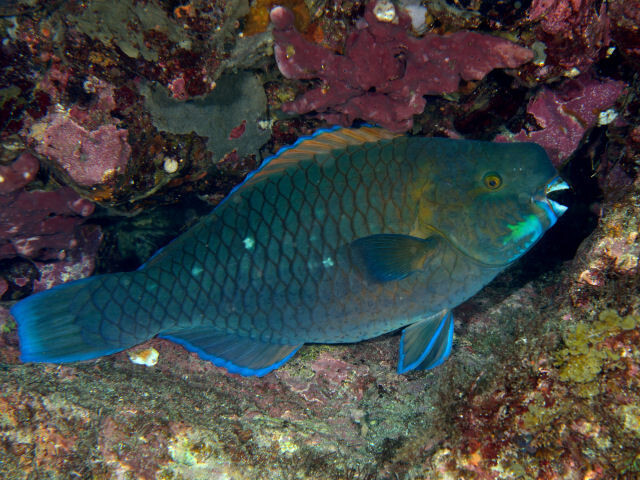
The knobsnout parrotfish (Scarus ovifrons) is a striking marine fish found predominantly in the coral reefs of the Indo-Pacific region. Its most distinctive feature is the prominent, knob-like structure on its snout, which aids in grazing on algae and coral. This adaptation not only enhances its feeding efficiency but also contributes to its unique profile, making it a favorite among aquarium enthusiasts. Their vivid coloration ranges from bright greens to blues, often with hints of yellow, making them a visually captivating addition to any marine aquarium.
In terms of behavior, the knobsnout parrotfish is generally a social species, often seen in small groups or pairs. They exhibit a diurnal lifestyle, actively foraging during the day and retreating to sheltered areas at night. Their feeding habits involve scraping algae off rocks and coral surfaces, which plays a crucial role in maintaining the health of coral reefs by preventing algal overgrowth. This ecological role highlights their importance in reef ecosystems, which can be an attractive selling point for retailers to emphasize.
Habitat-wise, these fish prefer shallow waters, typically found at depths of 1 to 30 meters, where they can access ample coral and rocky structures. They thrive in warm, clear waters with abundant sunlight, which supports the growth of algae they depend on. With a maximum size of around 50 cm, they require ample swimming space and hiding spots within their environment to thrive properly.
The knobsnout parrotfish is not only a beautiful specimen but also plays a vital role in its ecosystem, making its conservation essential. Importers should be mindful of sustainable collection practices to ensure the longevity of this species in the wild, reinforcing the responsibility of the trade to support healthy populations.
In terms of behavior, the knobsnout parrotfish is generally a social species, often seen in small groups or pairs. They exhibit a diurnal lifestyle, actively foraging during the day and retreating to sheltered areas at night. Their feeding habits involve scraping algae off rocks and coral surfaces, which plays a crucial role in maintaining the health of coral reefs by preventing algal overgrowth. This ecological role highlights their importance in reef ecosystems, which can be an attractive selling point for retailers to emphasize.
Habitat-wise, these fish prefer shallow waters, typically found at depths of 1 to 30 meters, where they can access ample coral and rocky structures. They thrive in warm, clear waters with abundant sunlight, which supports the growth of algae they depend on. With a maximum size of around 50 cm, they require ample swimming space and hiding spots within their environment to thrive properly.
The knobsnout parrotfish is not only a beautiful specimen but also plays a vital role in its ecosystem, making its conservation essential. Importers should be mindful of sustainable collection practices to ensure the longevity of this species in the wild, reinforcing the responsibility of the trade to support healthy populations.
For successful care of the knobsnout parrotfish, it is essential to maintain specific water parameters. The ideal temperature range is between 24°C to 28°C, with a salinity of 30 to 35 ppt. Keeping the pH level between 8.1 and 8.4 will ensure a stable environment for this species. A minimum tank size of 400 liters is recommended to provide adequate swimming space and territory.
Diet-wise, the knobsnout parrotfish is primarily herbivorous, requiring a diet rich in algae and plant matter. High-quality marine algae, spirulina flakes, and herbivore pellets can be supplemented to ensure they receive balanced nutrition. It's important to monitor their feeding habits and adjust their diet accordingly to avoid any health issues.
Compatibility with other species is generally good, but care should be taken to avoid housing them with overly aggressive fish, as their social nature makes them vulnerable. Acclimation should be gradual; it's advisable to use the drip acclimation method to minimize stress during transport.
Quarantine is highly recommended for new arrivals to prevent the introduction of diseases into established systems. A quarantine period of at least two weeks will allow for observation and treatment if necessary before introducing them to the main tank.
Diet-wise, the knobsnout parrotfish is primarily herbivorous, requiring a diet rich in algae and plant matter. High-quality marine algae, spirulina flakes, and herbivore pellets can be supplemented to ensure they receive balanced nutrition. It's important to monitor their feeding habits and adjust their diet accordingly to avoid any health issues.
Compatibility with other species is generally good, but care should be taken to avoid housing them with overly aggressive fish, as their social nature makes them vulnerable. Acclimation should be gradual; it's advisable to use the drip acclimation method to minimize stress during transport.
Quarantine is highly recommended for new arrivals to prevent the introduction of diseases into established systems. A quarantine period of at least two weeks will allow for observation and treatment if necessary before introducing them to the main tank.
The knobsnout parrotfish is suitable for shipping but requires careful handling to minimize stress. Packing density should be low to allow ample space for movement. Maintaining water temperature between 24°C to 28°C during transport is critical to ensure their health. As a CITES-listed species, compliance with international regulations regarding their export is essential to promote sustainable trade practices.
Species Parameters
Max Adult Size
50.0 cm
Origin
Indo-Pacific
Diet
herbivore
Temp Min
24.0 °C
Temp Max
28.0 °C
Salinity Min
30.000
Salinity Max
35.000
pH Min
8.10
pH Max
8.40
Min Tank
400 L