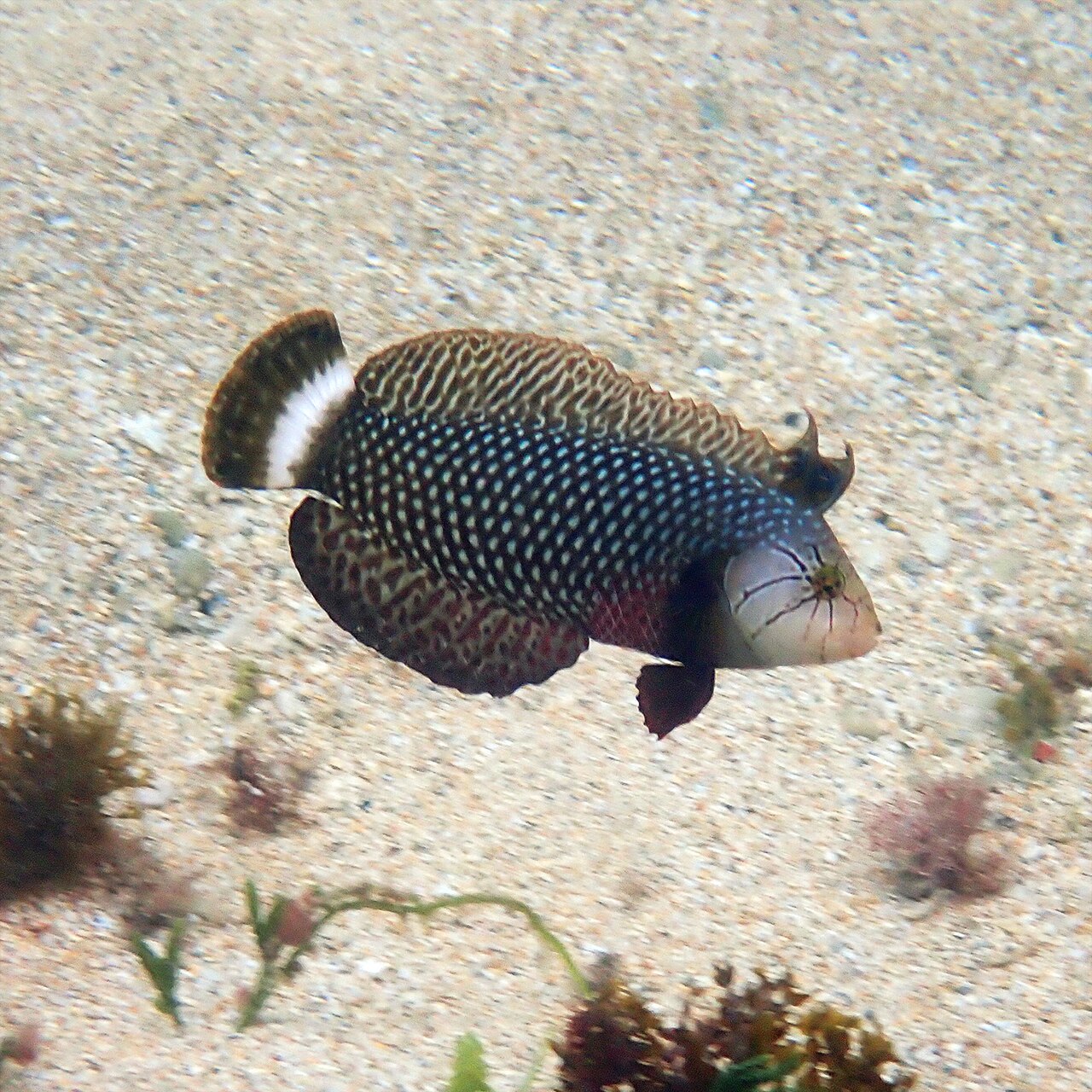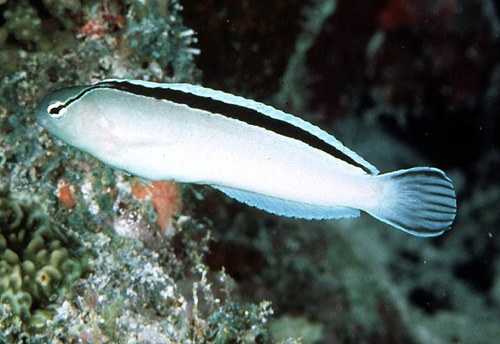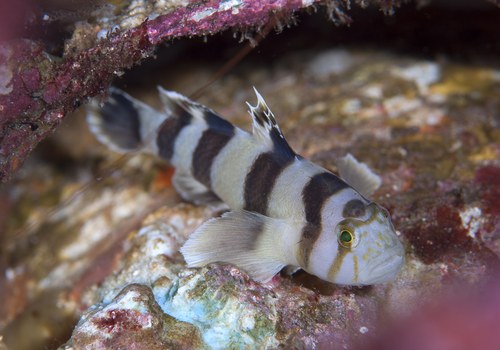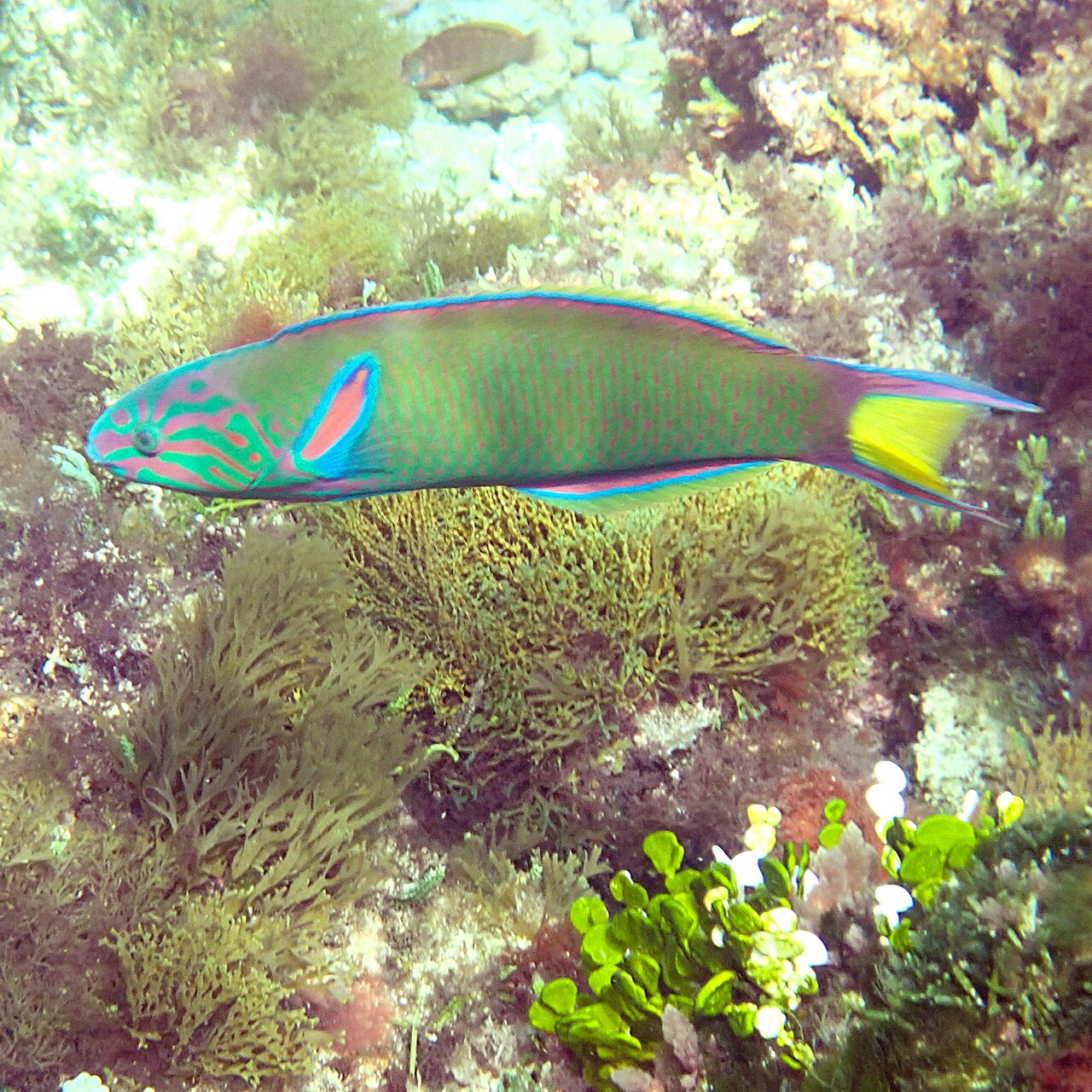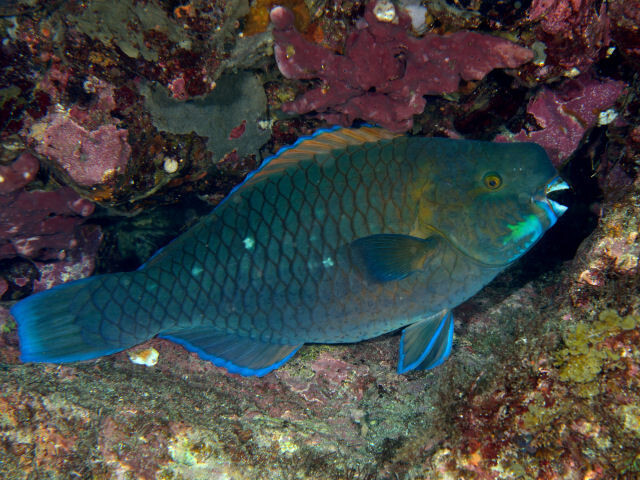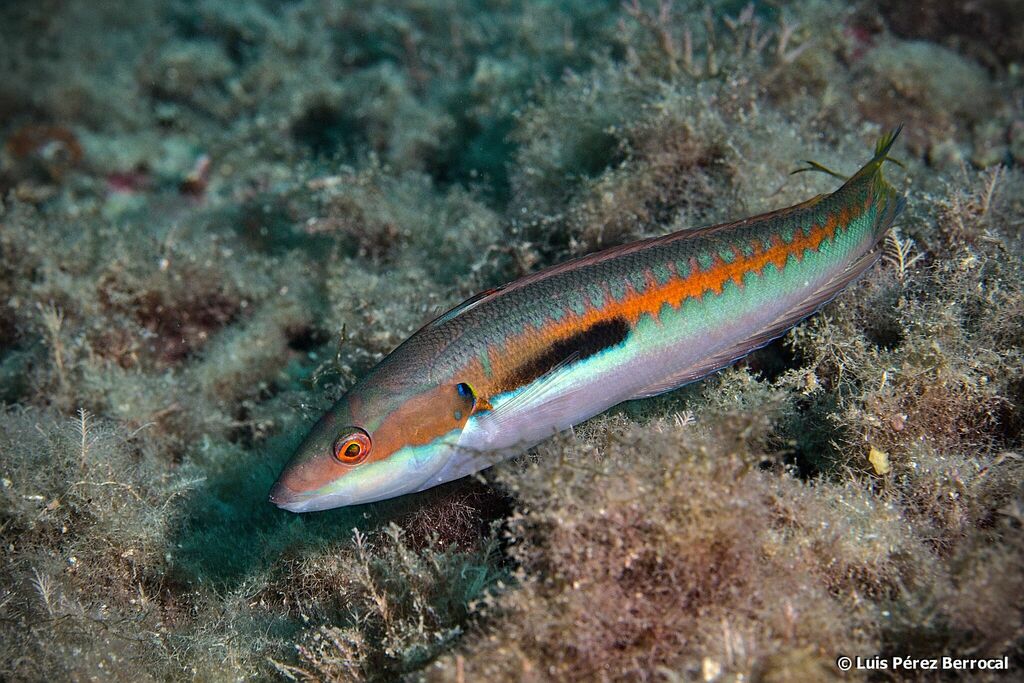
Mediterranean rainbow wrasse
coris julis
In Stock
Common stock
Wild Caught
Moderate care
With Caution
SKU: ML-MF-0417
The Mediterranean rainbow wrasse (coris julis) is a vibrant marine fish known for its striking colors and active behavior.
Pricing for Verified Importers
Log in to see wholesale prices and order.
Export Size
up to 20.0 cm
Origin
Mediterranean Sea
Temperature
24.0–28.0°C
Min. Tank Size
150 L
Salinity
34.000–36.000 ppt
pH
8.10–8.40
Diet
carnivore
Coris julis, commonly known as the Mediterranean rainbow wrasse, is a captivating species found in the warm waters of the Mediterranean Sea. These fish are characterized by their elongated bodies, vibrant colors, and distinctive patterns that can vary with age and sex. Adult males typically display a mix of bright green, blue, and yellow hues, while females are generally more subdued with shades of brown and orange. Their dynamic coloration not only serves as a form of communication but also provides camouflage among the reef structures they inhabit.
In their natural habitat, Mediterranean rainbow wrasses are often found in rocky substrates, seagrass beds, and coral reefs, where they play a crucial role in the ecosystem by feeding on small invertebrates and algae. They are known for their inquisitive nature and can often be seen foraging among the crevices and rocks. As diurnal creatures, they are most active during the day, showcasing their vibrant colors as they navigate through their environment.
Behaviorally, these wrasses are relatively social fish, often seen in small groups or pairs. They exhibit interesting mating behaviors, where males will display their colors to attract females. This species is also known for its ability to change sex, a fascinating trait that allows them to adapt to the dynamics of their environment and maintain population stability.
The Mediterranean rainbow wrasse thrives in warm waters, typically between 18°C to 28°C, making them well-suited for tropical aquariums. Their preference for structured habitats like reefs makes them a key species in maintaining the health of these ecosystems, as they help control algal growth and provide balance within the marine environment.
In their natural habitat, Mediterranean rainbow wrasses are often found in rocky substrates, seagrass beds, and coral reefs, where they play a crucial role in the ecosystem by feeding on small invertebrates and algae. They are known for their inquisitive nature and can often be seen foraging among the crevices and rocks. As diurnal creatures, they are most active during the day, showcasing their vibrant colors as they navigate through their environment.
Behaviorally, these wrasses are relatively social fish, often seen in small groups or pairs. They exhibit interesting mating behaviors, where males will display their colors to attract females. This species is also known for its ability to change sex, a fascinating trait that allows them to adapt to the dynamics of their environment and maintain population stability.
The Mediterranean rainbow wrasse thrives in warm waters, typically between 18°C to 28°C, making them well-suited for tropical aquariums. Their preference for structured habitats like reefs makes them a key species in maintaining the health of these ecosystems, as they help control algal growth and provide balance within the marine environment.
When caring for the Mediterranean rainbow wrasse, it is essential to maintain optimal water conditions. Ideal water parameters include a temperature range of 24°C to 28°C, a salinity level of 34-36 ppt, and a pH between 8.1 and 8.4. Providing a well-structured tank with plenty of hiding spots and open swimming areas mimics their natural habitat and reduces stress.
In terms of diet, these wrasses are primarily carnivorous and thrive on a diet of high-quality marine flakes, pellets, and frozen foods such as mysis shrimp and brine shrimp. It is crucial to feed them a varied diet to ensure they receive all necessary nutrients. Compatibility is generally good with other reef-safe species, but they may show territorial behavior towards their own kind or similar-looking species.
Acclimation should be conducted slowly to minimize stress. It's advisable to use the drip acclimation method over several hours. Quarantine is recommended for all new arrivals to prevent the introduction of diseases. A minimum tank size of 150 liters is recommended for these active fish to provide ample swimming space.
In terms of diet, these wrasses are primarily carnivorous and thrive on a diet of high-quality marine flakes, pellets, and frozen foods such as mysis shrimp and brine shrimp. It is crucial to feed them a varied diet to ensure they receive all necessary nutrients. Compatibility is generally good with other reef-safe species, but they may show territorial behavior towards their own kind or similar-looking species.
Acclimation should be conducted slowly to minimize stress. It's advisable to use the drip acclimation method over several hours. Quarantine is recommended for all new arrivals to prevent the introduction of diseases. A minimum tank size of 150 liters is recommended for these active fish to provide ample swimming space.
The Mediterranean rainbow wrasse is suitable for shipping due to its hardiness. When packing for export, a density of 1 fish per 5 liters is recommended to ensure adequate space. Temperature should be maintained between 20°C and 24°C during transit to avoid stress. This species is not listed under CITES, making it easier for export.
Species Parameters
Max Adult Size
20.0 cm
Origin
Mediterranean Sea
Diet
carnivore
Temp Min
24.0 °C
Temp Max
28.0 °C
Salinity Min
34.000
Salinity Max
36.000
pH Min
8.10
pH Max
8.40
Min Tank
150 L