Moon Wrasse
thalassoma lunare
In Stock
Common stock
Wild Caught
Moderate care
With Caution
SKU: ML-MF-0427
The Moon Wrasse is a vibrant and dynamic marine fish, perfect for lively reef tanks.
Pricing for Verified Importers
Log in to see wholesale prices and order.
Export Size
up to 30.0 cm
Origin
Indo-Pacific
Temperature
24.0–28.0°C
Min. Tank Size
200 L
Salinity
1.020–1.025 ppt
pH
8.10–8.40
Diet
carnivore
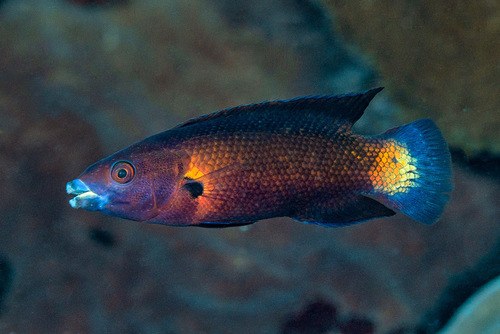
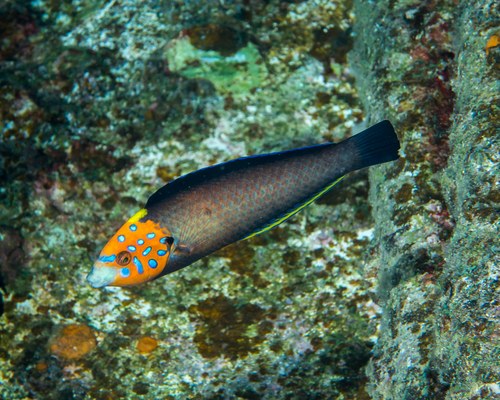
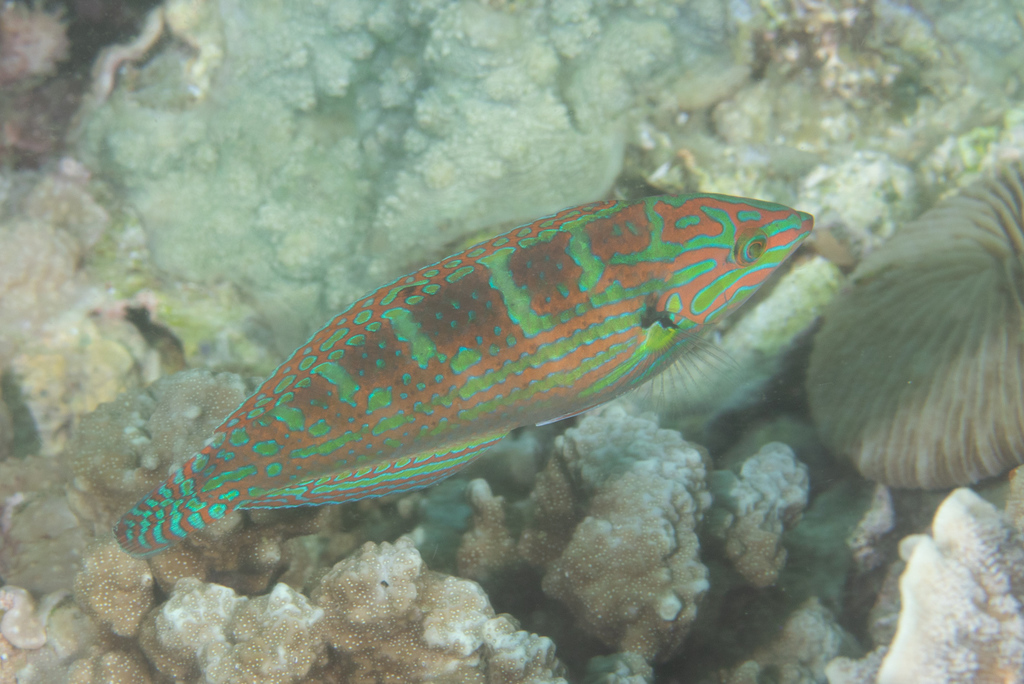
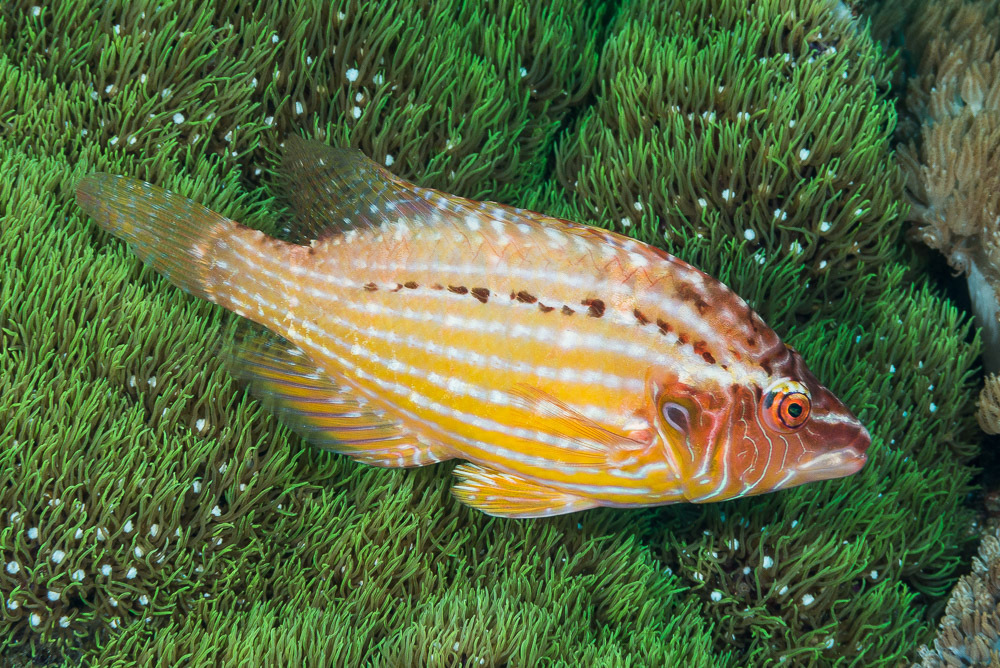
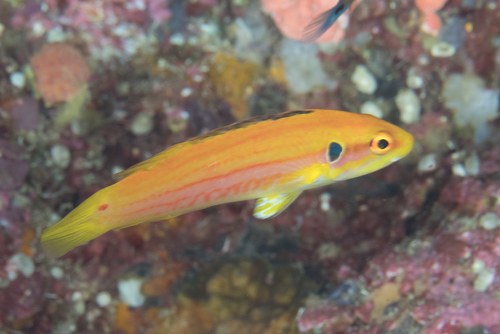
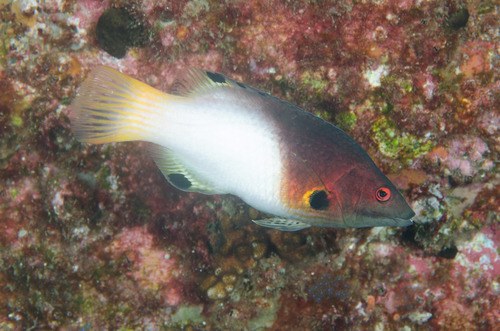
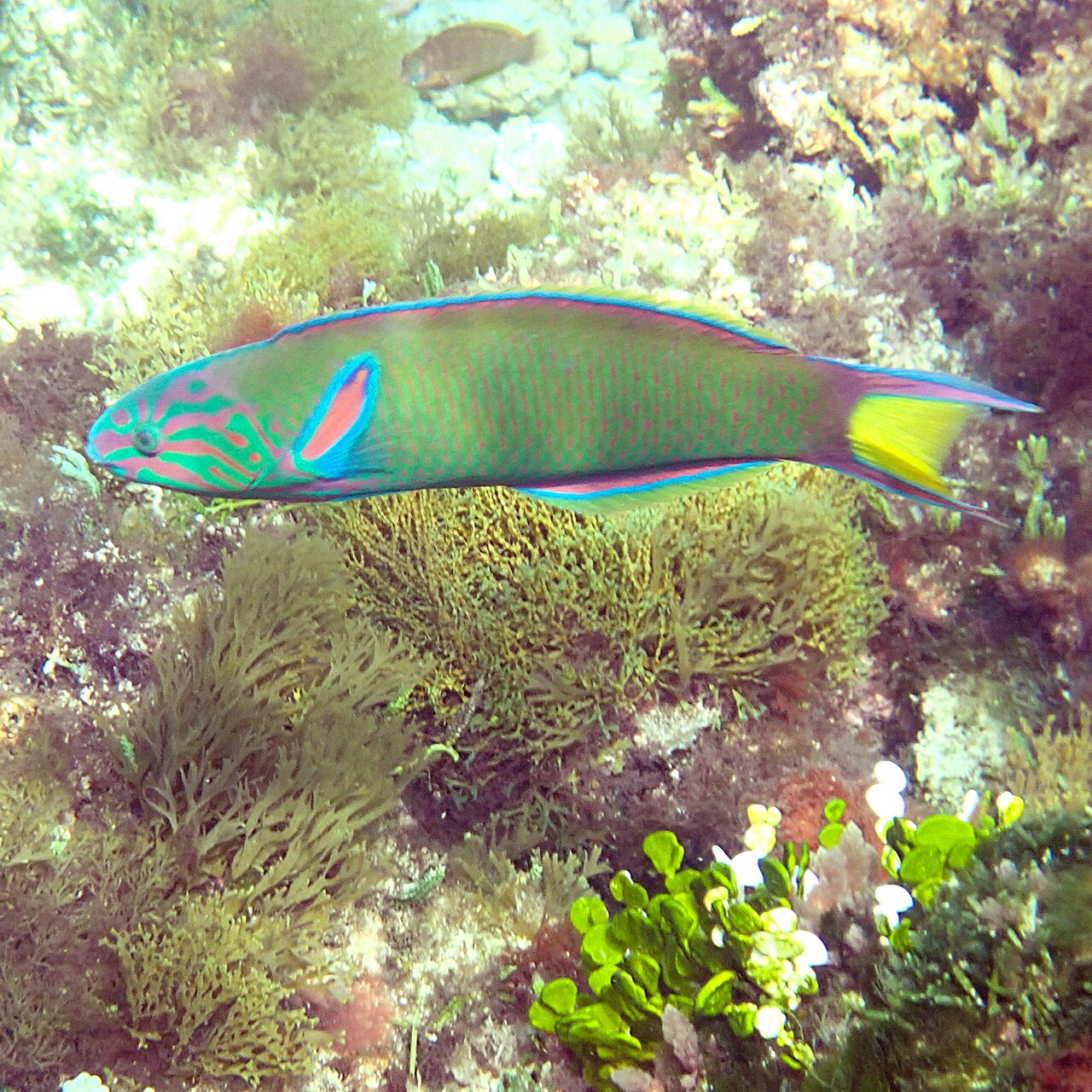
The Moon Wrasse (Thalassoma lunare) is a striking marine species known for its vibrant coloration and dynamic behavior. This fish showcases a beautiful array of colors, with adults displaying a mix of blue, green, and yellow hues that shimmer under aquarium lighting. Juveniles are more subdued, featuring a brownish body with bright blue spots, providing a stunning contrast as they mature. The Moon Wrasse can grow to a maximum size of about 30 cm, making it a prominent addition to any marine aquarium.
In terms of natural history, the Moon Wrasse is predominantly found in the coral reefs of the Indo-Pacific region, including areas around Bali, where it thrives in shallow waters. This species is known for its excellent swimming abilities and often exhibits acrobatic behavior, darting between coral structures. They are diurnal, spending their days foraging for food and interacting with other reef inhabitants, which adds to their charm and makes them a favorite among aquarists.
Behaviorally, Moon Wrasses are relatively territorial and may exhibit aggressive tendencies, especially towards their own species. However, they can coexist with a variety of other marine fish if given ample space and hiding spots. They are often seen sifting through the substrate for small invertebrates and are known to be curious, making them enjoyable to observe in a well-established aquarium environment.
Their preferred habitat includes coral-rich areas where they can find shelter and abundant food sources. This species plays a vital role in the ecosystem by helping to control populations of small invertebrates, contributing to the overall health of the reef system.
In terms of natural history, the Moon Wrasse is predominantly found in the coral reefs of the Indo-Pacific region, including areas around Bali, where it thrives in shallow waters. This species is known for its excellent swimming abilities and often exhibits acrobatic behavior, darting between coral structures. They are diurnal, spending their days foraging for food and interacting with other reef inhabitants, which adds to their charm and makes them a favorite among aquarists.
Behaviorally, Moon Wrasses are relatively territorial and may exhibit aggressive tendencies, especially towards their own species. However, they can coexist with a variety of other marine fish if given ample space and hiding spots. They are often seen sifting through the substrate for small invertebrates and are known to be curious, making them enjoyable to observe in a well-established aquarium environment.
Their preferred habitat includes coral-rich areas where they can find shelter and abundant food sources. This species plays a vital role in the ecosystem by helping to control populations of small invertebrates, contributing to the overall health of the reef system.
To successfully care for the Moon Wrasse, it is essential to maintain stable water parameters. The ideal temperature range is between 24°C to 28°C, with a salinity of 1.020 to 1.025 ppt and a pH level between 8.1 and 8.4. A minimum tank size of 200 liters is recommended to provide adequate swimming space and territories. The diet of the Moon Wrasse should consist of high-quality marine flakes, pellets, and frozen foods such as brine shrimp and mysis, ensuring they receive a balanced nutrition.
Compatibility is key, as Moon Wrasses can be aggressive towards their own kind and other similar-looking species. It is advisable to introduce them into a community tank with larger, more docile fish that can withstand their territorial displays. During acclimation, a slow drip method is recommended to minimize stress, and they should be monitored closely for any signs of aggression once introduced to the main tank.
Quarantine is crucial for newly imported specimens to prevent the spread of diseases. A separate tank with adequate filtration and heating should be set up to observe the fish for at least two weeks before adding them to the main display. Regular water changes and monitoring of water quality will help maintain a healthy environment for the Moon Wrasse.
Compatibility is key, as Moon Wrasses can be aggressive towards their own kind and other similar-looking species. It is advisable to introduce them into a community tank with larger, more docile fish that can withstand their territorial displays. During acclimation, a slow drip method is recommended to minimize stress, and they should be monitored closely for any signs of aggression once introduced to the main tank.
Quarantine is crucial for newly imported specimens to prevent the spread of diseases. A separate tank with adequate filtration and heating should be set up to observe the fish for at least two weeks before adding them to the main display. Regular water changes and monitoring of water quality will help maintain a healthy environment for the Moon Wrasse.
The Moon Wrasse is suitable for shipping but requires careful handling due to its sensitivity to temperature fluctuations. Packing should ensure minimal stress and sufficient oxygen. A packing density of 1 fish per 5 liters is recommended to avoid overcrowding. The ideal shipping temperature should be maintained between 24°C to 26°C. As a non-CITES species, the Moon Wrasse does not require special permits for export.
Species Parameters
Max Adult Size
30.0 cm
Origin
Indo-Pacific
Diet
carnivore
Temp Min
24.0 °C
Temp Max
28.0 °C
Salinity Min
1.020
Salinity Max
1.025
pH Min
8.10
pH Max
8.40
Min Tank
200 L