Redspot wrasse
pseudocoris yamashiroi
In Stock
Common stock
Wild Caught
Moderate care
With Caution
SKU: ML-MF-0436
Discover the vibrant beauty of the Redspot wrasse, a true gem of the marine world.
Pricing for Verified Importers
Log in to see wholesale prices and order.
Export Size
up to 15.0 cm
Origin
Indo-Pacific
Temperature
24.0–28.0°C
Min. Tank Size
150 L
Salinity
1.020–1.025 ppt
pH
8.10–8.40
Diet
carnivore
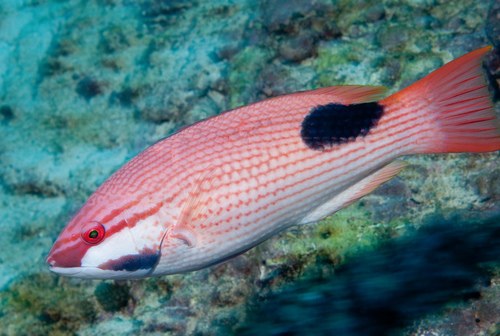
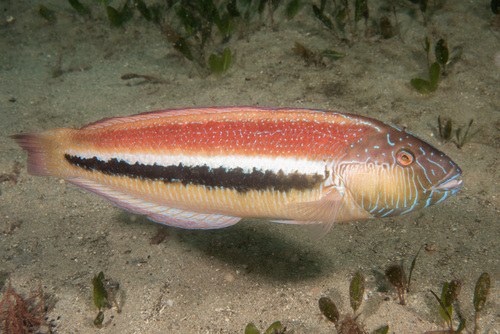
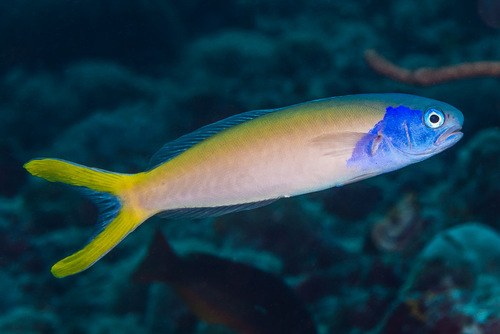
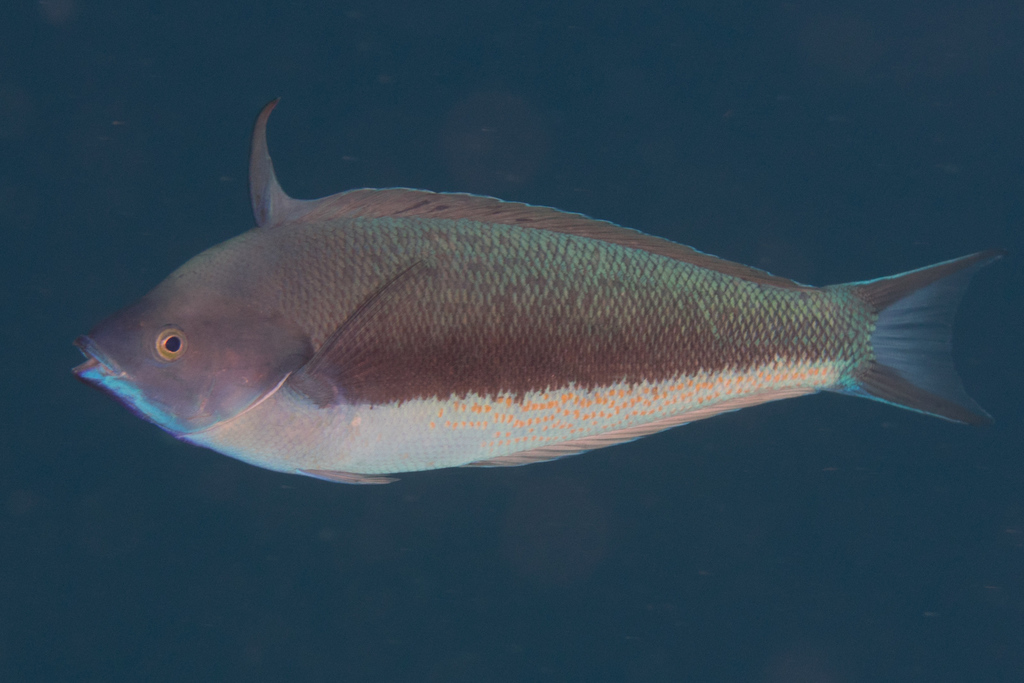
The Redspot wrasse (Pseudocoris yamashiroi) is a captivating marine fish native to the coral reefs of the Indo-Pacific region. This species is renowned for its striking coloration, featuring a brilliant blend of deep blues and vibrant oranges, with distinctive red spots that create a stunning visual appeal. The Redspot wrasse can often be observed darting in and out of coral crevices, showcasing its agile nature and vibrant hues that make it a favorite among aquarists.
Natural history reveals that the Redspot wrasse plays a crucial role in its ecosystem, primarily as a predator of small invertebrates. It thrives in diverse reef habitats, often found at depths ranging from 5 to 30 meters. The species exhibits a complex social structure and can be territorial, especially during breeding seasons. Their behavior is characterized by a curious and active demeanor, making them a dynamic addition to any aquarium environment.
In terms of appearance, adult Redspot wrasses can reach lengths of up to 15 cm. Juveniles display a more subdued coloration, gradually developing their vibrant adult colors as they mature. This transformation is not only visually appealing but also highlights their adaptability to various reef environments. Their elongated bodies and strong fins allow for swift movement, enabling them to evade predators and explore their surroundings effectively.
The Redspot wrasse prefers habitats rich in coral and rocky structures, providing ample hiding places and feeding opportunities. These conditions are essential for their survival and overall health, further emphasizing the need for careful habitat replication in aquarium settings.
Natural history reveals that the Redspot wrasse plays a crucial role in its ecosystem, primarily as a predator of small invertebrates. It thrives in diverse reef habitats, often found at depths ranging from 5 to 30 meters. The species exhibits a complex social structure and can be territorial, especially during breeding seasons. Their behavior is characterized by a curious and active demeanor, making them a dynamic addition to any aquarium environment.
In terms of appearance, adult Redspot wrasses can reach lengths of up to 15 cm. Juveniles display a more subdued coloration, gradually developing their vibrant adult colors as they mature. This transformation is not only visually appealing but also highlights their adaptability to various reef environments. Their elongated bodies and strong fins allow for swift movement, enabling them to evade predators and explore their surroundings effectively.
The Redspot wrasse prefers habitats rich in coral and rocky structures, providing ample hiding places and feeding opportunities. These conditions are essential for their survival and overall health, further emphasizing the need for careful habitat replication in aquarium settings.
For successful care of the Redspot wrasse, maintaining optimal water parameters is crucial. The recommended temperature range is between 24°C and 28°C, with a salinity level of 1.020 to 1.025 ppt. A pH range of 8.1 to 8.4 is ideal to mimic their natural reef environment. Importers and retailers should ensure that these specifications are met to promote the health and well-being of the fish.
Feeding the Redspot wrasse requires a varied diet, as they are predominantly carnivorous. High-quality frozen or live foods such as brine shrimp, mysis shrimp, and finely chopped seafood will help maintain their vibrant colors and energy levels. It's advisable to provide multiple small feedings throughout the day to mimic their natural foraging behavior.
Compatibility is another essential factor; the Redspot wrasse generally thrives in community tanks but can be territorial towards similar species. Acclimation should be performed gradually, using drip acclimation techniques to minimize stress. A quarantine period of at least two weeks is recommended before introducing them to a display tank to prevent the spread of diseases.
By ensuring proper care and attention to these guidelines, retailers can enhance the health and vibrancy of the Redspot wrasse, ultimately providing a stunning addition to any marine aquarium.
Feeding the Redspot wrasse requires a varied diet, as they are predominantly carnivorous. High-quality frozen or live foods such as brine shrimp, mysis shrimp, and finely chopped seafood will help maintain their vibrant colors and energy levels. It's advisable to provide multiple small feedings throughout the day to mimic their natural foraging behavior.
Compatibility is another essential factor; the Redspot wrasse generally thrives in community tanks but can be territorial towards similar species. Acclimation should be performed gradually, using drip acclimation techniques to minimize stress. A quarantine period of at least two weeks is recommended before introducing them to a display tank to prevent the spread of diseases.
By ensuring proper care and attention to these guidelines, retailers can enhance the health and vibrancy of the Redspot wrasse, ultimately providing a stunning addition to any marine aquarium.
The Redspot wrasse is suitable for shipping due to its hardiness, but care must be taken to maintain stable temperatures between 24°C and 28°C during transit. Packing density should be moderate to allow for movement without overcrowding. Ensure adequate oxygenation in the shipping bags. This species is not listed under CITES, simplifying export regulations.
Species Parameters
Max Adult Size
15.0 cm
Origin
Indo-Pacific
Diet
carnivore
Temp Min
24.0 °C
Temp Max
28.0 °C
Salinity Min
1.020
Salinity Max
1.025
pH Min
8.10
pH Max
8.40
Min Tank
150 L