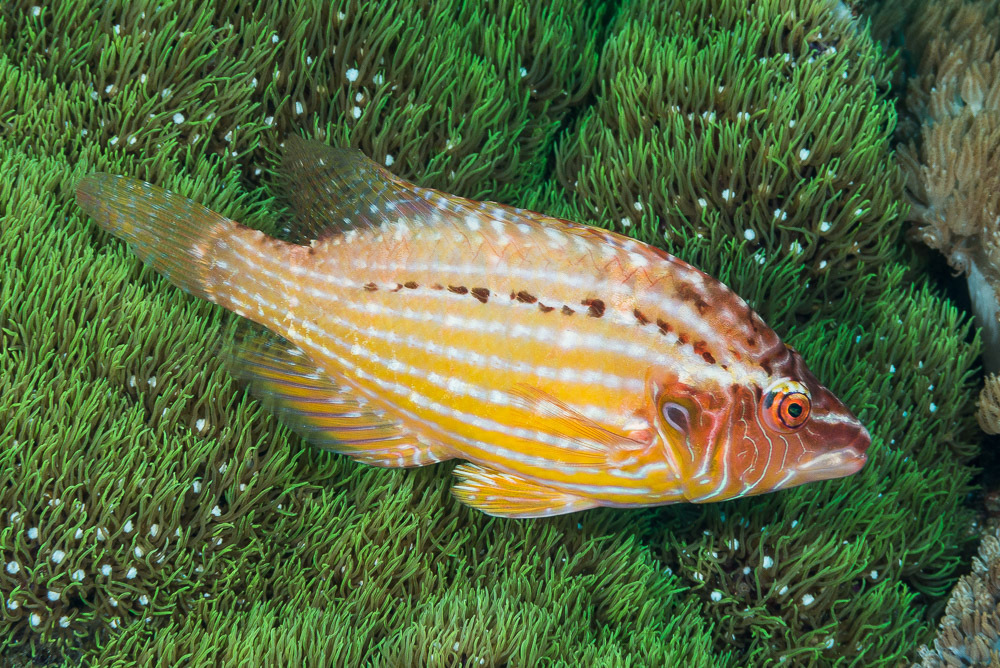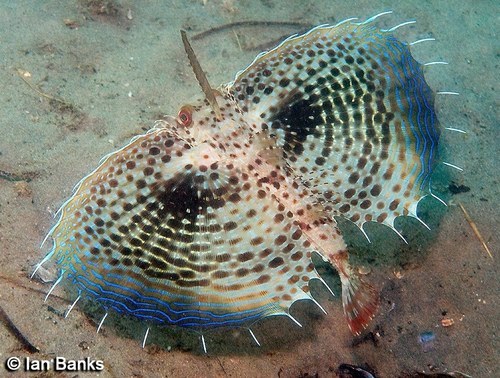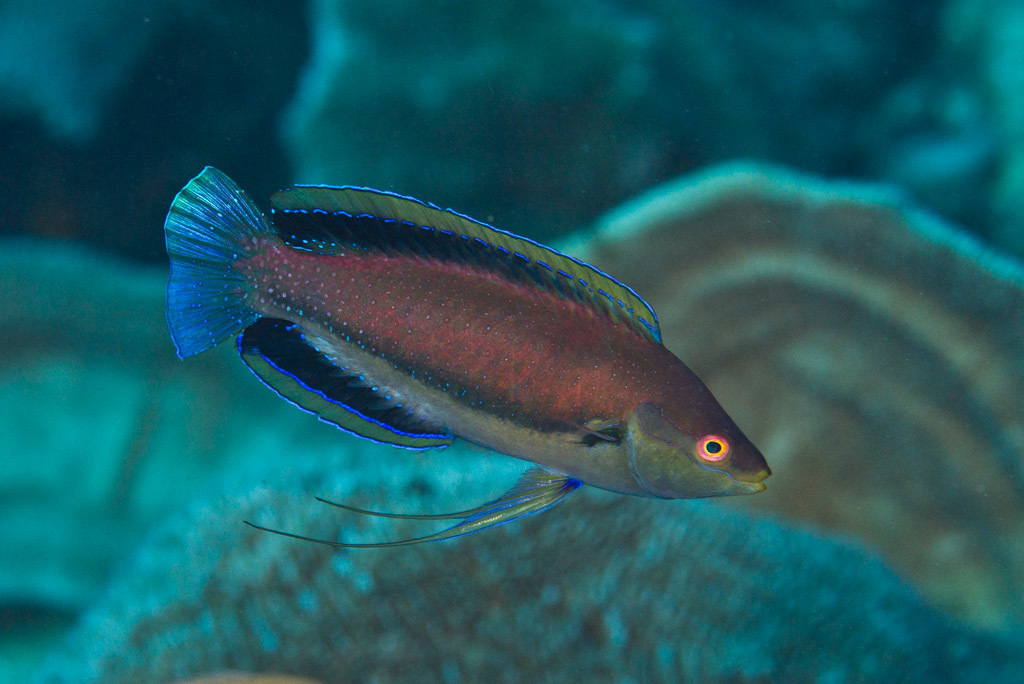
Sharp-nosed Weever
Parapercis hexophthalma
In Stock
Common stock
Wild Caught
Moderate care
With Caution
SKU: CB-MF-0163
The Sharp-nosed Weever is a uniquely adapted marine fish known for its distinctive shape and behavior.
Pricing for Verified Importers
Log in to see wholesale prices and order.
Export Size
up to 20.0 cm
Origin
Indo-Pacific
Temperature
24.0–28.0°C
Min. Tank Size
200 L
Salinity
30.000–35.000 ppt
pH
8.10–8.40
Diet
carnivore
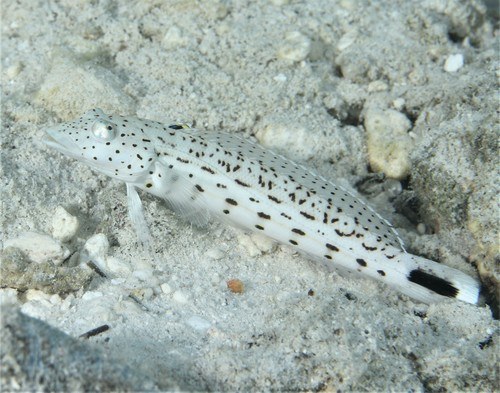
The Sharp-nosed Weever (Parapercis hexophthalma) is a fascinating marine fish native to the Indo-Pacific region, particularly abundant around coral reefs and sandy substrates. This species is easily recognized by its elongated body and pointed snout, which is adapted for burrowing into the sandy ocean floor. The coloration typically features a blend of browns and yellows, allowing it to blend seamlessly with its surroundings, providing both camouflage from predators and an effective hunting strategy for small invertebrates and crustaceans.
Behaviorally, the Sharp-nosed Weever is primarily a nocturnal predator, emerging at dusk to forage for food. During the day, it often buries itself in the sand, utilizing its specialized body shape to avoid detection. This species exhibits a range of social interactions, often found in small groups, and displays territorial behavior during breeding seasons. They are known to communicate through subtle body movements and changes in coloration, which can indicate stress or territorial disputes.
In its natural habitat, the Sharp-nosed Weever prefers shallow coastal waters, typically at depths of up to 50 meters. It is often associated with coral reefs, where it can find ample food and shelter. The presence of seagrass beds and rocky outcrops further enhances its living conditions, providing both food sources and protection from larger predatory fish. This adaptability to various environments makes the Sharp-nosed Weever a resilient species within its ecological niche.
As a marine fish, the Sharp-nosed Weever plays a vital role in the ecosystem, controlling invertebrate populations and serving as a food source for larger predatory fish. Its unique adaptations and behaviors make it an interesting species for aquarists looking to introduce a distinctive marine fish into their collections.
Behaviorally, the Sharp-nosed Weever is primarily a nocturnal predator, emerging at dusk to forage for food. During the day, it often buries itself in the sand, utilizing its specialized body shape to avoid detection. This species exhibits a range of social interactions, often found in small groups, and displays territorial behavior during breeding seasons. They are known to communicate through subtle body movements and changes in coloration, which can indicate stress or territorial disputes.
In its natural habitat, the Sharp-nosed Weever prefers shallow coastal waters, typically at depths of up to 50 meters. It is often associated with coral reefs, where it can find ample food and shelter. The presence of seagrass beds and rocky outcrops further enhances its living conditions, providing both food sources and protection from larger predatory fish. This adaptability to various environments makes the Sharp-nosed Weever a resilient species within its ecological niche.
As a marine fish, the Sharp-nosed Weever plays a vital role in the ecosystem, controlling invertebrate populations and serving as a food source for larger predatory fish. Its unique adaptations and behaviors make it an interesting species for aquarists looking to introduce a distinctive marine fish into their collections.
When caring for the Sharp-nosed Weever, it is essential to maintain stable water parameters to ensure the health and well-being of the fish. A temperature range of 24-28°C is optimal, with a salinity level between 30-35 ppt. The pH should be maintained between 8.1 and 8.4. It is recommended to provide a minimum tank size of 200 liters to allow for adequate swimming space and territory establishment.
Feeding the Sharp-nosed Weever requires a varied diet, as it is primarily a carnivore. High-quality pellets, frozen or live foods such as shrimp, and small fish are ideal. Regular feeding should occur once or twice a day, ensuring the fish receives a balanced diet to promote growth and health. Compatibility with other species should be considered, as Sharp-nosed Weever can be territorial, especially during breeding. They are best kept with similar-sized fish that are not overly aggressive.
Acclimating the Sharp-nosed Weever to a new environment should be done gradually to minimize stress. A slow drip acclimation method is recommended, taking several hours to allow the fish to adjust to changes in water chemistry. Quarantine is also advised for new arrivals to prevent the spread of disease, particularly if they are being introduced into an established tank.
Feeding the Sharp-nosed Weever requires a varied diet, as it is primarily a carnivore. High-quality pellets, frozen or live foods such as shrimp, and small fish are ideal. Regular feeding should occur once or twice a day, ensuring the fish receives a balanced diet to promote growth and health. Compatibility with other species should be considered, as Sharp-nosed Weever can be territorial, especially during breeding. They are best kept with similar-sized fish that are not overly aggressive.
Acclimating the Sharp-nosed Weever to a new environment should be done gradually to minimize stress. A slow drip acclimation method is recommended, taking several hours to allow the fish to adjust to changes in water chemistry. Quarantine is also advised for new arrivals to prevent the spread of disease, particularly if they are being introduced into an established tank.
The Sharp-nosed Weever is suitable for shipping, provided that proper care is taken during the process. Packing density should allow for adequate oxygen exchange, with 1-2 fish per liter being ideal. Temperature sensitivity requires that the fish be shipped in insulated containers with heat packs if necessary, ensuring that water temperatures remain stable during transit. Currently, there are no CITES restrictions on this species, facilitating easier export processes.
Species Parameters
Max Adult Size
20.0 cm
Origin
Indo-Pacific
Diet
carnivore
Temp Min
24.0 °C
Temp Max
28.0 °C
Salinity Min
30.000
Salinity Max
35.000
pH Min
8.10
pH Max
8.40
Min Tank
200 L