Striped Pigfish
bodianus izuensis
In Stock
Common stock
Wild Caught
Moderate care
With Caution
SKU: ML-MF-0401
The Striped Pigfish is a vibrant addition to marine aquariums, known for its striking coloration and unique behavior.
Pricing for Verified Importers
Log in to see wholesale prices and order.
Export Size
up to 20.0 cm
Origin
Indo-Pacific
Temperature
24.0–28.0°C
Min. Tank Size
150 L
Salinity
1.020–1.025 ppt
pH
8.10–8.40
Diet
omnivore
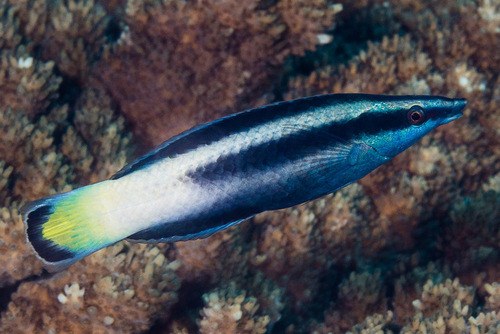
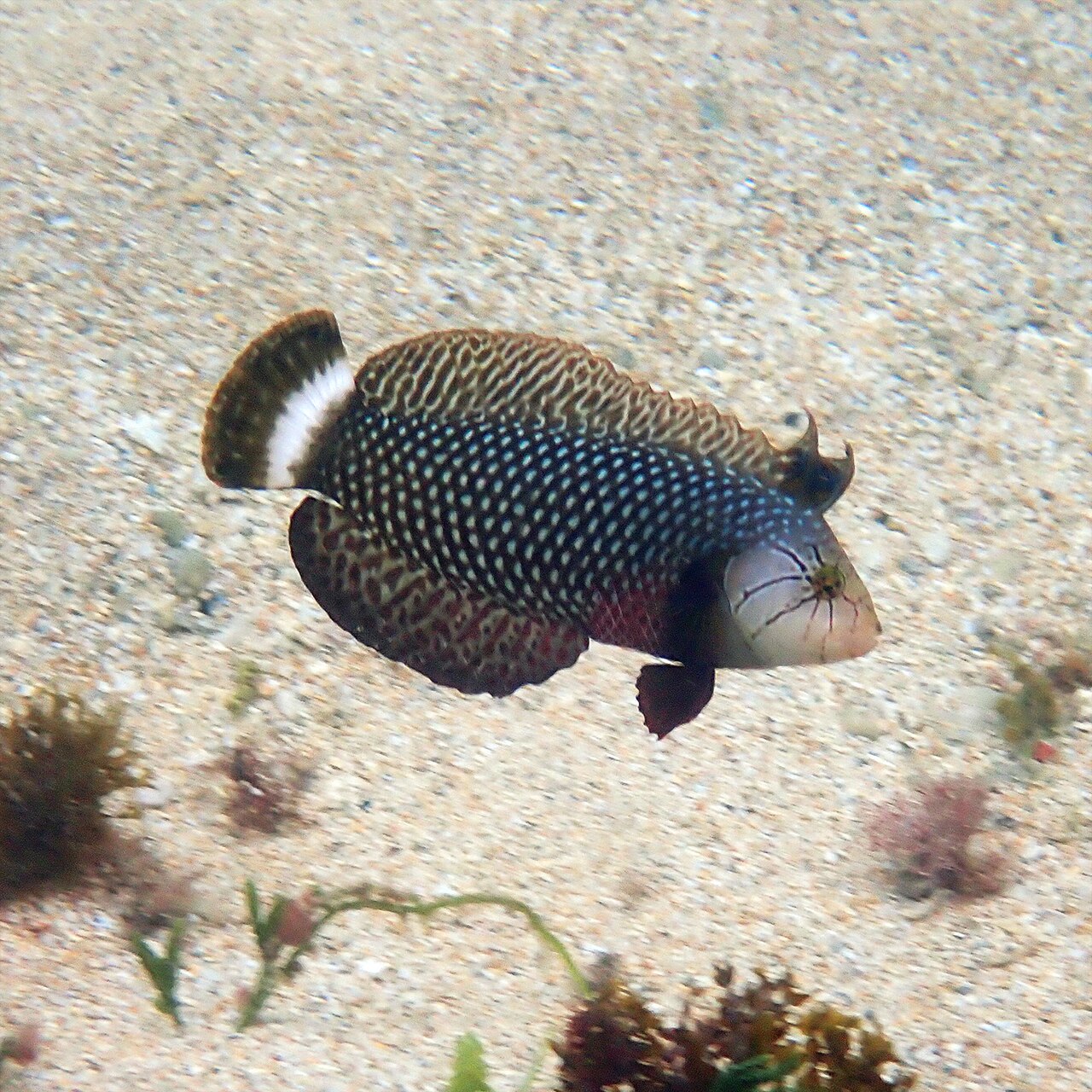
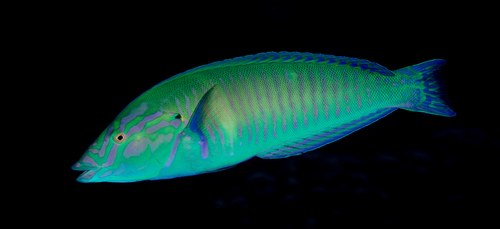
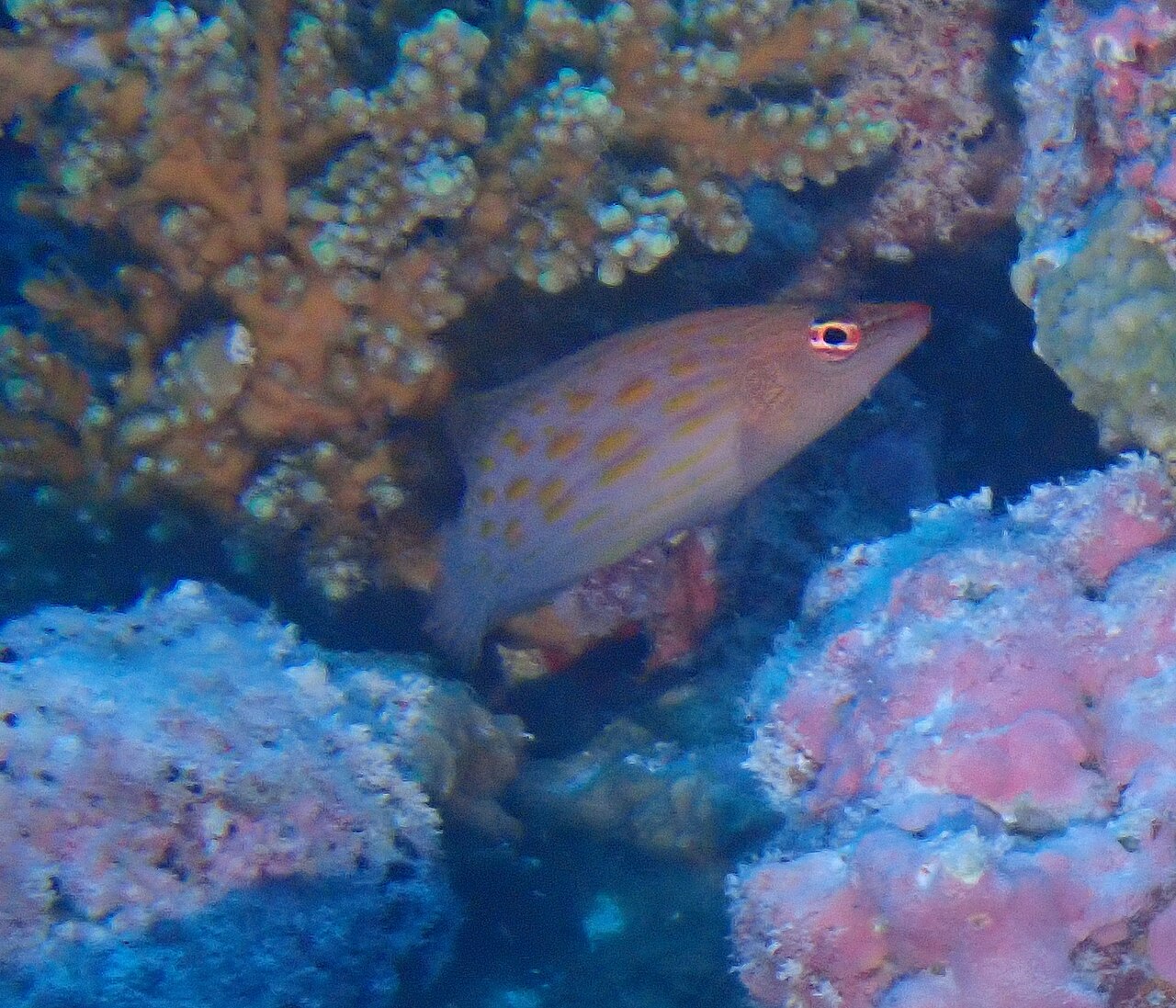
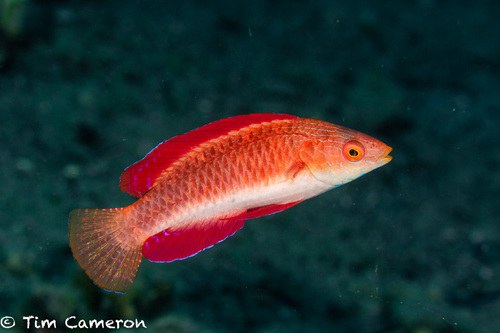
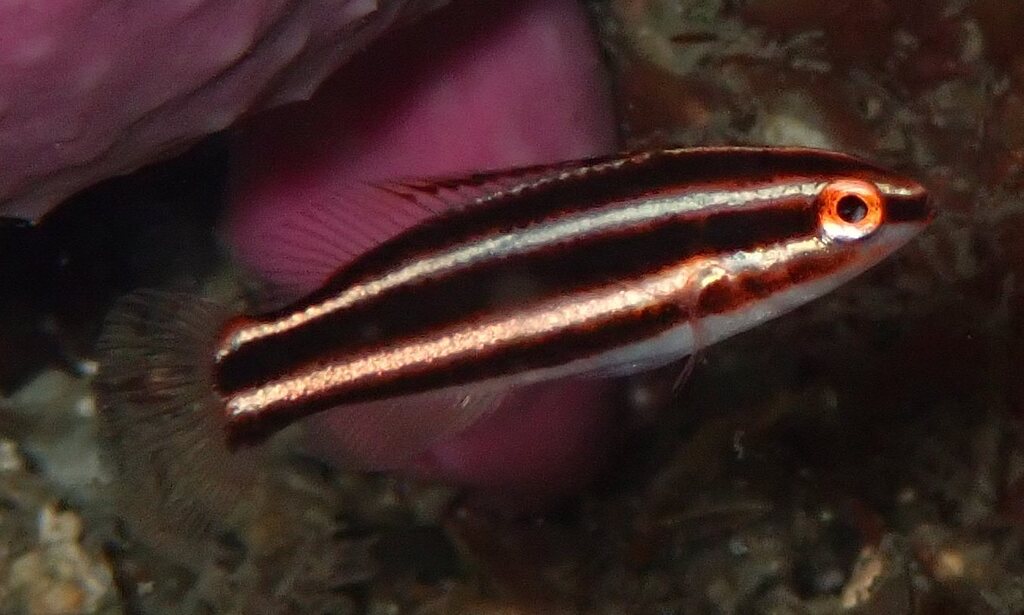
The Striped Pigfish (Bodianus izuensis) is a captivating marine species native to the warm waters of the Indo-Pacific region. This species is characterized by its striking coloration, featuring a blend of vibrant yellows, blues, and whites that create a stunning visual display in any aquarium setting. Adult pigfish can reach a maximum size of around 20 cm, making them a moderate-sized fish that is suitable for various tank setups. Their elongated bodies and distinctively striped patterns not only contribute to their aesthetic appeal but also help them blend into their natural coral reef habitats.
In the wild, the Striped Pigfish is typically found in shallow waters, often among coral reefs, rocky substrates, and sandy bottoms. They are known to inhabit depths ranging from 1 to 30 meters, where they forage for small invertebrates, crustaceans, and algae. This species is primarily diurnal, meaning they are most active during the day, showcasing their playful behaviors as they swim and explore their surroundings. Striped Pigfish are often seen darting in and out of crevices, showcasing their inquisitive nature.
Behaviorally, Striped Pigfish are known to be relatively peaceful, although they can display territorial tendencies, especially among males. They are social fish that thrive in groups, often forming small schools when foraging. Their interactive behavior makes them a delightful species to observe in home aquariums, as they engage in various activities, including swimming and interacting with tank mates. When kept in a community tank, it is essential to provide plenty of hiding spots and swimming space to maintain harmony among the inhabitants.
Overall, the Striped Pigfish is a dynamic species that adds both color and life to marine aquariums, making it a popular choice among aquarium enthusiasts and wholesalers alike.
In the wild, the Striped Pigfish is typically found in shallow waters, often among coral reefs, rocky substrates, and sandy bottoms. They are known to inhabit depths ranging from 1 to 30 meters, where they forage for small invertebrates, crustaceans, and algae. This species is primarily diurnal, meaning they are most active during the day, showcasing their playful behaviors as they swim and explore their surroundings. Striped Pigfish are often seen darting in and out of crevices, showcasing their inquisitive nature.
Behaviorally, Striped Pigfish are known to be relatively peaceful, although they can display territorial tendencies, especially among males. They are social fish that thrive in groups, often forming small schools when foraging. Their interactive behavior makes them a delightful species to observe in home aquariums, as they engage in various activities, including swimming and interacting with tank mates. When kept in a community tank, it is essential to provide plenty of hiding spots and swimming space to maintain harmony among the inhabitants.
Overall, the Striped Pigfish is a dynamic species that adds both color and life to marine aquariums, making it a popular choice among aquarium enthusiasts and wholesalers alike.
To ensure the health and vitality of Striped Pigfish, it is crucial to maintain appropriate water parameters. They thrive in temperatures ranging from 24°C to 28°C, with a salinity of 1.020 to 1.025 ppt. The pH level should ideally be kept between 8.1 and 8.4. A minimum tank size of 150 liters is recommended to provide ample swimming space and hiding spots for these active swimmers.
Feeding Striped Pigfish is relatively straightforward, as they are omnivores. A varied diet consisting of high-quality flake food, frozen or live foods such as brine shrimp, mysis shrimp, and chopped seafood will promote optimal health. Regular feeding, 2-3 times per day, helps maintain their vibrant colors and energy levels.
When introducing new Striped Pigfish to a community tank, acclimation is essential. Use a slow drip method over a period of several hours to help them adjust to the new water conditions. Quarantine new arrivals for at least two weeks to monitor for any signs of disease before adding them to the main display tank. Compatibility with other species tends to be good, but care should be taken to avoid overly aggressive tank mates.
Proper care and attention to their environmental needs will ensure that Striped Pigfish thrive in captivity, providing joy for both retailers and customers alike.
Feeding Striped Pigfish is relatively straightforward, as they are omnivores. A varied diet consisting of high-quality flake food, frozen or live foods such as brine shrimp, mysis shrimp, and chopped seafood will promote optimal health. Regular feeding, 2-3 times per day, helps maintain their vibrant colors and energy levels.
When introducing new Striped Pigfish to a community tank, acclimation is essential. Use a slow drip method over a period of several hours to help them adjust to the new water conditions. Quarantine new arrivals for at least two weeks to monitor for any signs of disease before adding them to the main display tank. Compatibility with other species tends to be good, but care should be taken to avoid overly aggressive tank mates.
Proper care and attention to their environmental needs will ensure that Striped Pigfish thrive in captivity, providing joy for both retailers and customers alike.
Striped Pigfish are suitable for shipping due to their hardy nature. They should be packed in well-oxygenated bags with minimal water to reduce movement during transit. A temperature range of 24°C to 28°C is ideal during shipping. It is important to monitor them closely for stress signs, especially during extended transport. There are no CITES restrictions for this species, simplifying export processes.
Species Parameters
Max Adult Size
20.0 cm
Origin
Indo-Pacific
Diet
omnivore
Temp Min
24.0 °C
Temp Max
28.0 °C
Salinity Min
1.020
Salinity Max
1.025
pH Min
8.10
pH Max
8.40
Min Tank
150 L