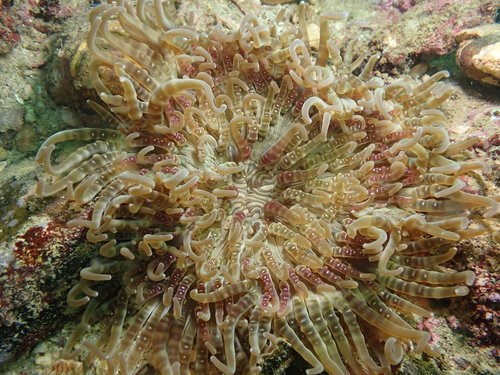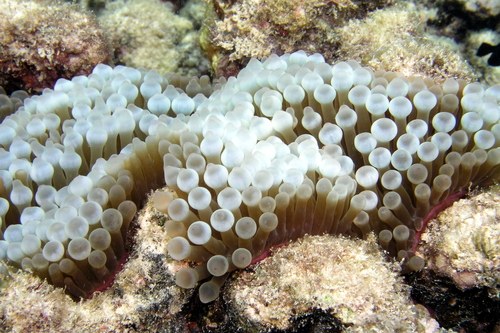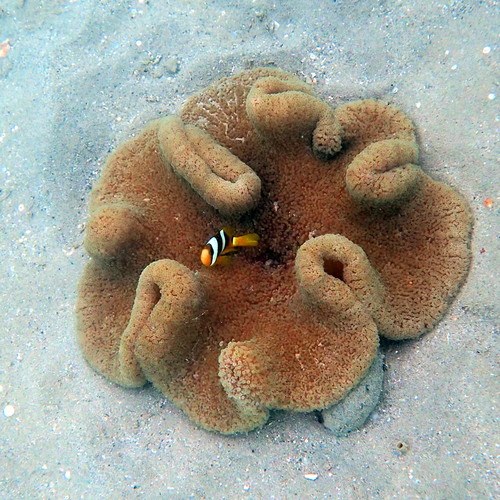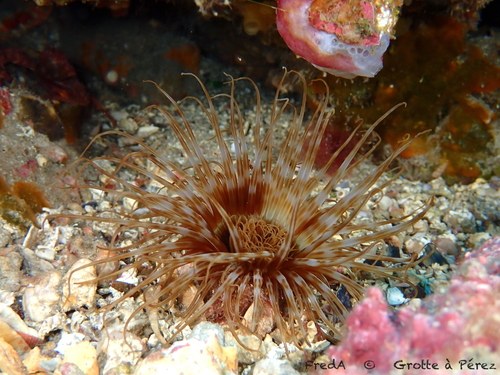
Purple Tube-Building Anemone (Mks)
Cerianthus Membranaceus
In Stock
Common stock
Wild Caught
Moderate care
SKU: CB-SC-0081
The Purple Tube-Building Anemone is a striking marine invertebrate known for its beautiful coloration and unique structure.
Pricing for Verified Importers
Log in to see wholesale prices and order.
Export Size
up to 30.0 cm
Origin
Indo-Pacific
Temperature
24.0–28.0°C
Min. Tank Size
100 L
pH
7.80–8.40
Diet
carnivore
The Purple Tube-Building Anemone (Cerianthus membranaceus) is a fascinating marine invertebrate found primarily in the warm waters of the Indo-Pacific region. This species is characterized by its vibrant purple coloration, which can vary in intensity, and its unique tube-like structure that allows it to securely anchor itself to the ocean floor. The anemone can extend its long, tentacle-like structures to capture prey, showcasing its adaptability and hunting prowess in the wild.
In terms of behavior, the Purple Tube-Building Anemone is relatively sedentary, preferring to remain in its constructed tube while extending its tentacles to feed. It primarily feeds on small plankton and organic particles suspended in the water column. This anemone is known to have a symbiotic relationship with certain fish species, which can help deter predators and provide mutual benefits. The anemone’s ability to retract into its tube when threatened is a remarkable adaptation that enhances its survival in diverse environments.
Habitat-wise, the Purple Tube-Building Anemone thrives in sandy or muddy substrates in shallow coastal waters, often found in areas with moderate water movement. It favors depths ranging from 10 to 30 meters and is often encountered in coral reefs and other marine ecosystems where it can find adequate food and shelter. Understanding its natural habitat is crucial for replicating suitable conditions in captivity, which is vital for successful breeding and maintenance in aquarium settings.
Overall, the Purple Tube-Building Anemone is not only an aesthetically pleasing addition to marine aquariums but also plays a significant role in the ecosystem by contributing to the biodiversity of its environment.
In terms of behavior, the Purple Tube-Building Anemone is relatively sedentary, preferring to remain in its constructed tube while extending its tentacles to feed. It primarily feeds on small plankton and organic particles suspended in the water column. This anemone is known to have a symbiotic relationship with certain fish species, which can help deter predators and provide mutual benefits. The anemone’s ability to retract into its tube when threatened is a remarkable adaptation that enhances its survival in diverse environments.
Habitat-wise, the Purple Tube-Building Anemone thrives in sandy or muddy substrates in shallow coastal waters, often found in areas with moderate water movement. It favors depths ranging from 10 to 30 meters and is often encountered in coral reefs and other marine ecosystems where it can find adequate food and shelter. Understanding its natural habitat is crucial for replicating suitable conditions in captivity, which is vital for successful breeding and maintenance in aquarium settings.
Overall, the Purple Tube-Building Anemone is not only an aesthetically pleasing addition to marine aquariums but also plays a significant role in the ecosystem by contributing to the biodiversity of its environment.
When caring for the Purple Tube-Building Anemone in an aquarium, it is essential to maintain stable water parameters. Ideally, the water temperature should be kept between 24°C and 28°C, with a pH range of 7.8 to 8.4. Regular monitoring of water quality, including ammonia, nitrite, and nitrate levels, is crucial to ensure the health of this species. Salinity should be maintained at natural seawater levels of approximately 35 ppt.
Feeding the Purple Tube-Building Anemone involves providing a varied diet of small marine foods such as brine shrimp, mysis shrimp, and finely chopped fish. Offering food 2-3 times a week is generally sufficient, ensuring that it receives adequate nutrients without overfeeding. Compatibility with tank mates is generally good, but caution should be exercised with aggressive fish that might disturb the anemone.
Acclimating the Purple Tube-Building Anemone requires a slow and steady process to prevent shock. It is recommended to float the sealed bag in the aquarium for 15-20 minutes before gradually introducing tank water into the bag over a period of 1-2 hours. Quarantine is advisable for new specimens to prevent the introduction of pathogens into the main tank. Overall, with the right care and conditions, the Purple Tube-Building Anemone can thrive in a well-maintained marine aquarium.
Feeding the Purple Tube-Building Anemone involves providing a varied diet of small marine foods such as brine shrimp, mysis shrimp, and finely chopped fish. Offering food 2-3 times a week is generally sufficient, ensuring that it receives adequate nutrients without overfeeding. Compatibility with tank mates is generally good, but caution should be exercised with aggressive fish that might disturb the anemone.
Acclimating the Purple Tube-Building Anemone requires a slow and steady process to prevent shock. It is recommended to float the sealed bag in the aquarium for 15-20 minutes before gradually introducing tank water into the bag over a period of 1-2 hours. Quarantine is advisable for new specimens to prevent the introduction of pathogens into the main tank. Overall, with the right care and conditions, the Purple Tube-Building Anemone can thrive in a well-maintained marine aquarium.
The Purple Tube-Building Anemone is suitable for shipping, but care must be taken to pack it securely to minimize stress during transit. A packing density of one anemone per 5 liters of water is recommended to ensure adequate space. The anemone is sensitive to temperature fluctuations; thus, maintaining a stable temperature between 24°C and 26°C during shipping is essential. Currently, there are no CITES restrictions for this species, making it easier for exporters.
Species Parameters
Max Adult Size
30.0 cm
Origin
Indo-Pacific
Diet
carnivore
Temp Min
24.0 °C
Temp Max
28.0 °C
pH Min
7.80
pH Max
8.40
Min Tank
100 L