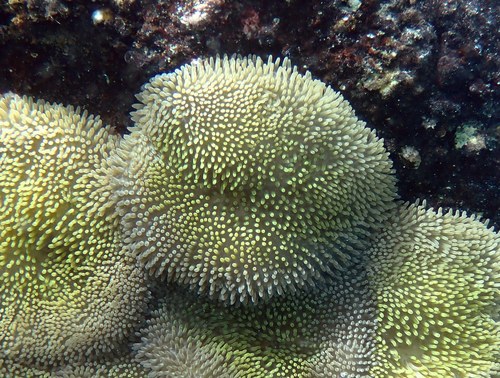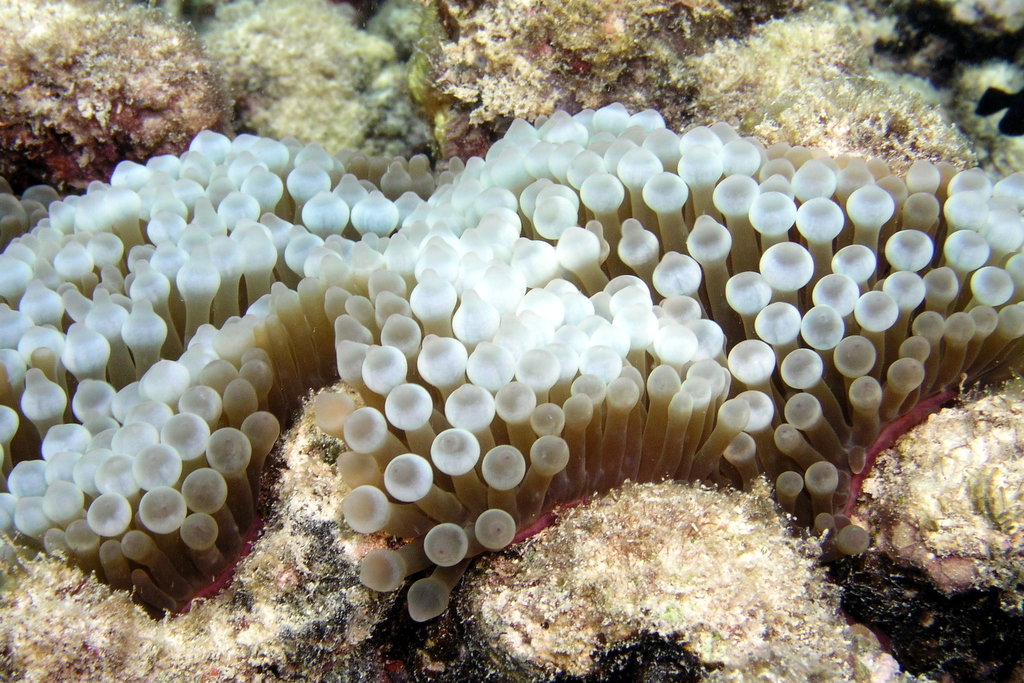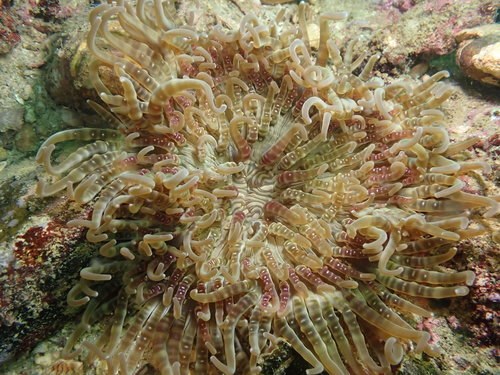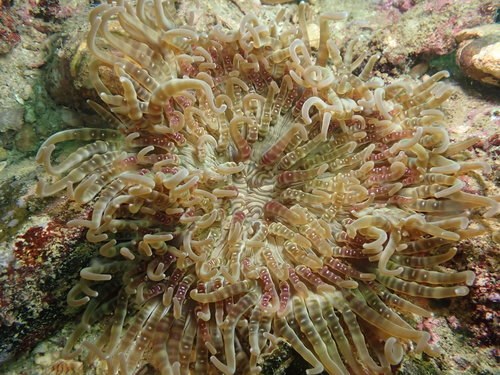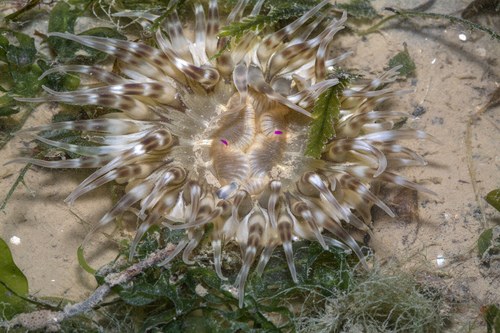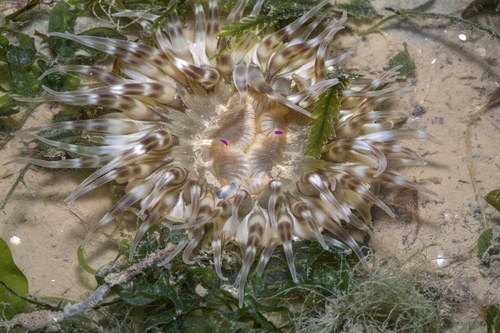
Red Corn Anemone Radianthus
radianthus malu
In Stock
Common stock
Wild Caught
Moderate care
With Caution
SKU: ML-MF-0470
The Red Corn Anemone is a stunning marine species known for its vibrant colors and captivating behavior.
Pricing for Verified Importers
Log in to see wholesale prices and order.
Export Size
up to 25.0 cm
Origin
Coral Triangle
Temperature
24.0–28.0°C
Min. Tank Size
100 L
Salinity
32.000–35.000 ppt
pH
8.10–8.40
Diet
carnivore
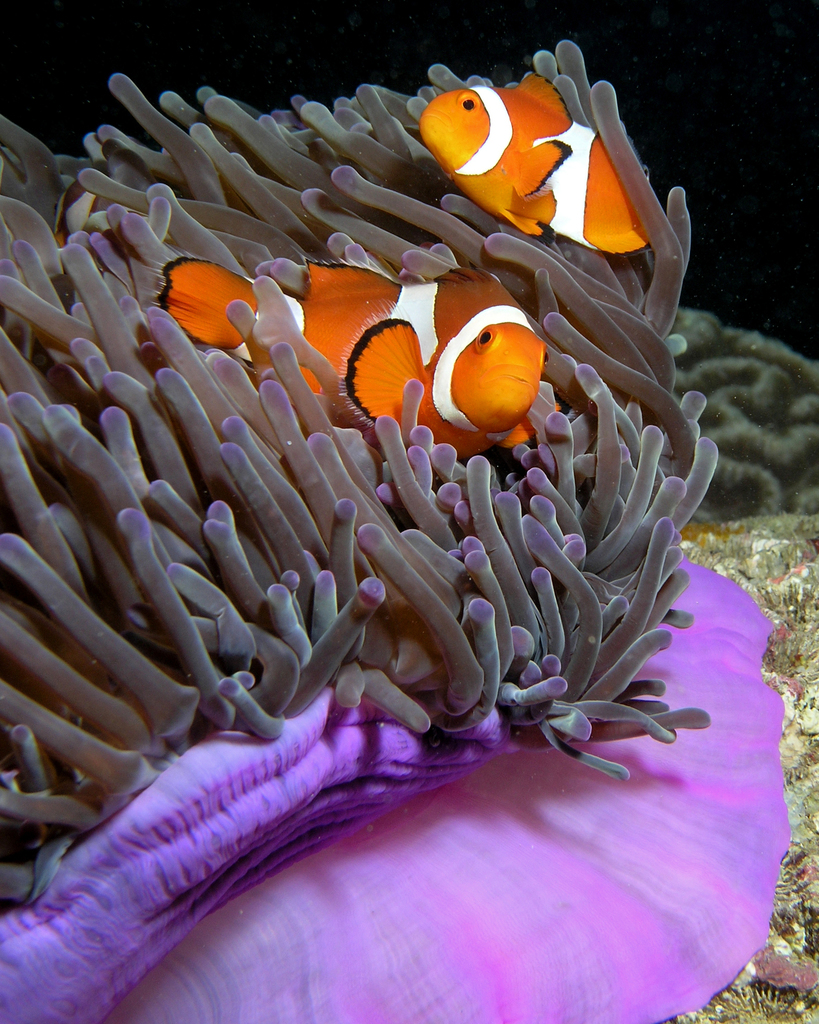
Radianthus malu, commonly known as the Red Corn Anemone, is a striking marine anemone found in the warm waters of the Coral Triangle. This species is characterized by its unique reddish hue, which provides a stunning contrast against the vibrant corals and substrates of its natural habitat. The anemone’s tentacles are long and slender, adorned with specialized cells called nematocysts that help capture prey and deter predators. With its striking appearance, the Red Corn Anemone serves as a vital component of the reef ecosystem, providing shelter and protection for various marine organisms, particularly clownfish, which form a symbiotic relationship with it.
In terms of behavior, the Red Corn Anemone exhibits a fascinating array of movements, including the ability to retract its tentacles when disturbed or threatened. This adaptability allows the anemone to thrive in various environments, from shallow lagoons to deeper reef slopes. It is also known to engage in a unique feeding behavior, where it extends its tentacles to catch small fish and plankton drifting by in the water column. This active predation is crucial for its survival and growth, as it relies on these nutrients to flourish.
The Red Corn Anemone typically inhabits rocky substrates and coral reefs, where it can anchor itself securely. Its habitat is often characterized by clear waters with ample sunlight, which supports the growth of the algae living within its tissues. These photosynthetic algae provide additional nutrients to the anemone, enhancing its vibrant coloration and overall health. The symbiotic relationship between the anemone and its resident fauna, including various fish species, makes it an essential part of the marine ecosystem.
Overall, the Red Corn Anemone is not only a beautiful addition to any marine aquarium but also plays a significant role in the health and biodiversity of coral reef ecosystems.
In terms of behavior, the Red Corn Anemone exhibits a fascinating array of movements, including the ability to retract its tentacles when disturbed or threatened. This adaptability allows the anemone to thrive in various environments, from shallow lagoons to deeper reef slopes. It is also known to engage in a unique feeding behavior, where it extends its tentacles to catch small fish and plankton drifting by in the water column. This active predation is crucial for its survival and growth, as it relies on these nutrients to flourish.
The Red Corn Anemone typically inhabits rocky substrates and coral reefs, where it can anchor itself securely. Its habitat is often characterized by clear waters with ample sunlight, which supports the growth of the algae living within its tissues. These photosynthetic algae provide additional nutrients to the anemone, enhancing its vibrant coloration and overall health. The symbiotic relationship between the anemone and its resident fauna, including various fish species, makes it an essential part of the marine ecosystem.
Overall, the Red Corn Anemone is not only a beautiful addition to any marine aquarium but also plays a significant role in the health and biodiversity of coral reef ecosystems.
For successful care of the Red Corn Anemone, it is essential to maintain specific water parameters. The ideal temperature range for this species is between 24°C to 28°C, with a salinity level of 32 to 35 ppt. The pH should be kept between 8.1 and 8.4 to ensure optimal health. When introducing the anemone to a new aquarium, slow acclimation is crucial to reduce stress. It is recommended to use a drip acclimation method over several hours before placing it in the tank.
Feeding the Red Corn Anemone involves providing small, meaty foods such as finely chopped shrimp, fish, or specialized anemone food. Regular feedings every few days will promote growth and vibrant coloration. This species is generally considered semi-aggressive; thus, careful selection of tankmates is essential. Clownfish are ideal companions, as they have a natural affinity for anemones, while smaller fish or invertebrates should be avoided to prevent predation.
It is also advisable to quarantine new arrivals for at least two weeks before introducing them to the main display tank. This practice helps prevent the introduction of potential diseases and parasites. Providing a stable environment and monitoring water quality regularly will ensure the Red Corn Anemone thrives in captivity.
Feeding the Red Corn Anemone involves providing small, meaty foods such as finely chopped shrimp, fish, or specialized anemone food. Regular feedings every few days will promote growth and vibrant coloration. This species is generally considered semi-aggressive; thus, careful selection of tankmates is essential. Clownfish are ideal companions, as they have a natural affinity for anemones, while smaller fish or invertebrates should be avoided to prevent predation.
It is also advisable to quarantine new arrivals for at least two weeks before introducing them to the main display tank. This practice helps prevent the introduction of potential diseases and parasites. Providing a stable environment and monitoring water quality regularly will ensure the Red Corn Anemone thrives in captivity.
The Red Corn Anemone is suitable for shipping due to its hardy nature. When packing, ensure that there is adequate water volume to minimize stress during transit. A temperature range of 22°C to 26°C is ideal during shipping. It is crucial to avoid overcrowding in shipping bags to ensure proper oxygenation and reduce stress. This species is not listed under CITES, simplifying export regulations.
Species Parameters
Max Adult Size
25.0 cm
Origin
Coral Triangle
Diet
carnivore
Temp Min
24.0 °C
Temp Max
28.0 °C
Salinity Min
32.000
Salinity Max
35.000
pH Min
8.10
pH Max
8.40
Min Tank
100 L