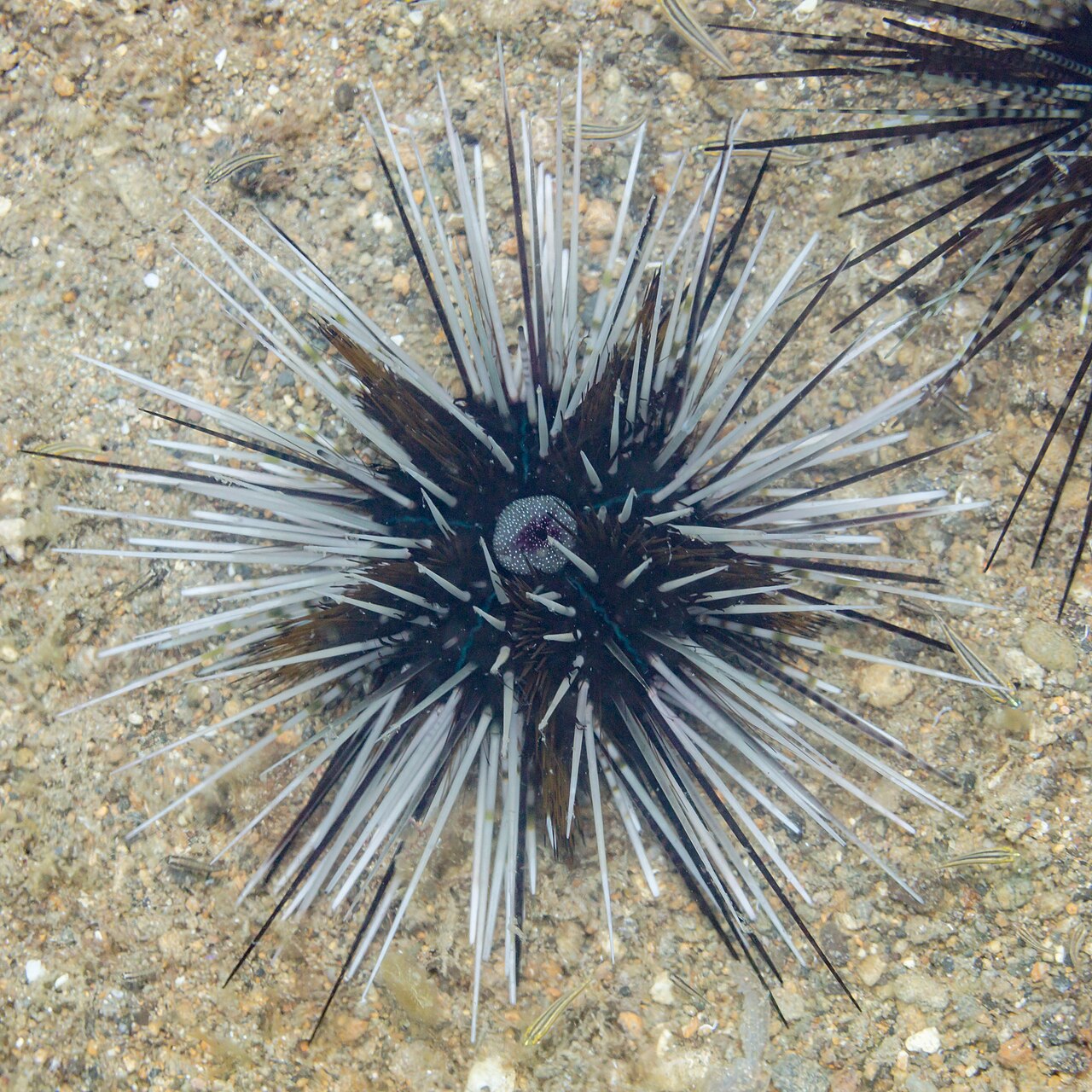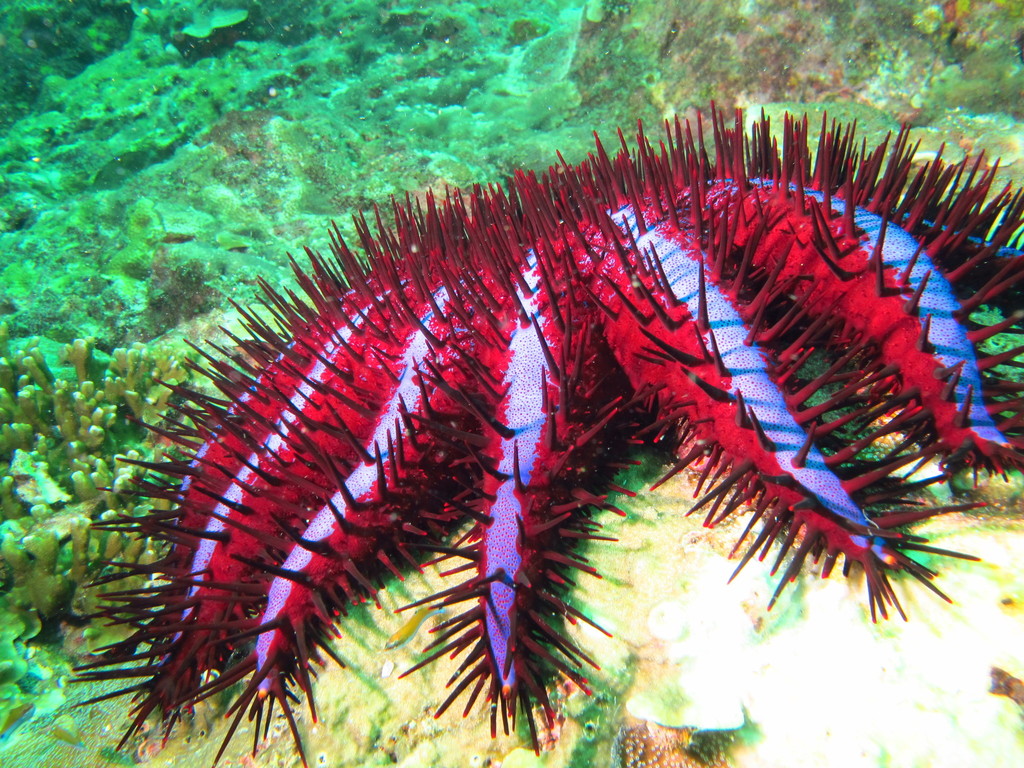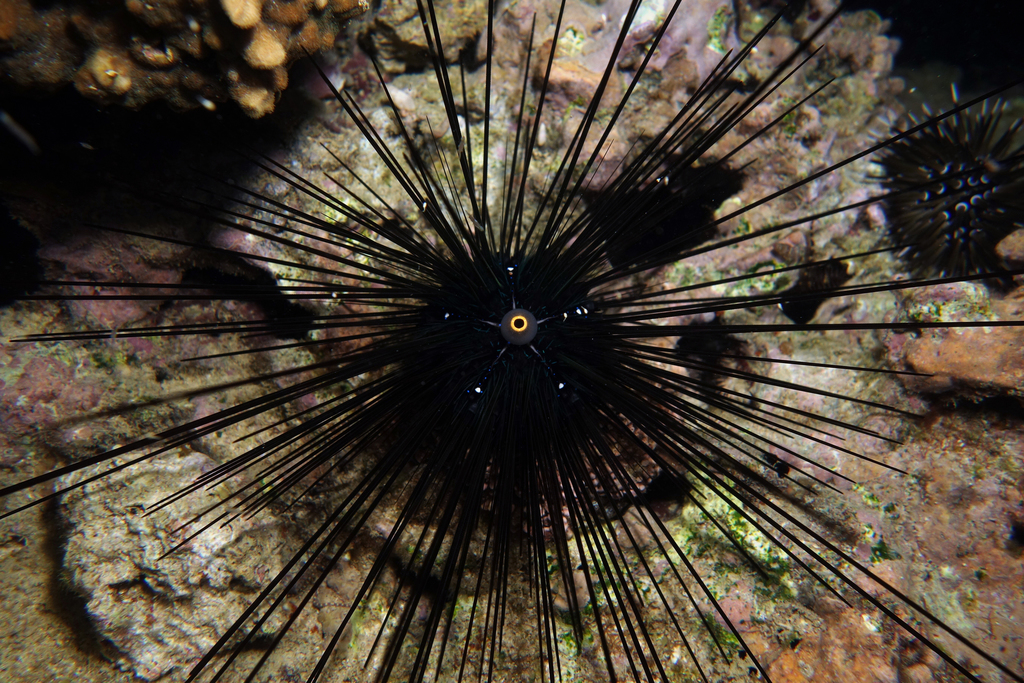
Long spine urchin
diadema setosum
In Stock
Common stock
Wild Caught
Moderate care
With Caution
SKU: ML-MF-0527
The long spine urchin is a stunning marine species known for its striking appearance and ecological importance.
Pricing for Verified Importers
Log in to see wholesale prices and order.
Export Size
up to 30.0 cm
Origin
Indo-Pacific
Temperature
24.0–28.0°C
Min. Tank Size
100 L
Salinity
35.000–35.000 ppt
pH
8.10–8.40
Diet
herbivore
The long spine urchin, scientifically known as Diadema setosum, is a fascinating marine echinoderm prevalent in the warm waters of the Indo-Pacific region. Characterized by its long, spiny projections, this species can reach an impressive size, often growing up to 30 cm in diameter. The spines, which can vary in color from black to purple, serve not only as a defense mechanism against predators but also contribute to its unique aesthetic appeal for aquarium enthusiasts.
In terms of natural history, long spine urchins play a crucial role in their ecosystems by grazing on algae, helping to maintain the balance of coral reef systems. They are typically found in rocky crevices, coral reefs, and sandy substrates, where they can easily hide from potential threats. Their nocturnal behavior means they are more active during the night, foraging for food and interacting with their environment.
Behaviorally, these urchins are relatively solitary creatures, although they may be found in groups in areas rich in food sources. They exhibit a fascinating ability to camouflage themselves among rocks and corals, making them less visible to predators. The long spine urchin is also known for its interesting interactions with other marine species, often serving as a habitat for small fish and crustaceans that seek refuge among its spines.
Overall, the long spine urchin is not only a visually striking addition to marine aquariums but also an important species that supports the health of coral reef ecosystems. Its unique adaptations and behaviors make it a subject of interest for both researchers and aquarium hobbyists alike.
In terms of natural history, long spine urchins play a crucial role in their ecosystems by grazing on algae, helping to maintain the balance of coral reef systems. They are typically found in rocky crevices, coral reefs, and sandy substrates, where they can easily hide from potential threats. Their nocturnal behavior means they are more active during the night, foraging for food and interacting with their environment.
Behaviorally, these urchins are relatively solitary creatures, although they may be found in groups in areas rich in food sources. They exhibit a fascinating ability to camouflage themselves among rocks and corals, making them less visible to predators. The long spine urchin is also known for its interesting interactions with other marine species, often serving as a habitat for small fish and crustaceans that seek refuge among its spines.
Overall, the long spine urchin is not only a visually striking addition to marine aquariums but also an important species that supports the health of coral reef ecosystems. Its unique adaptations and behaviors make it a subject of interest for both researchers and aquarium hobbyists alike.
For successful care of the long spine urchin (Diadema setosum) in aquariums, maintaining stable water parameters is essential. Ideal temperatures should be between 24°C and 28°C, with a salinity range of 1.020 to 1.025 ppt. The pH level should be kept between 8.1 and 8.4 to ensure optimal health. A minimum tank size of 100 liters is recommended to provide ample space for grazing and movement.
Feeding these urchins is relatively straightforward, as they are primarily herbivores. A diet rich in algae, along with supplemental foods like spirulina and specially formulated seaweed sheets, will keep them healthy and thriving. It is crucial to ensure they have access to food sources, as insufficient nutrition can lead to weakened spines and overall poor health.
In terms of compatibility, the long spine urchin tends to coexist well with many reef fish and invertebrates. However, caution should be taken with aggressive species that might harass them. Acclimation should be done gradually, allowing the urchin to adjust to the new environment over a period of several hours. Quarantine is also advisable before introducing them to a display tank, as this helps prevent the spread of potential parasites or diseases.
Feeding these urchins is relatively straightforward, as they are primarily herbivores. A diet rich in algae, along with supplemental foods like spirulina and specially formulated seaweed sheets, will keep them healthy and thriving. It is crucial to ensure they have access to food sources, as insufficient nutrition can lead to weakened spines and overall poor health.
In terms of compatibility, the long spine urchin tends to coexist well with many reef fish and invertebrates. However, caution should be taken with aggressive species that might harass them. Acclimation should be done gradually, allowing the urchin to adjust to the new environment over a period of several hours. Quarantine is also advisable before introducing them to a display tank, as this helps prevent the spread of potential parasites or diseases.
The long spine urchin is suitable for shipping due to its resilience, but care must be taken to maintain appropriate temperature and water quality during transit. A packing density of 1-2 specimens per liter is recommended to minimize stress. Temperature should be kept stable between 24°C and 26°C to avoid thermal shock. Additionally, as a species without specific CITES restrictions, shipping is generally straightforward.
Species Parameters
Max Adult Size
30.0 cm
Origin
Indo-Pacific
Diet
herbivore
Temp Min
24.0 °C
Temp Max
28.0 °C
Salinity Min
35.000
Salinity Max
35.000
pH Min
8.10
pH Max
8.40
Min Tank
100 L