Urchin Sp Stone
heterocentrotus mammillatus
In Stock
Common stock
Wild Caught
Moderate care
With Caution
SKU: ML-MF-0535
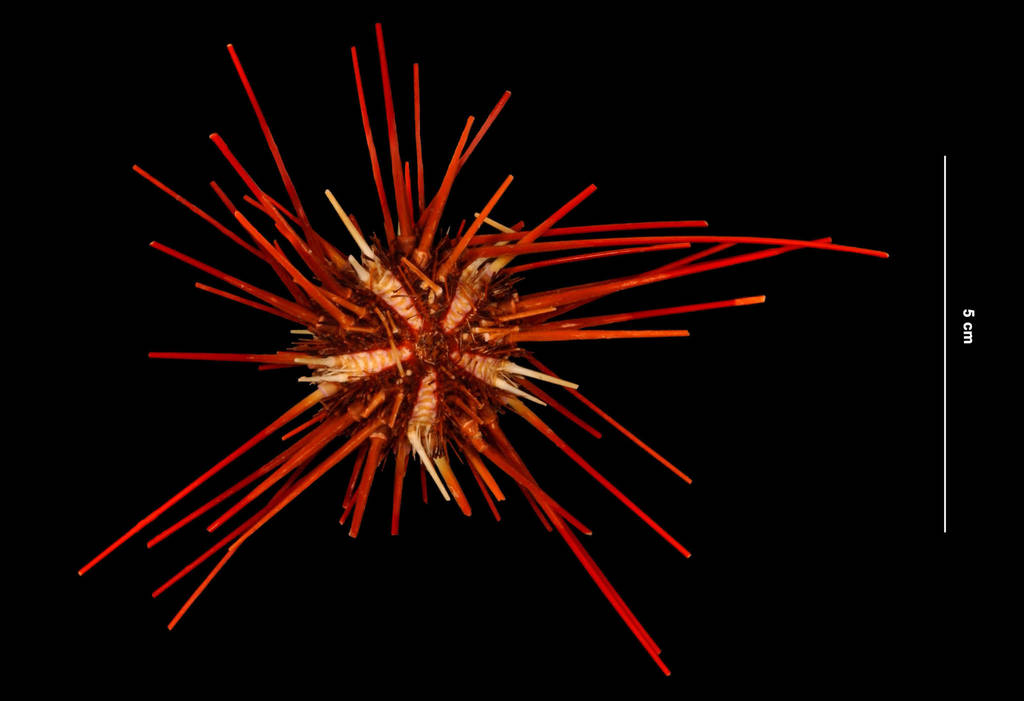
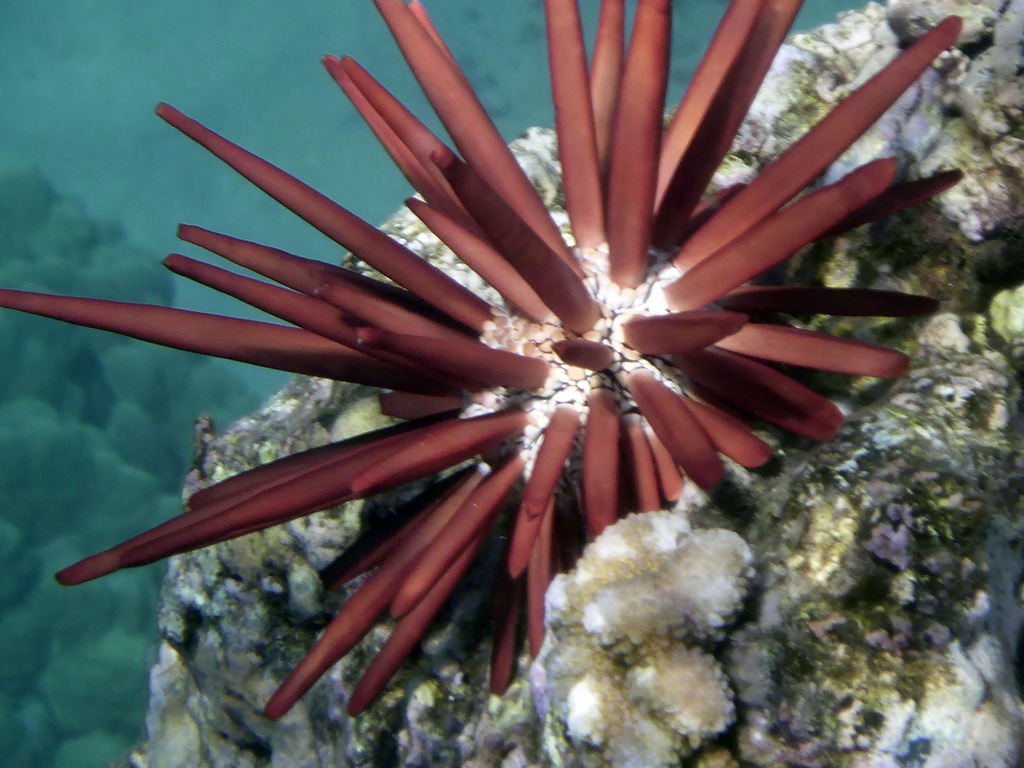
The Urchin Sp Stone (heterocentrotus mammillatus) is a striking marine urchin known for its vibrant colors and unique spiny structure.
Pricing for Verified Importers
Log in to see wholesale prices and order.
Export Size
up to 15.0 cm
Origin
Indo-Pacific
Temperature
24.0–28.0°C
Min. Tank Size
100 L
Salinity
1.020–1.025 ppt
pH
8.10–8.40
Diet
herbivore
Heterocentrotus mammillatus, commonly known as the Urchin Sp Stone, is a fascinating species of sea urchin found primarily in the tropical waters of the Indo-Pacific region. This marine invertebrate is notable for its distinctive, rounded body covered in long, sharp spines that can vary in color from deep purple to bright green, making it an attractive addition to marine aquariums. The spines serve not only as protection against predators but also play a role in camouflage among the rocky substrates and coral reefs they inhabit.
In terms of behavior, the Urchin Sp Stone is primarily nocturnal, becoming more active during the night when it forages for food. During the day, it tends to hide among crevices or under rocks to avoid predation. The species primarily feeds on algae and detritus, scraping food off surfaces with its specialized mouthparts. This grazing habit helps maintain the health of coral reefs by controlling algal growth, highlighting its ecological importance in marine environments.
The natural habitat of Heterocentrotus mammillatus includes shallow coral reefs and rocky areas where it can find ample food and shelter. This species thrives in warm, stable marine environments with good water quality, typically at depths of up to 30 meters. Its presence in these ecosystems also indicates a healthy reef system, making it a valuable species for both ecological studies and aquarium settings.
In terms of behavior, the Urchin Sp Stone is primarily nocturnal, becoming more active during the night when it forages for food. During the day, it tends to hide among crevices or under rocks to avoid predation. The species primarily feeds on algae and detritus, scraping food off surfaces with its specialized mouthparts. This grazing habit helps maintain the health of coral reefs by controlling algal growth, highlighting its ecological importance in marine environments.
The natural habitat of Heterocentrotus mammillatus includes shallow coral reefs and rocky areas where it can find ample food and shelter. This species thrives in warm, stable marine environments with good water quality, typically at depths of up to 30 meters. Its presence in these ecosystems also indicates a healthy reef system, making it a valuable species for both ecological studies and aquarium settings.
For successful care of Heterocentrotus mammillatus in a marine aquarium, maintaining optimal water parameters is crucial. The ideal temperature range is between 24°C to 28°C, with a salinity of 1.020 to 1.025 ppt. A pH level between 8.1 and 8.4 is recommended to mimic its natural environment. Tanks should be at least 100 liters to provide adequate space and stability.
Feeding the Urchin Sp Stone involves offering a varied diet mainly consisting of algae, seaweed, and high-quality herbivore pellets. Regular feeding will keep the urchin healthy and active. Compatibility with other tank inhabitants is generally good, although caution should be exercised with aggressive fish that may disturb or harm the urchin.
Acclimation should be conducted slowly, allowing the urchin to adjust to the new water conditions gradually. Quarantine procedures are recommended to monitor for any potential diseases or parasites before introducing it to the main tank. Providing a stable environment will ensure the health and longevity of this unique marine species.
Feeding the Urchin Sp Stone involves offering a varied diet mainly consisting of algae, seaweed, and high-quality herbivore pellets. Regular feeding will keep the urchin healthy and active. Compatibility with other tank inhabitants is generally good, although caution should be exercised with aggressive fish that may disturb or harm the urchin.
Acclimation should be conducted slowly, allowing the urchin to adjust to the new water conditions gradually. Quarantine procedures are recommended to monitor for any potential diseases or parasites before introducing it to the main tank. Providing a stable environment will ensure the health and longevity of this unique marine species.
Shipping Heterocentrotus mammillatus requires careful handling to ensure the health of the specimens. They are sensitive to temperature fluctuations, so maintaining a consistent temperature between 24°C and 28°C during transit is essential. Packing density should allow for adequate space to prevent stress. This species is not listed under CITES, making it easier to export.
Species Parameters
Max Adult Size
15.0 cm
Origin
Indo-Pacific
Diet
herbivore
Temp Min
24.0 °C
Temp Max
28.0 °C
Salinity Min
1.020
Salinity Max
1.025
pH Min
8.10
pH Max
8.40
Min Tank
100 L