Star Urchin
coelopleurus undulatus
In Stock
Common stock
Wild Caught
Moderate care
With Caution
SKU: ML-MF-0533
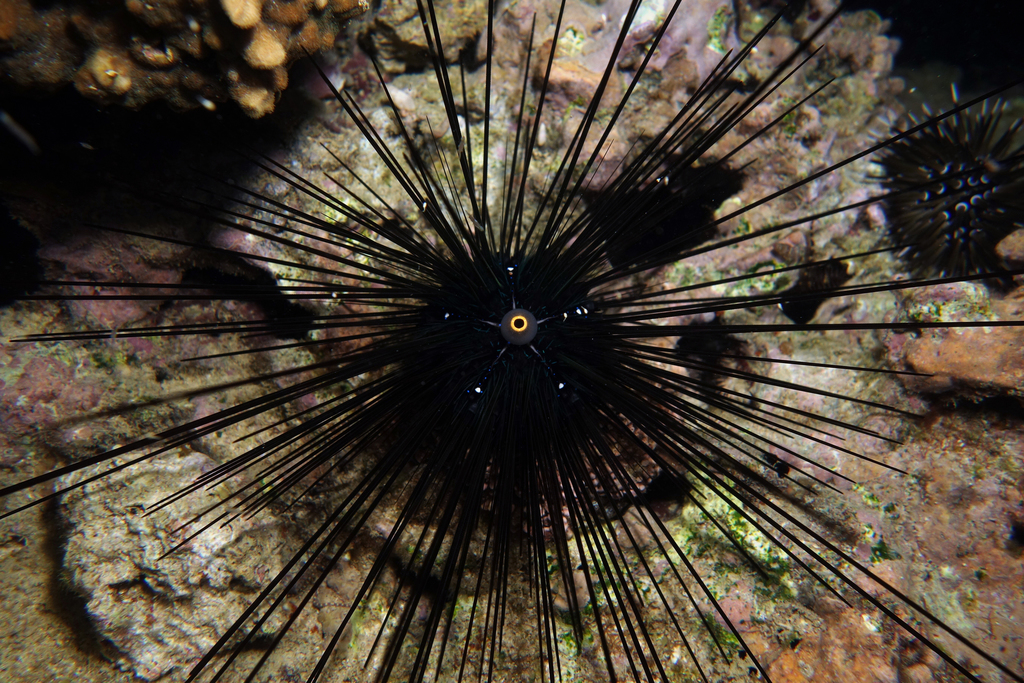
The Star Urchin is a striking marine species known for its radiant colors and unique texture.
Pricing for Verified Importers
Log in to see wholesale prices and order.
Export Size
up to 15.0 cm
Origin
Indo-Pacific
Temperature
24.0–28.0°C
Min. Tank Size
100 L
Salinity
30.000–35.000 ppt
pH
8.10–8.40
Diet
herbivore
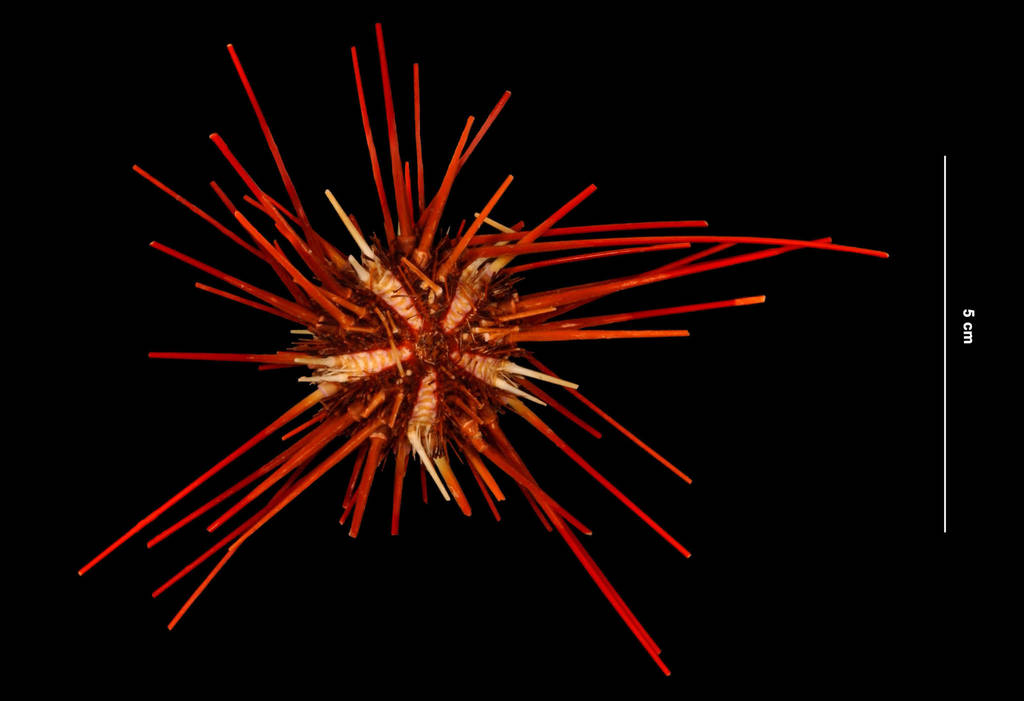
The Star Urchin (Coelopleurus undulatus) is a fascinating marine echinoderm found primarily in the tropical waters of the Indo-Pacific region, particularly around coral reefs. Characterized by its vibrant hues and distinctively patterned spines, this species exhibits a range of colors including blues, purples, and greens, making it a visually stunning addition to any aquarium. The urchin's body is covered with long, flexible spines that not only provide protection from predators but also facilitate movement across the ocean floor.
In terms of behavior, the Star Urchin is primarily nocturnal, often hiding in crevices during the day and becoming more active at night as it forages for food. This species primarily feeds on algae, detritus, and small organic materials, playing an essential role in maintaining the ecological balance of its habitat by grazing on algae and preventing overgrowth on coral reefs. They are typically found at depths ranging from shallow lagoons to deeper reef environments, often associating with rocky substrates where they can find ample food and shelter.
The Star Urchin's reproduction involves spawning, where both males and females release gametes into the water column, resulting in external fertilization. This reproductive strategy is common among echinoderms and contributes to the genetic diversity of the population. In the wild, their lifespan can extend to several years, with adults reaching sizes of up to 15 cm in diameter, depending on environmental conditions and available resources.
As a species that thrives in stable environments, the Star Urchin is sensitive to changes in water quality and temperature. Therefore, it is crucial for aquarists and importers to understand its specific habitat requirements to ensure successful care and longevity in captivity.
In terms of behavior, the Star Urchin is primarily nocturnal, often hiding in crevices during the day and becoming more active at night as it forages for food. This species primarily feeds on algae, detritus, and small organic materials, playing an essential role in maintaining the ecological balance of its habitat by grazing on algae and preventing overgrowth on coral reefs. They are typically found at depths ranging from shallow lagoons to deeper reef environments, often associating with rocky substrates where they can find ample food and shelter.
The Star Urchin's reproduction involves spawning, where both males and females release gametes into the water column, resulting in external fertilization. This reproductive strategy is common among echinoderms and contributes to the genetic diversity of the population. In the wild, their lifespan can extend to several years, with adults reaching sizes of up to 15 cm in diameter, depending on environmental conditions and available resources.
As a species that thrives in stable environments, the Star Urchin is sensitive to changes in water quality and temperature. Therefore, it is crucial for aquarists and importers to understand its specific habitat requirements to ensure successful care and longevity in captivity.
For optimal care, the Star Urchin requires stable water conditions mimicking its natural habitat. Ideal water temperature ranges from 24°C to 28°C, with a salinity level of 30-35 ppt. The pH should be maintained between 8.1 and 8.4 to promote healthy biological processes. A minimum tank size of 100 liters is recommended to provide ample space for movement and foraging.
Feeding the Star Urchin requires a varied diet, including high-quality algae, seaweed sheets, and supplementary foods rich in calcium to support shell development. Regular feeding every few days is sufficient, as these urchins can be sensitive to overfeeding, which may lead to water quality issues. Compatibility with tank mates is generally good, but caution should be exercised with aggressive species that may harm the urchin.
Acclimation should be done slowly to reduce stress, ideally over several hours through a drip method. Quarantine new specimens for at least two weeks before introduction to an established tank to monitor for any signs of disease or parasites. Overall, with proper care and attention to water quality, the Star Urchin can thrive in a captive environment, providing beauty and ecological benefits.
Feeding the Star Urchin requires a varied diet, including high-quality algae, seaweed sheets, and supplementary foods rich in calcium to support shell development. Regular feeding every few days is sufficient, as these urchins can be sensitive to overfeeding, which may lead to water quality issues. Compatibility with tank mates is generally good, but caution should be exercised with aggressive species that may harm the urchin.
Acclimation should be done slowly to reduce stress, ideally over several hours through a drip method. Quarantine new specimens for at least two weeks before introduction to an established tank to monitor for any signs of disease or parasites. Overall, with proper care and attention to water quality, the Star Urchin can thrive in a captive environment, providing beauty and ecological benefits.
The Star Urchin is suitable for shipping, provided that proper precautions are taken. It should be packed in well-aerated containers with minimal water to reduce stress during transit. Temperature stability is crucial, as they are sensitive to extremes; ideally, shipping temperatures should remain between 24°C and 26°C. There are no specific CITES restrictions for this species, making it compliant for export.
Species Parameters
Max Adult Size
15.0 cm
Origin
Indo-Pacific
Diet
herbivore
Temp Min
24.0 °C
Temp Max
28.0 °C
Salinity Min
30.000
Salinity Max
35.000
pH Min
8.10
pH Max
8.40
Min Tank
100 L