White Sea Urchin
tripenustes gratilla
In Stock
Common stock
Wild Caught
Moderate care
With Caution
SKU: ML-MF-0540
The White Sea Urchin is a vibrant marine species that enhances biodiversity in reef ecosystems.
Pricing for Verified Importers
Log in to see wholesale prices and order.
Export Size
up to 12.0 cm
Origin
Indo-Pacific
Temperature
24.0–28.0°C
Min. Tank Size
100 L
Salinity
32.000–35.000 ppt
pH
8.10–8.40
Diet
herbivore
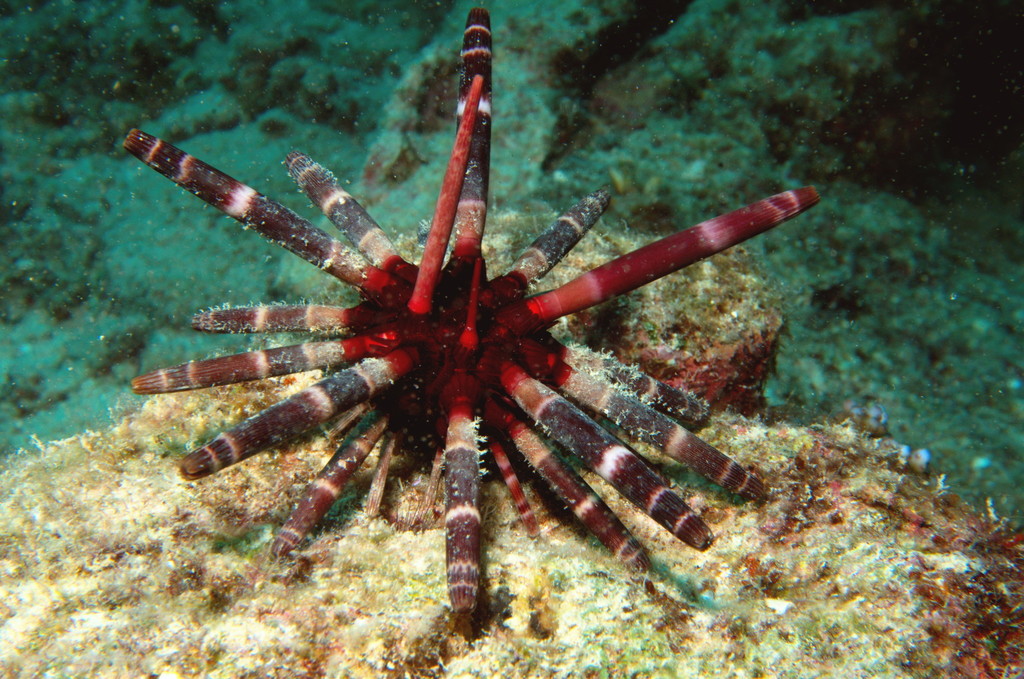
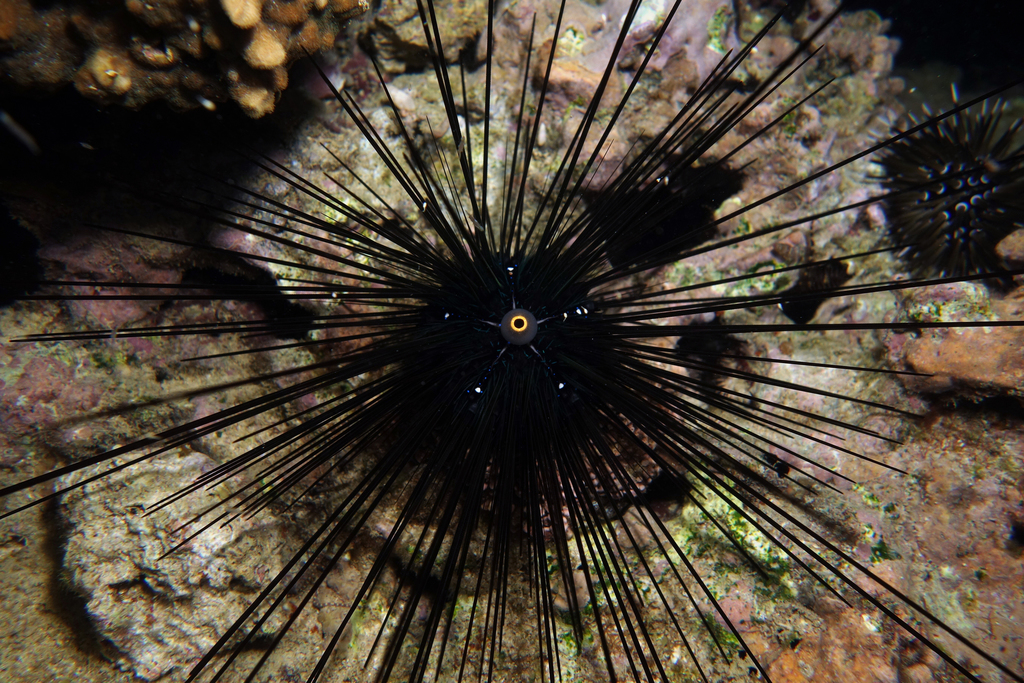
The White Sea Urchin (Tripneustes gratilla) is a fascinating marine invertebrate known for its striking appearance and ecological significance. Typically found in shallow waters of the Indo-Pacific region, this species thrives in coral reefs and sandy substrates. The urchin is characterized by its round, flattened body and long, slender spines that can vary in color but often appear white or pale. Its unique structure allows it to blend into its environment, providing camouflage against predators.
In terms of natural history, the White Sea Urchin plays a crucial role in the marine ecosystem by grazing on algae, which helps maintain the balance of coral reef health. Their feeding behavior can prevent algal overgrowth, thereby promoting the growth of corals. This echinoderm is also a key food source for various marine species, including fish and sea turtles, contributing to the biodiversity and food web of its habitat.
Behaviorally, White Sea Urchins exhibit a primarily nocturnal lifestyle, engaging in feeding during the night while remaining relatively inactive during the day. They use their tube feet and spines to navigate their surroundings and to cling onto rocky surfaces, which helps them avoid strong currents and predators. Their reproductive cycle is seasonal, typically occurring during warmer months, with males and females releasing gametes into the water for external fertilization.
The preferred habitat of the White Sea Urchin includes coral reefs, seagrass beds, and sandy bottoms, where they can find ample food sources. This species is often associated with healthy reef ecosystems, making them an indicator of environmental health. As a key species in marine environments, the White Sea Urchin is not only a beautiful addition to any aquarium but also plays an essential role in promoting ecological balance in its natural habitat.
In terms of natural history, the White Sea Urchin plays a crucial role in the marine ecosystem by grazing on algae, which helps maintain the balance of coral reef health. Their feeding behavior can prevent algal overgrowth, thereby promoting the growth of corals. This echinoderm is also a key food source for various marine species, including fish and sea turtles, contributing to the biodiversity and food web of its habitat.
Behaviorally, White Sea Urchins exhibit a primarily nocturnal lifestyle, engaging in feeding during the night while remaining relatively inactive during the day. They use their tube feet and spines to navigate their surroundings and to cling onto rocky surfaces, which helps them avoid strong currents and predators. Their reproductive cycle is seasonal, typically occurring during warmer months, with males and females releasing gametes into the water for external fertilization.
The preferred habitat of the White Sea Urchin includes coral reefs, seagrass beds, and sandy bottoms, where they can find ample food sources. This species is often associated with healthy reef ecosystems, making them an indicator of environmental health. As a key species in marine environments, the White Sea Urchin is not only a beautiful addition to any aquarium but also plays an essential role in promoting ecological balance in its natural habitat.
For importers and retailers looking to care for the White Sea Urchin, maintaining optimal water parameters is crucial. The ideal temperature range is between 24°C and 28°C, with a salinity level of 32-35 ppt. The pH should be maintained between 8.1 and 8.4 to ensure the health of the urchin. A minimum tank size of 100 liters is recommended to provide sufficient space for movement and grazing.
Feeding the White Sea Urchin is relatively straightforward, as they are primarily herbivores. A diet rich in algae, spirulina, and specially formulated sea urchin food will keep them healthy. It is important to ensure that they have access to food, especially in newly established aquariums where natural algae may not be sufficient.
Compatibility with other species is generally favorable; however, caution should be exercised when housing them with aggressive fish that may disturb or harm them. Acclimation should be done slowly to prevent shock, ideally over a period of several hours. Quarantine is recommended for new arrivals to monitor for any signs of disease before introducing them to the main tank.
Feeding the White Sea Urchin is relatively straightforward, as they are primarily herbivores. A diet rich in algae, spirulina, and specially formulated sea urchin food will keep them healthy. It is important to ensure that they have access to food, especially in newly established aquariums where natural algae may not be sufficient.
Compatibility with other species is generally favorable; however, caution should be exercised when housing them with aggressive fish that may disturb or harm them. Acclimation should be done slowly to prevent shock, ideally over a period of several hours. Quarantine is recommended for new arrivals to monitor for any signs of disease before introducing them to the main tank.
The White Sea Urchin is suitable for shipping when properly packed to ensure their safety. Packing density should allow for adequate water circulation, and temperatures should be maintained between 24°C and 26°C during transit. It is crucial to minimize exposure to extreme temperatures, as this species is sensitive to rapid changes. Currently, there are no CITES restrictions on this species, making it easier for export.
Species Parameters
Max Adult Size
12.0 cm
Origin
Indo-Pacific
Diet
herbivore
Temp Min
24.0 °C
Temp Max
28.0 °C
Salinity Min
32.000
Salinity Max
35.000
pH Min
8.10
pH Max
8.40
Min Tank
100 L