Hermit crabs
dardanus
In Stock
Common stock
Wild Caught
Moderate care
With Caution
SKU: ML-MF-0493
Discover the colorful and adaptable hermit crabs (dardanus) from Bali, perfect for marine aquariums.
Pricing for Verified Importers
Log in to see wholesale prices and order.
Export Size
up to 10.0 cm
Origin
Coral Triangle
Temperature
24.0–28.0°C
Min. Tank Size
50 L
Salinity
1.020–1.025 ppt
pH
8.10–8.40
Diet
omnivore
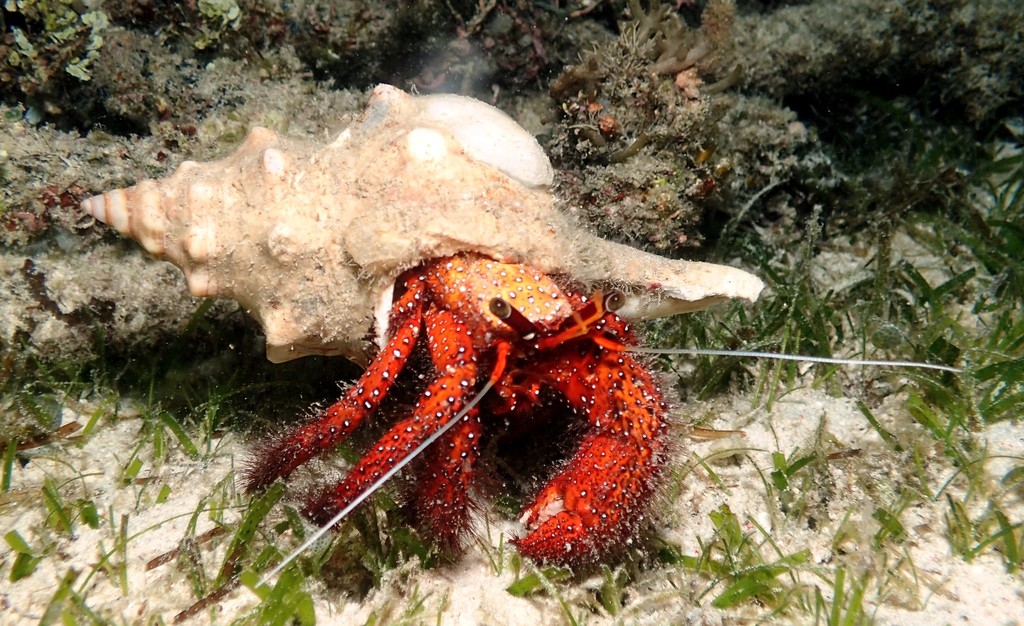
Hermit crabs (Dardanus spp.) are fascinating marine invertebrates known for their unique behavior of inhabiting discarded shells for protection. These crabs are part of the family Diogenidae and are often recognized by their vibrant colors and intriguing shell choices. They can adapt to various environments and play a significant role in the marine ecosystem by aiding in the decomposition process and nutrient cycling.
In terms of appearance, Dardanus species exhibit a range of colors from bright reds and oranges to muted browns, allowing them to blend in with their surroundings. Their bodies are soft and vulnerable, which is why they rely on empty shells for shelter. Unlike true crabs, hermit crabs have a curled abdomen that fits snugly into the shell, providing them with safety from predators. The size of the shell is crucial, as it must be large enough to accommodate their growth but not so large that it becomes cumbersome.
Behaviorally, hermit crabs are social creatures that often live in groups, engaging in complex interactions with one another. They are known to be quite active, scavenging for food and exploring their environment. This behavior not only makes them interesting to observe but also highlights their role as scavengers in the ecosystem, consuming detritus and leftover organic matter.
In their natural habitat, Dardanus species are typically found in shallow waters, often among coral reefs, rocky substrates, and sandy bottoms. They thrive in environments rich in biodiversity, where they can find an array of shells to occupy and food sources to forage from. Their adaptability to various habitats makes them a popular choice for aquarium enthusiasts seeking to replicate a vibrant marine ecosystem.
In terms of appearance, Dardanus species exhibit a range of colors from bright reds and oranges to muted browns, allowing them to blend in with their surroundings. Their bodies are soft and vulnerable, which is why they rely on empty shells for shelter. Unlike true crabs, hermit crabs have a curled abdomen that fits snugly into the shell, providing them with safety from predators. The size of the shell is crucial, as it must be large enough to accommodate their growth but not so large that it becomes cumbersome.
Behaviorally, hermit crabs are social creatures that often live in groups, engaging in complex interactions with one another. They are known to be quite active, scavenging for food and exploring their environment. This behavior not only makes them interesting to observe but also highlights their role as scavengers in the ecosystem, consuming detritus and leftover organic matter.
In their natural habitat, Dardanus species are typically found in shallow waters, often among coral reefs, rocky substrates, and sandy bottoms. They thrive in environments rich in biodiversity, where they can find an array of shells to occupy and food sources to forage from. Their adaptability to various habitats makes them a popular choice for aquarium enthusiasts seeking to replicate a vibrant marine ecosystem.
When caring for Dardanus hermit crabs, maintaining the right water parameters is crucial. Ideal salinity levels should be between 1.020 to 1.025 ppt, with temperatures ranging from 24°C to 28°C. The pH should be kept between 8.1 and 8.4 to mimic their natural marine environment. Providing a tank with a minimum size of 50 liters is recommended to allow ample space for movement and exploration.
Feeding hermit crabs is relatively straightforward; they are omnivores and require a varied diet that includes commercial pellets, algae, and occasional protein sources like shrimp or fish flakes. It’s important to provide a mix of food types to ensure a balanced diet. Compatibility with other marine species is generally good, but caution should be exercised with larger fish that may see them as prey.
Acclimation is crucial when introducing hermit crabs to a new environment. A slow drip acclimation method over several hours is recommended to minimize stress. Quarantine new arrivals for at least two weeks to monitor for any signs of disease before introducing them to the main tank. This practice helps maintain the health of your aquarium and prevents the spread of pathogens.
Feeding hermit crabs is relatively straightforward; they are omnivores and require a varied diet that includes commercial pellets, algae, and occasional protein sources like shrimp or fish flakes. It’s important to provide a mix of food types to ensure a balanced diet. Compatibility with other marine species is generally good, but caution should be exercised with larger fish that may see them as prey.
Acclimation is crucial when introducing hermit crabs to a new environment. A slow drip acclimation method over several hours is recommended to minimize stress. Quarantine new arrivals for at least two weeks to monitor for any signs of disease before introducing them to the main tank. This practice helps maintain the health of your aquarium and prevents the spread of pathogens.
Hermit crabs (Dardanus) are suitable for shipping, but care must be taken to ensure they are packed securely to prevent movement and stress. Recommended packing density is 5-10 crabs per liter of water. They are sensitive to temperature fluctuations; thus, maintaining a stable temperature around 25°C during transport is essential. As of now, there are no CITES restrictions on hermit crabs, making them easier to export.
Species Parameters
Max Adult Size
10.0 cm
Origin
Coral Triangle
Diet
omnivore
Temp Min
24.0 °C
Temp Max
28.0 °C
Salinity Min
1.020
Salinity Max
1.025
pH Min
8.10
pH Max
8.40
Min Tank
50 L