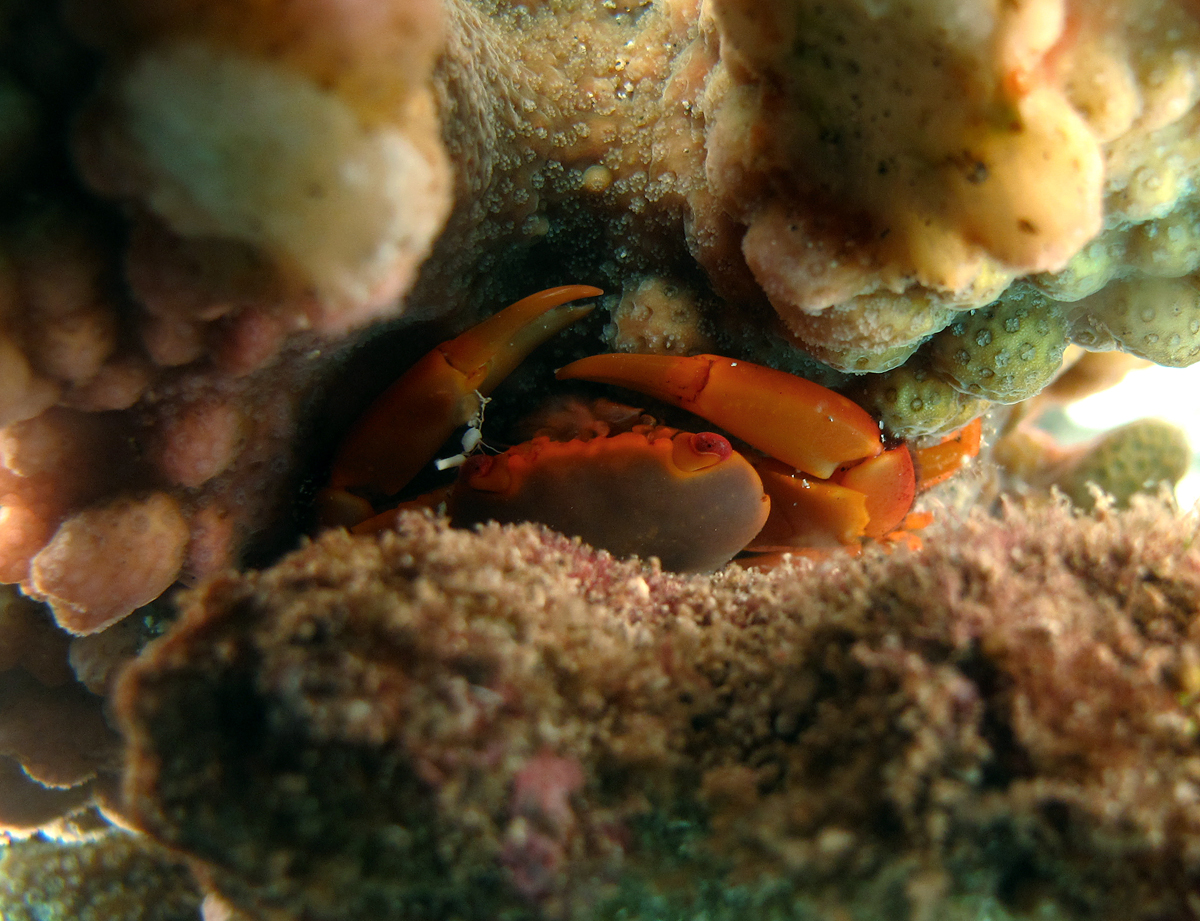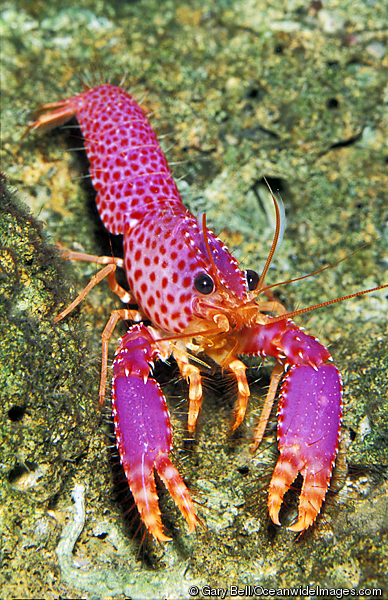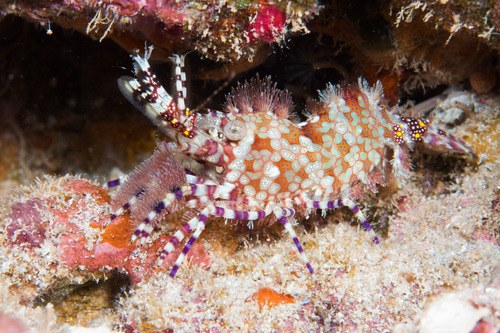
Horse Shrimp
Saron marmoratus
In Stock
Common stock
Wild Caught
Moderate care
With Caution
SKU: CB-MF-0441
Discover the vibrant Horse Shrimp, a unique addition to your marine collection.
Pricing for Verified Importers
Log in to see wholesale prices and order.
Export Size
up to 10.0 cm
Origin
Indo-Pacific
Temperature
24.0–28.0°C
Min. Tank Size
100 L
Salinity
20.000–25.000 ppt
pH
8.10–8.40
Diet
omnivore
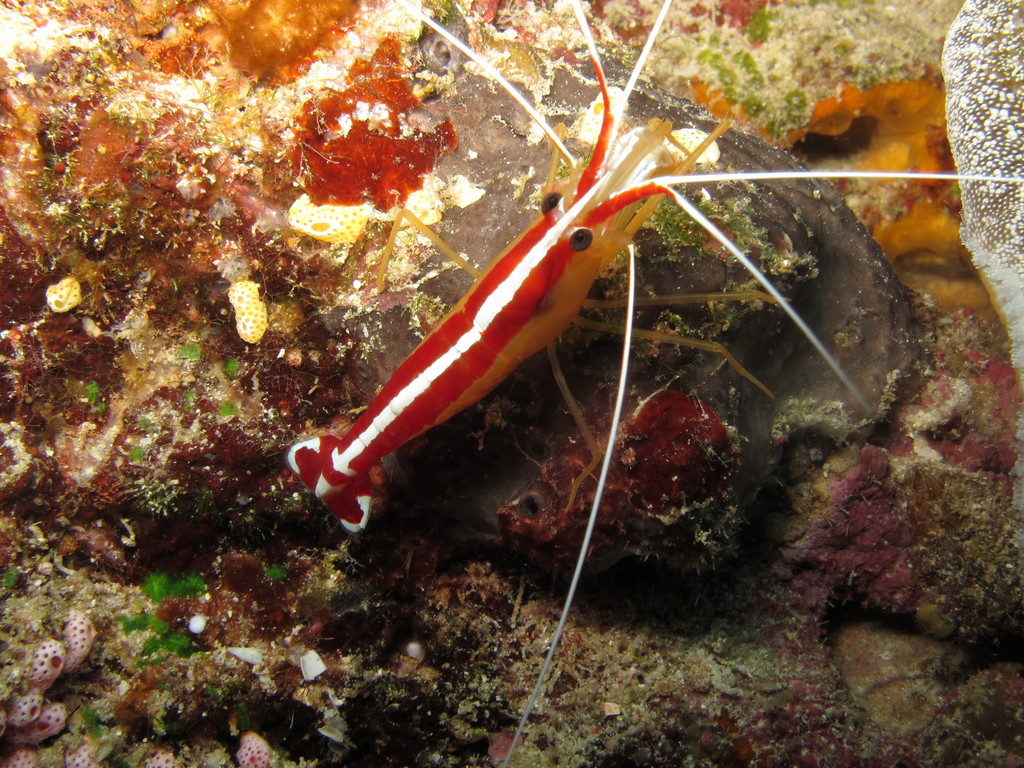
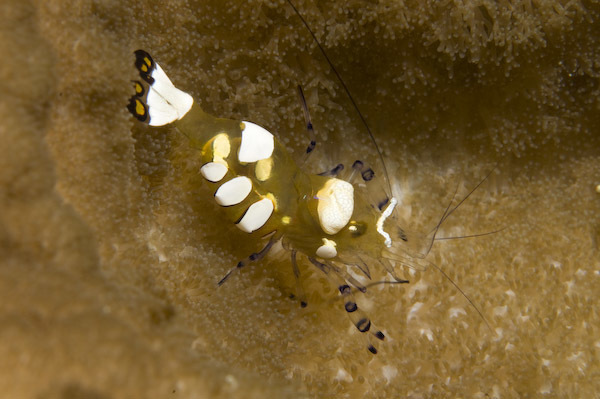
The Horse Shrimp, scientifically known as Saron marmoratus, is a captivating marine species found predominantly in the shallow waters of coral reefs across the Indo-Pacific region. This species is celebrated for its striking coloration and distinctive appearance, characterized by a mottled exoskeleton that provides excellent camouflage against the reef backdrop. The Horse Shrimp can exhibit a range of colors, from bright oranges and yellows to deep browns, making them a visually stunning addition to any aquarium setup.
In terms of behavior, Horse Shrimp are known for their social nature and can often be observed interacting with various reef inhabitants. They are opportunistic feeders, primarily scavenging detritus and small organic particles, which makes them beneficial for maintaining the ecological balance within their habitat. Their agile movements and curiosity often lead them to explore crevices and under rocks in search of food, showcasing their active lifestyle.
Habitat-wise, Horse Shrimp thrive in warm, shallow waters, typically at depths of 1 to 30 meters. They prefer environments rich in coral and diverse marine life, where they can find ample food sources and shelter from predators. These shrimp are essential to the health of their ecosystems, contributing to nutrient cycling and serving as prey for larger marine species. Their preference for specific habitats makes them an ideal candidate for aquarists interested in recreating a vibrant coral reef environment.
Given their unique characteristics and ecological importance, the Horse Shrimp is not only a delightful addition to marine aquariums but also serves as a reminder of the diverse life forms found in our oceans. Proper care and understanding of their needs are essential for maintaining their health and vitality in captivity.
In terms of behavior, Horse Shrimp are known for their social nature and can often be observed interacting with various reef inhabitants. They are opportunistic feeders, primarily scavenging detritus and small organic particles, which makes them beneficial for maintaining the ecological balance within their habitat. Their agile movements and curiosity often lead them to explore crevices and under rocks in search of food, showcasing their active lifestyle.
Habitat-wise, Horse Shrimp thrive in warm, shallow waters, typically at depths of 1 to 30 meters. They prefer environments rich in coral and diverse marine life, where they can find ample food sources and shelter from predators. These shrimp are essential to the health of their ecosystems, contributing to nutrient cycling and serving as prey for larger marine species. Their preference for specific habitats makes them an ideal candidate for aquarists interested in recreating a vibrant coral reef environment.
Given their unique characteristics and ecological importance, the Horse Shrimp is not only a delightful addition to marine aquariums but also serves as a reminder of the diverse life forms found in our oceans. Proper care and understanding of their needs are essential for maintaining their health and vitality in captivity.
To successfully care for Horse Shrimp, it is crucial to maintain stable water parameters. Ideal temperature ranges from 24°C to 28°C, with salinity between 1.020 and 1.025 ppt. pH levels should be kept between 8.1 and 8.4 to mimic their natural reef environment. A minimum tank size of 100 liters is recommended to provide adequate space for swimming and foraging.
Feeding Horse Shrimp requires a diet rich in protein. They thrive on high-quality marine pellets, frozen foods such as brine shrimp and mysis, and occasional offerings of blanched vegetables. It is vital to feed them small amounts several times a day to replicate their natural scavenging behavior.
In terms of compatibility, Horse Shrimp are generally peaceful but should be housed with similarly sized fish and invertebrates to avoid conflicts. They can coexist with a variety of reef-safe species but may show territorial behavior towards their own kind if space is limited. Acclimation should be done gradually, using a drip acclimation method to minimize stress. Quarantine new arrivals for at least two weeks to prevent the introduction of diseases into the main tank.
Feeding Horse Shrimp requires a diet rich in protein. They thrive on high-quality marine pellets, frozen foods such as brine shrimp and mysis, and occasional offerings of blanched vegetables. It is vital to feed them small amounts several times a day to replicate their natural scavenging behavior.
In terms of compatibility, Horse Shrimp are generally peaceful but should be housed with similarly sized fish and invertebrates to avoid conflicts. They can coexist with a variety of reef-safe species but may show territorial behavior towards their own kind if space is limited. Acclimation should be done gradually, using a drip acclimation method to minimize stress. Quarantine new arrivals for at least two weeks to prevent the introduction of diseases into the main tank.
Horse Shrimp are suitable for shipping under controlled conditions. It is recommended to pack them in insulated boxes with sufficient oxygen and water to minimize stress. Maintain shipping temperatures between 20°C and 25°C for optimal health during transit. Due to their ecological significance, ensure compliance with local regulations regarding CITES status, though Saron marmoratus is currently not listed under CITES restrictions.
Species Parameters
Max Adult Size
10.0 cm
Origin
Indo-Pacific
Diet
omnivore
Temp Min
24.0 °C
Temp Max
28.0 °C
Salinity Min
20.000
Salinity Max
25.000
pH Min
8.10
pH Max
8.40
Min Tank
100 L