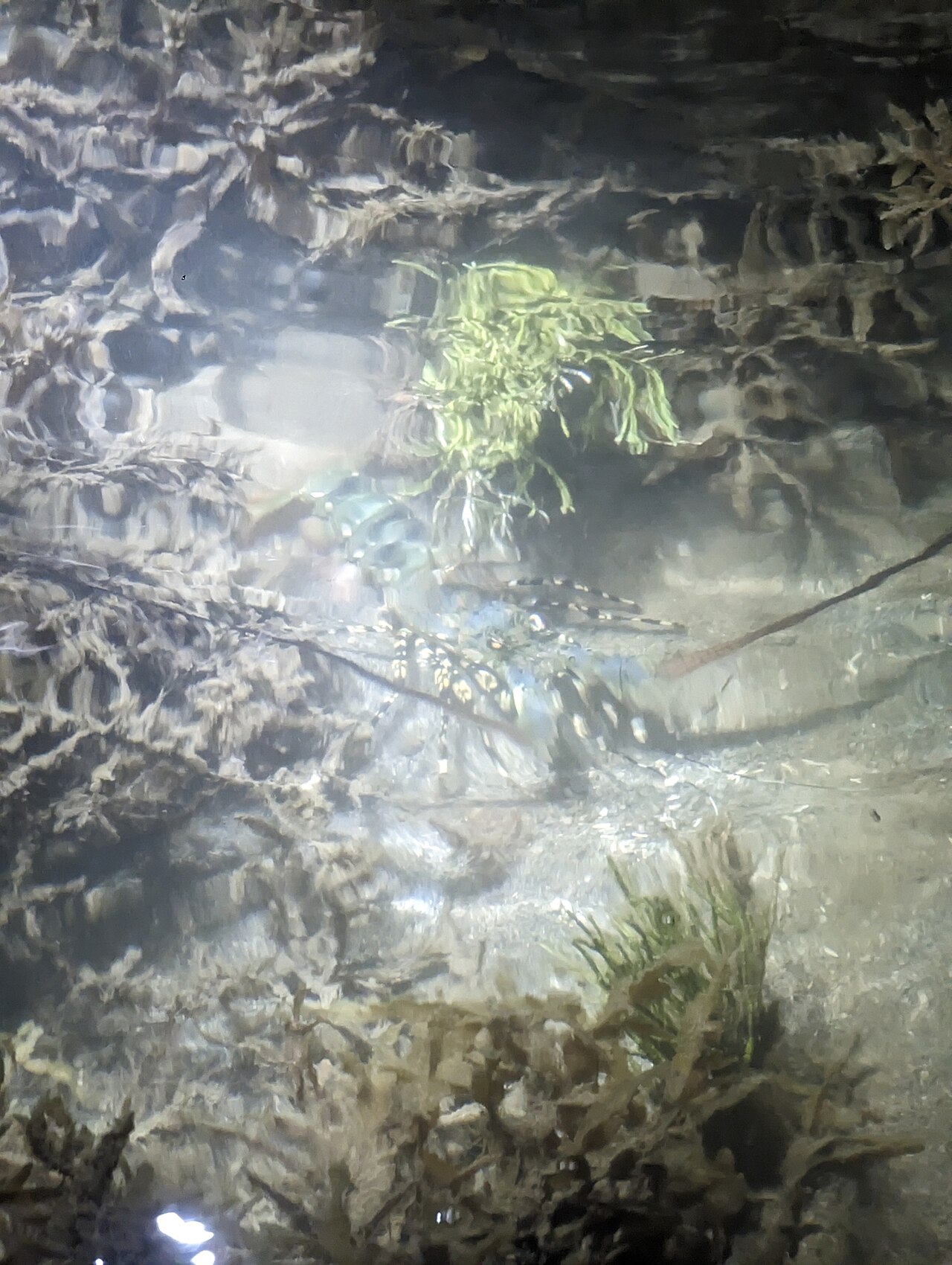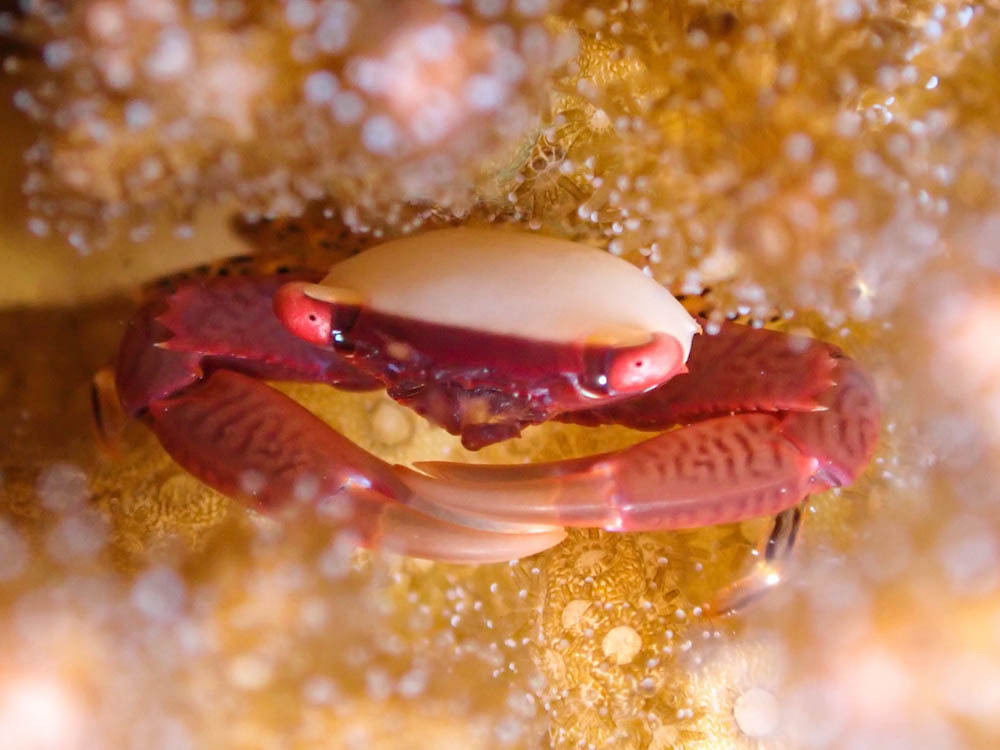
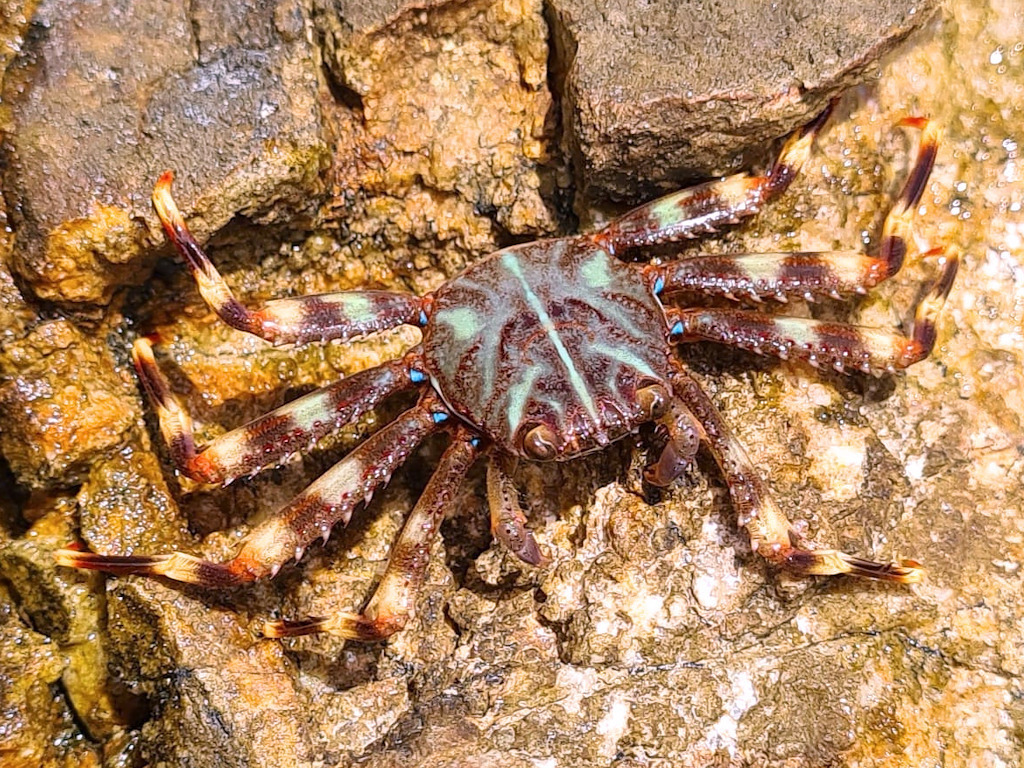
Sally Lightfoot Crab
percnon gibbesi crabs
In Stock
Common stock
Wild Caught
Moderate care
With Caution
SKU: ML-MF-0492
The Sally Lightfoot Crab is a vibrant and agile species, known for its striking colors and adaptability.
Pricing for Verified Importers
Log in to see wholesale prices and order.
Export Size
up to 10.0 cm
Origin
Indo-Pacific
Temperature
24.0–28.0°C
Min. Tank Size
100 L
Salinity
30.000–35.000 ppt
pH
8.10–8.40
Diet
omnivore
Sally Lightfoot Crabs (Percnon gibbesi) are fascinating marine crustaceans typically found along rocky shorelines in the tropical waters of the Indo-Pacific region. They are characterized by their striking coloration, featuring a mix of vibrant reds, oranges, and greens, which provides excellent camouflage against their natural rocky habitats. These crabs are relatively small, usually reaching a maximum size of around 10 cm. Their flattened bodies and long legs allow them to navigate swiftly over rocks and coral, making them agile climbers.
In terms of behavior, Sally Lightfoot Crabs are known for their lively and active nature. They are primarily herbivorous, feeding on algae, detritus, and small invertebrates. This omnivorous diet allows them to thrive in various environments, as they can adapt to the availability of food resources. Sally Lightfoot Crabs are often seen scuttling along the shoreline or perched on rocks, where they can be observed engaging in social interactions with other crabs. Their bold coloration is not only a feast for the eyes but also plays a role in communication and mating displays.
These crabs inhabit shallow coastal waters, typically in rocky intertidal zones, coral reefs, and mangrove areas. They thrive in environments with high salinity and stable temperatures, making them ideal for marine aquariums. Sally Lightfoot Crabs prefer a well-structured environment with plenty of hiding spots, such as crevices and overhangs, where they can retreat from predators and feel secure. Their natural habitat contributes to their resilience and adaptability, making them a popular choice among aquarium enthusiasts and importers alike.
Overall, the Sally Lightfoot Crab is a captivating species that not only adds color and activity to marine displays but also plays a vital ecological role in maintaining the health of their natural habitats.
In terms of behavior, Sally Lightfoot Crabs are known for their lively and active nature. They are primarily herbivorous, feeding on algae, detritus, and small invertebrates. This omnivorous diet allows them to thrive in various environments, as they can adapt to the availability of food resources. Sally Lightfoot Crabs are often seen scuttling along the shoreline or perched on rocks, where they can be observed engaging in social interactions with other crabs. Their bold coloration is not only a feast for the eyes but also plays a role in communication and mating displays.
These crabs inhabit shallow coastal waters, typically in rocky intertidal zones, coral reefs, and mangrove areas. They thrive in environments with high salinity and stable temperatures, making them ideal for marine aquariums. Sally Lightfoot Crabs prefer a well-structured environment with plenty of hiding spots, such as crevices and overhangs, where they can retreat from predators and feel secure. Their natural habitat contributes to their resilience and adaptability, making them a popular choice among aquarium enthusiasts and importers alike.
Overall, the Sally Lightfoot Crab is a captivating species that not only adds color and activity to marine displays but also plays a vital ecological role in maintaining the health of their natural habitats.
For importers and retailers, maintaining optimal water parameters is crucial for the health of Sally Lightfoot Crabs. Ideally, the water temperature should range between 24°C to 28°C, with a salinity level of 30-35 ppt. The pH should be maintained between 8.1 and 8.4 to replicate their natural environment. A minimum tank size of 100 liters is recommended to provide ample space for these crabs to explore and establish territories.
Feeding Sally Lightfoot Crabs is relatively straightforward, as they are omnivorous and will consume a variety of foods. A diet consisting of high-quality algae, marine pellets, and occasional protein sources such as brine shrimp or finely chopped seafood will ensure their nutritional needs are met. Regular feeding, about 2-3 times a week, is advisable to keep them healthy and vibrant.
In terms of compatibility, Sally Lightfoot Crabs generally coexist well with other small to medium-sized marine fish and invertebrates. However, caution should be exercised when introducing them to tank mates, as larger or aggressive species may pose a threat. Acclimation should be done gradually, allowing the crabs to adjust to new water conditions over several hours. Quarantine is recommended for new arrivals to prevent potential disease transmission to the main tank.
Feeding Sally Lightfoot Crabs is relatively straightforward, as they are omnivorous and will consume a variety of foods. A diet consisting of high-quality algae, marine pellets, and occasional protein sources such as brine shrimp or finely chopped seafood will ensure their nutritional needs are met. Regular feeding, about 2-3 times a week, is advisable to keep them healthy and vibrant.
In terms of compatibility, Sally Lightfoot Crabs generally coexist well with other small to medium-sized marine fish and invertebrates. However, caution should be exercised when introducing them to tank mates, as larger or aggressive species may pose a threat. Acclimation should be done gradually, allowing the crabs to adjust to new water conditions over several hours. Quarantine is recommended for new arrivals to prevent potential disease transmission to the main tank.
Sally Lightfoot Crabs are suitable for shipping, provided they are packed carefully to minimize stress during transit. Ideal packing density is 5-10 crabs per bag, ensuring adequate oxygen exchange. They are sensitive to temperature fluctuations; hence, maintaining a stable range of 24°C to 28°C during shipping is crucial. As a non-CITES species, they have fewer shipping restrictions, facilitating easier export processes.
Species Parameters
Max Adult Size
10.0 cm
Origin
Indo-Pacific
Diet
omnivore
Temp Min
24.0 °C
Temp Max
28.0 °C
Salinity Min
30.000
Salinity Max
35.000
pH Min
8.10
pH Max
8.40
Min Tank
100 L