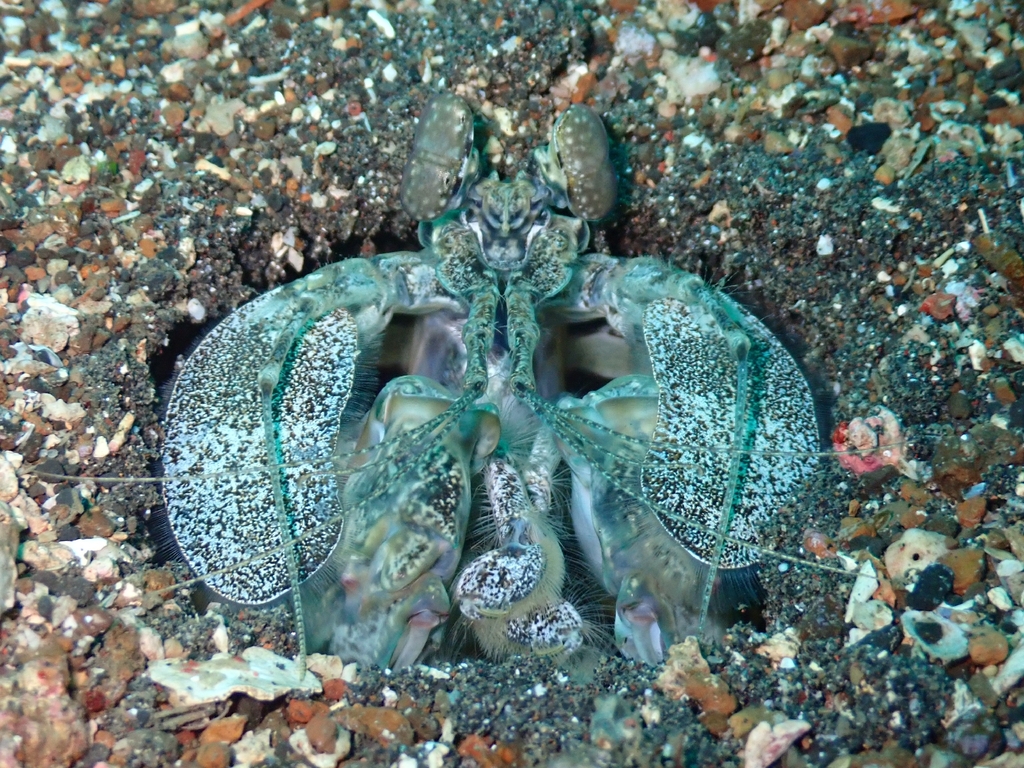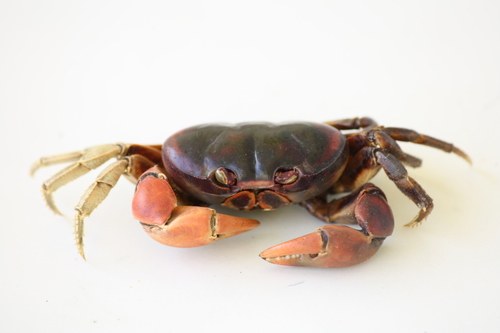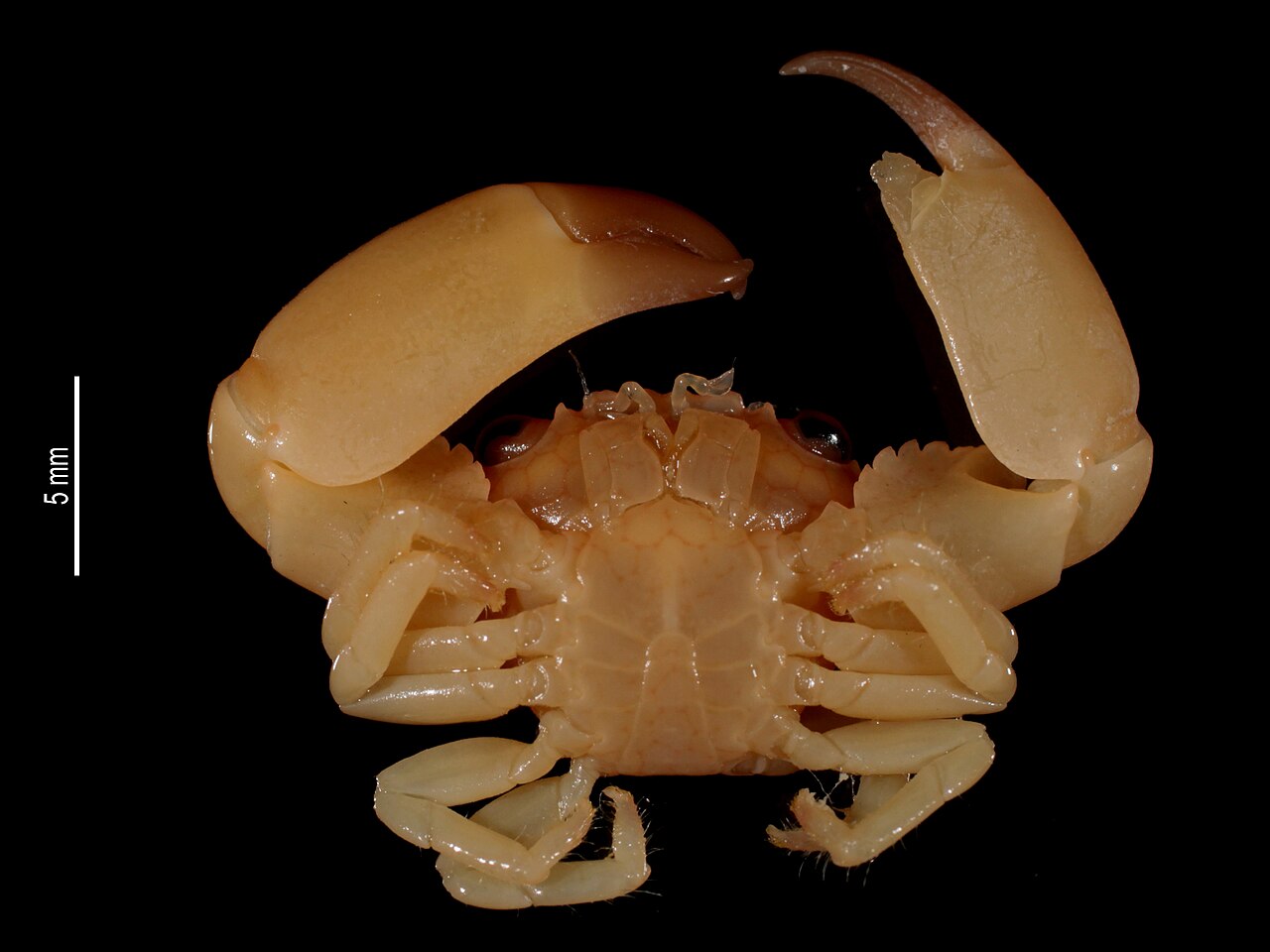
Tiny trapeziid crab
trapezia septata
In Stock
Common stock
Wild Caught
Moderate care
With Caution
SKU: ML-MF-0486
The tiny trapeziid crab (trapezia septata) is a vibrant symbiotic species, enhancing reef ecosystems.
Pricing for Verified Importers
Log in to see wholesale prices and order.
Export Size
up to 4.0 cm
Origin
Coral Triangle
Temperature
24.0–28.0°C
Min. Tank Size
50 L
Salinity
25.000–35.000 ppt
pH
8.10–8.40
Diet
omnivore
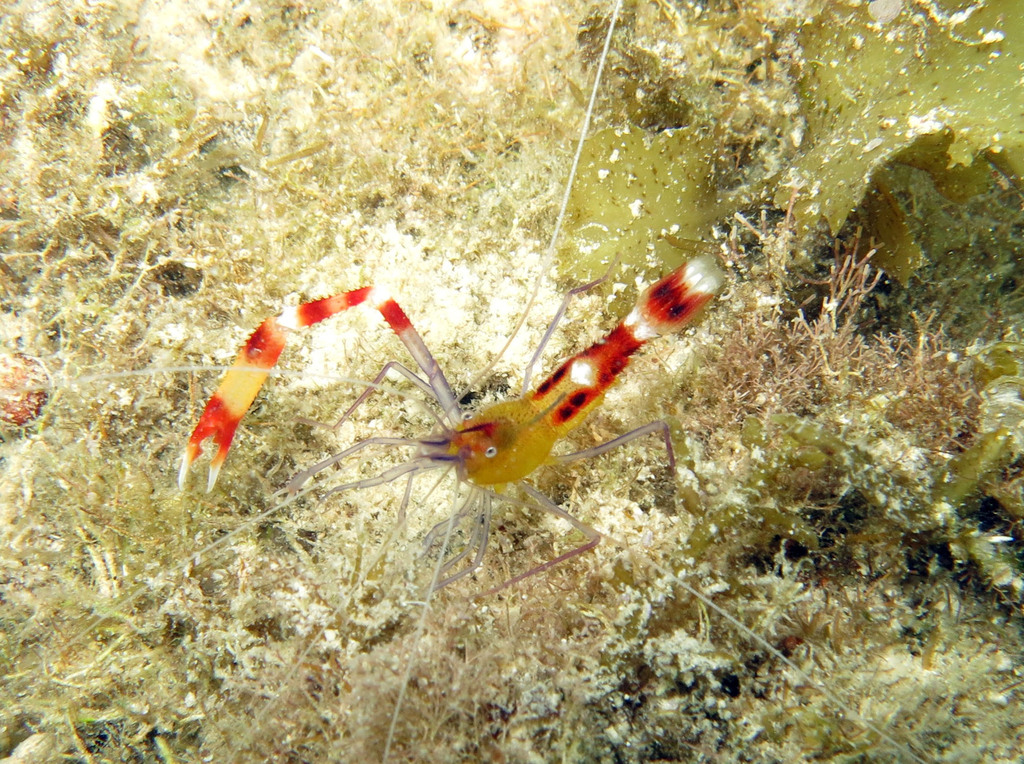
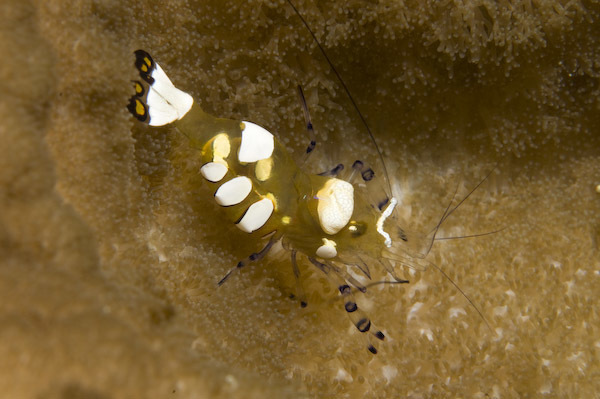
The tiny trapeziid crab, scientifically known as trapezia septata, is a small yet striking marine crustacean typically found in the coral reefs of the Coral Triangle. These crabs are characterized by their bright coloration, which can range from orange to yellow with intricate patterns that provide excellent camouflage among the corals. Adults typically reach a maximum size of about 4 cm, making them a delightful addition to any reef aquarium.
In terms of behavior, trapezia septata is predominantly a symbiotic species, often residing within the branches of certain corals, such as Acropora. This relationship is mutually beneficial, as the crabs help to protect the corals from predators like the crown-of-thorns starfish while receiving protection and food in return. Their agile movements and interesting interactions with the coral provide an engaging display for aquarium enthusiasts.
The natural habitat of the tiny trapeziid crab includes clear, shallow waters where coral reefs thrive. They are typically found at depths of up to 30 meters and are most abundant in areas with high coral cover. Their presence is an indicator of a healthy reef ecosystem, as they contribute to the overall biodiversity and stability of coral environments.
Overall, the tiny trapeziid crab is not only an aesthetically pleasing species but also plays a crucial role in maintaining coral health and resilience, making it a valuable addition to marine aquariums focused on biodiversity and conservation.
In terms of behavior, trapezia septata is predominantly a symbiotic species, often residing within the branches of certain corals, such as Acropora. This relationship is mutually beneficial, as the crabs help to protect the corals from predators like the crown-of-thorns starfish while receiving protection and food in return. Their agile movements and interesting interactions with the coral provide an engaging display for aquarium enthusiasts.
The natural habitat of the tiny trapeziid crab includes clear, shallow waters where coral reefs thrive. They are typically found at depths of up to 30 meters and are most abundant in areas with high coral cover. Their presence is an indicator of a healthy reef ecosystem, as they contribute to the overall biodiversity and stability of coral environments.
Overall, the tiny trapeziid crab is not only an aesthetically pleasing species but also plays a crucial role in maintaining coral health and resilience, making it a valuable addition to marine aquariums focused on biodiversity and conservation.
For importers and retailers, maintaining the tiny trapeziid crab requires specific water parameters to ensure their health and longevity. Ideal temperatures range between 24°C to 28°C, with a salinity of 25-35 ppt. The pH should be kept between 8.1 and 8.4 to mimic their natural habitat. A minimum tank size of 50 liters is recommended to provide ample space for movement and interaction with corals.
Feeding should consist of high-quality marine algae, small zooplankton, and specially formulated crab pellets to meet their dietary needs. Compatibility is generally positive, especially with other reef-safe species, but caution should be taken with larger, more aggressive fish that may view them as prey. Acclimation should be gradual; introducing them to the aquarium slowly over several hours is crucial to reduce stress.
Quarantine is also advised prior to adding them to the main display tank. A period of at least two weeks in a separate tank allows for observation and treatment of any potential health issues, ensuring they are healthy before joining the community. Proper care will help these vibrant crabs thrive in a captive environment.
Feeding should consist of high-quality marine algae, small zooplankton, and specially formulated crab pellets to meet their dietary needs. Compatibility is generally positive, especially with other reef-safe species, but caution should be taken with larger, more aggressive fish that may view them as prey. Acclimation should be gradual; introducing them to the aquarium slowly over several hours is crucial to reduce stress.
Quarantine is also advised prior to adding them to the main display tank. A period of at least two weeks in a separate tank allows for observation and treatment of any potential health issues, ensuring they are healthy before joining the community. Proper care will help these vibrant crabs thrive in a captive environment.
The tiny trapeziid crab is suitable for shipping, provided that they are packed securely to minimize movement. Optimal packing density should allow for ample oxygen and space to move, which reduces stress during transit. These crabs are sensitive to temperature fluctuations, so maintaining a stable environment between 24°C and 28°C during shipping is essential. They are not listed under CITES, simplifying the export process.
Species Parameters
Max Adult Size
4.0 cm
Origin
Coral Triangle
Diet
omnivore
Temp Min
24.0 °C
Temp Max
28.0 °C
Salinity Min
25.000
Salinity Max
35.000
pH Min
8.10
pH Max
8.40
Min Tank
50 L