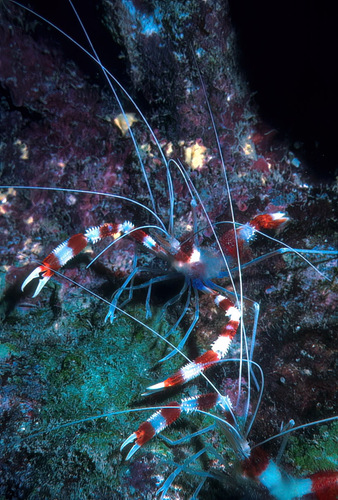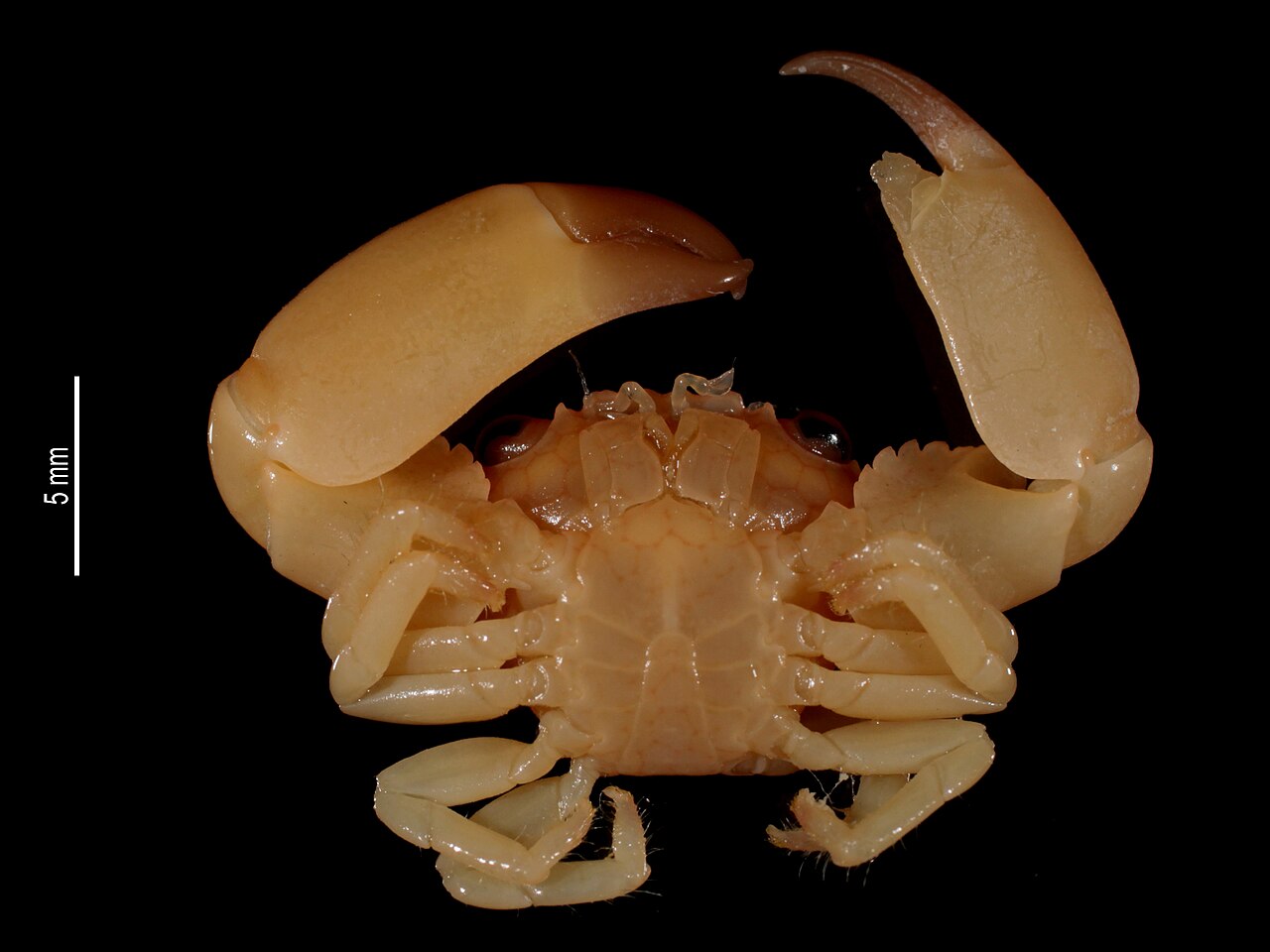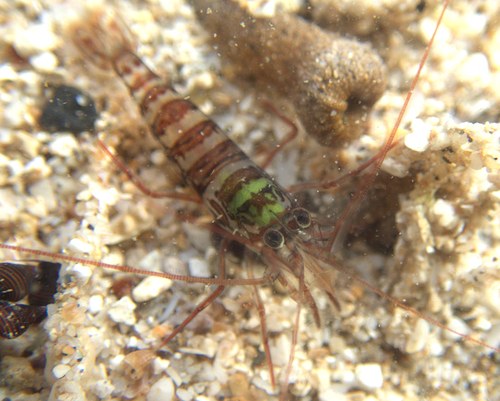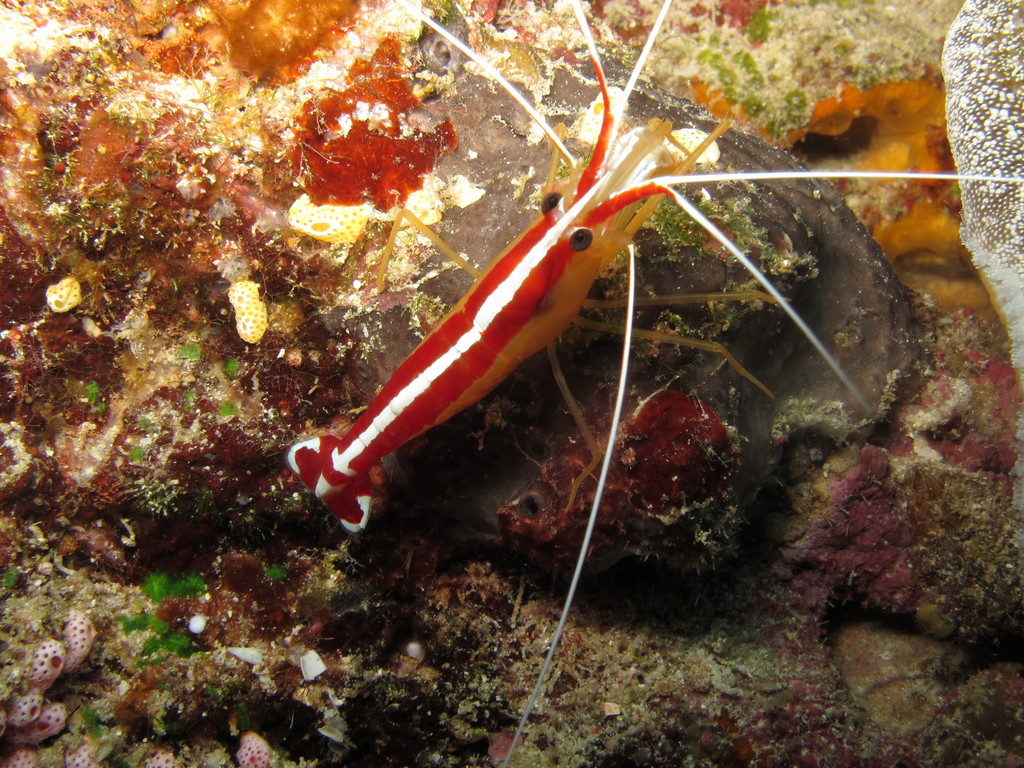
Spotted-leg Guard Crabs
trapezia guttata
In Stock
Common stock
Wild Caught
Moderate care
With Caution
SKU: ML-MF-0485
Discover the unique Spotted-leg Guard Crab, a vibrant inhabitant of coral reefs.
Pricing for Verified Importers
Log in to see wholesale prices and order.
Export Size
up to 6.0 cm
Origin
Coral Triangle
Temperature
24.0–28.0°C
Min. Tank Size
100 L
Salinity
30.000–35.000 ppt
pH
8.10–8.40
Diet
omnivore
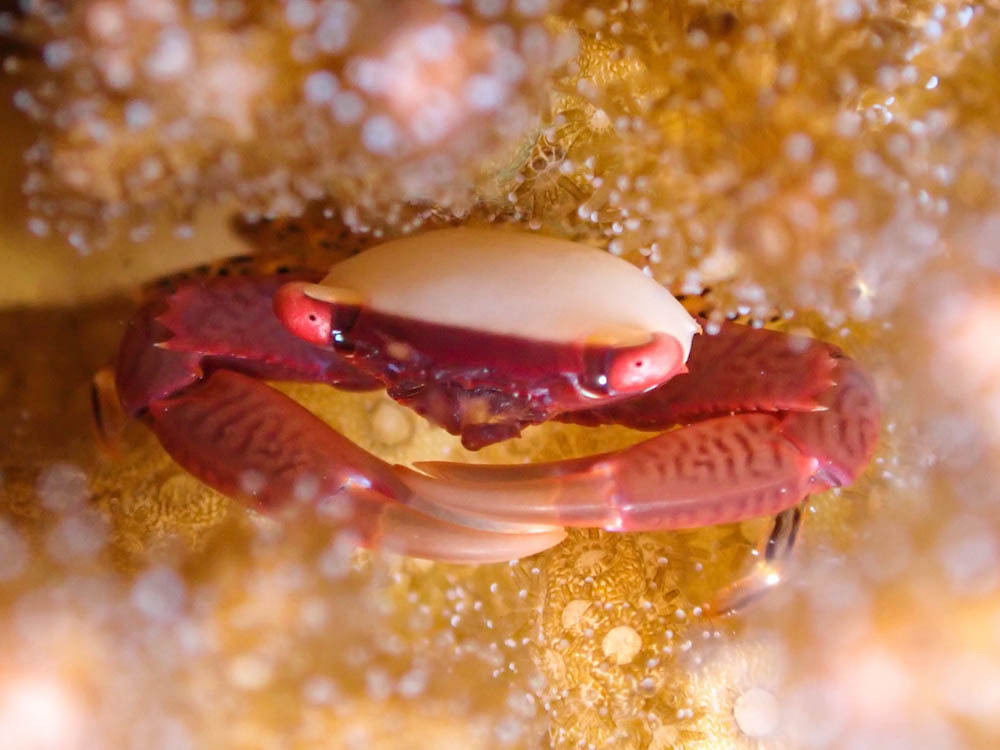
The Spotted-leg Guard Crab (Trapezia guttata) is a remarkable marine species known for its striking coloration and symbiotic relationships with coral. This crab exhibits a distinctive appearance with a bright yellow or orange body adorned with dark spots, making it a visually appealing addition to any marine aquarium. Its flattened body and long legs allow it to navigate the intricate structures of coral reefs efficiently.
In the wild, Spotted-leg Guard Crabs are primarily found in the Coral Triangle, where they inhabit shallow waters and live in symbiosis with various coral species. They play a vital role in the reef ecosystem by defending their host corals from predators and competing organisms, thus contributing to the overall health and resilience of coral communities. Their behavior is characterized by quick movements and a tendency to retreat into crevices when threatened.
Spotted-leg Guard Crabs are primarily diurnal, foraging during the day for small organisms and algae. They utilize their strong pincers to feed on detritus and small invertebrates, showcasing their omnivorous diet. These crabs are not only fascinating to observe but also serve as an important part of the marine food web, supporting larger predators in their environment.
The vibrant colors and unique behaviors of the Spotted-leg Guard Crab make it a prized species among aquarium enthusiasts and professionals alike. Their ecological significance and captivating presence highlight the importance of preserving coral reef habitats worldwide.
In the wild, Spotted-leg Guard Crabs are primarily found in the Coral Triangle, where they inhabit shallow waters and live in symbiosis with various coral species. They play a vital role in the reef ecosystem by defending their host corals from predators and competing organisms, thus contributing to the overall health and resilience of coral communities. Their behavior is characterized by quick movements and a tendency to retreat into crevices when threatened.
Spotted-leg Guard Crabs are primarily diurnal, foraging during the day for small organisms and algae. They utilize their strong pincers to feed on detritus and small invertebrates, showcasing their omnivorous diet. These crabs are not only fascinating to observe but also serve as an important part of the marine food web, supporting larger predators in their environment.
The vibrant colors and unique behaviors of the Spotted-leg Guard Crab make it a prized species among aquarium enthusiasts and professionals alike. Their ecological significance and captivating presence highlight the importance of preserving coral reef habitats worldwide.
When considering Spotted-leg Guard Crabs for your aquarium, it is essential to replicate their natural habitat as closely as possible. These crabs thrive in water temperatures ranging from 24°C to 28°C and require a salinity level of 30-35 ppt. The pH should be maintained between 8.1 and 8.4 to ensure optimal health. A minimum tank size of 100 liters is recommended to provide ample space for movement and foraging.
Feeding Spotted-leg Guard Crabs can be accomplished with a varied diet that includes high-quality commercial crab pellets, finely chopped marine foods, and algae. They are known to graze on algae that grow on live rocks and corals, so providing a well-established reef environment is beneficial. Compatibility with other species is generally good, but care should be taken to avoid aggressive tankmates that may threaten them.
Acclimation is crucial for the health of Spotted-leg Guard Crabs. Gradual acclimatization to new water conditions is recommended, ideally over a period of several hours. Quarantine procedures should also be implemented to prevent the introduction of pathogens to your main tank, ensuring a healthy environment for all inhabitants.
Feeding Spotted-leg Guard Crabs can be accomplished with a varied diet that includes high-quality commercial crab pellets, finely chopped marine foods, and algae. They are known to graze on algae that grow on live rocks and corals, so providing a well-established reef environment is beneficial. Compatibility with other species is generally good, but care should be taken to avoid aggressive tankmates that may threaten them.
Acclimation is crucial for the health of Spotted-leg Guard Crabs. Gradual acclimatization to new water conditions is recommended, ideally over a period of several hours. Quarantine procedures should also be implemented to prevent the introduction of pathogens to your main tank, ensuring a healthy environment for all inhabitants.
Spotted-leg Guard Crabs are suitable for shipping due to their hardy nature. They should be packed with sufficient water and oxygen to ensure their well-being during transit. A packing density of 1-2 crabs per liter is recommended to minimize stress. Temperature sensitivity is moderate; maintaining a stable temperature around 25°C during shipping is essential. This species is not listed under CITES, making it easier for export.
Species Parameters
Max Adult Size
6.0 cm
Origin
Coral Triangle
Diet
omnivore
Temp Min
24.0 °C
Temp Max
28.0 °C
Salinity Min
30.000
Salinity Max
35.000
pH Min
8.10
pH Max
8.40
Min Tank
100 L