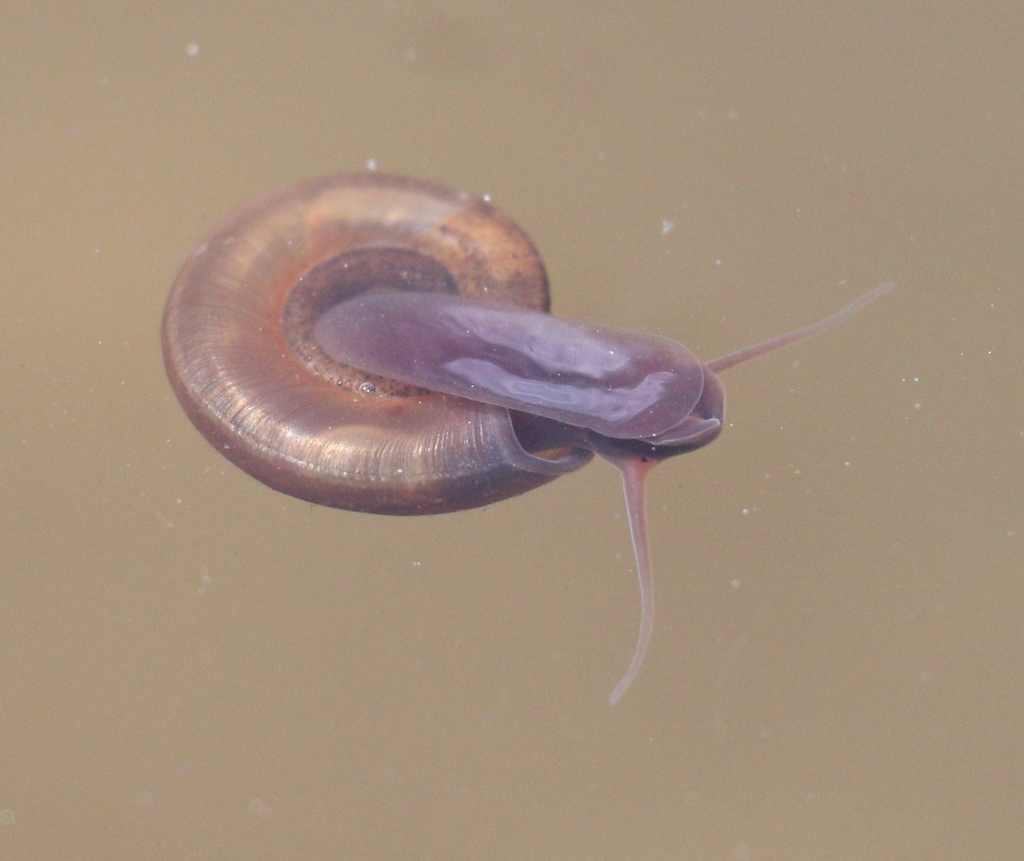
Algae Snail
planorbis spp
In Stock
Common stock
Wild Caught
Moderate care
With Caution
SKU: ML-MF-0564
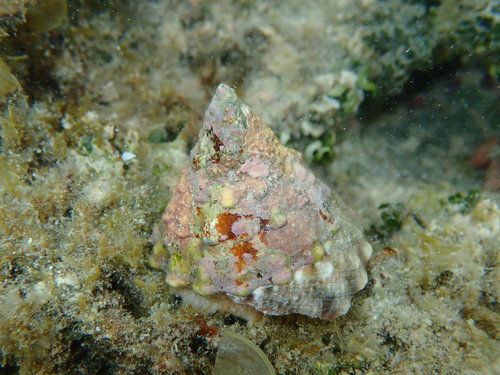
The Algae Snail (planorbis spp) is a unique marine organism known for its algae-eating capabilities.
Pricing for Verified Importers
Log in to see wholesale prices and order.
Export Size
up to 5.0 cm
Origin
Coral Triangle
Temperature
22.0–28.0°C
Min. Tank Size
50 L
Salinity
1.020–1.025 ppt
pH
7.50–8.50
Diet
herbivore
The Algae Snail, belonging to the planorbis species, is a fascinating marine gastropod that plays a crucial role in maintaining the health of its aquatic ecosystem. These snails are characterized by their distinctive, coiled shells, which can vary in color from olive green to brown, providing excellent camouflage among algae and underwater vegetation. Their soft bodies are typically a translucent gray, allowing them to blend seamlessly with their surroundings. This adaptability makes them a valuable addition to any marine aquarium.
In terms of behavior, Algae Snails are generally peaceful creatures, thriving in social environments. They are primarily herbivorous, feeding on algae and detritus, which helps control algal blooms in aquariums. These snails are also known for their unique reproductive strategy; they can reproduce both sexually and asexually, ensuring their populations can thrive in various conditions. In their natural habitat, they are often found in shallow waters, where they graze on algae-covered rocks and submerged plants.
Algae Snails prefer environments with plenty of hiding spots and stable water conditions. They are commonly found in the Coral Triangle region, where the combination of warm temperatures and abundant food sources supports their growth. In aquaculture settings, these snails contribute to ecosystem balance by cleaning up excess algae and organic matter, making them a favorite among aquarium enthusiasts and professionals alike.
Overall, the Algae Snail is not just an attractive addition to marine displays but also an essential component of a healthy aquarium ecosystem, making them invaluable for both importers and retailers.
In terms of behavior, Algae Snails are generally peaceful creatures, thriving in social environments. They are primarily herbivorous, feeding on algae and detritus, which helps control algal blooms in aquariums. These snails are also known for their unique reproductive strategy; they can reproduce both sexually and asexually, ensuring their populations can thrive in various conditions. In their natural habitat, they are often found in shallow waters, where they graze on algae-covered rocks and submerged plants.
Algae Snails prefer environments with plenty of hiding spots and stable water conditions. They are commonly found in the Coral Triangle region, where the combination of warm temperatures and abundant food sources supports their growth. In aquaculture settings, these snails contribute to ecosystem balance by cleaning up excess algae and organic matter, making them a favorite among aquarium enthusiasts and professionals alike.
Overall, the Algae Snail is not just an attractive addition to marine displays but also an essential component of a healthy aquarium ecosystem, making them invaluable for both importers and retailers.
To maintain Algae Snails in an aquarium, it is crucial to establish stable water parameters. Ideal temperatures range from 22°C to 28°C, with a pH level between 7.5 and 8.5. These snails thrive in slightly brackish conditions, with salinity levels ideally around 1.020 to 1.025 ppt. A minimum tank size of 50 liters is recommended to provide sufficient space for grazing and social interaction.
Feeding Algae Snails is relatively straightforward; they primarily consume algae, but providing supplemental foods such as spirulina flakes or blanched vegetables can enhance their diet. It is essential to ensure that they have access to adequate food sources to prevent malnutrition. Compatibility with other marine species is favorable, as they are generally peaceful and can coexist with various fish and invertebrates.
When introducing Algae Snails to a new environment, acclimation is crucial. Gradually introduce them to the tank by slowly mixing tank water with the water they were shipped in over a period of several hours. Quarantine is also recommended to prevent potential disease transmission. Regular water changes and monitoring of water quality will help maintain a healthy environment for these beneficial snails.
Feeding Algae Snails is relatively straightforward; they primarily consume algae, but providing supplemental foods such as spirulina flakes or blanched vegetables can enhance their diet. It is essential to ensure that they have access to adequate food sources to prevent malnutrition. Compatibility with other marine species is favorable, as they are generally peaceful and can coexist with various fish and invertebrates.
When introducing Algae Snails to a new environment, acclimation is crucial. Gradually introduce them to the tank by slowly mixing tank water with the water they were shipped in over a period of several hours. Quarantine is also recommended to prevent potential disease transmission. Regular water changes and monitoring of water quality will help maintain a healthy environment for these beneficial snails.
Algae Snails are suitable for shipping due to their hardy nature. They should be packed carefully with adequate water to minimize stress and maintain moisture. The recommended packing density is 5-10 snails per liter to ensure they have enough space. These snails are moderately temperature-sensitive; maintaining a stable temperature between 20°C and 25°C during transit is essential. Currently, there are no CITES restrictions on this species, allowing for smooth export and wholesale processes.
Species Parameters
Max Adult Size
5.0 cm
Origin
Coral Triangle
Diet
herbivore
Temp Min
22.0 °C
Temp Max
28.0 °C
Salinity Min
1.020
Salinity Max
1.025
pH Min
7.50
pH Max
8.50
Min Tank
50 L