Blue-Spotted Sea Hare
Bursatella Leachi
In Stock
Common stock
Wild Caught
Moderate care
SKU: CB-SC-0140
Discover the vibrant Blue-Spotted Sea Hare, a unique invertebrate from Bali.
Pricing for Verified Importers
Log in to see wholesale prices and order.
Export Size
up to 15.0 cm
Origin
Coral Triangle
Temperature
24.0–28.0°C
Min. Tank Size
100 L
pH
7.50–8.50
Diet
herbivore
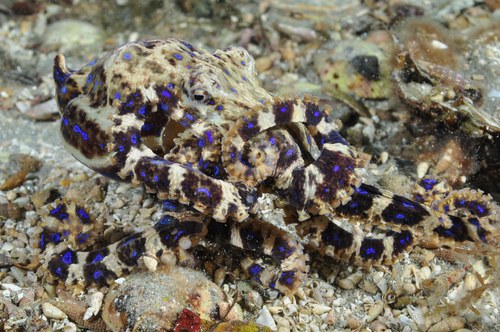
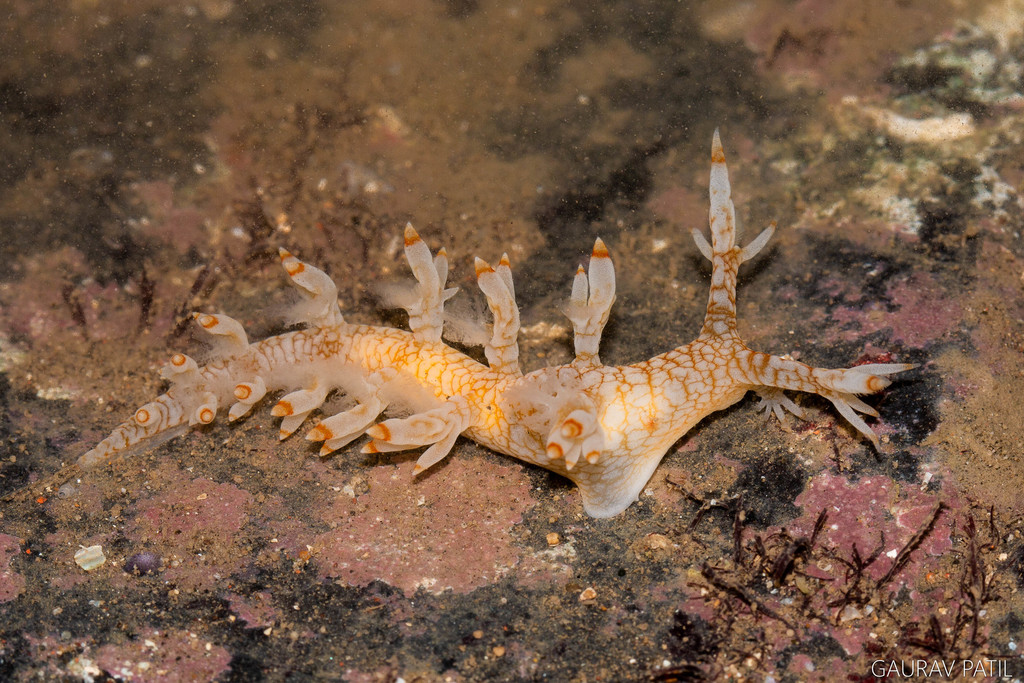
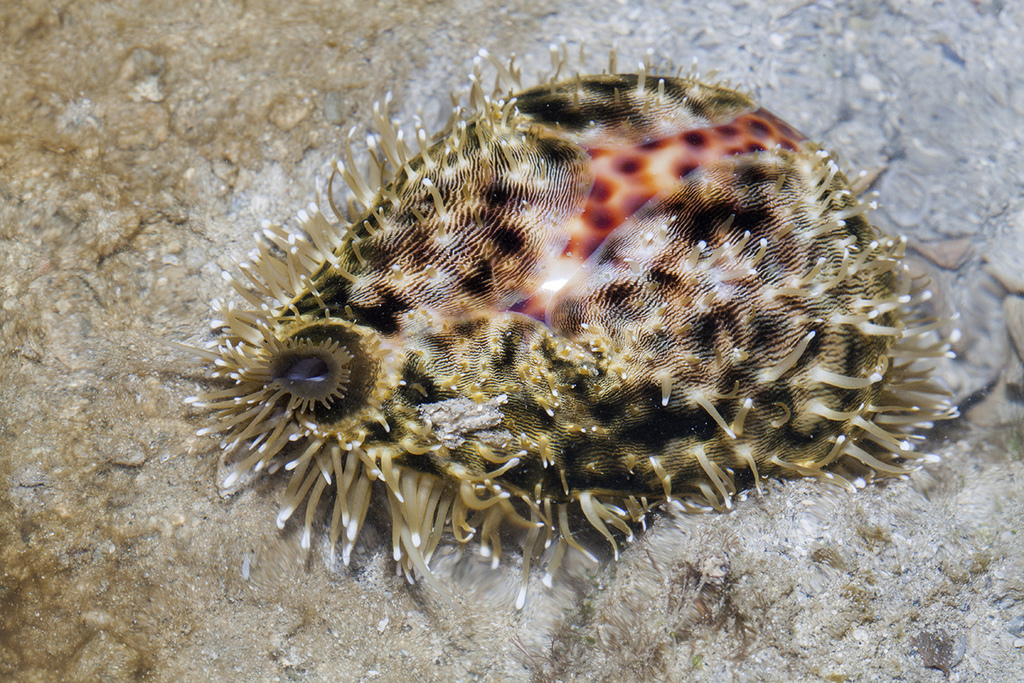
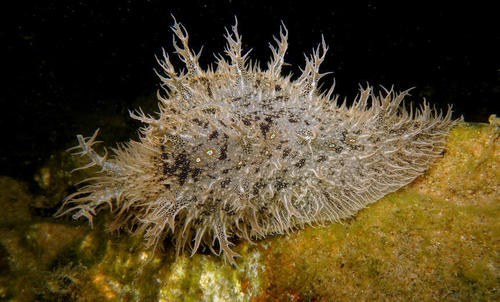
The Blue-Spotted Sea Hare (Bursatella leachi) is a fascinating marine invertebrate known for its vibrant coloration and distinctive appearance. This species features a soft, elongated body adorned with striking blue spots, which serve as a warning to potential predators about its toxicity. The Blue-Spotted Sea Hare can grow up to 15 cm in length, making it a notable addition to any marine aquarium. Its unique morphology includes large, ear-like parapodia that are used for swimming and maneuvering through the water, giving it a graceful presence in its natural habitat.
In the wild, Blue-Spotted Sea Hares inhabit shallow coastal waters, often found in seagrass beds and among algae-rich environments. They thrive in warm waters with ample food sources, primarily grazing on algae and detritus on the seafloor. Their diet plays a crucial role in their health and vitality, as they rely on the nutrients found in these natural food sources. Interestingly, the Blue-Spotted Sea Hare is known for its ability to release a purple ink when threatened, a defense mechanism that can deter potential predators and provide an escape opportunity.
Behaviorally, these invertebrates are generally slow-moving and tend to be solitary, although they can sometimes be found in small groups where food is abundant. Their active foraging behavior can be observed during the day, especially in areas with dense algae cover. The Blue-Spotted Sea Hare is not only an important part of the ecosystem but also a captivating specimen for aquarium enthusiasts, adding both color and intrigue to underwater displays.
As a species, the Blue-Spotted Sea Hare is relatively hardy, making it suitable for experienced aquarists. However, its unique dietary needs and specific habitat requirements must be met to ensure optimal health and longevity in an aquarium setting. With proper care, these invertebrates can thrive in a controlled environment, showcasing their beauty and fascinating behaviors.
In the wild, Blue-Spotted Sea Hares inhabit shallow coastal waters, often found in seagrass beds and among algae-rich environments. They thrive in warm waters with ample food sources, primarily grazing on algae and detritus on the seafloor. Their diet plays a crucial role in their health and vitality, as they rely on the nutrients found in these natural food sources. Interestingly, the Blue-Spotted Sea Hare is known for its ability to release a purple ink when threatened, a defense mechanism that can deter potential predators and provide an escape opportunity.
Behaviorally, these invertebrates are generally slow-moving and tend to be solitary, although they can sometimes be found in small groups where food is abundant. Their active foraging behavior can be observed during the day, especially in areas with dense algae cover. The Blue-Spotted Sea Hare is not only an important part of the ecosystem but also a captivating specimen for aquarium enthusiasts, adding both color and intrigue to underwater displays.
As a species, the Blue-Spotted Sea Hare is relatively hardy, making it suitable for experienced aquarists. However, its unique dietary needs and specific habitat requirements must be met to ensure optimal health and longevity in an aquarium setting. With proper care, these invertebrates can thrive in a controlled environment, showcasing their beauty and fascinating behaviors.
When caring for the Blue-Spotted Sea Hare, maintaining appropriate water parameters is essential. Ideal temperature ranges from 24°C to 28°C, with a pH level between 7.5 and 8.5. The species thrives in well-aerated water, so ensure sufficient filtration and water movement. Although primarily herbivorous, they require a diet rich in algae, particularly green and brown algae, which can be supplemented with high-quality seaweed and algae pellets.
Compatibility is generally good with other peaceful marine species, but caution should be taken with aggressive fish that may harass or injure the Sea Hare. Acclimation should be done slowly to minimize stress; consider drip acclimation methods for best results. Quarantine for at least two weeks is recommended for new arrivals to prevent the introduction of potential pathogens to your main tank.
Regular monitoring of water quality and feeding habits is crucial, as Blue-Spotted Sea Hares are sensitive to changes in their environment. Providing ample hiding spots and algae growth will not only enhance their wellbeing but also promote natural behavior, making the aquarium a more vibrant ecosystem.
Compatibility is generally good with other peaceful marine species, but caution should be taken with aggressive fish that may harass or injure the Sea Hare. Acclimation should be done slowly to minimize stress; consider drip acclimation methods for best results. Quarantine for at least two weeks is recommended for new arrivals to prevent the introduction of potential pathogens to your main tank.
Regular monitoring of water quality and feeding habits is crucial, as Blue-Spotted Sea Hares are sensitive to changes in their environment. Providing ample hiding spots and algae growth will not only enhance their wellbeing but also promote natural behavior, making the aquarium a more vibrant ecosystem.
The Blue-Spotted Sea Hare is best shipped in insulated containers with adequate water volume to minimize stress during transit. Packing density should be moderate to ensure they have enough space to move without getting injured. Temperature during shipping should be maintained between 24°C and 26°C, as they are sensitive to extreme temperature fluctuations. This species is not listed under CITES, simplifying shipping regulations.
Species Parameters
Max Adult Size
15.0 cm
Origin
Coral Triangle
Diet
herbivore
Temp Min
24.0 °C
Temp Max
28.0 °C
pH Min
7.50
pH Max
8.50
Min Tank
100 L