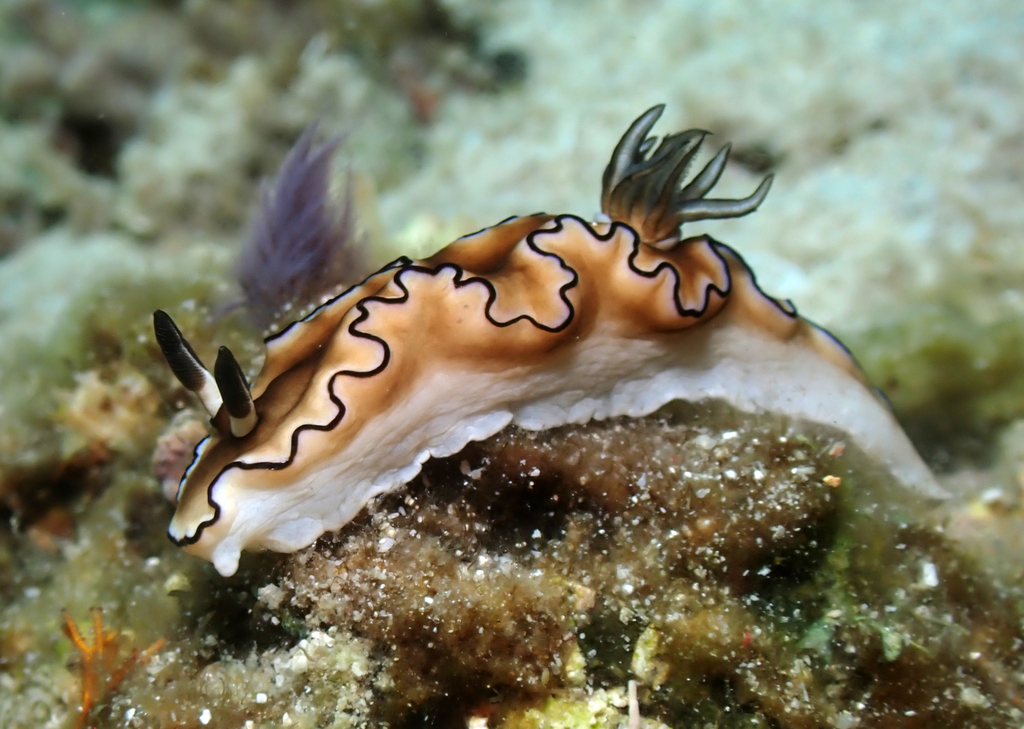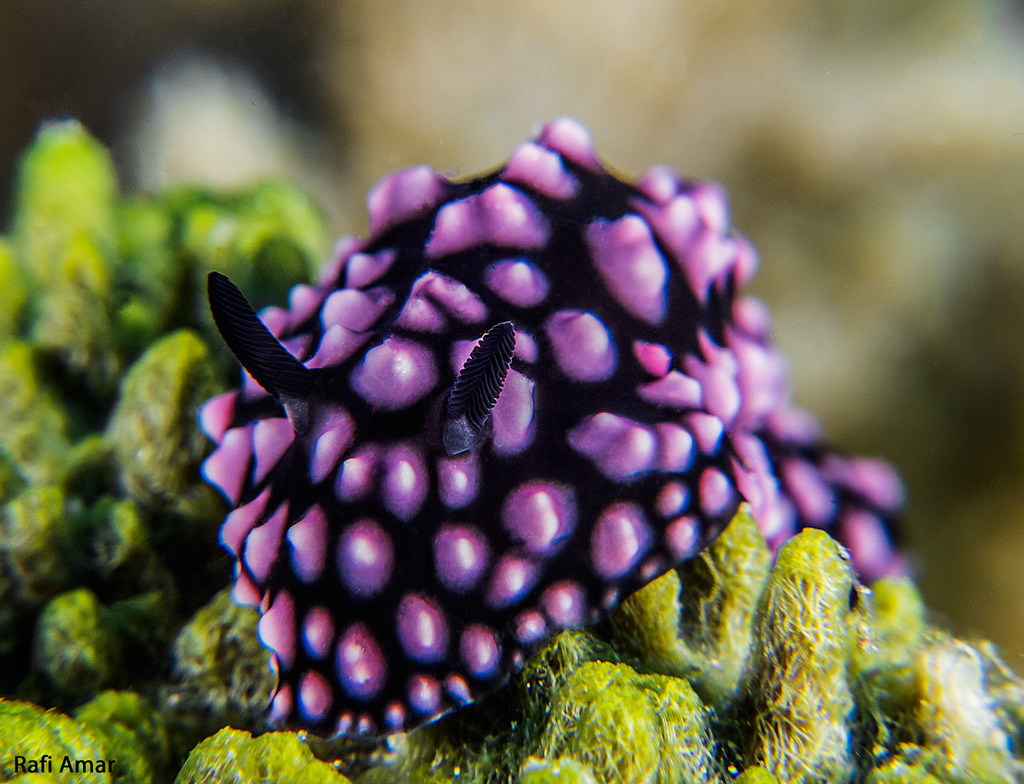
Brown corn slugs
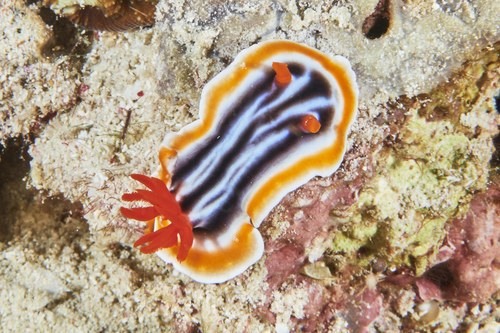
phyllidiella pustulosa
In Stock
Common stock
Wild Caught
Moderate care
With Caution
SKU: ML-MF-0523
Discover the vibrant Brown corn slugs, a unique marine species from Bali known for their striking appearance.
Pricing for Verified Importers
Log in to see wholesale prices and order.
Export Size
up to 10.0 cm
Origin
Coral Triangle
Temperature
24.0–28.0°C
Min. Tank Size
100 L
Salinity
30.000–35.000 ppt
pH
7.80–8.50
Diet
herbivore
The Brown corn slug, scientifically known as Phyllidiella pustulosa, is a fascinating sea slug that captivates aquarists with its vivid coloration and intriguing patterns. This marine gastropod is distinguished by its rough, textured body covered in small, rounded tubercles that resemble corn kernels, giving it a striking appearance that stands out among other marine invertebrates. Typically found in warm, shallow waters of the Coral Triangle, these slugs thrive in diverse reef ecosystems where they can be easily observed by divers and snorkelers.
In terms of natural history, Brown corn slugs are part of the Nudibranchia class and are known for their striking coloration, which serves as a warning to potential predators about their unpalatable nature. They feed primarily on sponge species, utilizing their specialized radula to scrape off their food. This unique feeding behavior not only plays a crucial role in their survival but also contributes to the health of the reef ecosystem by controlling sponge populations.
Behaviorally, Brown corn slugs are relatively docile creatures, often seen crawling over the substrate or clinging to vertical surfaces on the reef. They exhibit a fascinating display of colors, which can vary depending on their environment and diet. Their habitat typically consists of rocky substrates and coral reefs, where they can find abundant food sources and shelter from predators. These slugs are also known to engage in various defensive behaviors, including retracting into their bodies and releasing a cloud of ink to deter threats.
Overall, the Brown corn slug is a remarkable species that not only adds beauty to any marine aquarium but also serves as an important component of the reef ecosystem. Their presence in the tank can educate aquarists about the delicate balance of marine life and the role of invertebrates in coral reef health.
In terms of natural history, Brown corn slugs are part of the Nudibranchia class and are known for their striking coloration, which serves as a warning to potential predators about their unpalatable nature. They feed primarily on sponge species, utilizing their specialized radula to scrape off their food. This unique feeding behavior not only plays a crucial role in their survival but also contributes to the health of the reef ecosystem by controlling sponge populations.
Behaviorally, Brown corn slugs are relatively docile creatures, often seen crawling over the substrate or clinging to vertical surfaces on the reef. They exhibit a fascinating display of colors, which can vary depending on their environment and diet. Their habitat typically consists of rocky substrates and coral reefs, where they can find abundant food sources and shelter from predators. These slugs are also known to engage in various defensive behaviors, including retracting into their bodies and releasing a cloud of ink to deter threats.
Overall, the Brown corn slug is a remarkable species that not only adds beauty to any marine aquarium but also serves as an important component of the reef ecosystem. Their presence in the tank can educate aquarists about the delicate balance of marine life and the role of invertebrates in coral reef health.
When caring for Brown corn slugs in a marine aquarium, maintaining optimal water parameters is crucial. Ideal temperature ranges from 24°C to 28°C, with a salinity level between 30-35 ppt. These slugs prefer a pH level of 7.8 to 8.5, so regular monitoring is essential. To create a suitable environment, provide plenty of live rock and coral for hiding spots and grazing opportunities.
Feeding Brown corn slugs requires a diet rich in sponge material, which can be challenging to provide in captivity. Specialized sponge diets are available, but it’s important to ensure that they are fresh and high in nutrients. Compatibility in the tank is moderate; avoid housing them with aggressive fish that may view them as prey. They can coexist with peaceful reef inhabitants but should be monitored for stress.
Acclimation of Brown corn slugs should be done slowly to reduce shock. Floating the bag in the aquarium for 15-30 minutes before gradually introducing them to the tank water is recommended. Additionally, a quarantine period of at least two weeks should be practiced to ensure they are free from diseases and parasites before introducing them to the main display tank.
Feeding Brown corn slugs requires a diet rich in sponge material, which can be challenging to provide in captivity. Specialized sponge diets are available, but it’s important to ensure that they are fresh and high in nutrients. Compatibility in the tank is moderate; avoid housing them with aggressive fish that may view them as prey. They can coexist with peaceful reef inhabitants but should be monitored for stress.
Acclimation of Brown corn slugs should be done slowly to reduce shock. Floating the bag in the aquarium for 15-30 minutes before gradually introducing them to the tank water is recommended. Additionally, a quarantine period of at least two weeks should be practiced to ensure they are free from diseases and parasites before introducing them to the main display tank.
Brown corn slugs are sensitive to temperature changes, so it is essential to ship them at stable temperatures between 24°C to 28°C. They should be packed individually in breathable containers to minimize stress and prevent damage during transport. The packing density should be low to ensure they have enough space to move. Currently, these slugs do not have a CITES status, making them easier to export legally.
Species Parameters
Max Adult Size
10.0 cm
Origin
Coral Triangle
Diet
herbivore
Temp Min
24.0 °C
Temp Max
28.0 °C
Salinity Min
30.000
Salinity Max
35.000
pH Min
7.80
pH Max
8.50
Min Tank
100 L