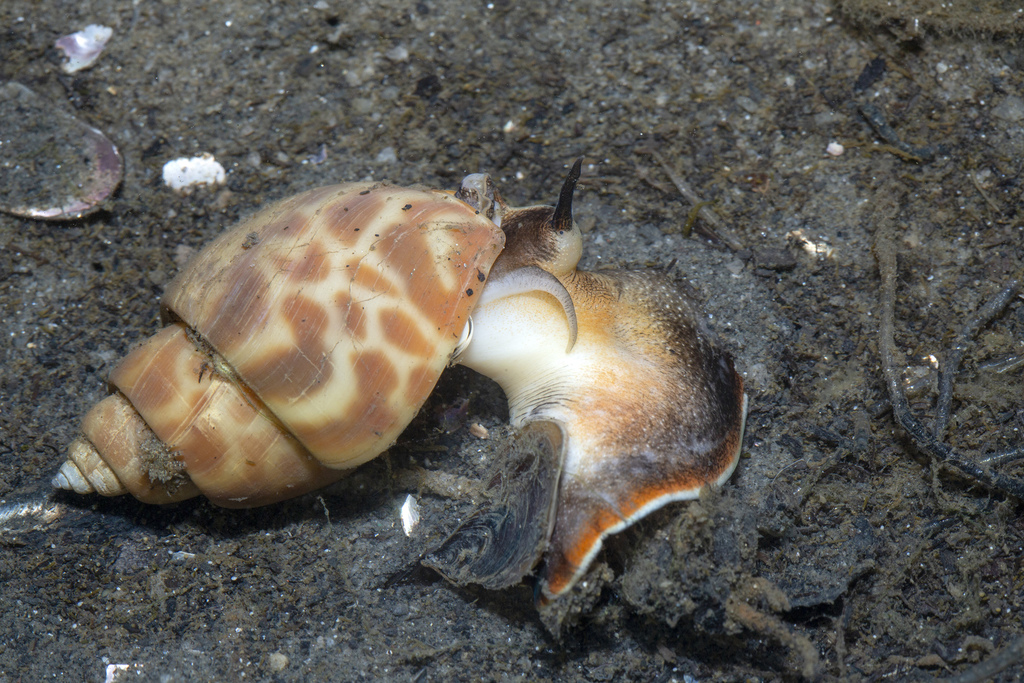
Clown Cowry
babylonia spirata
In Stock
Common stock
Wild Caught
Moderate care
With Caution
SKU: ML-MF-0562
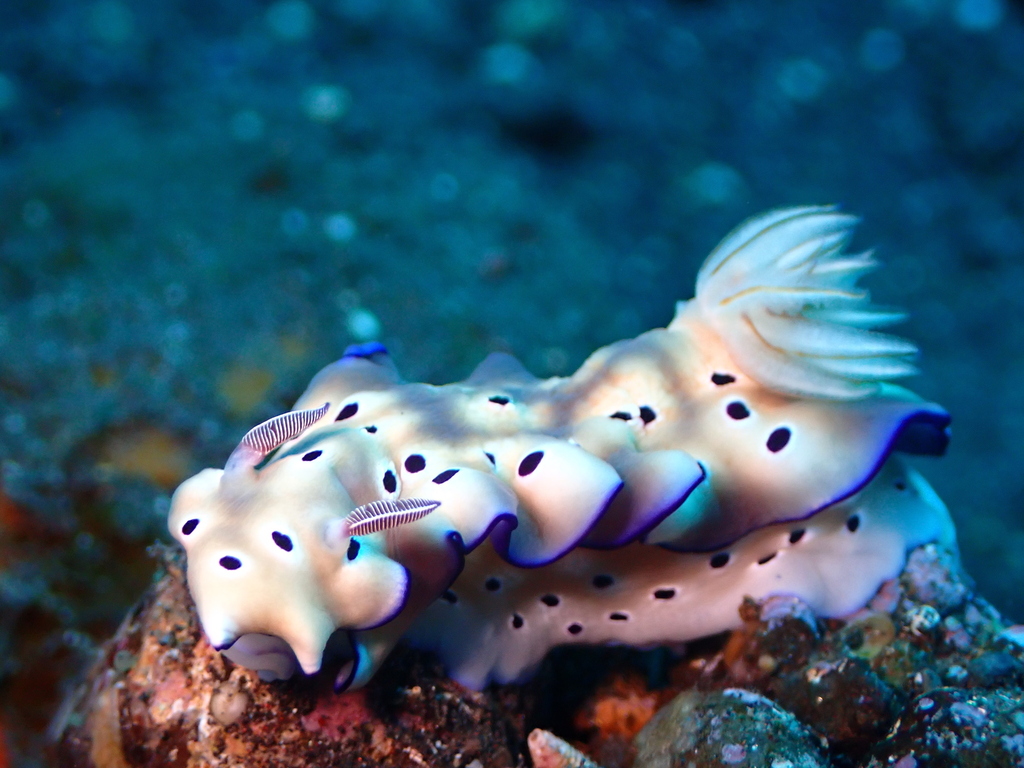
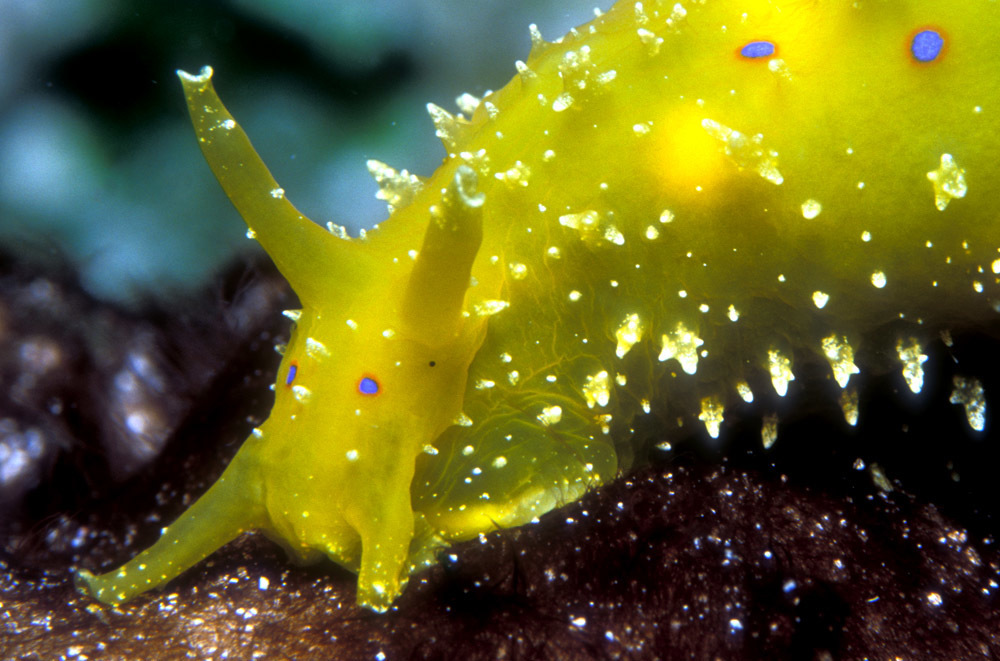
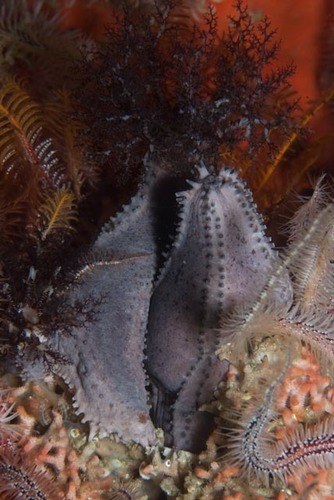
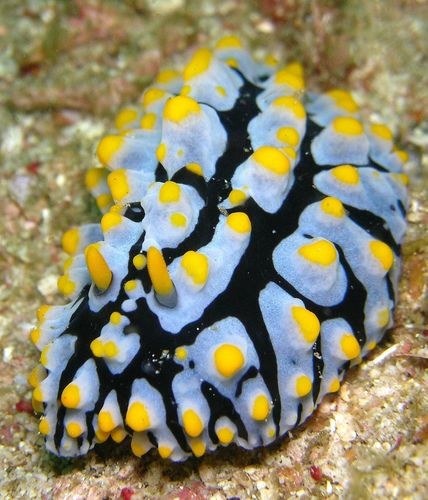
The Clown Cowry is a vibrant marine mollusk known for its striking coloration and unique shell.
Pricing for Verified Importers
Log in to see wholesale prices and order.
Export Size
up to 10.0 cm
Origin
Indo-Pacific
Temperature
24.0–28.0°C
Min. Tank Size
50 L
Salinity
32.000–35.000 ppt
pH
8.10–8.40
Diet
herbivore
The Clown Cowry (Babylonia spirata) is a visually striking marine mollusk found primarily in the tropical waters of the Indo-Pacific region. This species is characterized by its glossy, colorful shell adorned with bold patterns that can vary significantly between individuals. The shell is smooth and oval-shaped, providing an aerodynamic form that aids in its movement across the sandy substrates of its natural habitat. As a member of the cowry family, this species exhibits a unique blend of beauty and functionality, making it a popular choice among collectors and aquarists alike.
In terms of natural history, the Clown Cowry thrives in shallow coastal waters, often found in sandy or muddy substrates where it can bury itself for protection. These cowries are primarily nocturnal, emerging at night to forage for food. Their diet consists mainly of algae, detritus, and small invertebrates, which they graze upon using their specialized radula, a tongue-like organ equipped with tiny teeth. The Clown Cowry plays a vital role in its ecosystem by helping to maintain the balance of algae growth and contributing to the overall health of the marine environment.
Behaviorally, Clown Cowries are known for their relatively sedentary lifestyle, often remaining in one spot during the day to avoid predation. When threatened, they can retreat into their shells, which offer a formidable defense against potential predators. Their vibrant coloration also serves as a warning signal to predators, indicating that they may be unpalatable. The social behavior of Clown Cowries is not extensively documented, but they are generally considered solitary creatures, preferring to inhabit specific territories.
Clown Cowries are highly sought after for their beauty and unique characteristics, making them a favorite among marine enthusiasts. Their presence in the aquarium trade highlights the importance of sustainable harvesting practices to ensure the continued availability of this stunning species for future generations.
In terms of natural history, the Clown Cowry thrives in shallow coastal waters, often found in sandy or muddy substrates where it can bury itself for protection. These cowries are primarily nocturnal, emerging at night to forage for food. Their diet consists mainly of algae, detritus, and small invertebrates, which they graze upon using their specialized radula, a tongue-like organ equipped with tiny teeth. The Clown Cowry plays a vital role in its ecosystem by helping to maintain the balance of algae growth and contributing to the overall health of the marine environment.
Behaviorally, Clown Cowries are known for their relatively sedentary lifestyle, often remaining in one spot during the day to avoid predation. When threatened, they can retreat into their shells, which offer a formidable defense against potential predators. Their vibrant coloration also serves as a warning signal to predators, indicating that they may be unpalatable. The social behavior of Clown Cowries is not extensively documented, but they are generally considered solitary creatures, preferring to inhabit specific territories.
Clown Cowries are highly sought after for their beauty and unique characteristics, making them a favorite among marine enthusiasts. Their presence in the aquarium trade highlights the importance of sustainable harvesting practices to ensure the continued availability of this stunning species for future generations.
When caring for Clown Cowries in an aquarium setting, it is crucial to replicate their natural environment as closely as possible. Ideal water parameters include a temperature range of 24-28°C, a salinity level of 32-35 ppt, and a pH between 8.1 and 8.4. Maintaining stable water quality is essential, as these mollusks are sensitive to fluctuations.
Feeding Clown Cowries involves providing a varied diet that includes algae, spirulina flakes, and finely chopped seafood to ensure they receive adequate nutrition. They are generally compatible with a range of tank mates, but caution should be exercised with aggressive species that may pose a threat. Acclimation should be gradual; introduce them slowly to minimize stress, ideally over a period of several hours.
Quarantine procedures are recommended for new arrivals to prevent the introduction of pathogens into established systems. A quarantine period of at least two weeks allows observation for any signs of illness and ensures that the Clown Cowry is healthy before adding it to the main tank. Providing ample hiding spots and sandy substrate will help replicate their natural habitat and reduce stress levels.
Feeding Clown Cowries involves providing a varied diet that includes algae, spirulina flakes, and finely chopped seafood to ensure they receive adequate nutrition. They are generally compatible with a range of tank mates, but caution should be exercised with aggressive species that may pose a threat. Acclimation should be gradual; introduce them slowly to minimize stress, ideally over a period of several hours.
Quarantine procedures are recommended for new arrivals to prevent the introduction of pathogens into established systems. A quarantine period of at least two weeks allows observation for any signs of illness and ensures that the Clown Cowry is healthy before adding it to the main tank. Providing ample hiding spots and sandy substrate will help replicate their natural habitat and reduce stress levels.
Clown Cowries are suitable for shipping due to their hardy nature, but care must be taken to maintain appropriate water temperature during transit. Packing density should be moderate to allow for movement without damage. They are sensitive to temperature fluctuations, so maintaining a consistent climate is critical. Additionally, there are no known CITES restrictions for this species, allowing for legal and sustainable trade practices.
Species Parameters
Max Adult Size
10.0 cm
Origin
Indo-Pacific
Diet
herbivore
Temp Min
24.0 °C
Temp Max
28.0 °C
Salinity Min
32.000
Salinity Max
35.000
pH Min
8.10
pH Max
8.40
Min Tank
50 L