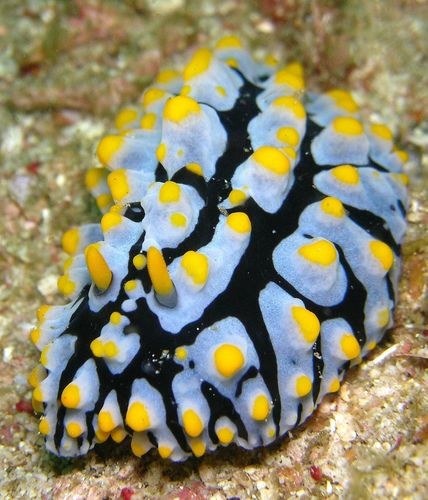
Warty Sea Slug
Phyllidia Sp.
In Stock
Common stock
Wild Caught
Moderate care
SKU: CB-SC-0133
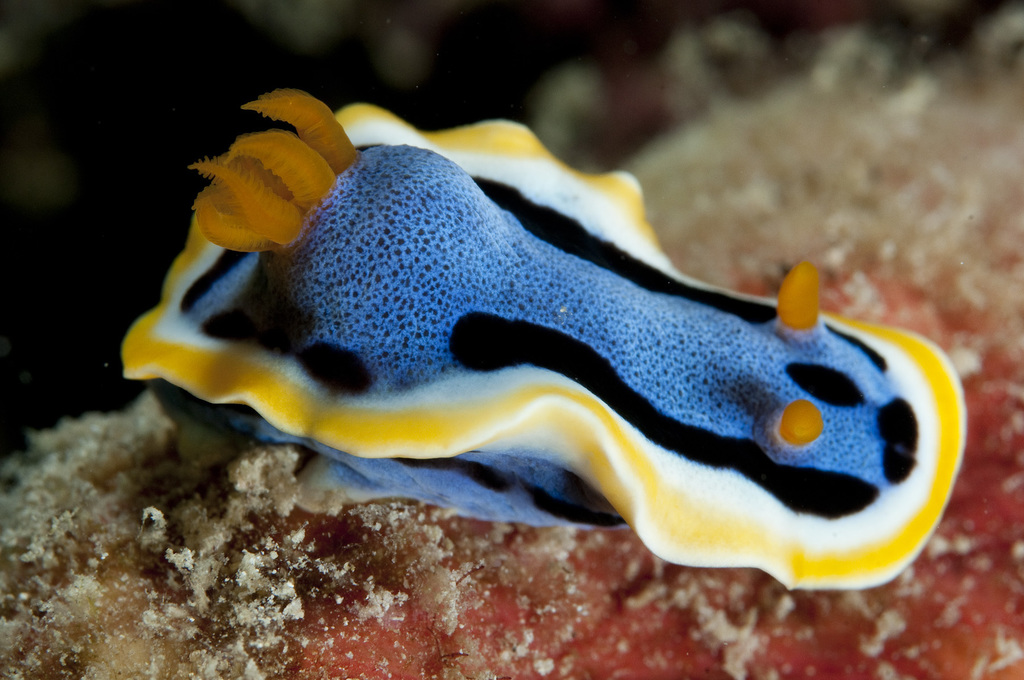
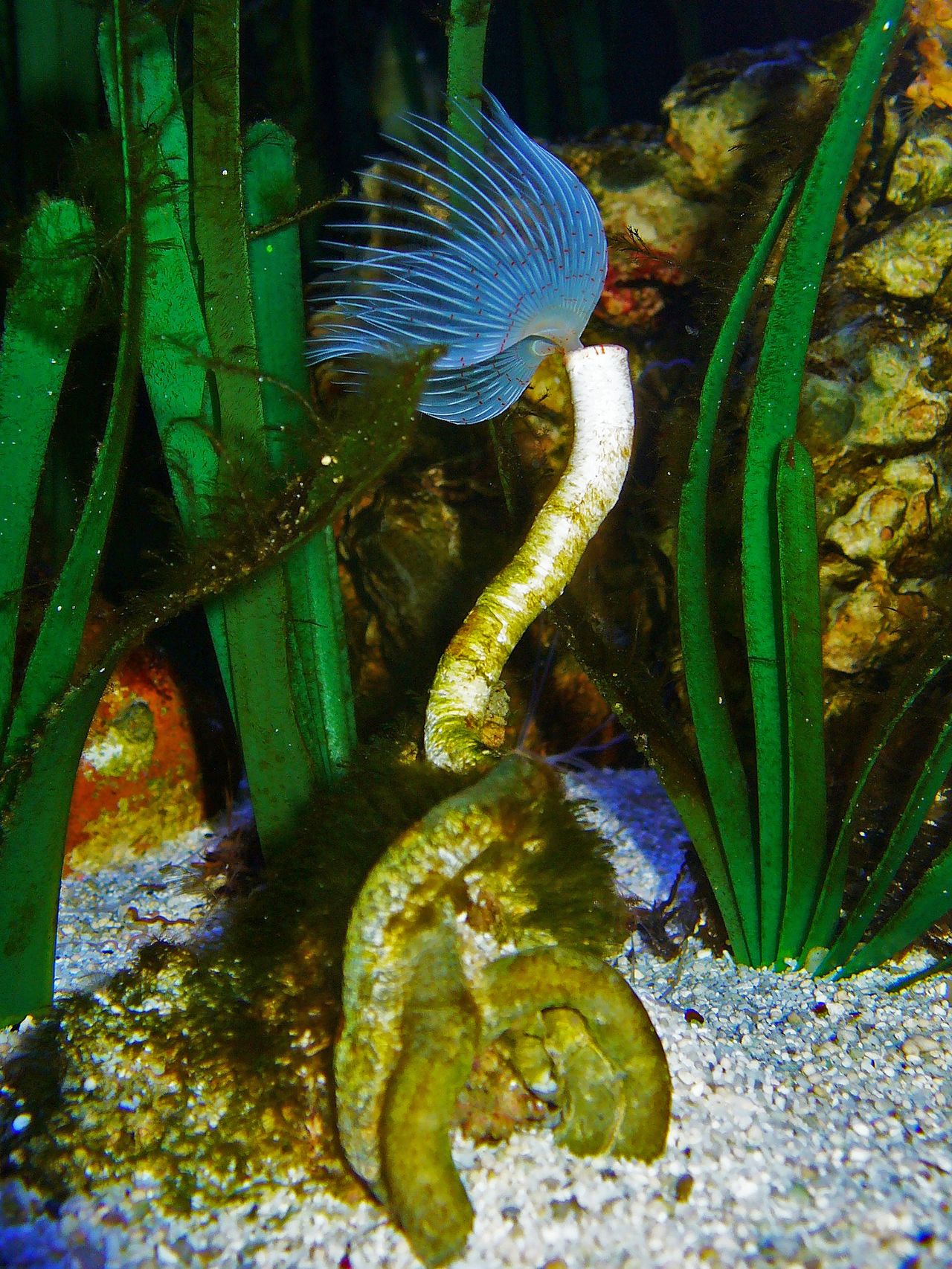
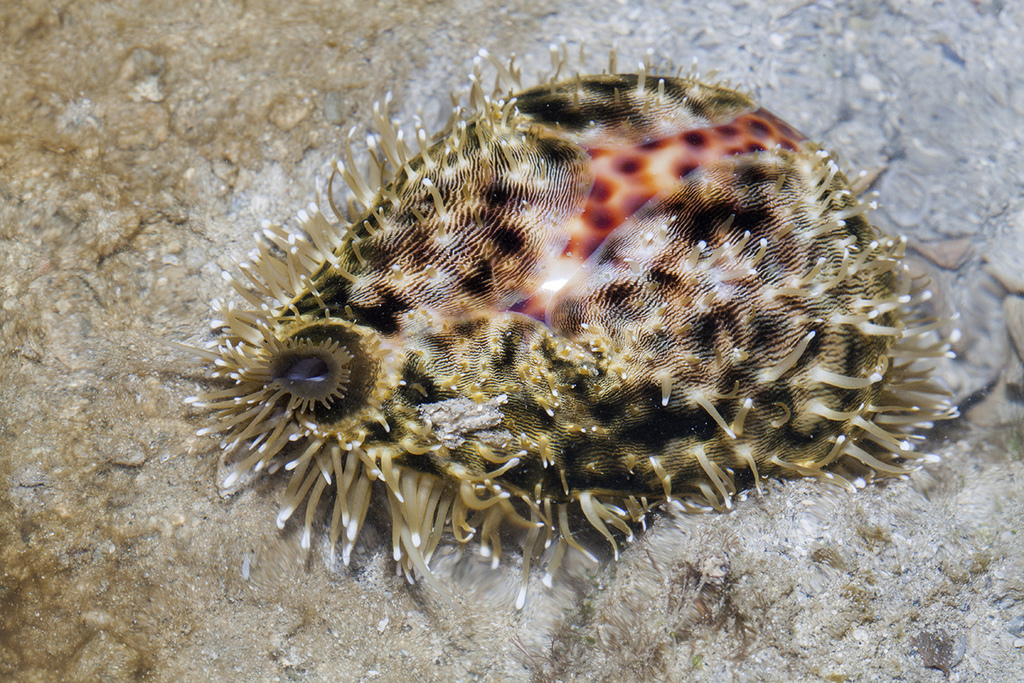
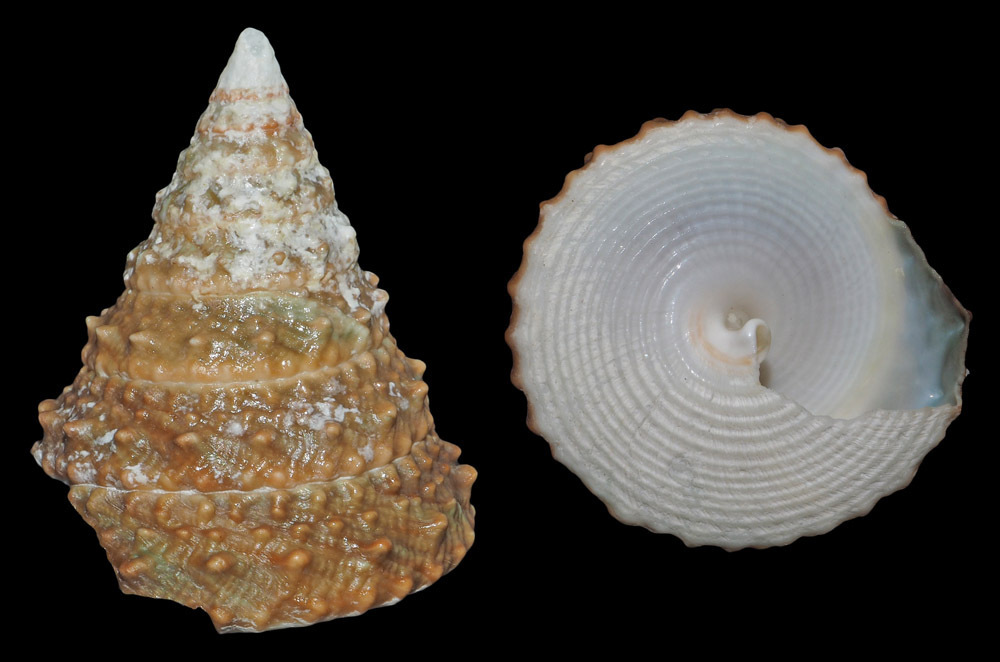
The Warty Sea Slug (Phyllidia Sp.) showcases vibrant colors and unique textures, making it a captivating addition to any marine exhibit.
Pricing for Verified Importers
Log in to see wholesale prices and order.
Export Size
up to 10.0 cm
Origin
Coral Triangle
Temperature
24.0–28.0°C
Min. Tank Size
50 L
pH
7.80–8.40
Diet
carnivore
The Warty Sea Slug, scientifically known as Phyllidia sp., is a striking marine invertebrate found in the coral reefs of Bali, Indonesia. These sea slugs are renowned for their vivid colors and distinctive warty texture, which serves as a form of camouflage against predators. Their bright hues can vary significantly, often displaying combinations of yellow, blue, and white, making them standout specimens for aquarium enthusiasts and researchers alike.
In terms of natural history, Warty Sea Slugs are part of the Nudibranch group, which are known for their soft bodies and lack of a protective shell. They primarily inhabit shallow waters where they can be found clinging to rocks and coral structures, feeding on sponges and other soft-bodied organisms. Their diet plays a crucial role in their vibrant pigmentation, as the chemicals obtained from their food contribute to the synthesis of their colorful patterns.
Behaviorally, Phyllidia sp. are relatively slow-moving creatures but are equipped with the ability to produce toxic secretions when threatened, deterring potential predators. This defensive mechanism, combined with their bright coloration, serves as an effective warning signal to would-be attackers. Observations in the wild suggest that these sea slugs exhibit a degree of territoriality, often returning to the same feeding spots within their habitat.
Overall, the Warty Sea Slug is not only a fascinating subject for biological study but also an aesthetically pleasing organism that enhances the beauty of any aquarium setup. Their unique adaptations and striking appearances make them a prized addition for both importers and retailers in the aquatic life market.
In terms of natural history, Warty Sea Slugs are part of the Nudibranch group, which are known for their soft bodies and lack of a protective shell. They primarily inhabit shallow waters where they can be found clinging to rocks and coral structures, feeding on sponges and other soft-bodied organisms. Their diet plays a crucial role in their vibrant pigmentation, as the chemicals obtained from their food contribute to the synthesis of their colorful patterns.
Behaviorally, Phyllidia sp. are relatively slow-moving creatures but are equipped with the ability to produce toxic secretions when threatened, deterring potential predators. This defensive mechanism, combined with their bright coloration, serves as an effective warning signal to would-be attackers. Observations in the wild suggest that these sea slugs exhibit a degree of territoriality, often returning to the same feeding spots within their habitat.
Overall, the Warty Sea Slug is not only a fascinating subject for biological study but also an aesthetically pleasing organism that enhances the beauty of any aquarium setup. Their unique adaptations and striking appearances make them a prized addition for both importers and retailers in the aquatic life market.
For importers and retailers, understanding the care needs of Warty Sea Slugs is essential for successful acclimation and long-term health. These sea slugs thrive in stable marine environments with temperatures ranging from 24°C to 28°C and a pH level between 7.8 and 8.4. While salinity is not applicable, it is crucial to maintain optimal water quality to support their delicate physiology.
Feeding the Warty Sea Slug requires a focus on its natural diet, which primarily consists of various sponges. Specialized diets including sponge-based foods or finely chopped marine invertebrates are recommended to ensure they receive adequate nutrition. Regular monitoring of their feeding habits will help ensure they are receiving enough sustenance to thrive in captivity.
In terms of compatibility, Warty Sea Slugs are best kept in species-specific tanks or with non-aggressive fish that do not pose a threat. When introducing them to a new environment, gradual acclimation is vital; utilize a drip acclimation method to minimize stress. It is also advisable to quarantine new arrivals for at least two weeks to prevent the introduction of potential pathogens to established aquariums.
Feeding the Warty Sea Slug requires a focus on its natural diet, which primarily consists of various sponges. Specialized diets including sponge-based foods or finely chopped marine invertebrates are recommended to ensure they receive adequate nutrition. Regular monitoring of their feeding habits will help ensure they are receiving enough sustenance to thrive in captivity.
In terms of compatibility, Warty Sea Slugs are best kept in species-specific tanks or with non-aggressive fish that do not pose a threat. When introducing them to a new environment, gradual acclimation is vital; utilize a drip acclimation method to minimize stress. It is also advisable to quarantine new arrivals for at least two weeks to prevent the introduction of potential pathogens to established aquariums.
Warty Sea Slugs are sensitive to temperature fluctuations and should be shipped in insulated containers with appropriate packing materials to maintain stable conditions. A packing density of 1-2 slugs per liter is recommended to ensure adequate space and oxygen during transit. It's crucial to monitor shipping temperatures closely, ideally keeping them between 24°C to 28°C. Currently, there are no CITES restrictions on this species, making them suitable for export.
Species Parameters
Max Adult Size
10.0 cm
Origin
Coral Triangle
Diet
carnivore
Temp Min
24.0 °C
Temp Max
28.0 °C
pH Min
7.80
pH Max
8.40
Min Tank
50 L