Rainbow slugs
chromodoris quadricolor
In Stock
Common stock
Wild Caught
Moderate care
With Caution
SKU: ML-MF-0518
The vibrant Rainbow Slug is a striking addition to any marine aquarium, showcasing stunning colors.
Pricing for Verified Importers
Log in to see wholesale prices and order.
Export Size
up to 8.0 cm
Origin
Indo-Pacific
Temperature
24.0–28.0°C
Min. Tank Size
50 L
Salinity
30.000–35.000 ppt
pH
7.80–8.40
Diet
herbivore
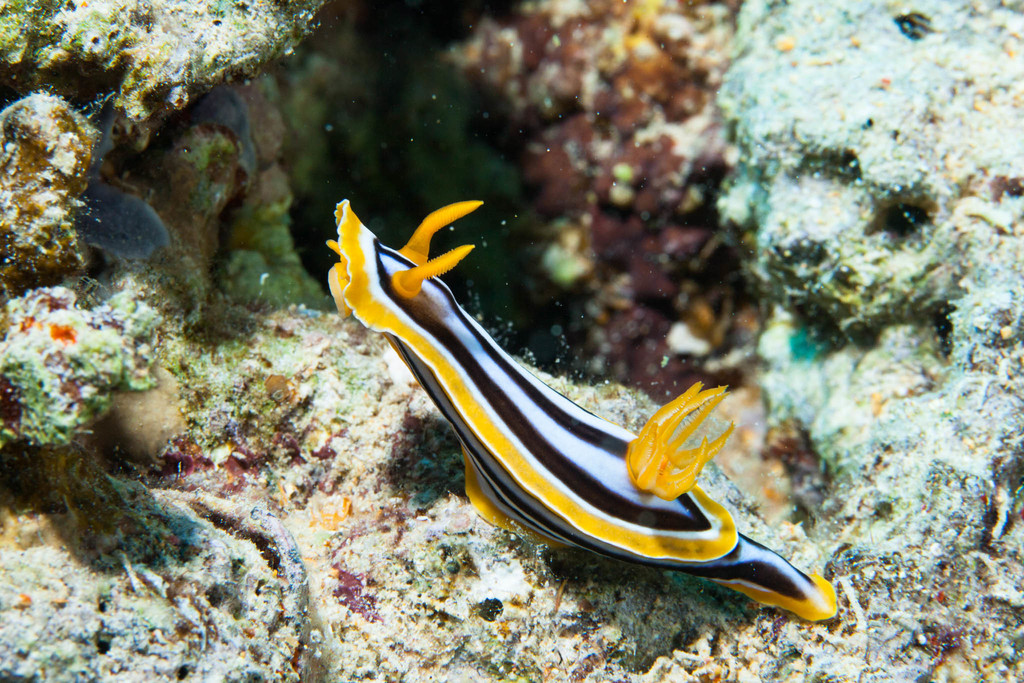
The Rainbow Slug, scientifically known as Chromodoris quadricolor, is a spectacular marine gastropod native to the coral reefs of the Indo-Pacific region. This species is renowned for its vibrant coloration, which typically features a combination of blues, yellows, and reds, creating a stunning visual appeal for aquarium enthusiasts. These slugs are not only beautiful but also play a critical role in the marine ecosystem by feeding on sponges and algae, helping to maintain the balance of their habitat.
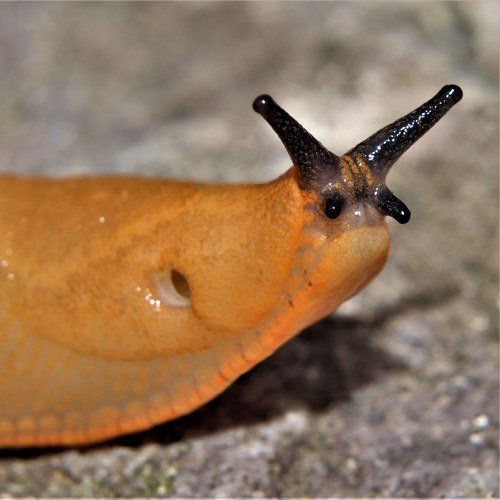
In terms of appearance, the Rainbow Slug can reach a maximum length of about 8 cm. Their bodies are soft and fleshy, adorned with distinctive patterns that can vary significantly among individuals. They possess a pair of sensory tentacles known as rhinophores, which help them detect chemicals in the water, guiding them to food sources. Their unique coloration serves as a warning to potential predators about their unpalatable nature, a common trait among many nudibranchs.
Behaviorally, Rainbow Slugs are generally solitary creatures, often found crawling along the substrate of coral reefs. They are most active during the day, feeding on sponges and other soft-bodied invertebrates. Their slow movement allows them to blend into their surroundings, providing an additional layer of protection against predators. When threatened, they can also secrete a defensive mucus to deter potential threats.
In their natural habitat, Rainbow Slugs thrive in warm, shallow waters, typically at depths of up to 30 meters. They are primarily found on coral reefs, where they can easily access their food sources. The health of their populations is closely linked to the overall health of coral ecosystems, making them important indicators of environmental changes in marine environments.
In terms of appearance, the Rainbow Slug can reach a maximum length of about 8 cm. Their bodies are soft and fleshy, adorned with distinctive patterns that can vary significantly among individuals. They possess a pair of sensory tentacles known as rhinophores, which help them detect chemicals in the water, guiding them to food sources. Their unique coloration serves as a warning to potential predators about their unpalatable nature, a common trait among many nudibranchs.
Behaviorally, Rainbow Slugs are generally solitary creatures, often found crawling along the substrate of coral reefs. They are most active during the day, feeding on sponges and other soft-bodied invertebrates. Their slow movement allows them to blend into their surroundings, providing an additional layer of protection against predators. When threatened, they can also secrete a defensive mucus to deter potential threats.
In their natural habitat, Rainbow Slugs thrive in warm, shallow waters, typically at depths of up to 30 meters. They are primarily found on coral reefs, where they can easily access their food sources. The health of their populations is closely linked to the overall health of coral ecosystems, making them important indicators of environmental changes in marine environments.
For aquarium importers and retailers, providing proper care for Rainbow Slugs is essential for their health and vitality. The recommended water temperature for keeping Rainbow Slugs ranges from 24°C to 28°C, with a salinity level between 30-35 ppt. Maintaining stable pH levels between 7.8 and 8.4 is crucial, as fluctuations can stress these delicate creatures. It is advisable to use a well-filtered aquarium with gentle water movement to mimic their natural habitat.
Feeding Rainbow Slugs can be straightforward, as they primarily consume a diet of sponge and algae. In captivity, you can supplement their diet with commercially available sponge food. It's essential to ensure they have a consistent food supply, as starvation can lead to significant health issues. Compatibility with other marine species should be carefully assessed; while they can coexist with peaceful tank mates, they may not fare well with aggressive or predatory fish.
When acclimating Rainbow Slugs to a new environment, slow acclimation over several hours is recommended to reduce stress. Quarantine procedures should also be followed to prevent the introduction of parasites or disease into existing systems. Regular monitoring of water parameters and providing a stable environment will help ensure their longevity and well-being in captivity.
Feeding Rainbow Slugs can be straightforward, as they primarily consume a diet of sponge and algae. In captivity, you can supplement their diet with commercially available sponge food. It's essential to ensure they have a consistent food supply, as starvation can lead to significant health issues. Compatibility with other marine species should be carefully assessed; while they can coexist with peaceful tank mates, they may not fare well with aggressive or predatory fish.
When acclimating Rainbow Slugs to a new environment, slow acclimation over several hours is recommended to reduce stress. Quarantine procedures should also be followed to prevent the introduction of parasites or disease into existing systems. Regular monitoring of water parameters and providing a stable environment will help ensure their longevity and well-being in captivity.
Rainbow Slugs are sensitive to temperature fluctuations, and shipping should be conducted with care to maintain a consistent environment. Packing density should allow for adequate oxygen circulation while preventing excessive movement during transport. Ideally, they should be shipped at temperatures between 24°C and 28°C. As of now, there are no specific CITES restrictions for this species, but it's advisable to stay updated on regulatory changes.
Species Parameters
Max Adult Size
8.0 cm
Origin
Indo-Pacific
Diet
herbivore
Temp Min
24.0 °C
Temp Max
28.0 °C
Salinity Min
30.000
Salinity Max
35.000
pH Min
7.80
pH Max
8.40
Min Tank
50 L